

Understanding Speaker Types
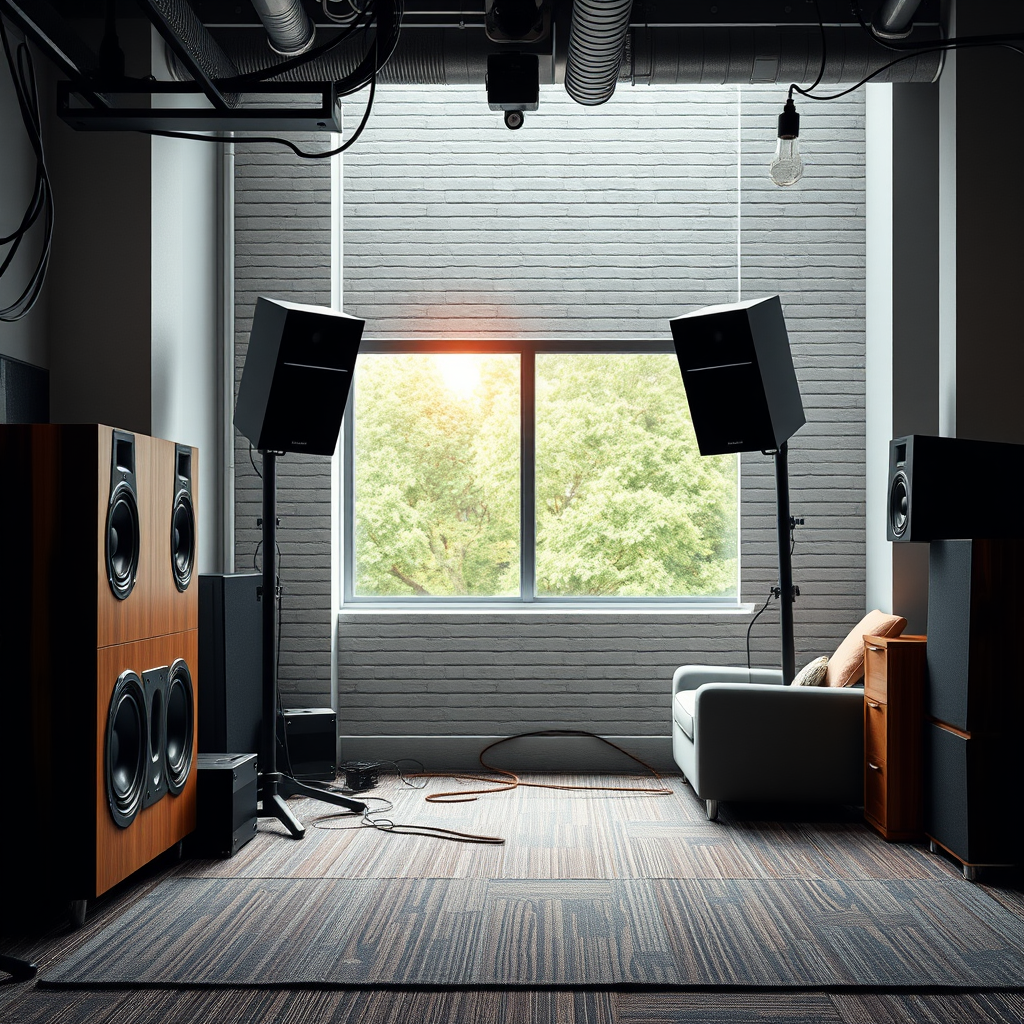
When embarking on the task of wiring speakers, it is crucial to understand the different types available. The two primary categories are passive and active speakers.
Passive speakers require an external amplifier to drive them. They do not have built-in amplification, which means they depend on an external source to power them. This type of speaker is often favored by audiophiles who prefer the flexibility of custom audio setups.
On the other hand, active speakers have built-in amplifiers. This means they can be connected directly to audio sources without needing an additional amplifier. Active speakers are often more convenient for casual listeners or those who prefer a plug-and-play solution.
Additionally, understanding impedance is vital. Impedance, measured in ohms, affects how electrical signals flow through your speakers and amplifier. Most consumer speakers operate at either 4, 6, or 8 ohms. Matching the impedance of your speakers with your amplifier is essential to avoid overloading the system, which could lead to distortion or damage.
Gathering Necessary Tools and Materials
Before you start wiring your speakers, ensure you have the right tools and materials. Here’s a list of essential items you will need:
– Wire Strippers: These are crucial for removing the insulation from the speaker wires without damaging the copper strands.
– Screwdrivers: A Phillips and flathead screwdriver will help you secure wire connections.
– Wire Connectors: These are used to connect the speaker wire securely to the speaker terminals and amplifier.
– Speaker Wire: Choose the right gauge for your setup; typically, 16-gauge wire is sufficient for most home audio systems, while thicker 14-gauge wire may be necessary for longer runs or higher power applications.
Preparing the Speaker Wires
Once you have your tools and materials ready, it’s time to prepare the speaker wires.
1. Cut Speaker Wires: Measure the distance from your speakers to the amplifier to determine the appropriate length. Always add a little extra length to avoid tension and allow for adjustments.
2. Strip the Insulation: Use the wire strippers to remove about half an inch of insulation from both ends of each wire. This will expose the copper strands needed for a proper connection. Be careful not to cut the strands while stripping.
Speaker Wire Gauge Recommendations
| # | Wire Gauge | Recommended Length (Feet) | Typical Use | Best For |
|---|---|---|---|---|
| 1 | 12-gauge | 0-50 | High Power | Home Theaters |
| 2 | 14-gauge | 0-100 | Medium Power | Home Audio |
| 3 | 16-gauge | 0-50 | Low Power | Small Rooms |
| 4 | 18-gauge | 0-25 | Very Low Power | Computer Speakers |
| 5 | 16-gauge | 50-100 | Medium Power | Living Rooms |
| 6 | 14-gauge | 100+ | High Power | Home Theaters |
| 7 | 12-gauge | 50-100 | High Power | Large Rooms |
Connecting the Wires to the Speakers
Now that your wires are prepped, it’s time to connect them to the speakers.
1. Identify Terminals: Look for the positive (+) and negative (-) terminals on each speaker. These are typically color-coded—red for positive and black for negative. Ensure you keep track of these polarities as incorrect connections can lead to poor sound quality or damage to your system.
2. Secure Connections: Insert the stripped end of the wire into the appropriate terminal. Most speakers will either have a binding post or spring clip for connection. If using a binding post, ensure that the wire is tightly wrapped around the post before tightening it down. For spring clips, simply push down the clip, insert the wire, and release it to secure the connection.
Connecting the Wires to the Amplifier/Receiver
With the speakers connected, the next step is to connect the wires to your amplifier or receiver.
1. Match Connections: Connect the positive wire to the positive terminal on the amplifier and the negative wire to the negative terminal. This consistency in connection is crucial to maintain proper audio phase.
2. Check Polarity: Similar to the speakers, ensure that the connections are correct. Inverting polarity can lead to phase issues where bass response is diminished or sound appears to be coming from an incorrect location.
Testing the Connection
After all connections are in place, it’s time to test your setup.
1. Play Audio: Choose a well-mixed track and play it at a moderate volume. Listen carefully to ensure all speakers are functioning properly.
2. Troubleshoot Issues: If there is weak sound or no sound, double-check all connections for security and ensure that the amplifier is powered on. Common issues include loose connections or incorrect polarity.
Safety Tips and Best Practices
While wiring your speakers can be a rewarding experience, safety should always come first.
1. Avoid Overloading: Be mindful of the power ratings of both your speakers and amplifier. Overloading can result in damage to your equipment. Always ensure that the total impedance load does not exceed the amplifier’s specifications.
2. Regular Inspections: Periodically check your wires and connections for wear and tear. Look for frayed wires or loose connections which can compromise sound quality and pose safety risks.
Wiring speakers can seem daunting, but with the right guidance, it becomes a manageable task. By understanding the types of speakers, preparing your materials, and following these steps, you can achieve a great-sounding audio setup. Don’t hesitate to dive in and enhance your listening experience today!
Frequently Asked Questions
What tools do I need to wire speakers correctly?
To wire speakers correctly, you’ll need a few essential tools: a wire stripper, soldering iron (if soldering connections), electrical tape or heat shrink tubing, and a screwdriver. Additionally, a multimeter can help you test connections for continuity and ensure everything is wired correctly before powering up your audio system.
How do I determine the correct gauge of speaker wire?
The correct gauge of speaker wire depends on the distance between your amplifier and speakers. For runs up to 50 feet, a 16-gauge wire is typically sufficient, while longer distances may require a 14-gauge wire to minimize resistance and ensure optimal sound quality. Always check the manufacturer’s specifications for both your speakers and amplifier for the best results.
Why is it important to match speaker polarity when wiring?
Matching speaker polarity is crucial because incorrect polarity can lead to phase cancellation, resulting in a muddy sound and reduced overall audio quality. When wiring speakers, ensure that the positive terminal of the amplifier connects to the positive terminal of the speaker and the same for the negative terminals, preserving sound clarity and fidelity.
What is the best method for connecting speaker wire to terminals?
The best method for connecting speaker wire to terminals is to use either banana plugs or spade connectors, as these provide a secure and reliable connection. If you are directly connecting bare wire, twist the strands tightly, insert them into the terminal, and tighten securely. This minimizes the risk of shorts and ensures optimal power transfer to your speakers.
Which type of speaker wire is best for home theater systems?
The best type of speaker wire for home theater systems is typically oxygen-free copper (OFC) wire, as it offers excellent conductivity and durability. Look for a wire gauge suited to your setup—usually 14 or 16 gauge—along with proper insulation to prevent interference from other electrical components. Always consider the length of the run to choose the appropriate wire gauge for optimal performance.
References
- https://en.wikipedia.org/wiki/Speaker_(audio
https://en.wikipedia.org/wiki/Speaker_(audio - https://www.audioholics.com/loudspeaker-design/how-to-wire-speakers
https://www.audioholics.com/loudspeaker-design/how-to-wire-speakers - https://www.hifiengine.com/manuals/denon/dra-397.shtml
https://www.hifiengine.com/manuals/denon/dra-397.shtml - https://www.audio.com/articles/how-to-wire-a-speaker
https://www.audio.com/articles/how-to-wire-a-speaker - https://www.researchgate.net/publication/329847923_Wiring_Speakers
https://www.researchgate.net/publication/329847923_Wiring_Speakers - https://www.jstor.org/stable/10.5325/jmusi.6.1.0011
https://www.jstor.org/stable/10.5325/jmusi.6.1.0011 - Google Scholar Google Scholar
https://scholar.google.com/scholar?q=how+to+wire+speakers - Google Scholar Google Scholar
https://scholar.google.com/scholar?q=speaker+wiring+techniques - Google Scholar Google Scholar
https://scholar.google.com/scholar?q=speaker+installation+guidelines - how to wire speakers – Search results
https://en.wikipedia.org/wiki/Special:Search?search=how+to+wire+speakers
