


Understanding Parallel Wiring
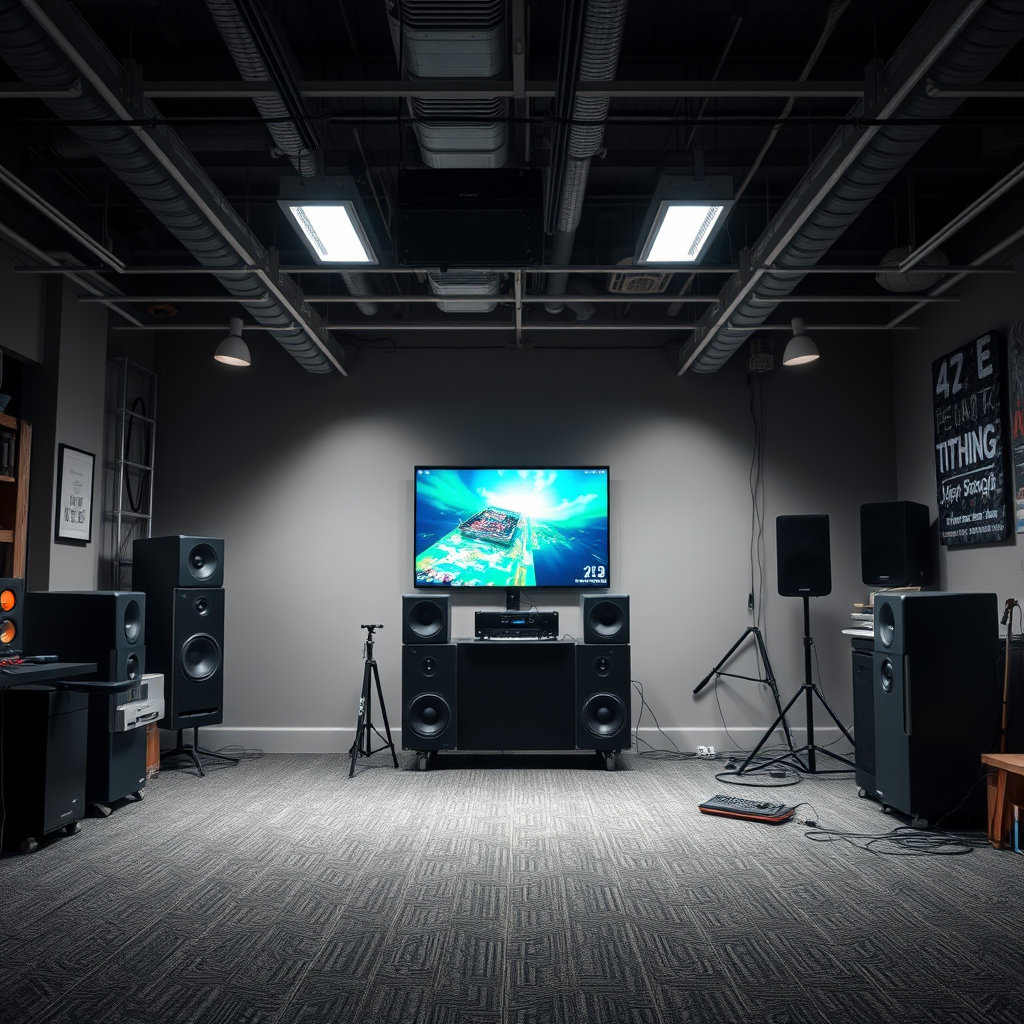
Parallel wiring involves connecting multiple speakers directly to the amplifier, creating a network where each speaker shares the same voltage from the amplifier. This setup contrasts with series wiring, where the voltage is divided among the speakers. The advantage of parallel wiring is that it effectively increases the total sound output, making it a popular choice for audio enthusiasts who want to enhance their listening experience without sacrificing sound quality.
When speakers are wired in parallel, the total impedance decreases. For instance, if you connect two 8-ohm speakers in parallel, the total impedance drops to 4 ohms. This reduction can lead to a more powerful audio output, provided that your amplifier can handle the lower impedance without risk of overheating or damage. Understanding both the benefits and potential drawbacks of this configuration is crucial for achieving the best results.
Tools and Materials Needed
Before you start wiring your speakers in parallel, it’s essential to gather the right tools and materials to ensure a smooth and efficient installation process. Here’s a list of what you will need:
– Speaker wire: Choose a wire gauge suitable for your system. Typically, 16 to 14-gauge wire is adequate for most home audio setups.
– Wire strippers: These are necessary for preparing the speaker wire by removing insulation from the ends.
– Connectors or terminal blocks: These will secure the connections between the wire and the speakers or amplifier, ensuring a reliable and stable connection.
– Screwdriver: Depending on your speaker and amplifier types, you may need a screwdriver to attach the wires securely.
– Multimeter: Useful for checking the integrity of your connections and measuring impedance.
Having these tools and materials ready will streamline the wiring process and help you avoid common pitfalls.
Step-by-Step Wiring Process
Wiring speakers in parallel can be straightforward if you follow these steps carefully:
1. Turn off your audio system: Prior to any electrical work, ensure that your amplifier and audio system are powered down to prevent electrical hazards.
2. Prepare the speaker wire: Use wire strippers to strip about half an inch of insulation from both ends of each speaker wire. Make sure to expose enough copper strands to create a solid connection.
3. Connect to the speakers: Identify the positive and negative terminals on each speaker. Typically, the positive terminal is marked with a red dot or a plus sign (+), while the negative terminal is indicated by a black dot or a minus sign (-). Connect one end of the speaker wire to the positive terminal and the other end to the negative terminal of each speaker.
4. Connect to the amplifier: Take the other ends of the speaker wires and connect them to the corresponding terminals on the amplifier. Ensure that all positive wires are connected to the positive terminal and all negative wires to the negative terminal.
5. Double-check connections: Before powering the system back on, double-check all connections to ensure they are secure and correct.
This step-by-step guide ensures that your speakers are wired correctly, minimizing the risk of damage and maximizing sound quality.
Calculating Total Impedance
Understanding the total impedance of your speaker configuration is crucial to avoid damaging your amplifier. When wiring in parallel, the total impedance can be calculated using the formula:
\[
\text{Total Impedance} = 1 / (1/R1 + 1/R2 + … + 1/Rn)
\]
Where R1, R2, Rn are the impedances of the individual speakers. For example, if you have two 8-ohm speakers wired in parallel, the calculation would be:
\[
\text{Total Impedance} = 1 / (1/8 + 1/8) = 4 \text{ ohms}
\]
It’s essential to ensure that the total impedance remains within the safe operating range of your amplifier, which is typically specified in the user manual. Operating an amplifier below its rated impedance can lead to overheating and potential failure.
Speaker Impedance Calculation Examples
| # | Speaker Configuration | Speaker Impedance (Ohms) | Total Impedance (Ohms) |
|---|---|---|---|
| 1 | 2 Speakers | 8 | 4 |
| 2 | 3 Speakers | 8 | 2.67 |
| 3 | 4 Speakers | 4 | 1 |
| 4 | 2 Speakers | 6 | 3 |
| 5 | 3 Speakers | 6 | 2 |
| 6 | 2 Speakers | 12 | 6 |
| 7 | 3 Speakers | 12 | 4 |
Testing Your Setup
After completing the wiring process, it is essential to test your setup to ensure everything functions correctly. Here’s how to do it effectively:
1. Power on your audio system: Once you are confident that all connections are secure, turn on your amplifier and other components of your audio system.
2. Play a test track: Select a familiar song or audio track that you know well. This will help you identify any issues with sound clarity and volume.
3. Check each speaker: Listen carefully to each speaker individually. You can do this by adjusting the balance settings on your amplifier to isolate sound to each speaker. Ensure that each speaker produces sound evenly without distortion.
4. Adjust settings if needed: If you notice any discrepancies in sound quality, revisit your connections or the settings on your amplifier. Ensure that the volume levels are appropriately set and are not causing distortion.
Testing your setup thoroughly is crucial to enjoy the full benefits of wiring speakers in parallel, as it allows you to make necessary adjustments for an optimal audio experience.
Troubleshooting Common Issues
Despite careful wiring, you may encounter some common issues when setting up your speakers in parallel. Here are some troubleshooting tips to help you resolve potential problems:
– Distortion or low sound quality: If you experience distortion or a reduction in sound quality, first check all connections. Loose or poorly connected wires can cause these issues. Ensure that the wires are secure in their respective terminals.
– Impedance issues: If the sound is distorted or the amplifier shuts off, it may be due to incorrect total impedance. Verify that the total impedance calculated is within the safe range for your amplifier. If it’s too low, consider adjusting the configuration or using speakers with a higher impedance.
– Unbalanced sound: If one speaker is significantly louder than the others, this could indicate a wiring issue. Make sure that all positive and negative connections are correctly matched and that there are no crossed wires.
By following these troubleshooting steps, you can identify and rectify issues, ensuring that your audio system performs at its best.
Wiring speakers in parallel can significantly enhance your audio experience when done correctly. By understanding the principles of parallel wiring, gathering the right tools, following the step-by-step process, and troubleshooting potential issues, you will be equipped to set up your speakers efficiently. Enjoy richer sound quality and increased volume, tailored to your audio preferences. For further assistance or to explore additional audio setup tips, feel free to reach out or consult more resources.
Frequently Asked Questions
How do I wire speakers in parallel correctly?
To wire speakers in parallel, first, connect the positive terminal of the amplifier to the positive terminals of all the speakers. Then, connect the negative terminal of the amplifier to the negative terminals of each speaker as well. This configuration allows the impedance to decrease, which can boost the overall sound output, but be cautious to not lower the impedance below what your amplifier can handle.
What are the benefits of wiring speakers in parallel?
Wiring speakers in parallel can increase the overall volume and improve sound quality, as it allows each speaker to receive the same voltage from the amplifier. This configuration is particularly beneficial in larger setups where multiple speakers are needed to fill a space with sound. Additionally, it can provide a more balanced sound experience across all connected speakers.
Why should I choose parallel wiring over series wiring for my speakers?
Parallel wiring is often preferred over series wiring because it maintains higher overall impedance and allows all speakers to operate at the same power level, resulting in a more consistent sound output. Series wiring can lead to significant power loss and reduced volume levels, making parallel wiring a more effective choice for most audio setups.
Which speakers can be wired in parallel without issues?
Most speakers can be wired in parallel, but it is ideal to use speakers with the same impedance rating to avoid overloading your amplifier. Generally, connecting two 8-ohm speakers in parallel will result in a 4-ohm load, which is manageable for many amplifiers, but always check your amplifier’s specifications to ensure compatibility.
What should I do if my amplifier doesn’t support the impedance from parallel wiring?
If your amplifier cannot handle the impedance resulting from parallel wiring, you have a few options: consider wiring fewer speakers in parallel, using speakers with higher impedance, or utilizing a separate amplifier for additional speakers. Alternatively, you could wire some speakers in series to balance the load and ensure your amplifier operates safely without risking damage.
References
- https://en.wikipedia.org/wiki/Speaker_impedance
https://en.wikipedia.org/wiki/Speaker_impedance - https://www.audioholics.com/loudspeaker-design/wiring-speakers-in-parallel
https://www.audioholics.com/loudspeaker-design/wiring-speakers-in-parallel - Light Sensor including Photocell and LDR Sensor
https://www.electronics-tutorials.ws/io/io_4.html - https://www.crutchfield.com/learn/how-to-wire-speakers.html
https://www.crutchfield.com/learn/how-to-wire-speakers.html - Google Scholar Google Scholar
https://scholar.google.com/scholar?q=how+to+wire+speakers+parallel - Google Scholar Google Scholar
https://scholar.google.com/scholar?q=speaker+impedance+parallel+wiring - Google Scholar Google Scholar
https://scholar.google.com/scholar?q=audio+speaker+connections+parallel - Loudspeaker | Definition, Types, & Facts | Britannica
https://www.britannica.com/technology/loudspeaker - Call for Papers – IJERT
https://www.ijert.org/research/wiring-speakers-in-parallel-to-increase-audio-quality-IJERTV8IS06015.pdf - how to wire speakers parallel – Search results
https://en.wikipedia.org/wiki/Special:Search?search=how+to+wire+speakers+parallel
