
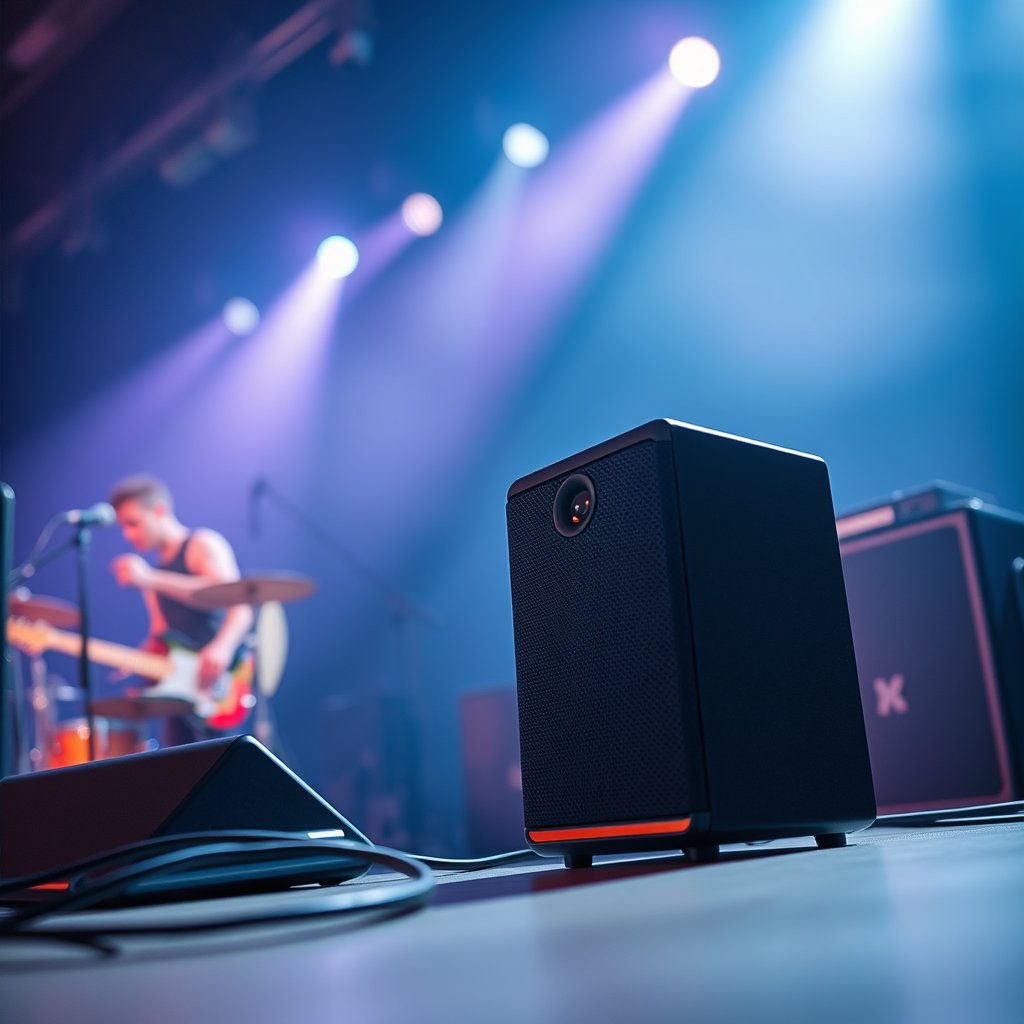

Wireless speakers operate by using Bluetooth or Wi-Fi technology to transmit audio signals from a device to the speaker without the need for physical cables. This innovative technology not only offers convenience but also enhances the audio experience for users. In this article, you’ll learn about the different technologies behind wireless speakers, how they connect to devices, and what makes them so popular.
Understanding Wireless Technology
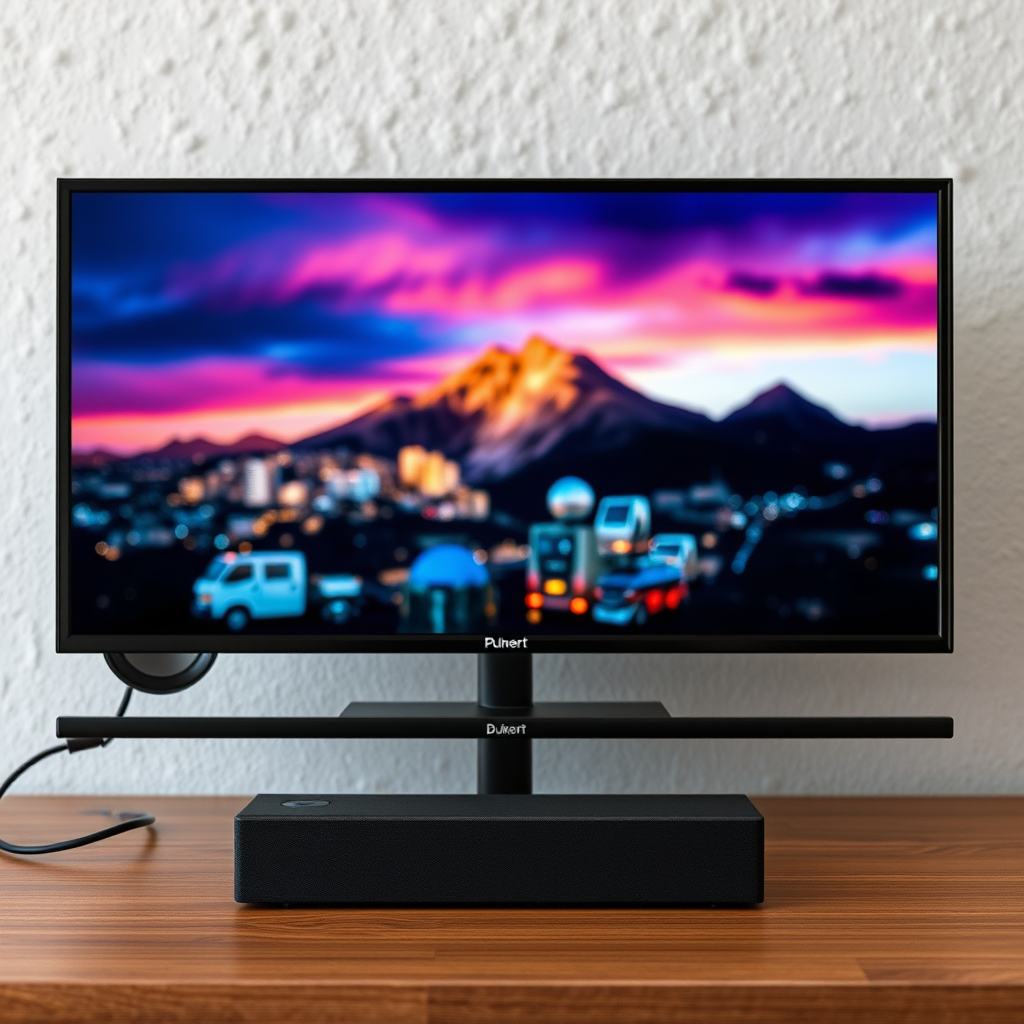
Wireless speakers primarily utilize two forms of technology to transmit audio: Bluetooth and Wi-Fi.
Bluetooth is a short-range wireless technology that allows devices to communicate over distances of about 30 feet (10 meters). Its simplicity and ease of use make it a popular choice for connecting speakers to smartphones and tablets. However, Bluetooth does have limitations in terms of audio quality, as the compression used to transmit audio can sometimes result in a loss of fidelity.
On the other hand, Wi-Fi technology offers a significant advantage in both audio quality and range. Wi-Fi can transmit audio over much greater distances, often exceeding 100 feet, and can maintain higher resolutions, making it suitable for streaming high-definition audio. This capability allows for a more immersive listening experience and can support multi-room audio setups, where speakers throughout the home can be synchronized to play the same music or different tracks.
Components of a Wireless Speaker
A wireless speaker comprises several critical internal components that work together to deliver sound.
At the heart of a wireless speaker are the drivers — the components that convert electrical signals into sound waves. Different types of drivers, such as woofers and tweeters, handle various frequency ranges, contributing to the overall sound quality. Additionally, amplifiers play a crucial role by increasing the audio signal’s power, which directly impacts the volume and clarity of the sound.
Power sources are another essential aspect of wireless speakers. Many models are equipped with rechargeable batteries, allowing for portable use. Others might require an AC power source, which can limit their mobility but often provides more consistent power for high-performance audio.
How Audio is Transmitted
The transmission of audio in wireless speakers involves a sophisticated process of encoding and decoding signals. When a device streams audio to a wireless speaker, the audio signal is first encoded into a digital format that can be transmitted over Bluetooth or Wi-Fi. Once it reaches the speaker, the signal is decoded back into an analog format, which is then amplified and sent to the drivers to produce sound.
There are notable differences between streaming music and playing local files via wireless speakers. Streaming services often compress audio files to reduce loading times and bandwidth usage, which may slightly degrade sound quality. In contrast, playing high-quality local files can provide a more faithful representation of the original audio, particularly when using Wi-Fi technology.
Top Wireless Speakers by Features (2024)
| # | Speaker Model | Bluetooth Range | Wi-Fi Capability | Battery Life |
|---|---|---|---|---|
| 1 | Sonos One | 30 ft | Yes | 10 hours |
| 2 | JBL Charge 5 | 40 ft | No | 20 hours |
| 3 | Bose SoundLink Flex | 30 ft | No | 12 hours |
| 4 | Anker Soundcore 3 | 20 ft | No | 24 hours |
| 5 | Ultimate Ears BOOM 3 | 100 ft | No | 15 hours |
| 6 | Apple HomePod Mini | 30 ft | Yes | 10 hours |
| 7 | Sony SRS-XB33 | 100 ft | No | 24 hours |
Pairing and Connecting to Devices
Connecting a wireless speaker to your devices is usually a straightforward process. Here’s a step-by-step guide for pairing a wireless speaker with smartphones and computers:
1. Power on the Speaker: Ensure that the wireless speaker is charged or plugged into an outlet.
2. Activate Pairing Mode: Most wireless speakers have a dedicated button to enable pairing mode, often indicated by a blinking LED light.
3. Open Bluetooth Settings on Your Device: On your smartphone or computer, access the Bluetooth settings to search for available devices.
4. Select the Speaker: Once your speaker appears in the list of available devices, select it to establish a connection.
5. Confirm Pairing: Depending on the device, you may need to confirm the pairing by entering a PIN or simply accepting the connection request.
While the process is usually seamless, users may encounter common connection issues. If you experience problems, ensure that Bluetooth is enabled on your device, the speaker is within range, and that it is not connected to another device.
Sound Quality and Performance Factors
Several factors can influence the sound quality and performance of wireless speakers. Speaker design is paramount; a well-designed enclosure can enhance the acoustics, while the materials used for drivers can affect clarity and fidelity.
Additionally, the distance between the audio source and the speaker can impact performance. While Bluetooth connections may remain stable up to 30 feet, physical barriers such as walls can disrupt signals, leading to audio dropouts. Wi-Fi connections tend to be more resilient over distance but can still be affected by network congestion and interference.
Popular Use Cases for Wireless Speakers
Wireless speakers excel in various scenarios, making them a versatile choice for many users. For instance, they are perfect for parties, where guests can control music playback from their smartphones without being tethered by cables. Their portability also makes them ideal for outdoor events, such as picnics or camping trips, where access to power outlets may be limited.
Moreover, wireless speakers play a significant role in smart home systems. Many models can integrate with voice assistants like Amazon Alexa or Google Assistant, enabling users to control playback through voice commands. This hands-free operation enhances convenience and accessibility.
Future Trends in Wireless Speaker Technology
The future of wireless speaker technology is promising, with several emerging trends on the horizon. Multi-room audio systems, allowing users to synchronize multiple speakers throughout a home, are gaining popularity. This feature enhances the listening experience, offering seamless audio across different rooms.
Additionally, advancements in spatial sound technology are expected to elevate audio fidelity, creating immersive soundscapes that replicate real-life listening environments. Furthermore, as battery technology improves, we can anticipate longer-lasting power sources that will enhance the portability of wireless speakers. Connectivity options are also expected to evolve, with potential advancements in low-latency audio transmission for improved real-time streaming.
Summarizing the inner workings of wireless speakers helps you understand why they’re a popular choice for audio enthusiasts. Whether you’re considering purchasing one or already own one, knowing how they operate can enhance your listening experience. Explore the different models available in the market and consider your audio needs to make an informed choice!
Frequently Asked Questions
How do wireless speakers connect to devices?
Wireless speakers typically connect to devices using Bluetooth or Wi-Fi technology. Bluetooth allows for a direct, short-range connection to smartphones, tablets, and laptops, while Wi-Fi enables multi-room audio and better sound quality by utilizing your home network for streaming.
What are the advantages of using wireless speakers over wired ones?
Wireless speakers offer greater flexibility and convenience, allowing you to place them anywhere without the hassle of cables. They are also portable, making it easy to move them between rooms or take them outside, and many models support smart features like voice control and multi-room audio setups.
Why do wireless speakers sometimes lag or have audio delay?
Audio delay in wireless speakers often occurs due to Bluetooth transmission latency or network congestion within Wi-Fi connections. To minimize lag, consider using speakers that support low-latency codecs like aptX or connecting through a strong Wi-Fi signal when streaming high-quality audio.
Which wireless speaker brands offer the best sound quality?
Brands like Sonos, Bose, and JBL are renowned for their superior sound quality in wireless speakers. These companies invest in advanced audio technology and provide options for various listening environments, ensuring an immersive experience whether you’re at home or on the go.
How do I troubleshoot common issues with wireless speakers?
Common issues with wireless speakers can often be resolved by checking the battery level, ensuring Bluetooth or Wi-Fi is enabled on the connected device, and rebooting both the speaker and the device. If problems persist, consult the manufacturer’s support resources for specific troubleshooting steps tailored to your model.
References
- Wireless speaker
https://en.wikipedia.org/wiki/Wireless_speaker - https://www.sciencedirect.com/topics/engineering/wireless-speakers
https://www.sciencedirect.com/topics/engineering/wireless-speakers - https://www.britannica.com/technology/speaker-electronics
https://www.britannica.com/technology/speaker-electronics - https://www.nytimes.com/2020/09/15/technology/personaltech/wireless-speakers.html
https://www.nytimes.com/2020/09/15/technology/personaltech/wireless-speakers.html - https://www.hindawi.com/journals/aes/2020/5827312/
https://www.hindawi.com/journals/aes/2020/5827312/ - https://www.ncbi.nlm.nih.gov/pmc/articles/PMC6483584/
https://www.ncbi.nlm.nih.gov/pmc/articles/PMC6483584/ - Google Scholar Google Scholar
https://scholar.google.com/scholar?q=how+do+wireless+speakers+work - Google Scholar Google Scholar
https://scholar.google.com/scholar?q=wireless+speaker+technology - Google Scholar Google Scholar
https://scholar.google.com/scholar?q=Bluetooth+audio+transmission - https://www.reuters.com/technology/what-are-wireless-speakers-2021-01-24/
https://www.reuters.com/technology/what-are-wireless-speakers-2021-01-24/
