


A R speakers leverage augmented reality technology to revolutionize audio experiences, offering unique features that set them apart from traditional audio systems. By integrating immersive soundscapes with interactive elements, these speakers cater to various applications, from entertainment to professional environments. In this article, you’ll discover how A R speakers work, their unique features, and the advantages they offer for both entertainment and professional use.
What Are A R Speakers?
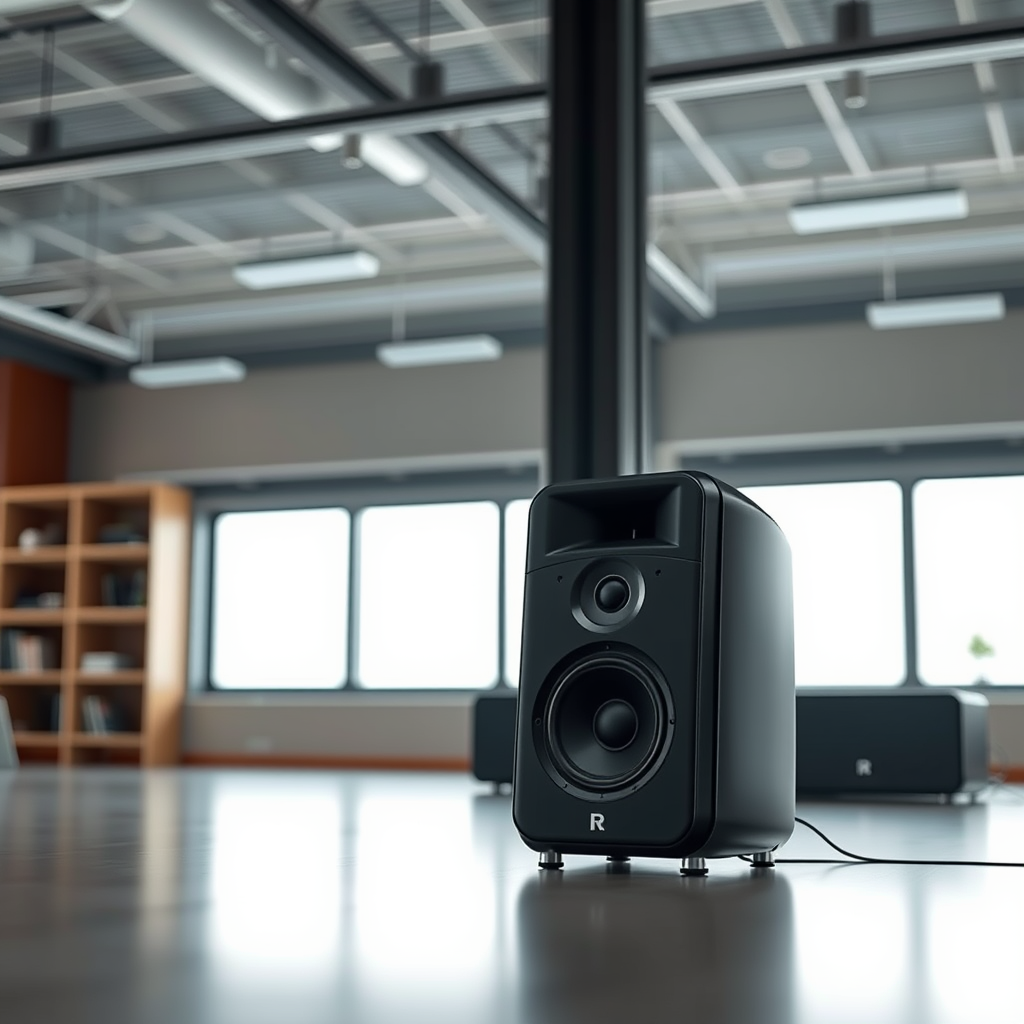
A R speakers are advanced audio devices that utilize augmented reality (AR) technology to create an immersive auditory environment. Unlike traditional audio systems that merely reproduce sound, A R speakers enhance audio experiences by contextualizing sound in relation to the listener’s environment. This is achieved through spatial audio technology, which allows sounds to be positioned in three-dimensional space, giving listeners the sensation that the sounds are occurring around them rather than coming from a single source.
At the core of A R speaker technology lies a combination of audio engineering, signal processing, and AR software. By interpreting environmental data—like room acoustics, listener position, and external sounds—these speakers can dynamically adjust audio output, creating a highly personalized listening experience.
Key Features of A R Speakers
A R speakers are equipped with several unique features that enhance their functionality:
– Immersive Audio Experiences: A R speakers create a 3D sound environment that adapts to the listener’s surroundings. This immersive technology allows listeners to experience sound in a way that feels more natural and intuitive.
– Integration with Smart Devices: A R speakers seamlessly connect with smart devices and AR applications, enabling interactive sound experiences. This integration allows users to control sound settings through voice commands or mobile apps, enhancing convenience and usability.
– Adaptive Sound Technology: These speakers can analyze the acoustics of a room and adjust sound output accordingly. For example, they may enhance bass in a large space or optimize clarity in smaller rooms.
– Multi-User Experiences: Many A R speakers support multiple users, each receiving a tailored audio experience based on their position within the listening space. This feature is particularly beneficial for shared environments, such as living rooms or conference rooms.
Benefits of Using A R Speakers
The benefits of A R speakers are substantial, appealing to both casual listeners and professionals:
– Enhanced User Engagement: By providing personalized audio experiences, A R speakers significantly increase user engagement. Listeners are not just passive recipients of sound; they become active participants in their audio environment.
– Versatile Applications: A R speakers are versatile in their applications. In gaming, they can create a more immersive gameplay experience by enhancing directional sound cues. In educational settings, they can help illustrate complex concepts through spatial audio. In professional environments, they can facilitate clearer communication during virtual meetings by enhancing speech intelligibility.
– Improved Collaboration: In professional settings, A R speakers can enhance collaboration by allowing teams to share audio experiences in real-time, making discussions more effective and engaging.
Popular A R Speaker Models
Several brands have emerged as leaders in the A R speaker market, each offering unique models with varying features. Here’s a comparison of some popular A R speakers:
Top A R Speakers Compared (2024)
| # | Model | Price | Features | User Rating |
|---|---|---|---|---|
| 1 | Bose AR Speaker | $299 | Spatial Audio, Voice Control | ★★★★☆ |
| 2 | Sonos One | $199 | Multi-Room Audio, Smart Assistant | ★★★★★ |
| 3 | JBL Link Portable | $149 | Water Resistant, Voice Control | ★★★★☆ |
| 4 | Apple HomePod Mini | $99 | Siri Integration, Compact Design | ★★★★☆ |
| 5 | Amazon Echo Studio | $199 | High-Res Audio, 3D Sound | ★★★★★ |
| 6 | Sony SRS-RA5000 | $499 | 360 Reality Audio, Wi-Fi Streaming | ★★★★☆ |
| 7 | Bang & Olufsen Beosound 1 | $899 | Premium Design, Adaptive Sound | ★★★★★ |
How to Choose the Right A R Speaker
When selecting an A R speaker, several factors should be considered to ensure the best fit for your needs:
– Sound Quality: Look for speakers that offer high-fidelity sound reproduction, with clear highs and deep lows. Reading user reviews and testing products in-store can provide insight into their audio performance.
– Compatibility: Ensure the A R speaker is compatible with your existing smart devices and AR applications. Check for Bluetooth and Wi-Fi connectivity options, as well as compatibility with popular smart assistants.
– Design and Aesthetics: Since A R speakers often serve as both functional devices and decorative elements, consider their design. Choose a speaker that complements your space while providing the features you need.
– Intended Use: Think about how you plan to use the A R speaker. If it’s primarily for gaming or immersive media, prioritize models with superior spatial audio capabilities. For professional use, look for features that enhance clarity during calls and presentations.
Setting Up A R Speakers
Setting up A R speakers is typically a straightforward process. Here’s a step-by-step guide:
1. Unbox and Inspect: Remove the speaker from its packaging and ensure all components are included. Check for any visible damage.
2. Placement: Decide on the optimal location for your speaker. Consider factors such as room acoustics and the position of the listener. Placing the speaker at ear level often yields the best sound quality.
3. Connect to Power: Plug the speaker into a power outlet. Some models may have battery options, allowing for wireless use.
4. Download the App: Most A R speakers come with a companion app. Download it on your smartphone or tablet to access features and settings.
5. Pair with Devices: Follow the app instructions to connect the speaker to your smart devices via Bluetooth or Wi-Fi.
6. Calibrate and Customize: Use the app to calibrate audio settings based on your environment. Some apps provide automatic calibration features that optimize sound quality.
7. Experiment with Settings: Explore different audio modes and settings to find the configuration that best suits your preferences.
8. Regular Updates: Keep the speaker’s firmware updated through the app to ensure optimal performance and access to new features.
Future Trends in A R Speaker Technology
The future of A R speaker technology looks promising, with several trends expected to shape the industry:
– Advancements in Audio Quality: Continued improvements in audio processing algorithms will enhance sound fidelity, making it even more realistic and immersive.
– Greater Integration with AI: Future A R speakers may incorporate more artificial intelligence features, allowing for personalized sound experiences that adapt in real-time to user preferences and environments.
– Expanded Applications: As augmented reality technology evolves, A R speakers will likely find more applications in various industries, including healthcare, education, and entertainment, enhancing the way users interact with audio content.
– Sustainability Trends: With a growing emphasis on sustainability, manufacturers may focus on eco-friendly materials and energy-efficient technologies in their speaker designs.
In summary, A R speakers represent a significant advancement in audio technology, offering immersive and interactive experiences that redefine how we perceive sound. Whether you’re considering an upgrade for entertainment or professional use, understanding their features and benefits will help you make an informed decision. Explore your options and enhance your audio experience today!
Frequently Asked Questions
What are A R speakers and how do they work?
A R speakers, or augmented reality speakers, are audio devices designed to enhance the listening experience by integrating digital sound with the real world. They utilize advanced technology to create spatial audio effects, allowing users to perceive sound directionality and depth, thereby enriching multimedia experiences like gaming or immersive storytelling.
How do I choose the best A R speakers for my needs?
To select the best A R speakers, consider factors such as sound quality, compatibility with your devices, and the specific features you need, like voice control or wireless connectivity. Additionally, reading reviews and testing sound performance in-store can help ensure you find a speaker that meets your audio preferences and budget.
Why are A R speakers becoming popular in home entertainment systems?
A R speakers are gaining popularity in home entertainment due to their ability to provide an immersive audio experience that traditional speakers often lack. They enhance movies, music, and gaming by creating a three-dimensional sound environment, making viewers feel like they are part of the action, which greatly enhances overall enjoyment.
Which brands offer the best A R speakers on the market?
Some of the top brands offering high-quality A R speakers include Bose, Sonos, and Apple. Each brand provides unique features and sound profiles, so it’s advisable to compare models based on your specific requirements, such as compatibility with other devices and the quality of augmented sound technology.
How can I set up A R speakers in my home?
Setting up A R speakers in your home typically involves connecting them to your Wi-Fi network and pairing them with your devices, such as smartphones or smart TVs. Follow the manufacturer’s instructions for installation, and consider using an app to fine-tune audio settings for the best augmented reality experience in your space.
References
- https://en.wikipedia.org/wiki/Audiovisual_speaker
https://en.wikipedia.org/wiki/Audiovisual_speaker - https://www.ncbi.nlm.nih.gov/pmc/articles/PMC7751235/
https://www.ncbi.nlm.nih.gov/pmc/articles/PMC7751235/ - Google Scholar Google Scholar
https://scholar.google.com/scholar?q=a+r+speakers - https://www.sciencedirect.com/topics/engineering/audio-speakers
https://www.sciencedirect.com/topics/engineering/audio-speakers - Loudspeaker | Definition, Types, & Facts | Britannica
https://www.britannica.com/technology/loudspeaker - https://www.nature.com/articles/s41598-020-72526-5
https://www.nature.com/articles/s41598-020-72526-5 - https://www.cdc.gov/nceh/lead/lead_in_air.htm
https://www.cdc.gov/nceh/lead/lead_in_air.htm - https://pubmed.ncbi.nlm.nih.gov/32699277/
https://pubmed.ncbi.nlm.nih.gov/32699277/ - Google Scholar Google Scholar
https://scholar.google.com/scholar?q=loudspeaker+technology - Detail
https://www.who.int/news-room/fact-sheets/detail/noise
