
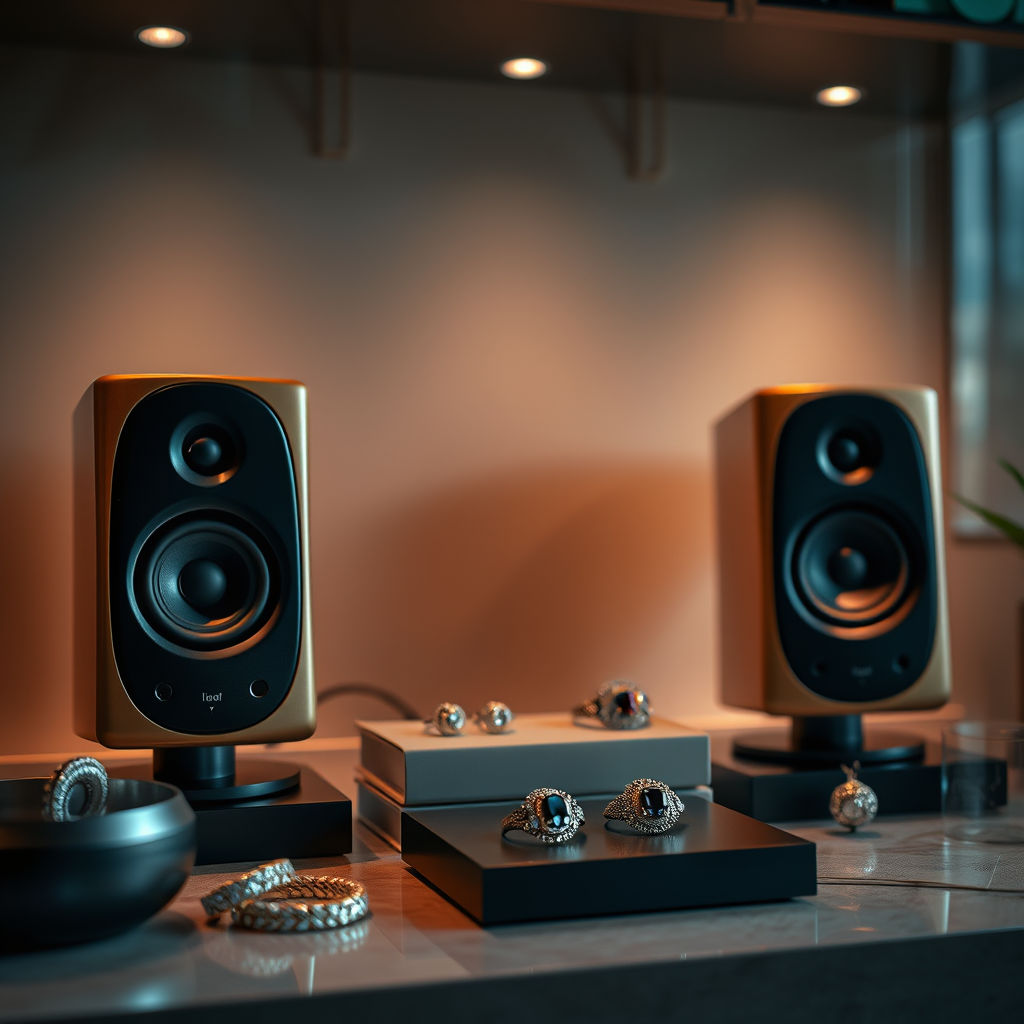

Bookshelf speakers are compact audio devices designed to deliver high-quality sound in smaller spaces. They offer a balance between performance and size, making them ideal for home audio systems, studios, and casual listening. With the right bookshelf speakers, you can enjoy rich, immersive audio without sacrificing valuable floor space. In this article, you will learn about the features, benefits, and considerations of bookshelf speakers to help you choose the right ones for your needs.
Understanding Bookshelf Speakers
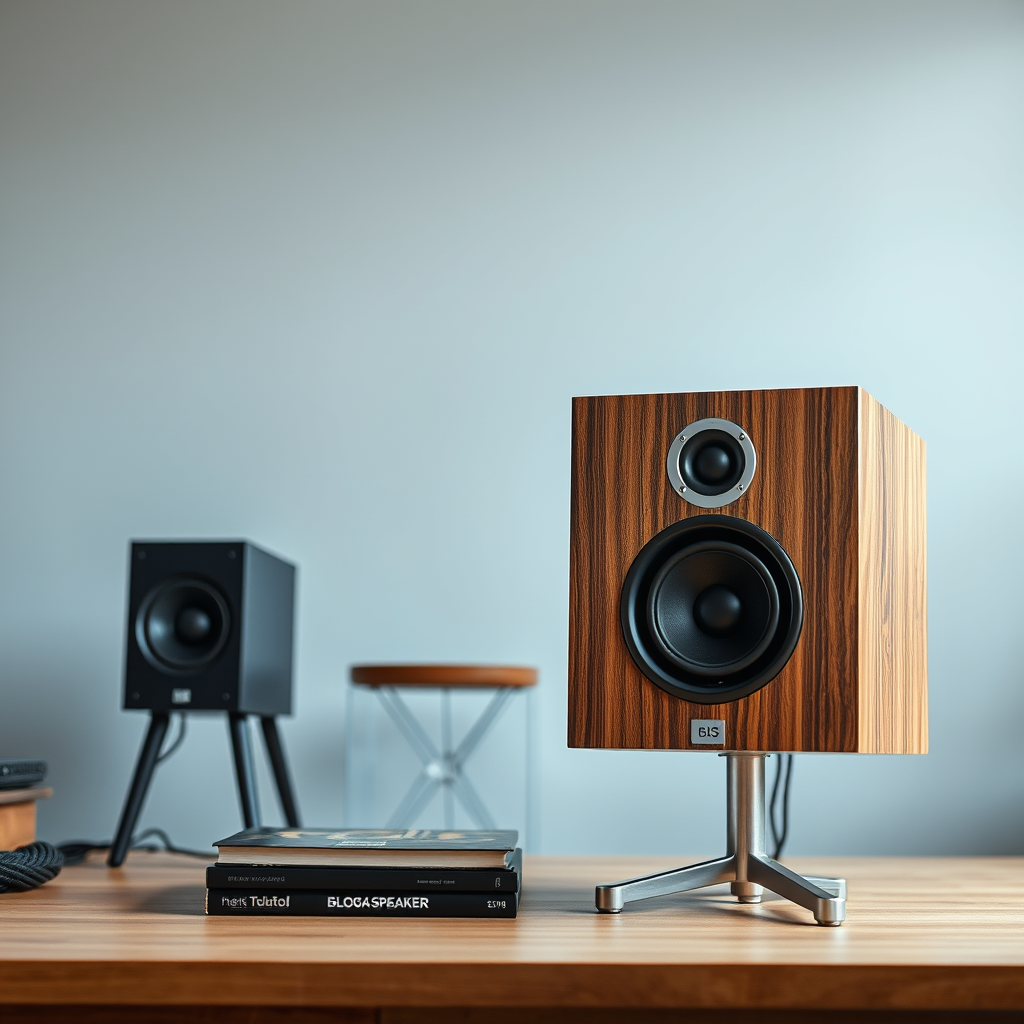
Definition: Bookshelf speakers are specifically designed to fit on shelves or stands, providing excellent sound quality without the bulk of larger floor-standing models. They are versatile and can be used in a variety of settings, from small apartments to dedicated audio setups.
Size and Design: These speakers are generally smaller than traditional floor-standing speakers, making them an excellent choice for limited spaces. They come in various designs, including sleek modern looks to classic wood finishes, allowing them to blend seamlessly with your home decor. Many bookshelf speakers are designed to be aesthetically pleasing, which can enhance your living space while providing exceptional audio performance.
Key Features of Bookshelf Speakers
Sound Quality: Bookshelf speakers are equipped with various drivers, typically consisting of woofers and tweeters. Woofers handle lower frequencies, while tweeters manage higher frequencies. This combination allows bookshelf speakers to reproduce a wide range of sounds, from deep bass to crisp treble. The quality of these drivers significantly affects the overall sound reproduction capabilities, making it essential to consider the materials and technologies used in the speaker’s construction.
Frequency Response: The frequency range of a speaker impacts its audio clarity and depth. Generally, a wider frequency response indicates better sound quality, as it can accurately reproduce different tones. Most bookshelf speakers cover a frequency range of 50 Hz to 20 kHz or more, allowing for a rich listening experience across various music genres, movies, and gaming applications. Understanding these specifications can help you assess whether a speaker will meet your specific audio needs.
Benefits of Using Bookshelf Speakers
Space Saving: One of the primary advantages of bookshelf speakers is their compact size. They are ideal for small rooms or limited spaces, providing great audio performance without overwhelming your environment. Whether you live in a studio apartment or simply want to minimize clutter in your living room, bookshelf speakers can deliver excellent sound without taking up too much space.
Versatility: Bookshelf speakers are not just for music listening; they can also be used in home theater setups, gaming systems, or as part of a professional studio environment. Their versatility makes them suitable for a wide range of audio applications, allowing you to enjoy high-quality sound in various contexts. Additionally, many models come with features like Bluetooth connectivity, making it easy to play music from your smartphone or other devices.
Top 7 Bookshelf Speakers in 2023
| # | Model | Frequency Response | Power Handling | Sensitivity | Price |
|---|---|---|---|---|---|
| 1 | KEF Q150 | 51 Hz – 28 kHz | 100 W | 87 dB | $599 |
| 2 | Bowers & Wilkins 607 | 52 Hz – 28 kHz | 100 W | 88 dB | $649 |
| 3 | Elac Debut 2.0 B6.2 | 46 Hz – 35 kHz | 140 W | 87 dB | $349 |
| 4 | Dali Spektor 1 | 54 Hz – 26 kHz | 100 W | 85 dB | $499 |
| 5 | Klipsch R-41M | 70 Hz – 21 kHz | 75 W | 90 dB | $249 |
| 6 | Monitor Audio Bronze 2 | 50 Hz – 30 kHz | 100 W | 88 dB | $599 |
| 7 | Q Acoustics 3020i | 64 Hz – 30 kHz | 75 W | 88 dB | $399 |
How to Choose the Right Bookshelf Speakers
Consider Your Space: Before purchasing bookshelf speakers, evaluate the size of your room and the placement options available. Ideally, speakers should be positioned at ear level when seated, and there should be enough space around them to allow for optimal sound dispersion. Measure the dimensions of your room and consider factors like furniture placement and potential obstructions that could affect sound quality.
Budget: Bookshelf speakers come in a wide range of prices, from affordable entry-level models to high-end options. Setting a budget can help narrow down your choices. Generally, you can find quality bookshelf speakers in the range of $200 to $800. However, consider the value you get for your money—sometimes investing a little more can significantly enhance your audio experience.
Popular Brands and Models
Several well-known brands manufacture high-quality bookshelf speakers renowned for their performance and durability. Some popular brands include:
– KEF: Known for their innovative designs and exceptional audio quality, KEF’s Q series has garnered numerous awards.
– Bowers & Wilkins: This brand offers a range of speakers that combine style and superior sound, with their 607 model being particularly well-regarded.
– Elac: Renowned for their affordability and performance, the Debut 2.0 series is an excellent choice for budget-conscious audiophiles.
– Klipsch: With a rich history in audio engineering, Klipsch speakers are celebrated for their dynamic sound and efficiency.
Each of these brands offers various models tailored to different preferences and needs, ensuring that there is a suitable option for every audio enthusiast.
Installation and Setup Tips
Placement: For the best sound experience, consider placing bookshelf speakers on sturdy stands or shelves that allow for proper ear-level alignment. Avoid placing them in corners or too close to walls, as this can negatively impact the sound quality due to bass resonance. Experiment with speaker positioning to find the optimal arrangement that suits your listening environment.
Connecting to Other Devices: Integrating bookshelf speakers with amplifiers, receivers, or Bluetooth systems is usually straightforward. Most speakers will come with standard speaker wire terminals, and connecting to an amplifier or receiver typically involves matching the positive and negative terminals. For Bluetooth-enabled models, follow the manufacturer’s instructions to pair them with your devices seamlessly.
In addition, ensure that your audio source is of high quality to fully appreciate the capabilities of your bookshelf speakers. Using lossless audio formats can significantly enhance the listening experience.
In summary, bookshelf speakers are an excellent choice for those seeking quality audio in compact spaces. By understanding their features, benefits, and how to select the right model, you can enhance your listening experience significantly. Explore different options and consider your specific needs to find the perfect bookshelf speakers for your home or studio setup.
Frequently Asked Questions
What are bookshelf speakers and how do they work?
Bookshelf speakers are compact audio speakers designed to deliver high-quality sound while occupying minimal space. Typically placed on shelves or stands, they contain a woofer and tweeter that work together to produce a full range of audio frequencies, enhancing your music or movie experience.
How do I choose the best bookshelf speakers for my home?
To choose the best bookshelf speakers, consider factors such as room size, speaker sensitivity, and power handling. It’s essential to match the speakers with your audio source and amplifier for optimal performance, and listening tests can help you determine which speakers best fit your sound preferences.
Why are bookshelf speakers a good option for small spaces?
Bookshelf speakers are ideal for small spaces because of their compact design and efficient sound delivery. They provide high-quality audio without needing extensive floor space, making them perfect for apartments, dorm rooms, or cozy home offices, while still allowing for a rich listening experience.
Which brands offer the best bookshelf speakers in 2023?
Some of the best bookshelf speaker brands in 2023 include KEF, ELAC, and Audioengine. These brands are known for their exceptional sound quality, innovative designs, and durability, making them popular choices for both audiophiles and casual listeners seeking an upgrade in their audio systems.
How can I enhance the sound quality of my bookshelf speakers?
To enhance the sound quality of your bookshelf speakers, consider proper placement, such as ensuring they are at ear level and spaced adequately apart. Additionally, using quality speaker stands, incorporating acoustic treatments in your room, and pairing them with a good amplifier can significantly improve your listening experience.
References
- https://en.wikipedia.org/wiki/Speaker_(audio
https://en.wikipedia.org/wiki/Speaker_(audio - https://www.britannica.com/art/speaker-audio
https://www.britannica.com/art/speaker-audio - Google Scholar Google Scholar
https://scholar.google.com/scholar?q=bookshelf+speakers - https://www.sciencedirect.com/topics/engineering/bookshelf-speakers
https://www.sciencedirect.com/topics/engineering/bookshelf-speakers - https://www.ncbi.nlm.nih.gov/pmc/articles/PMC6985768/
https://www.ncbi.nlm.nih.gov/pmc/articles/PMC6985768/ - Google Scholar Google Scholar
https://scholar.google.com/scholar?q=bookshelf+speaker+design - https://www.reuters.com/article/technology-news-idUSKBN2A41B1
https://www.reuters.com/article/technology-news-idUSKBN2A41B1 - https://www.nytimes.com/2021/02/16/technology/personaltech/speakers-bluetooth.html
https://www.nytimes.com/2021/02/16/technology/personaltech/speakers-bluetooth.html - https://www.theguardian.com/music/2020/mar/11/the-best-bookshelf-speakers-for-your-home
https://www.theguardian.com/music/2020/mar/11/the-best-bookshelf-speakers-for-your-home - https://www.bbc.com/news/technology-51792841
https://www.bbc.com/news/technology-51792841
