
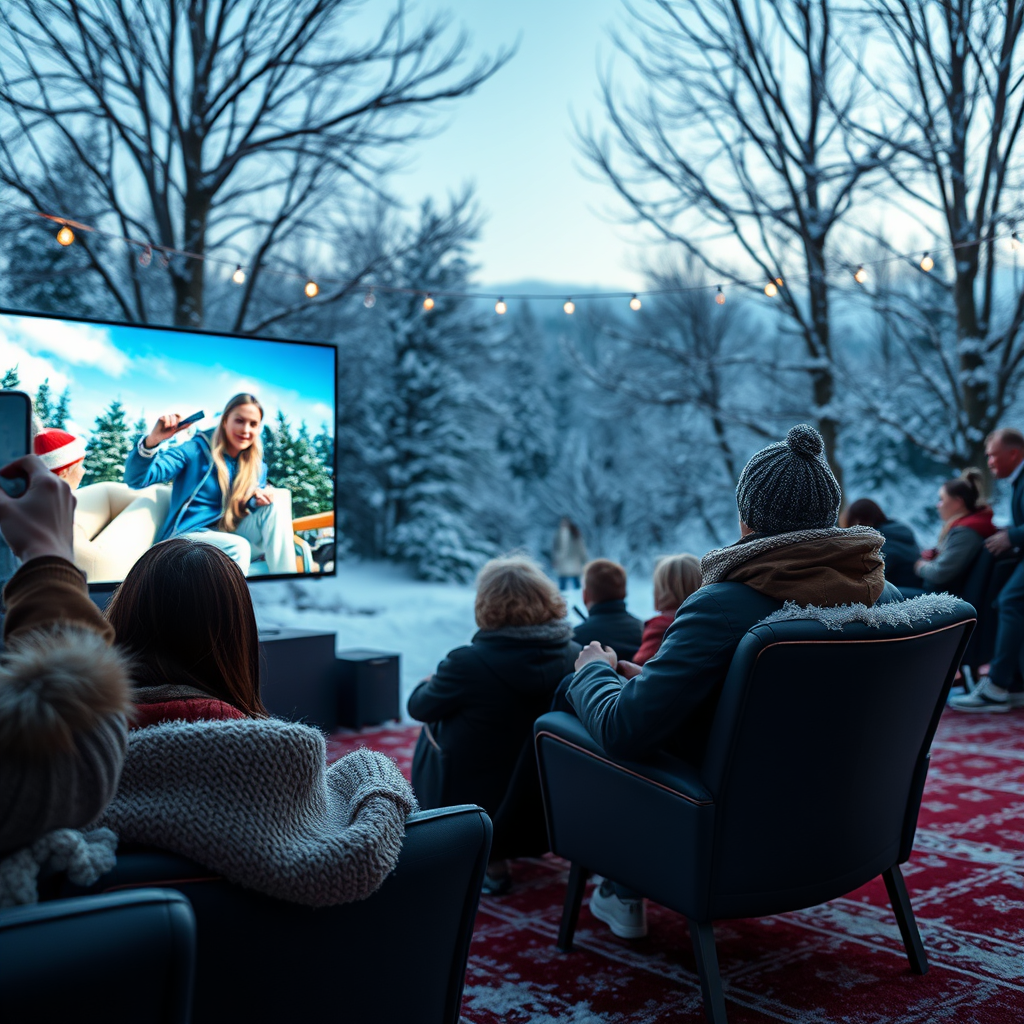

Leaving a TV outside in winter is generally not advisable. Cold temperatures, moisture, and snow can damage electronic components and reduce the lifespan of your television. This post will delve into the risks associated with exposing your TV to winter conditions, explore protective measures, and suggest alternatives to ensure your device remains in optimal condition.
Understanding the Risks of Cold Weather
Cold weather poses multiple threats to electronic devices, particularly TVs. One primary concern is that extreme cold can cause internal components to contract. This contraction may lead to malfunctions, such as display issues or complete failure, as the materials do not return to their original state once warmed up. Additionally, the cold can affect the solder joints on circuit boards, which may weaken over time, increasing the likelihood of failure.
It’s also important to consider that many TVs are not designed for outdoor temperatures. Unlike some outdoor electronics, standard TVs are not built with insulation to endure prolonged exposure to frigid conditions. As such, the risk of permanent damage due to cold is significant.
The Impact of Moisture and Snow
Moisture is another critical factor when considering leaving a TV outside. Rain, snow, and humidity can infiltrate the TV casing, causing electrical shorts or corrosion over time. When snow accumulates, it can not only weigh down the screen but also create a melting scenario where water seeps into the device. This can lead to severe electrical issues, including short-circuiting and permanent damage to internal components.
Condensation is another risk associated with fluctuating winter temperatures. As temperatures rise and fall, moisture can form inside the television, leading to rust and corrosion on circuit boards. Over time, this can compromise the integrity of the television, potentially leading to a complete failure.
Protecting Your TV: Best Practices
If you must leave your TV outside during the winter, implementing protective measures is essential:
– Use a Weatherproof Cover: Invest in a weatherproof cover specifically designed for electronics. These covers are designed to withstand moisture and temperature fluctuations, providing a layer of protection against the elements.
– Elevate the TV: Positioning your TV on a stand or shelf elevated off the ground can help prevent water from pooling underneath it. This is particularly important in snowy or rainy conditions, where ground moisture can seep into the unit.
– Store in a Sheltered Area: If possible, place the TV in a location that offers some protection from the wind and snow, such as a covered porch or a dedicated outdoor entertainment area.
– Disconnect Power: Ensure that any power sources are disconnected to prevent electrical shorts. This is a simple yet effective way to protect your device.
Alternatives to Leaving a TV Outside
For optimal longevity, consider bringing your TV indoors during the winter months. This approach allows you to avoid the risks associated with harsh winter conditions entirely. Here are some alternatives to consider:
– Indoor Storage: If you lack space in your living area, consider storing your TV in a garage or shed. These spaces can provide adequate protection against the elements while still allowing for occasional use.
– Temporary Relocation: If you enjoy outdoor viewing, consider relocating your TV to a more stable environment during winter. For instance, moving it to a sunroom or a heated garage can allow you to maintain access to your TV without exposing it to the weather.
– Invest in an Outdoor TV: If outdoor viewing is essential, consider investing in an outdoor-rated television. These models are specifically engineered to handle extreme weather conditions, including cold temperatures, humidity, and UV exposure.
Signs of Damage to Look Out For
After leaving a TV exposed to winter conditions, monitor for any signs of damage when you turn it back on:
– Unusual Sounds: Listen for any odd noises, such as buzzing or clicking, which may indicate internal issues.
– Screen Distortion: Check for display inconsistencies or flickering, which could signal that components have been affected.
– Condensation: Examine the screen and ports for any moisture buildup, which can lead to further electrical issues.
– Overheating: Pay attention to your TV’s temperature when powered on. If it overheats unexpectedly, this could be a sign of internal damage.
When to Seek Professional Help
If you suspect that your TV has sustained damage from winter exposure, it’s prudent to consult a professional technician for a thorough inspection. They can provide insights into the condition of your TV and recommend necessary repairs or replacements.
Additionally, check your warranty options. Some manufacturers have specific guidelines regarding outdoor usage, and if your TV is still covered, you may be eligible for repairs or replacements at no cost.
Top 7 Common Risks of Leaving a TV Outside in Winter
| # | Risk Factor | Description | Severity |
|---|---|---|---|
| 1 | Cold Temperature | Causes contraction of components | High |
| 2 | Moisture Infiltration | May lead to electrical shorts | High |
| 3 | Accumulated Snow | Can weigh down screens | Medium |
| 4 | Condensation | Risk of internal corrosion | High |
| 5 | Electrical Shorting | Can render TV unusable | High |
| 6 | Mechanical Damage | Physical impact from snow/ice | Medium |
| 7 | Electrical Component Failure | Risk from cold and moisture | High |
Leaving a TV outside in winter can lead to significant damage due to cold weather and moisture. It’s best to bring your TV indoors or protect it with proper coverings if you choose to leave it outside. By understanding the risks and taking necessary precautions, you can ensure your television remains functional for years to come.
Frequently Asked Questions
Can I leave a TV outside in the winter without damaging it?
Leaving a TV outside in the winter is not recommended, as extreme cold can cause internal components to contract and potentially lead to failure. Additionally, moisture from snow or rain can penetrate the device, leading to rust or electrical issues. If you must keep it outside, consider using a weatherproof enclosure specifically designed for TVs.
What are the risks of storing a TV outside during winter months?
The primary risks of storing a TV outside during winter include exposure to freezing temperatures, moisture, and snow accumulation. These conditions can damage the screen, affect the electronics, and shorten the lifespan of the television. It’s best to store it in a climate-controlled environment to protect it from these hazards.
How can I protect my outdoor TV during winter?
To protect your outdoor TV during winter, use a high-quality weatherproof cover designed for your specific model. Additionally, if possible, bring the TV indoors during harsh weather. If indoor storage isn’t an option, consider investing in a dedicated outdoor TV that is built to withstand winter conditions.
Why is it important to keep electronics like TVs inside during winter?
Keeping electronics like TVs inside during winter is important because they are not built to handle extreme temperatures and moisture. Exposure to cold can lead to condensation forming inside the device, which can cause electrical shorts and permanent damage. Protecting your electronics ensures they function properly and last longer.
Which outdoor TVs are best suited for winter weather?
The best outdoor TVs for winter weather are those that are specifically designed for outdoor use, featuring weatherproof enclosures and components resistant to extreme temperatures. Look for models with high IP ratings for moisture and dust resistance, such as the SunBrite or Séura outdoor TVs, which are engineered to perform well in cold climates.
References
- https://www.sciencedirect.com/topics/engineering/outdoor-electronics
https://www.sciencedirect.com/topics/engineering/outdoor-electronics - https://www.bbc.com/news/technology-56956815
https://www.bbc.com/news/technology-56956815 - https://www.nytimes.com/2021/01/15/technology/television-outdoor-winter.html
https://www.nytimes.com/2021/01/15/technology/television-outdoor-winter.html - https://www.mayoclinic.org/healthy-lifestyle/consumer-health/in-depth/what-to-know-about-your-outdoor-electronics-in-winter/art-20445406
https://www.mayoclinic.org/healthy-lifestyle/consumer-health/in-depth/what-to-know-about-your-outdoor-electronics-in-winter/art-20445406 - Google Scholar Google Scholar
https://scholar.google.com/scholar?q=can+i+leave+a+tv+outside+in+the+winter - Google Scholar Google Scholar
https://scholar.google.com/scholar?q=outdoor+electronics+winter+storage - Google Scholar Google Scholar
https://scholar.google.com/scholar?q=television+protection+outdoors+winter - can i leave a tv outside in the winter – Search results
https://en.wikipedia.org/wiki/Special:Search?search=can+i+leave+a+tv+outside+in+the+winter - https://www.ncbi.nlm.nih.gov/search/research-articles/?term=can+i+leave+a+tv+outside+in+the+winter
https://www.ncbi.nlm.nih.gov/search/research-articles/?term=can+i+leave+a+tv+outside+in+the+winter

[…] Outdoor TV / Weather-Ready Display […]