


Watching TV for extended periods can lead to eye strain and discomfort, but it does not cause permanent damage to your eyes. While many people enjoy binge-watching their favorite shows, it is crucial to understand the potential effects of prolonged screen time on eye health. This article will explore the effects of screen time on eye health, offer tips for reducing strain, and clarify common misconceptions about TV-watching and vision.
Understanding Eye Strain
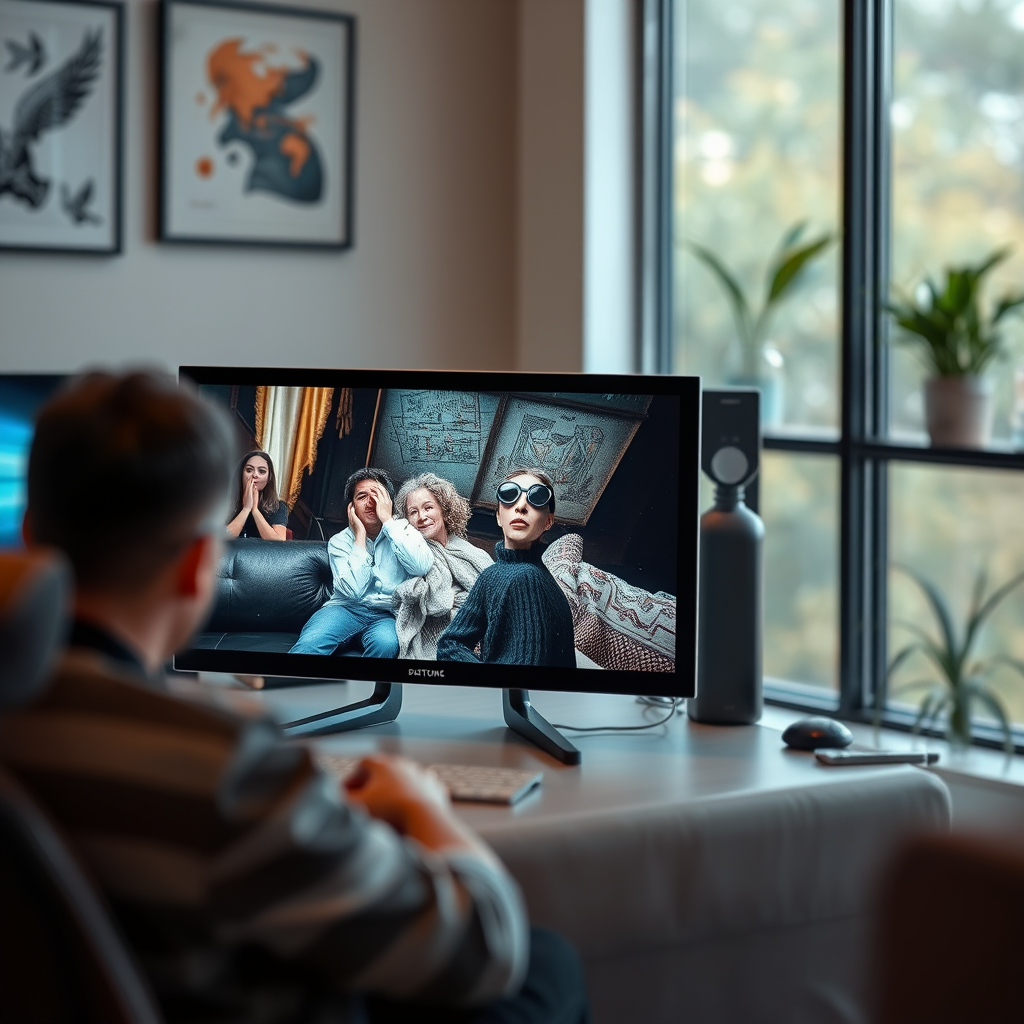
Eye strain, also known as asthenopia, is a common condition that occurs when you engage in activities that require prolonged visual attention, such as watching TV. Symptoms of eye strain can include dryness, fatigue, blurred vision, and headaches. These symptoms may arise from a combination of factors, including the distance between your eyes and the screen, the brightness of the screen, and the duration of viewing without breaks.
When watching TV, your eyes must work harder to focus on the images and adjust to changes in brightness and contrast. This constant adjustment can lead to discomfort, particularly if the viewing conditions are not optimal. Furthermore, many viewers tend to blink less frequently while absorbed in a program, which can exacerbate dryness and fatigue.
To mitigate eye strain, it is essential to create an environment conducive to comfortable viewing. This can involve adjusting the distance from the screen, ensuring proper lighting, and taking regular breaks.
The 20-20-20 Rule
To alleviate eye strain, health experts recommend following the 20-20-20 rule: every 20 minutes, look at something 20 feet away for at least 20 seconds. This simple yet effective method helps your eyes relax and reduces fatigue by shifting focus and allowing the eye muscles to rest.
Incorporating the 20-20-20 rule into your viewing routine can enhance comfort significantly. For example, during a commercial break or when transitioning between scenes, take a moment to gaze out a window or focus on an object across the room. This practice will help maintain your visual acuity and reduce the risk of developing chronic eye discomfort associated with excessive screen time.
Blue Light Exposure
Modern televisions emit blue light, a high-energy visible light that can disrupt sleep patterns and contribute to digital eye strain. Studies suggest that prolonged exposure to blue light may interfere with melatonin production, making it difficult for individuals to fall asleep. This is particularly concerning for those who watch TV before bedtime.
To minimize the effects of blue light, consider using blue light filters on your television or investing in specialized blue light glasses. These filters can help reduce glare and enhance visual comfort, particularly during evening viewing sessions. Additionally, it is advisable to limit screen time before bed to promote better sleep quality.
Impact of Screen Time on Eye Health (2023)
| # | Condition | Percentage of Viewers Affected | Recommended Solutions |
|---|---|---|---|
| 1 | Eye Strain | 60% | Regular breaks, 20-20-20 rule |
| 2 | Dry Eyes | 50% | Artificial tears, humidifiers |
| 3 | Headaches | 30% | Adjust screen brightness, take breaks |
| 4 | Blurred Vision | 25% | Eye exercises, regular eye check-ups |
| 5 | Difficulty Focusing | 20% | Frequent breaks, proper lighting |
| 6 | Fatigue | 40% | Regular activity breaks |
| 7 | Sleep Disruption | 35% | Limit screen time before bed |
Importance of Proper Lighting
Proper lighting is a critical factor in reducing eye strain while watching TV. A well-lit viewing area helps minimize glare on the screen and allows your eyes to adjust more comfortably. When the room is too dark, the contrast between the bright screen and the surrounding darkness can lead to increased strain.
To create an optimal viewing environment, consider using soft, ambient lighting that does not create harsh shadows or reflections on the screen. Avoid direct overhead lighting or bright lights that shine directly onto the screen. Instead, use lamps with adjustable brightness or dimmable features to control the lighting based on the time of day and your viewing preferences.
Additionally, consider placing your TV at eye level and maintaining a distance of approximately three times the screen size for comfortable viewing. This distance not only helps reduce strain but also enhances the overall viewing experience.
Frequency and Duration of Viewing
Long, uninterrupted TV sessions can exacerbate eye strain. It is essential to take regular breaks to rest your eyes and prevent discomfort. The frequency and duration of viewing also play a significant role in eye health.
Moderation is key; balancing screen time with other activities that do not involve screens can alleviate the risk of developing long-term problems. Engaging in outdoor activities, reading physical books, or simply spending time away from screens can provide your eyes with the necessary relief they need.
Consider setting a timer to remind yourself to take breaks every hour or so, allowing your eyes to rest and recharge. This practice can not only help reduce eye strain but also improve your overall viewing experience by keeping you engaged and refreshed.
When to Consult a Professional
If you experience persistent discomfort or changes in vision, it is crucial to consult an eye care professional. Regular eye exams can help detect any underlying issues early, allowing for timely intervention and treatment. Many eye conditions, such as dry eye syndrome or digital eye strain, can be managed effectively with the guidance of a qualified specialist.
Moreover, if you find yourself frequently relying on corrective lenses or experiencing headaches and fatigue after watching TV, it may be time to reassess your vision needs. An eye care professional can provide personalized recommendations based on your specific viewing habits and visual requirements.
In conclusion, watching TV in moderation is unlikely to cause permanent eye damage, but it can lead to temporary discomfort. By implementing simple practices like the 20-20-20 rule and ensuring proper viewing conditions, you can protect your eyes while enjoying your favorite shows. Remember to take breaks, maintain proper lighting, and consult a professional if you have ongoing concerns about your eye health. Prioritizing eye care will not only enhance your viewing experience but also contribute to your overall well-being.
Frequently Asked Questions
Can watching TV for long periods damage your eyes?
Yes, watching TV for extended periods can lead to eye strain and discomfort, commonly known as digital eye strain or computer vision syndrome. Symptoms may include dry eyes, blurred vision, and headaches. To mitigate these effects, it’s recommended to take regular breaks using the 20-20-20 rule: every 20 minutes, look at something 20 feet away for at least 20 seconds.
How can I reduce eye strain while watching TV?
To reduce eye strain while watching TV, ensure you maintain an appropriate distance from the screen, ideally 5 to 7 times the height of the screen. Additionally, adjust the room lighting to minimize glare, and use blue light filters if you watch TV late at night. Regular breaks and practicing good eye health habits can also help alleviate discomfort.
Why do my eyes hurt after watching TV?
Eye discomfort after watching TV can result from prolonged focus on the screen, leading to eye strain and reduced blinking. Factors such as poor lighting, screen glare, and the blue light emitted by screens can exacerbate these symptoms. Maintaining proper viewing distance and taking breaks can help alleviate the pain.
What are the best practices for watching TV to protect my eyes?
The best practices for protecting your eyes while watching TV include sitting at a comfortable distance from the screen, ensuring proper room lighting, and taking frequent breaks. Adjusting your screen settings to reduce brightness and using anti-reflective glasses can also help. Additionally, staying hydrated and blinking frequently can prevent dry eyes.
Which types of television screens are less likely to cause eye strain?
OLED and LED screens are generally considered less likely to cause eye strain compared to older CRT screens due to their better contrast ratios and brightness control. Additionally, screens with low blue light emissions can help reduce eye fatigue. When purchasing a TV, look for models that come with blue light reduction features and high refresh rates for optimal comfort.
References
- https://www.mayoclinic.org/healthy-lifestyle/adult-health/expert-answers/does-watching-tv-damage-your-eyes/faq-20057782
https://www.mayoclinic.org/healthy-lifestyle/adult-health/expert-answers/does-watching-tv-damage-your-eyes/faq-20057782 - https://www.ncbi.nlm.nih.gov/pmc/articles/PMC4046948/
https://www.ncbi.nlm.nih.gov/pmc/articles/PMC4046948/ - https://www.aao.org/eye-health/tips-prevention/eye-strain
https://www.aao.org/eye-health/tips-prevention/eye-strain - https://www.cdc.gov/visionhealth/resources/features/eye-health.html
https://www.cdc.gov/visionhealth/resources/features/eye-health.html - https://www.who.int/news-room/questions-and-answers/item/eye-health
https://www.who.int/news-room/questions-and-answers/item/eye-health - https://www.ncbi.nlm.nih.gov/pmc/articles/PMC5642186/
https://www.ncbi.nlm.nih.gov/pmc/articles/PMC5642186/ - https://www.sciencedirect.com/science/article/pii/S2352864817300025
https://www.sciencedirect.com/science/article/pii/S2352864817300025 - https://www.britannica.com/science/eye-health
https://www.britannica.com/science/eye-health - Google Scholar Google Scholar
https://scholar.google.com/scholar?q=can+watching+tv+damage+your+eyes - Google Scholar Google Scholar
https://scholar.google.com/scholar?q=effects+of+screen+time+on+eye+health

[…] too close to the TV can cause temporary eye strain—think dryness, focusing difficulty, and occasional headaches—but it rarely causes permanent […]
[…] far should you sit from TV for the best picture without eye strain? The ideal viewing distance depends on your TV size, with a clear rule of thumb that most rooms can […]
[…] about 1.5 to 2.5 times your screen’s diagonal from the TV for the best balance of readability and eye strain. This distance keeps text sharp, reduces glare-related fatigue, and helps you avoid leaning in or […]
[…] far should you sit from your TV for the best picture and least eye strain? For most rooms, the ideal viewing distance is about 1.5 to 2.5 times your TV’s screen size […]
[…] and what I’ve measured in real living-room setups, this range typically minimizes blur, reduces eye strain from constant refocusing, and keeps the TV at an ergonomic viewing […]
[…] rooms, the sweet spot is about 6.5 to 7.5 feet from the screen, giving you sharp detail without eye strain. If you want, the optimal range shifts slightly based on whether you’re watching standard HD or […]
[…] (keystone control, lens shift, and geometry) reduces stereo mismatch, which is a common cause of eye strain. Wireless glasses syncing can be convenient, but range and interference can affect consistency in […]
[…] hygiene, reducing squinting and optimizing viewing conditions helps lessen symptoms that resemble eye strain American Optometric Association (AOA). In practical terms, screen distance and distance-from-screen […]
[…] too small. When the screen is big enough, you can view calculator output with less zooming and less eye strain. A TV that’s properly sized for your space helps you keep up with quick calculations and reduces […]
[…] should align with both screen size and content resolution to preserve detail without causing eye strain.” “At roughly 8 feet, a 55–65 inch class TV typically lands in a practical field-of-view […]
[…] or incorrect screen-plane assumptions. Using a comfortable viewing angle typically reduces eye strain risk during longer […]
[…] distance determines how much of the content you can comfortably see without eye strain or constant head movement. If the TV is too large for the room, text and fast motion can feel […]
[…] The key is ensuring you can comfortably take in the whole screen without excessive head turning or eye strain. If you’re unsure between sizes, going toward 75 inches with 4K resolution is often the safest […]
[…] If you want maximum immersion, drop closer, but once you’re under roughly 1.0× the screen size, eye strain and pixel visibility usually […]
[…] diagonal. Sit at the lower end if you want immersion, or at the higher end if you’re sensitive to eye strain or you watch a lot of bright, text-heavy […]
[…] my setup comparisons, switching a fixture from a cool-white tone to a more neutral tone reduced eye strain for long sessions in a garage—without changing the fixture’s lumens rating. That aligns with […]
[…] Even if the light is technically “correct,” the lack of shielding and a wide beam can cause eye strain or wash out detail on surfaces. If you’re using 16,000 lumens indoors, consider a controlled […]
[…] How do I know if 2250 lumens is too high?If it causes glare or you feel eye strain right after turning it on, reduce exposure with a diffusing fixture or use dimming […]
[…] eyes close enough to make text and details readable while keeping the screen far enough to avoid eye strain—typically around arm’s length for screens used at standing or desk height. This article […]
[…] distance works by setting a comfortable viewing angle and minimizing eye strain, glare, and focusing effort. The key rule is to place your screen far enough that you can read […]