
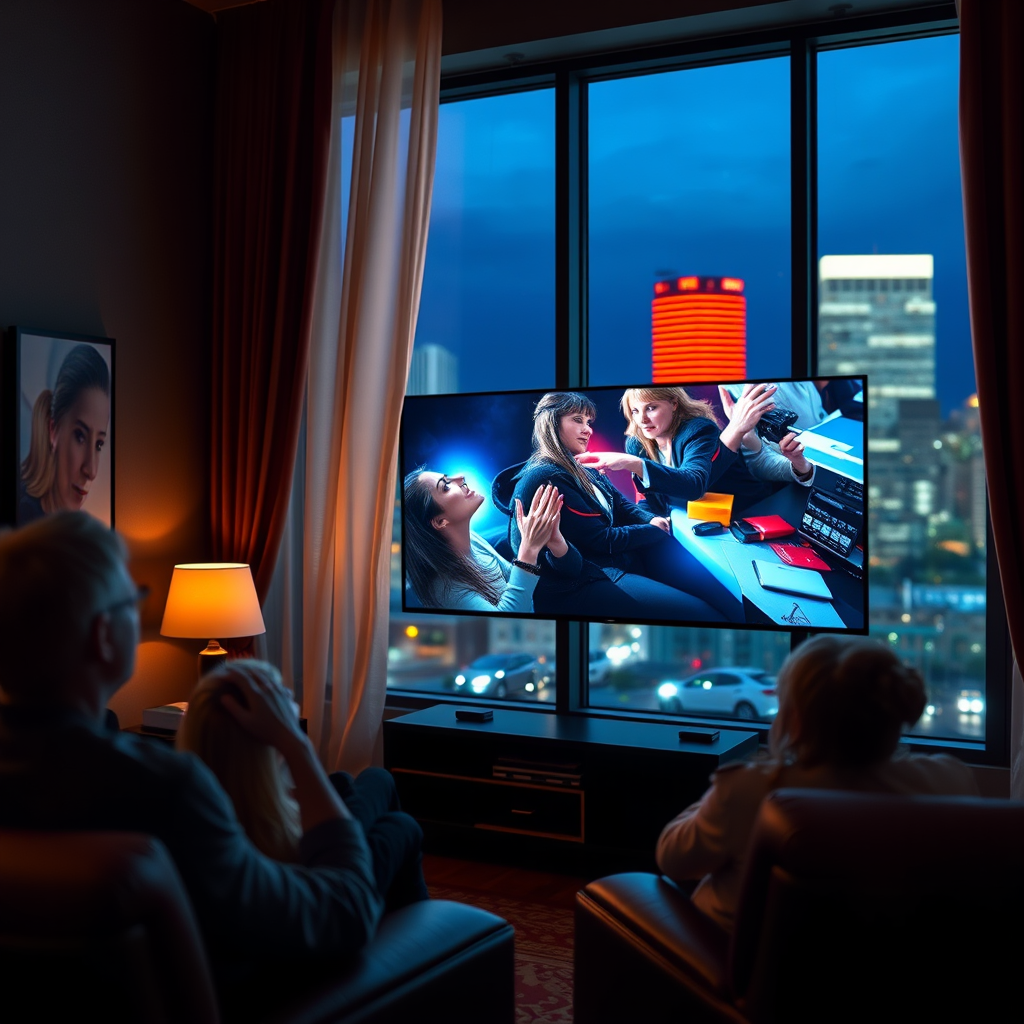

While placing a TV in front of a window is technically possible, it may not be the best choice for your viewing experience or room aesthetics. Factors such as light glare, space planning, and the overall design of your room must be considered to ensure a functional and visually appealing setup. This article will explore these elements in detail, providing you with the insights needed to make an informed decision about your TV placement.
Assessing Light and Glare
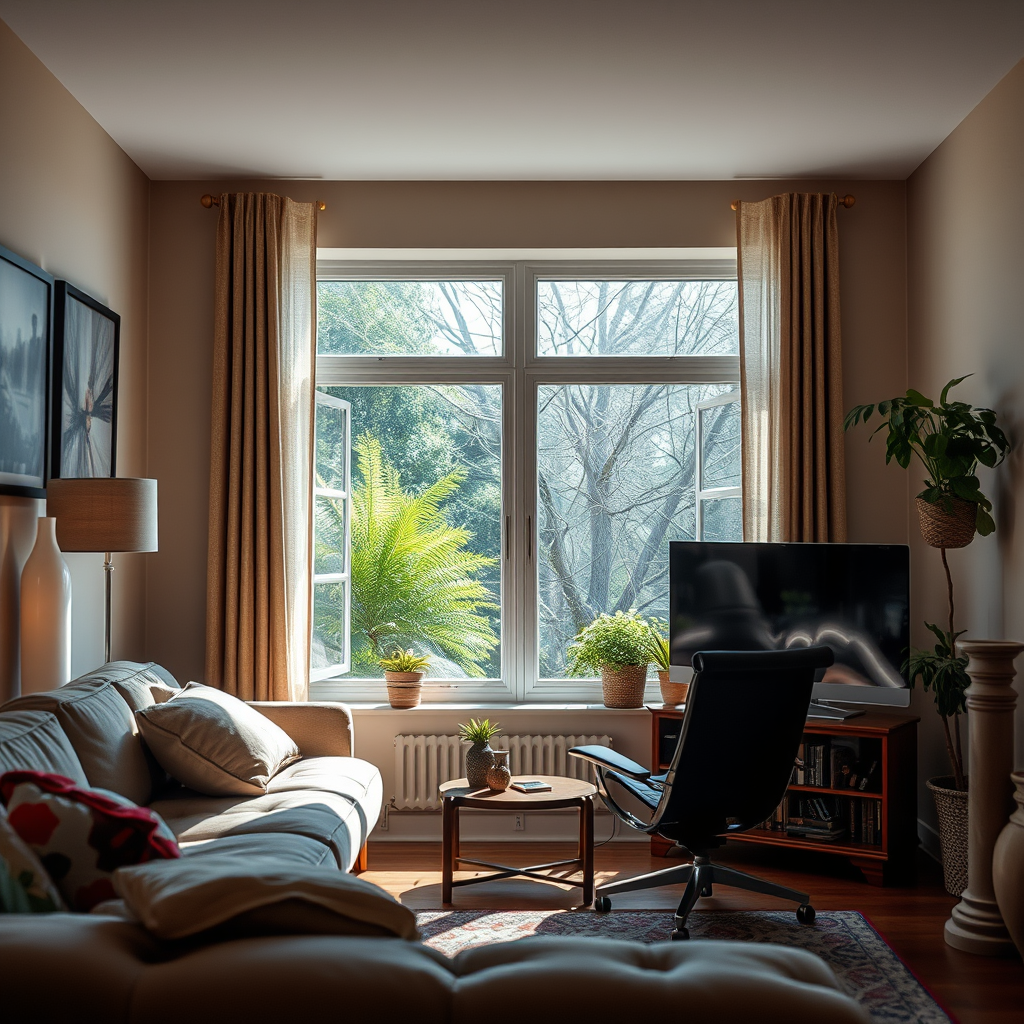
Natural light can create significant glare on a TV screen, which can severely hinder your viewing experience. When sunlight directly hits the screen, it can wash out colors and reduce contrast, making it difficult to enjoy your favorite shows or movies. To assess the potential for glare, consider the direction your window faces; south-facing windows tend to receive the most sunlight throughout the day, while north-facing ones receive softer, indirect light. Additionally, the time of day plays a crucial role. For instance, if the sun streams through your window during the early morning or late afternoon, it may create substantial glare on your screen.
To mitigate this issue, observe how light interacts with your TV at different times of the day. You might find that certain angles or placements reduce glare significantly. If glare is unavoidable, it may be worth exploring solutions to control light in your space.
Impact on Room Aesthetics
A TV in front of a window can obstruct views and limit the flow of natural light into your room. This can detract from the overall design and feel of your space. A well-placed window usually serves as a focal point, inviting the outdoors in, while a TV can dominate the visual landscape of a room. It’s essential to consider how this arrangement affects the ambiance and functionality of your living area.
When planning your layout, think about how to maintain a balance between technology and nature. You might want to explore ways to incorporate the TV into your room’s design rather than letting it disrupt the view. For example, a well-designed media console can help blend the TV into the overall aesthetic while still allowing you to enjoy the window’s view.
Space Planning Considerations
Evaluating available space is crucial when deciding whether to place a TV in front of a window. Ensure that the TV fits comfortably without overcrowding the area. Consider the layout of your room and the distance between the TV and seating arrangements. The ideal viewing distance typically ranges from 1.5 to 2.5 times the diagonal size of the TV screen. For instance, if you have a 55-inch TV, your seating should be about 6.5 to 11.5 feet away for optimal viewing.
Moreover, it’s important to think about the angle from which you will be watching the TV. Placing it directly in front of a window may lead to awkward viewing angles. A slight tilt or rotation can help improve visibility and comfort. Carefully planning the space will enhance both functionality and aesthetics, ensuring that your room feels inviting and well-organized.
Impact of Different Window Types on TV Viewing Experience
| # | Window Type | Sunlight Exposure | Potential Glare Level | Viewing Recommendation |
|---|---|---|---|---|
| 1 | South-Facing | High | Very High | Avoid |
| 2 | East-Facing | Moderate | High | Use blinds |
| 3 | West-Facing | Moderate | Medium | Consider location |
| 4 | North-Facing | Low | Low | Ideal |
| 5 | Skylights | High | Very High | Avoid |
| 6 | Bay Windows | Moderate | Medium | Use curtains |
| 7 | Double-Glazed | Low | Low | Ideal |
Solutions for Glare and Visibility
If you decide to position your TV in front of a window, there are several solutions to manage glare and enhance visibility. One effective method is to use curtains or blinds that can be adjusted based on the time of day. This allows you to control the amount of natural light entering the room, minimizing glare during peak sunlight hours.
Another option is to invest in anti-glare screen protectors, which can help reduce reflections and improve the clarity of your viewing experience. These protective films can significantly enhance your TV’s performance in brightly lit rooms. Additionally, consider the color and finish of your walls and furniture, as lighter colors tend to reflect more light, potentially exacerbating glare.
In summary, a combination of window treatments and screen protectors, along with thoughtful interior design choices, can provide a practical solution to the glare problem when placing a TV in front of a window.
Alternative TV Placement Ideas
Exploring alternative locations for your TV can lead to a more aesthetically pleasing and functional arrangement. Instead of placing it directly in front of a window, consider positioning the TV on a side wall where it can be viewed comfortably without competing with natural light. This allows you to keep the window unobstructed, maximizing both the view and the ambient light in the room.
Another option is to create a dedicated media center or entertainment wall that incorporates the TV with shelving or cabinetry. These designs can enhance the room’s overall style while providing storage for accessories and entertainment systems. Using furniture pieces such as stylish TV stands can also create a focal point in the room that does not block windows, ensuring a harmonious balance between your TV setup and the natural environment.
Pros and Cons of TV Placement in Front of a Window
When considering placing your TV in front of a window, it’s important to weigh the pros and cons. Here is a concise overview:
| Pros | Cons |
|—————————————|——————————————-|
| Maximizes available wall space | Increased risk of glare |
| Convenient for viewing from different angles | Obstructs views of the outdoors |
| Can create an engaging focal point | May require additional window treatments |
| Enhanced functionality for small spaces| Potentially awkward viewing angles |
Creating a list of benefits and drawbacks specific to your space can help visualize your options and inform your decision. Ultimately, the best setup will depend on your individual preferences, room layout, and lifestyle.
In conclusion, placing a TV in front of a window can be practical, but it may pose challenges such as glare and obstructed views. By considering solutions to mitigate these issues and exploring alternative placements, you can achieve an optimal viewing experience that harmonizes with your room’s design. For further guidance, consulting an interior design professional may provide valuable insights tailored to your specific needs and preferences.
Frequently Asked Questions
Can I put my TV in front of a window without damaging it?
Yes, you can place your TV in front of a window, but there are some precautions to consider. Direct sunlight can cause glare on the screen and potentially damage the TV over time. Using window treatments like shades or curtains can help mitigate glare and protect your TV from UV rays.
How does placing a TV in front of a window affect viewing experience?
Placing a TV in front of a window can negatively impact the viewing experience due to glare from sunlight. This can make it difficult to see the screen clearly, especially during the day. To enhance the viewing experience, consider positioning the TV at an angle or using anti-glare screens to reduce reflections.
Why should I avoid putting a TV in front of a window?
Avoiding placing a TV in front of a window is advisable primarily due to potential glare and the risk of heat exposure. Direct sunlight can create distracting reflections on the screen and may also lead to overheating, which can shorten the lifespan of your television.
What are the best options for window treatments to use if my TV is in front of a window?
The best options for window treatments when your TV is in front of a window include blackout curtains, solar shades, or wooden blinds. These treatments can effectively block out sunlight and reduce glare while still allowing you to control the amount of natural light in the room, enhancing your overall viewing experience.
Which TV placement is better: against a wall or in front of a window?
Generally, placing a TV against a wall is a better option than in front of a window. A wall-mounted TV minimizes glare and allows for more flexibility in room layout, while also protecting the TV from potential damage caused by sunlight. If you must place it in front of a window, be sure to use proper window treatments to improve visibility.
References
- https://www.britannica.com/topic/television
https://www.britannica.com/topic/television - https://www.sciencedirect.com/topics/engineering/television
https://www.sciencedirect.com/topics/engineering/television - https://www.nytimes.com/2020/10/01/realestate/tv-placement.html
https://www.nytimes.com/2020/10/01/realestate/tv-placement.html - https://www.reuters.com/lifestyle/home-and-garden/where-should-you-place-your-tv-2021-01-13/
https://www.reuters.com/lifestyle/home-and-garden/where-should-you-place-your-tv-2021-01-13/ - webuser_738944936’s ideas – an Ideabook by Kristen Malone
https://www.houzz.com/magazine/10-tips-for-hanging-a-tv-over-the-fireplace-stsetivw-vs~117845840 - Google Scholar Google Scholar
https://scholar.google.com/scholar?q=placing+tv+in+front+of+window - Google Scholar Google Scholar
https://scholar.google.com/scholar?q=home+interior+design+TV+placement - Google Scholar Google Scholar
https://scholar.google.com/scholar?q=effects+of+light+on+television+viewing - Physical activity
https://www.who.int/news-room/fact-sheets/detail/physical-activity - https://www.ncbi.nlm.nih.gov/pmc/articles/PMC6461401/
https://www.ncbi.nlm.nih.gov/pmc/articles/PMC6461401/

[…] perfectly, but try to stay near the main viewing axis to avoid awkward viewing angles. Large side angles can make the picture feel less comfortable even at the correct […]