


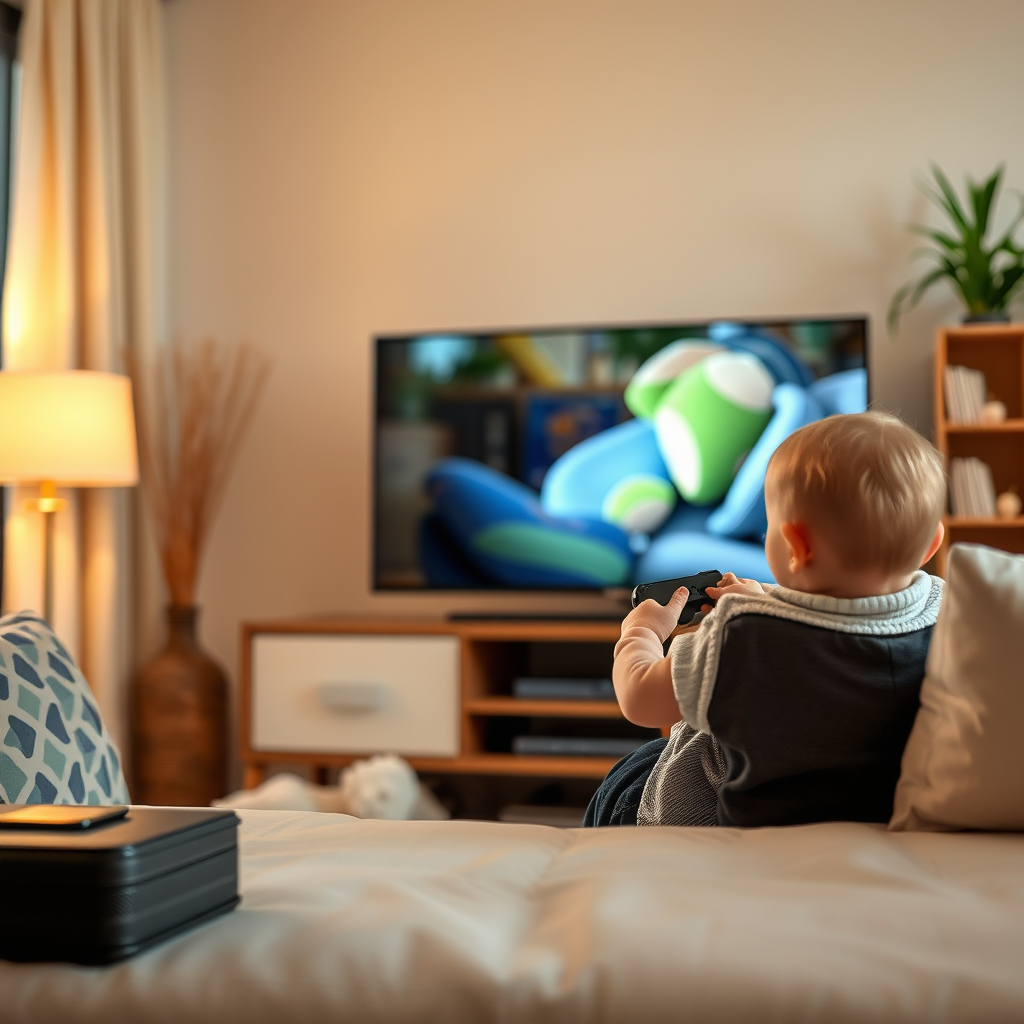
Most experts recommend that babies under 18 months should avoid screen time, including TV, as it can interfere with their development. While a 3-month-old may be drawn to bright colors and moving images, watching TV is not beneficial for their growth or learning. In this article, we’ll explore the reasons behind this recommendation, the impact of screen time on infants, and alternatives to consider.
Understanding Infant Development
Infants are in a critical stage of brain development, where interaction and sensory experiences are vital. During the first few months of life, a baby’s brain undergoes rapid growth, establishing crucial neural pathways. This period is characterized by a strong need for physical interactions and sensory stimulation from their environment and caregivers. Engaging with caregivers through face-to-face interaction, physical touch, and vocal communication plays a significant role in a child’s cognitive and emotional development.
Screen time can detract from these opportunities for sensory exploration and bonding with caregivers. While a colorful TV screen might capture an infant’s attention temporarily, it does not replace the rich, interactive experiences that are essential for healthy development. Activities such as playing peekaboo, singing lullabies, and reading board books provide a multi-sensory experience that supports language development, emotional security, and social skills.
The AAP Guidelines on Screen Time
The American Academy of Pediatrics (AAP) advises against screen time for children under 18 months, except for video chatting. This guideline is grounded in substantial research linking early screen exposure to developmental delays, particularly in language acquisition and social skills. The AAP emphasizes that the first two years of life are critical for brain development, and excessive screen time can hinder the natural processes of learning through interaction and exploration.
Moreover, the AAP suggests that parents and caregivers should model healthy media habits and ensure that when screens are used, they are high-quality educational content that is co-viewed with a child. This approach fosters the opportunity for discussion and interaction, which can enhance the learning experience.
Potential Risks of TV for Infants
Overstimulation from fast-paced visuals and sounds can lead to issues with attention and focus. Infants are particularly sensitive to the stimuli presented by screens. The rapid changes in imagery and sound can overwhelm their developing nervous systems, potentially leading to increased irritability and difficulty in settling down. Studies have shown that infants exposed to excessive screen time may exhibit signs of attention deficits as they grow older.
Additionally, passive screen time does not provide the interactive learning experiences that are essential for young children. Unlike engaging activities that require active participation, watching TV is a passive experience that does not support the development of critical thinking skills, problem-solving abilities, or social interactions. As such, infants who spend more time in front of screens may miss out on essential opportunities for learning through play and exploration.
Impact of Screen Time on Infant Development (2024)
| # | Study | Age Group | Screen Time Duration | Reported Issues |
|---|---|---|---|---|
| 1 | Children’s Media Use Study | 0-18 months | >1 hour/day | Increased irritability |
| 2 | Developmental Psychology Journal | 0-12 months | 1-2 hours/day | Delayed language skills |
| 3 | Pediatrics Research | 6-12 months | >2 hours/day | Social anxiety |
| 4 | Journal of Child Psychology | 0-24 months | 1 hour/day | Attention issues |
| 5 | Early Childhood Research | 0-18 months | >1 hour/day | Reduced cognitive skills |
| 6 | Child Development Perspectives | 0-12 months | 1-3 hours/day | Positive learning outcomes |
| 7 | Infant Behavior & Development | 0-12 months | <1 hour/day | Healthy development |
Alternative Activities for 3-Month-Olds
Engaging in face-to-face interactions helps develop social skills and emotional bonds. Simple activities like reading, singing, or playing with toys stimulate cognitive and sensory development. For instance, reading to an infant from a colorful picture book can enhance their vocabulary and comprehension skills over time. Singing nursery rhymes not only entertains but also helps infants develop a sense of rhythm and language patterns.
Playing with age-appropriate toys that encourage grasping and shaking can improve motor skills and hand-eye coordination. Tummy time is another essential activity that promotes physical development, strengthening the neck and shoulder muscles necessary for future milestones like crawling. These engaging alternatives help create a rich environment that fosters holistic growth, offering stimulation that is interactive and responsive.
Signs of Overstimulation in Babies
It is crucial for caregivers to watch for cues like fussiness, turning away, or disinterest, which may indicate overstimulation from external stimuli. Babies have limited ways to communicate their discomfort, and recognizing these signs can help caregivers create a more supportive environment for their infants. Overstimulation can lead to signs of stress such as crying, arching their back, or clenching their fists.
When caregivers notice these signals, it is essential to respond appropriately by providing a calmer environment, reducing external stimuli, and offering comforting techniques such as gentle rocking or swaddling. Creating a serene space free from overwhelming sounds or bright lights can help an infant feel secure and relaxed, promoting optimal developmental conditions.
When Is It Appropriate for Screen Time?
While limited video chatting can be beneficial, consider delaying other screen exposure until after the first year. Video calls with family members can serve as a valuable way for infants to connect with loved ones, provided these interactions are meaningful and not too lengthy. When introducing screens after the first year, it is important to choose high-quality content that promotes learning and interaction.
Educational programs designed for young children can be beneficial when viewed together with a parent or caregiver, who can help contextualize the content and encourage interactive discussions. This approach allows for a more enriching experience that supports developmental goals rather than detracting from them.
In summary, a 3-month-old should not watch TV, as it can hinder their development and learning. Instead, focus on engaging activities that promote cognitive and emotional growth. For caregivers, prioritizing quality interactions and sensory experiences is essential in fostering a healthy developmental environment for their infants. For more parenting tips and resources, consider exploring expert recommendations on infant care.
Frequently Asked Questions
Can a 3 month old watch TV without negative effects?
While a 3-month-old can see and respond to light and movement on a screen, experts recommend limiting screen time for infants. The American Academy of Pediatrics suggests that children under 18 months should avoid screens, except for video chatting, as excessive screen exposure can hinder their development and social interaction skills.
What are the recommended screen time guidelines for infants?
The American Academy of Pediatrics advises that children younger than 18 months should avoid screen time, except for video calls. For toddlers aged 18 to 24 months, parents can introduce high-quality programming, but should watch together to help them understand what they see. This approach fosters a safe and engaging learning environment.
Why is screen time discouraged for babies under 2 years old?
Screen time is discouraged for babies under 2 years old because it can interfere with crucial developmental milestones, such as social interaction, language acquisition, and sensory exploration. Engaging in real-world activities and face-to-face interactions is essential for cognitive and emotional growth in infants.
How can I entertain my 3 month old without using a screen?
To entertain a 3-month-old without screens, consider engaging them with colorful toys, soft books, or gentle music. Tummy time, singing, and talking to your baby are also excellent ways to stimulate their senses and promote bonding while fostering their cognitive and social skills.
Which activities are best for a 3 month old instead of watching TV?
The best activities for a 3-month-old include interactive play, such as peek-a-boo, gentle massage, or using rattles and soft toys to encourage grasping. Reading age-appropriate books with bright images and engaging in sensory play with safe materials can also provide valuable stimulation and support healthy development.
References
- https://www.cdc.gov/ncbddd/childdevelopment/positiveparenting/infants.html
https://www.cdc.gov/ncbddd/childdevelopment/positiveparenting/infants.html - https://www.mayoclinic.org/healthy-lifestyle/infant-and-toddler-health/expert-answers/tv-and-infants/faq-20057799
https://www.mayoclinic.org/healthy-lifestyle/infant-and-toddler-health/expert-answers/tv-and-infants/faq-20057799 - https://www.nichd.nih.gov/health/topics/television/conditioninfo/infants
https://www.nichd.nih.gov/health/topics/television/conditioninfo/infants - https://www.who.int/news-room/questions-and-answers/item/childrens-exposure-to-screen-time
https://www.who.int/news-room/questions-and-answers/item/childrens-exposure-to-screen-time - https://www.bbc.com/future/article/20201201-what-is-the-impact-of-screen-time-on-kids
https://www.bbc.com/future/article/20201201-what-is-the-impact-of-screen-time-on-kids - https://www.sciencedirect.com/science/article/abs/pii/S0197455621000648
https://www.sciencedirect.com/science/article/abs/pii/S0197455621000648 - https://www.ncbi.nlm.nih.gov/pmc/articles/PMC7857344/
https://www.ncbi.nlm.nih.gov/pmc/articles/PMC7857344/ - Google Scholar Google Scholar
https://scholar.google.com/scholar?q=can+a+3+month+old+watch+tv - Google Scholar Google Scholar
https://scholar.google.com/scholar?q=screen+time+infants+development - can a 3 month old watch tv – Search results
https://en.wikipedia.org/wiki/Special:Search?search=can+a+3+month+old+watch+tv
