

Placing a TV in front of a window is generally not recommended due to potential glare and other issues, but it can be done with careful consideration. Many homeowners face the dilemma of limited wall space and the desire for optimal viewing experiences. With the right strategies, you can successfully position a television in front of a window while minimizing drawbacks and maintaining a comfortable environment for watching your favorite shows.
Assessing the Location
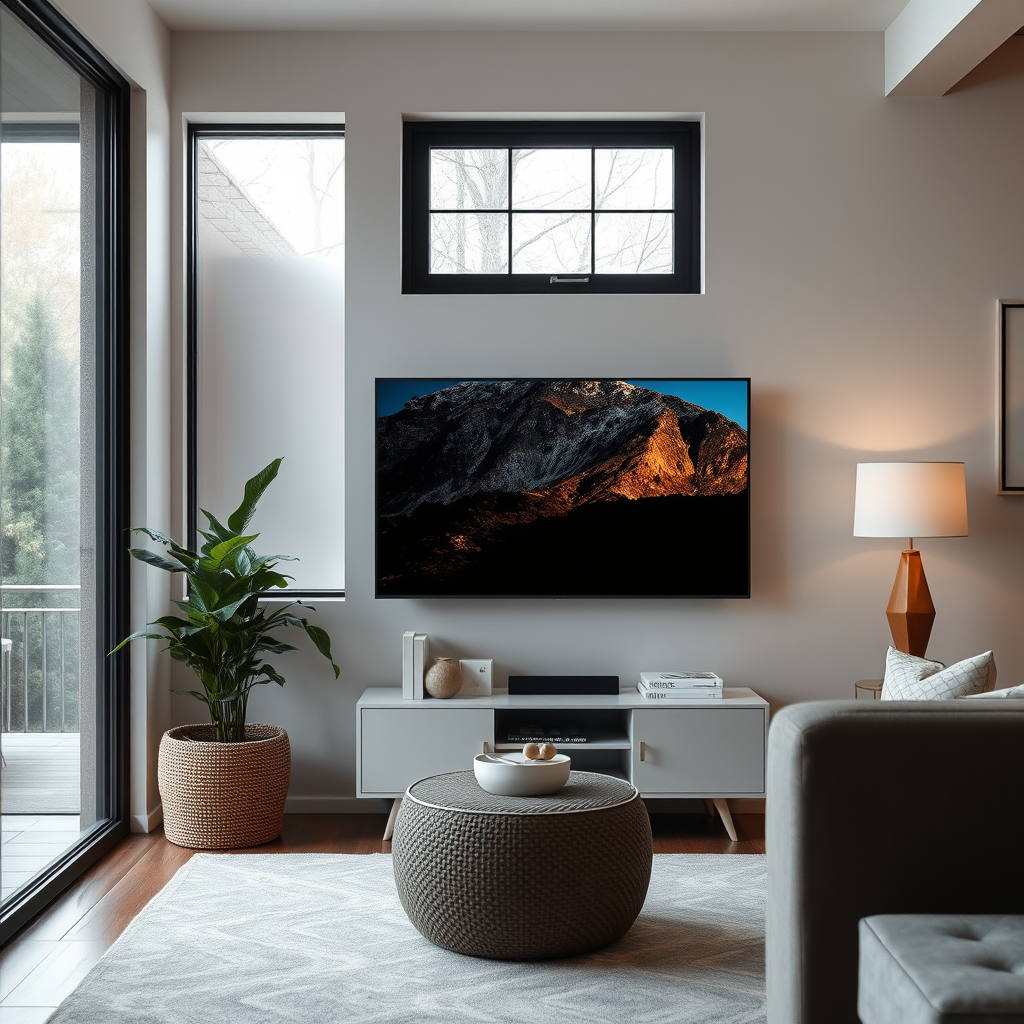
When contemplating the placement of a TV in front of a window, the first step is to assess the location carefully. Start by considering the window’s size and height relative to where you plan to position the television. A large window, especially one that extends to the floor, can significantly impact your viewing experience, while a smaller, higher window may pose fewer challenges.
Next, evaluate the amount of natural light that enters the room throughout the day. Rooms that receive abundant sunlight can create glare on your TV screen, making it difficult to watch during daytime hours. Room orientation, the presence of trees or buildings outside, and the type of window treatment in place will influence not only the amount of light but also the angle at which it strikes the screen.
Understanding Glare and Reflection
Direct sunlight can cause significant glare on a television screen, disrupting your viewing experience. Glare occurs when light reflects off the screen, washing out the colors and reducing contrast. This is particularly problematic for high-definition televisions, where clear images are crucial for an enjoyable experience.
Different types of screens and finishes can help mitigate glare. For instance, matte screens tend to reflect less light than glossy screens. Additionally, many modern TVs come with anti-reflective coatings designed to minimize glare, making them more suitable for placement in bright rooms.
Solutions for Window Placement
If you decide to place your TV in front of a window, there are several solutions that can help control the light entering the room and reduce glare:
1. Curtains or Blinds: Using heavy curtains or blackout blinds can significantly decrease the light that enters the room. This not only minimizes glare but also allows for better control over the ambiance of the space when watching TV.
2. Angling the TV: Positioning the TV at an angle rather than directly facing the window can help reduce glare. A swivel mount can also offer flexibility, allowing you to adjust the TV’s position based on the time of day or the amount of sunlight coming through the window.
3. Reflective Surface Treatments: Consider using window films or treatments that decrease the amount of UV light and heat entering the room. These films can help maintain the brightness of your space without compromising the viewing experience.
Best TV Screens for Minimizing Glare (2024)
| # | TV Model | Screen Type | Anti-Glare Feature | Rating |
|---|---|---|---|---|
| 1 | Samsung QN90A | Neo QLED | Quantum HDR | ★★★★☆ |
| 2 | LG OLED C1 | OLED | Anti-Reflective Coating | ★★★★★ |
| 3 | Sony A80J | OLED | Anti-Glare Technology | ★★★★★ |
| 4 | TCL 6-Series | QLED | HDR Pro | ★★★★☆ |
| 5 | Vizio P-Series Quantum | QLED | Ultra Bright | ★★★★☆ |
| 6 | Philips 803 | OLED | Ambilight Technology | ★★★★☆ |
| 7 | Hisense U8G | QLED | Ultra Motion | ★★★★☆ |
Impact on Room Aesthetics
Positioning a TV in front of a window can have significant implications for a room’s overall design and flow. While aesthetics are often subjective, it is essential to consider how the television’s placement affects the room’s ambiance. A TV can serve as a focal point, but when placed in front of a window, it may compete for attention against the natural light and outdoor views.
To maintain a harmonious balance between functionality and style, think about incorporating complementary elements in your decor. For instance, you could use colors that match your TV frame with other design elements in the room, or perhaps include decorative frames around your window treatments that echo the TV’s design. Cohesive styling can help mitigate any potential visual discord caused by the TV’s placement.
Alternative Placement Options
If placing a TV in front of a window seems too challenging, there are several alternative locations within the room that might serve better. Consider the following options:
1. Side Walls: If your room layout permits, placing the TV on a side wall can provide a more traditional setup that avoids glare issues altogether. It also allows the window to remain a focal point in the room.
2. Corner Placement: Corner installations can maximize space usage, especially in smaller rooms. Angling the TV towards the seating area can create a cozy viewing experience without directly facing the window.
3. Wall-Mounted Options: Wall mounts provide flexibility, allowing you to install the TV at an optimal height and angle without taking up floor space. This option can also help prevent obstruction of natural light.
4. TV Stands: Consider using a TV stand that allows for storage and display of decorative items. This can enhance the aesthetic appeal of the room while keeping the television viewing area functional.
Tips for Enhancing Viewing Experience
To improve your overall viewing experience, consider the following tips:
1. Optimal Seating Arrangements: Position seating so that viewers face the TV comfortably. Ideally, the distance between the seating and the screen should be approximately 1.5 to 2.5 times the diagonal size of the TV.
2. Ambient Lighting: Utilize ambient lighting options to reduce eye strain and create a pleasant viewing atmosphere. Dimmable lights or strategically placed lamps can enhance the viewing experience, particularly in low-light conditions.
3. Sound Considerations: Enhance your audio experience with quality sound systems or soundbars. The right audio setup can significantly deepen your engagement with the content you’re watching.
4. Regular Maintenance: Keep the TV screen clean and dust-free to ensure the best possible picture quality. Regularly check for software updates and calibrate your settings for optimal viewing.
In summary, while placing a TV in front of a window is possible, it requires careful consideration of glare, aesthetics, and alternative placement options. If you decide to go ahead with this arrangement, be sure to implement solutions like curtains or proper TV angles to enhance your viewing experience. Explore the best options for your space and enjoy your favorite shows without compromise!
Frequently Asked Questions
Can you put a TV in front of a window without affecting the view?
Yes, you can place a TV in front of a window, but it may obstruct your view and natural light. To minimize this impact, consider using sheer curtains or shades that allow light in while still providing a backdrop for your TV. Additionally, mounting the TV on a swivel bracket can help adjust the angle for optimal viewing.
What are the downsides of placing a TV in front of a window?
One major downside is glare, which can make it difficult to see the screen during the day. Furthermore, direct sunlight can damage the TV over time, potentially leading to screen burn-in or fading. It’s also important to consider the aesthetics of the room, as a TV can disrupt the visual flow when placed in front of a window.
How can I reduce glare on my TV when it’s positioned in front of a window?
To reduce glare on your TV, consider using anti-glare screen protectors or special coatings designed to minimize reflections. Additionally, rearranging the room to limit direct sunlight on the TV, or installing blackout curtains can significantly improve visibility. Lastly, adjusting the TV’s brightness settings can help counteract any remaining glare.
What should I consider before putting a TV in front of a window?
Before placing a TV in front of a window, consider the amount of natural light in the room, the TV’s size, and the viewing distance. Additionally, think about the potential for screen glare and whether you want to maintain the view outside. It’s also wise to evaluate the room’s layout and how the TV’s placement affects the overall aesthetics and functionality of the space.
Which TV mounting options are best for a window area?
The best TV mounting options for a window area include wall mounts that allow for tilting and swiveling. This flexibility helps in adjusting the angle to reduce glare from sunlight. Alternatively, a TV stand with shelves can also work, as it allows you to position the TV at a comfortable height while leaving space for decorative items or plants near the window.
References
- https://www.bbc.com/news/uk-england-london-54182366
https://www.bbc.com/news/uk-england-london-54182366 - https://www.nytimes.com/2020/01/15/realestate/how-to-arrange-furniture-in-a-small-living-room.html
https://www.nytimes.com/2020/01/15/realestate/how-to-arrange-furniture-in-a-small-living-room.html - Bathrooms – an Ideabook by Dianne Trenfield
https://www.houzz.com/magazine/10-tips-for-using-windows-in-your-living-room-stsetivw-vs~132138793 - https://www.sciencedirect.com/topics/earth-and-planetary-sciences/window
https://www.sciencedirect.com/topics/earth-and-planetary-sciences/window - Window | Description & Facts | Britannica
https://www.britannica.com/technology/window - Google Scholar Google Scholar
https://scholar.google.com/scholar?q=can+you+put+a+tv+in+front+of+a+window - Google Scholar Google Scholar
https://scholar.google.com/scholar?q=TV+placement+window+design - Google Scholar Google Scholar
https://scholar.google.com/scholar?q=window+furniture+arrangement - can you put a tv in front of a window – Search results
https://en.wikipedia.org/wiki/Special:Search?search=can+you+put+a+tv+in+front+of+a+window - https://www.ncbi.nlm.nih.gov/search/research-articles/?term=can+you+put+a+tv+in+front+of+a+window
https://www.ncbi.nlm.nih.gov/search/research-articles/?term=can+you+put+a+tv+in+front+of+a+window

[…] a stud-based mounting pattern. If you need some flexibility due to wall layout, a tilting mount can reduce glare while still prioritizing stud attachment. Avoid “drywall-only” mounting unless you’re using […]
[…] calibration alone?Calibration helps, but it cannot fully eliminate washout from ambient light or reduce glare caused by glossy/uneven wall […]
[…] Specialty surfaces: such as higher-contrast or angled-view designs can improve contrast or reduce glare, but they may narrow the “sweet spot” and require more careful seating […]
[…] Use proper mounting height to reduce glare and eye […]
[…] screens typically perform better when you can’t control daylight. They help reduce glare from lights bouncing off the surface and can make colors look more saturated. The key is correct […]
[…] helps reduce glare to […]
[…] first step is choosing a screen or a clear wall area (for example, a matte white wall). Then you reduce glare from windows and overhead lights—especially important for bright rooms. In 2025 teaching […]
[…] Mounting height: Higher mounts reduce glare and spread light farther across the […]
[…] can get a clear daytime picture when you limit sunlight reaching the screen and reduce glare from reflective surfaces. Bright ambient light doesn’t just brighten the room—it adds competing […]
[…] screen’s gain and reflectivity change perceived brightness; matte finishes typically reduce glare while high-gain screens can boost brightness but increase hotspot risk.” “Correct […]
[…] is powerful (high lumens), daylight viewing is practical and reliably sharp. If you can’t reduce glare and light spill, a daytime projector setup will look washed out, making nighttime the better […]
[…] can darken the room and your projector delivers enough lumens to keep contrast high. If you can’t reduce glare or your projector isn’t bright enough, the picture will wash out […]
[…] improves contrast, which helps the picture look more vibrant and less washed out. Many screens also reduce glare and handle ambient light better than painted drywall, especially with specialty coatings. This […]
[…] best practices for display readability Lower the sun’s angle via morning/evening timing to reduce glare paths between the sun, screen, and viewers. Basic solar geometry / daylighting […]