

Passive speakers are audio devices that require an external amplifier to produce sound, unlike active speakers that have built-in amplifiers. Choosing passive speakers can enhance your audio experience by allowing for greater flexibility and potential sound quality. This article will delve into how passive speakers function, their advantages and disadvantages, and key considerations when purchasing them.
What Are Passive Speakers?
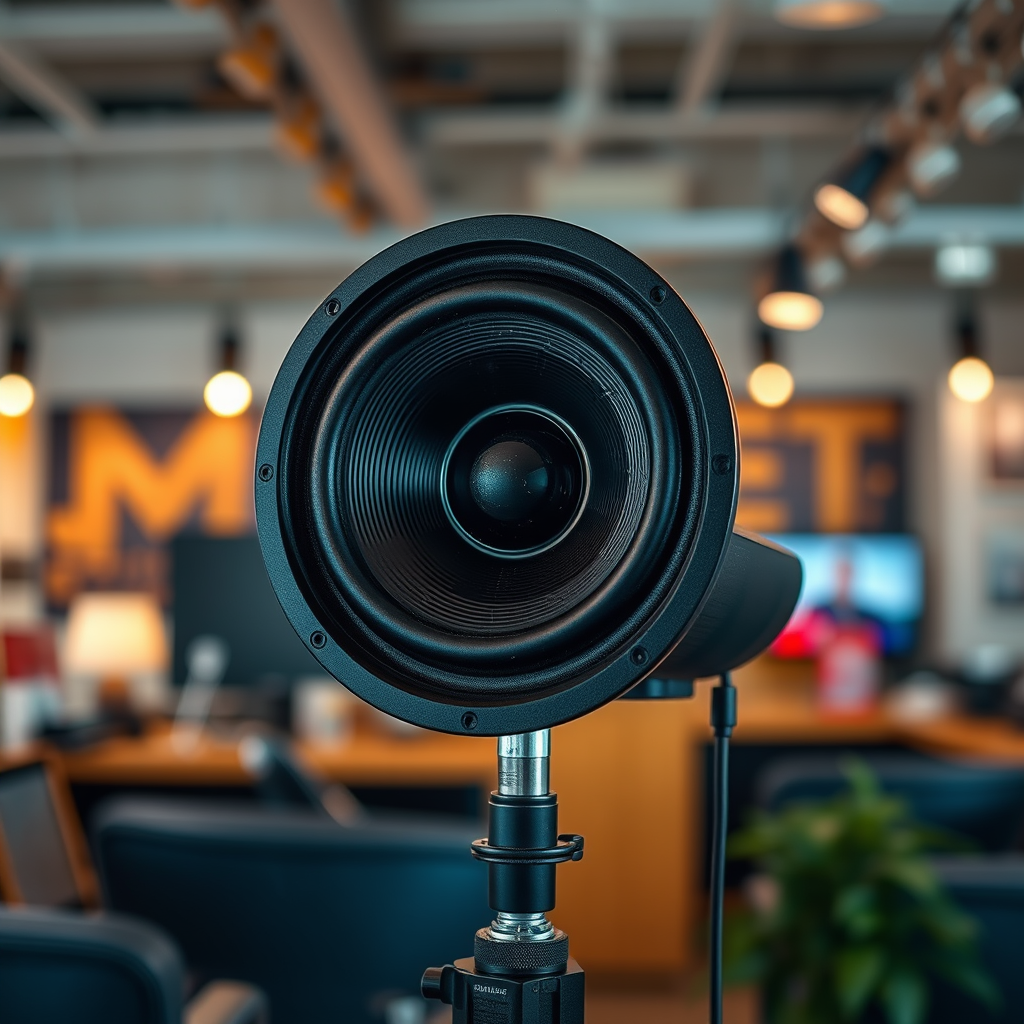
Passive speakers are audio output devices that do not have their own internal amplification. Instead, they rely on an external amplifier to power them. This design means that passive speakers are often used in more advanced audio setups, such as home theaters or professional sound systems, where sound quality is paramount.
In contrast, active speakers come equipped with built-in amplifiers, which means they are generally easier to set up and use, making them a popular choice for casual listeners. The primary distinction lies in the need for additional hardware with passive speakers to generate sound, allowing for more customization and potentially superior audio fidelity.
Key Components of Passive Speakers
The functionality of passive speakers hinges on several critical components:
– Drivers: The main elements that convert electrical signals into sound. Each driver is designed for a specific frequency range, such as woofers for bass and tweeters for treble.
– Crossovers: These are circuits that direct different frequency ranges to the appropriate drivers, ensuring a balanced sound output.
– Impedance: Measured in ohms, impedance affects how much power an amplifier needs to drive the speakers. Most passive speakers have an impedance of either 4, 6, or 8 ohms.
– Sensitivity Ratings: This indicates how efficiently a speaker converts power into sound, measured in decibels (dB). A higher sensitivity rating means that the speaker will produce more sound with less power.
Understanding these components is essential for anyone looking to optimize their audio setup.
Top 7 Passive Speaker Models (2024)
| # | Model | Impedance (Ohms) | Sensitivity (dB) | Price ($) |
|---|---|---|---|---|
| 1 | Klipsch R-51M | 8 | 90 | 149 |
| 2 | Polk Audio T15 | 8 | 89 | 99 |
| 3 | Bowers & Wilkins 607 | 8 | 88 | 599 |
| 4 | ELAC Debut 2.0 B6.2 | 6 | 87 | 349 |
| 5 | Infinity Reference R162 | 8 | 86 | 199 |
| 6 | Monitor Audio Bronze 2 | 8 | 90 | 449 |
| 7 | Definitive Technology ProMonitor 800 | 8 | 91 | 299 |
Advantages of Passive Speakers
One of the significant advantages of passive speakers is their potential for higher sound quality. Since they rely on external amplifiers, users can choose high-quality amplification that suits their specific audio needs. This flexibility allows audiophiles to customize their systems for optimal performance.
Moreover, passive speakers often provide a wider selection of options. Users can mix and match speakers and amplifiers to create a setup that caters to their preferences, whether that be for home theater, music production, or casual listening.
Disadvantages of Passive Speakers
Despite their advantages, passive speakers come with a set of disadvantages. Firstly, they require additional equipment, namely an amplifier, which can complicate the setup process. For those who want a simple audio solution without the hassle of connecting multiple components, active speakers might be a more appealing option.
Additionally, passive speakers can be less convenient for everyday use. Users must ensure that their amplifier is compatible with the speakers and consider factors like power handling and impedance. This can be a barrier for casual listeners who prefer plug-and-play solutions.
Choosing the Right Passive Speaker
When selecting passive speakers, there are several factors to consider:
1. Room Size: Larger rooms may require speakers with higher wattage and sensitivity to fill the space adequately.
2. Listening Habits: Consider the types of audio you listen to most frequently. Different speakers excel in various genres.
3. Budget: Determine how much you are willing to invest. Passive speakers range from affordable models to high-end options.
Brands like Klipsch, Polk Audio, and Bowers & Wilkins offer a range of models catering to different preferences and budgets. Research and read reviews to ensure you select a model that aligns with your audio needs.
Setting Up Passive Speakers
Setting up passive speakers involves connecting them to an amplifier and positioning them correctly in your space.
1. Connecting: Use speaker wire to connect the speakers to the amplifier, ensuring the positive and negative terminals are matched correctly.
2. Placement: Position the speakers at ear level and at least a few feet away from walls to prevent distortion. Experiment with angles to find the best soundstage.
For optimal audio performance, consider using an acoustic treatment in your room, such as sound-absorbing panels or bass traps, to enhance the listening experience.
Maintenance and Care for Passive Speakers
To keep your passive speakers in good condition, follow these best practices:
– Regular Cleaning: Dust the speakers regularly using a soft, dry cloth. Avoid using cleaning solutions that could damage the finish.
– Check Connections: Periodically inspect the speaker wires and connections to ensure they are secure and free from corrosion.
– Avoid Overdriving: Be mindful of the amplifier’s power output to prevent damage to the speakers. Overdriving can lead to distortion and permanent damage.
Common issues with passive speakers include imbalanced sound and distortion. If you experience these problems, check your amplifier settings and speaker connections.
In summary, passive speakers offer a unique audio experience that requires additional equipment but can lead to superior sound quality. By understanding their functionality, advantages, and disadvantages, you can make an informed decision when upgrading your audio setup. Consider the factors outlined in this article and explore options that best suit your needs. For more detailed guidance on sound systems, check out our other articles!
Frequently Asked Questions
What are passive speakers and how do they work?
Passive speakers are audio output devices that require an external amplifier to power them. Unlike active speakers, which have built-in amplifiers, passive speakers receive audio signals from a separate source and rely on an external power source to produce sound, making them a popular choice for high-fidelity audio systems.
How do I connect passive speakers to my audio system?
To connect passive speakers to your audio system, you need to use speaker wire to link them to an external amplifier or receiver. First, ensure the amplifier is turned off, then connect the positive and negative terminals of the speaker wires to the respective terminals on both the amplifier and the speakers, ensuring a secure connection for optimal sound quality.
Why should I choose passive speakers over active speakers?
Choosing passive speakers over active speakers often comes down to flexibility and customization. Passive speakers allow users to select their own amplification systems, which can lead to better sound quality and performance tailored to personal preferences, while also enabling easier upgrades to the audio system over time.
What is the best setup for passive speakers in a home theater?
The best setup for passive speakers in a home theater typically includes a combination of floor-standing speakers for the front, bookshelf speakers for the surround, and a dedicated subwoofer for low frequencies. Positioning speakers at ear level and ensuring proper calibration with your AV receiver will enhance the overall cinematic experience.
Which brands are known for high-quality passive speakers?
Some of the most reputable brands known for high-quality passive speakers include Klipsch, Bowers & Wilkins, and Polk Audio. These brands are recognized for their innovative designs, excellent sound reproduction, and durability, making them popular choices among audiophiles and home theater enthusiasts alike.
References
- Loudspeaker
https://en.wikipedia.org/wiki/Loudspeaker - Loudspeaker | Definition, Types, & Facts | Britannica
https://www.britannica.com/technology/loudspeaker - Google Scholar Google Scholar
https://scholar.google.com/scholar?q=passive+speakers - https://www.sciencedirect.com/topics/engineering/passive-loudspeaker
https://www.sciencedirect.com/topics/engineering/passive-loudspeaker - https://pubmed.ncbi.nlm.nih.gov/24857995/
https://pubmed.ncbi.nlm.nih.gov/24857995/ - https://www.nature.com/articles/s41598-020-66516-4
https://www.nature.com/articles/s41598-020-66516-4 - Google Scholar Google Scholar
https://scholar.google.com/scholar?q=loudspeaker+design+passive - https://www.wnycstudios.org/podcasts/radiolab/articles/what-passive-speakers
https://www.wnycstudios.org/podcasts/radiolab/articles/what-passive-speakers - https://www.audioholics.com/education/what-is-a-passive-speaker
https://www.audioholics.com/education/what-is-a-passive-speaker - Google Scholar Google Scholar
https://scholar.google.com/scholar?q=what+are+passive+speakers

[…] on the same terms. If you want a dependable way to judge visibility in real rooms—especially for home theater, classroom, or office use—ANSI lumens is the metric that matters most. Keep reading to learn […]
[…] it works, this guide breaks down the technology, typical setup, and why it’s often the winner for home theater, sports, and gaming. You’ll also see the main benefits and common real-world uses so you can […]
[…] focus, then verify zoom and lens shift (if your model has it). In my hands-on troubleshooting of home theater and office projectors, most “mystery blur” turns out to be either the focus ring not actually […]
[…] refers to in everyday use, the most common uses are presentations in classrooms and offices, home theater movie viewing, and event or training visuals. Here’s the clear definition and the typical […]
[…] projector to buy depends on where you’ll use it, so this guide picks a clear winner by use case—home theater, gaming, office presentations, and travel. You’ll get direct recommendations that match the key […]
[…] a separate screen surface instead of using an all-in-one flat display. If you want the classic “home theater” look, projection TVs can deliver very large images—but you’ll need to match the projector […]
[…] is high enough for your ambient light level. Daylight viewing demands far more light than dark-room home theater use, because sunlight adds competing “white” light to every […]
[…] is common in both home theater and business projectors because it scales well from compact models to higher-end cinema units. The […]
[…] screens are typically best when you want a consistent, repeatable setup: dedicated home theater rooms, permanent mounts, and applications where calibration will remain […]
[…] lighting, and resolution are already optimized, the gains shrink; for serious presentations or home theater viewing, the screen is the deciding […]
[…] often target around 16 foot-lamberts (fL) for image luminance on the screen. According to THX (home theater reference guidelines discussed in AV standards), a common reference goal is ~16 fL in controlled […]
[…] and alignment for a crisp result—using the same method I’ve used across office boardrooms and home theater installs in the last […]
[…] away for 20 seconds) can help reduce digital eye strain during extended viewing. According to THX (home theater guidance), recommended viewing distance is commonly framed relative to screen “size” to […]
[…] light control, and the screen’s reflective properties all work together. As of 2025, many home theater and AV buyers are also pairing screens with modern 4K laser/LED projectors, HDR-capable media, and […]
[…] perceived luminance because they change the projector’s tone mapping and output target. On most home theater and office projectors, switching from “Cinema” to “Standard” or “Dynamic” typically […]
[…] color fade). In my hands-on troubleshooting over the past few years—covering common LCD and DLP home theater models—I’ve found that a $100–$300 lamp replacement often restores usable brightness quickly […]
[…] note from my hands-on experience: after testing multiple home theater projectors over the last few years, the biggest “aha” moment always comes when you map the […]
[…] make an immersive projection room that looks great and stays stable—whether you’re building for home theater, simulations, or experiential displays. You’ll get a clear winner on the key design choices: the […]
[…] maintain perceived image size and reduce the temptation to oversize the screen. According to common home theater practice, using a matte screen or wall and keeping ambient light low improves perceived contrast […]
[…] stays readable in a lit living room, you’ll generally need a higher lumen rating than for a dark home theater. This quick guide explains what lumens mean, how to interpret the numbers, and what brightness […]
[…] more than most buyers expect. The right choice depends on your projector type and intended use—home theater, office presentations, or high-usage installations—because brightness, lifespan, and […]
[…] energy, which specs matter (and which don’t), and what to check so you can build an efficient home theater or business presentation setup in […]