


Record players do need speakers to deliver sound effectively, as they convert the audio signals produced by the vinyl into audible sound waves. While record players can generate sound, the output is typically weak and requires amplification to ensure a rich listening experience. In this article, we’ll explore why speakers are essential for record players, the types of speakers available, and how to choose the right ones for your setup.
Understanding the Basics of Record Players
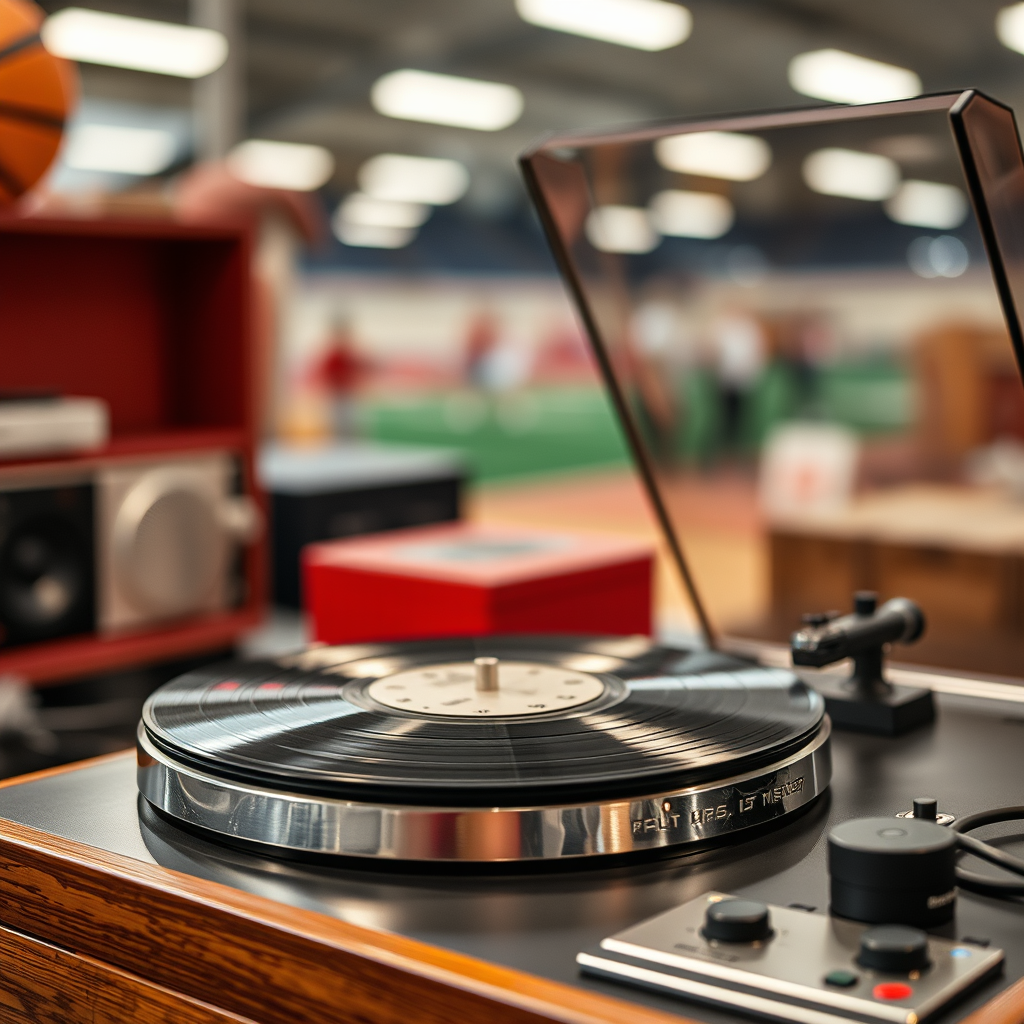
Record players operate by utilizing a stylus that glides along the grooves of a vinyl record. This mechanical process transforms the physical undulations of the record into electrical signals. However, these signals are often too weak to drive speakers directly and must be amplified to produce sound at a desirable volume. The relationship between a stylus and speakers is crucial; without speakers, the audio from your cherished vinyl records remains trapped in the realm of silence. Thus, connecting your record player to an appropriate speaker setup is fundamental for enjoying the full depth and warmth that vinyl has to offer.
Types of Speakers Compatible with Record Players
When choosing speakers for your record player, you will typically encounter two main categories: active and passive speakers.
Active Speakers
Active speakers come with built-in amplifiers, making them an excellent choice for those who prefer a straightforward setup. With no need for an external amplifier, active speakers simplify the connection process and reduce the number of components in your audio system. Many active speakers also feature integrated Bluetooth capabilities, offering additional flexibility in how you play your music.
Passive Speakers
On the other hand, passive speakers require an external amplifier to function. This type allows for greater customization and upgrading potential, as you can select an amplifier that matches your audio preferences. Passive speakers often provide superior sound quality, particularly in high-end models, making them popular among audiophiles. However, they do involve a more complex setup and generally require more space.
How to Connect Your Record Player to Speakers
Connecting your record player to speakers is a straightforward process, but ensuring compatibility is key for optimal performance. Most record players output audio via RCA cables, which consist of two connectors (one for the left audio channel and one for the right).
To connect your record player to speakers:
1. Identify the Output: Check if your record player has built-in amplification. If it does, you can plug the RCA cables directly into the active speakers. If not, you will need to connect the RCA cables to a compatible amplifier first.
2. Connect the Cables: Insert the RCA connectors into the corresponding inputs on the amplifier or active speakers. Make sure you match the colors (red for the right channel and white for the left) to ensure proper stereo sound.
3. Power It Up: After making the connections, power on your amplifier or active speakers. Adjust the volume to a moderate level before playing a record to prevent any sudden loud sounds that could damage your equipment.
Data Table: Comparison of Speaker Types for Record Players
Speaker Types for Record Players
| # | Speaker Type | Amplifier Requirement | Ease of Use | Sound Quality |
|---|---|---|---|---|
| 1 | Active Speakers | Built-in | Very Easy | Good |
| 2 | Passive Speakers | External Required | Moderate | Excellent |
Sound Quality Considerations
The quality of speakers can significantly affect your audio experience when listening to vinyl records. Higher-end speakers typically provide clearer sound, richer bass, and more nuanced highs. When selecting speakers, it’s essential to consider factors such as frequency response and sensitivity.
– Frequency Response: This specification indicates the range of frequencies that the speaker can reproduce. A wider frequency range allows you to hear more detail in the music, from the deep thump of a bass guitar to the bright notes of a cymbal.
– Sensitivity: Measured in decibels (dB), sensitivity indicates how efficiently a speaker converts power into sound. Higher sensitivity ratings mean that the speaker can produce louder sounds with less power, making them a great choice if you have a lower-powered amplifier.
Investing in quality speakers tailored to your listening preferences will enhance your overall vinyl experience, providing clarity and depth that lower-quality options may lack.
Alternatives to Traditional Speakers
While traditional speakers are a popular choice for record players, there are several alternatives worth considering.
Integrated Audio Systems
Integrated audio systems or all-in-one record players often come with built-in speakers. These systems can be compact and convenient, especially for those with limited space. However, the sound quality may not match that of dedicated speaker systems, making them more suitable for casual listening rather than audiophile experiences.
Bluetooth Speakers
For those who prefer wireless options, Bluetooth speakers can be utilized with compatible record players. These speakers provide convenience in terms of placement and connectivity. However, it’s important to check for latency issues, as delays in sound transmission can lead to synchronization problems when listening to vinyl.
Maintenance Tips for Your Record Player and Speakers
Proper maintenance is crucial for ensuring the longevity and performance of both your record player and speakers. Here are some actionable tips:
1. Cleaning: Regularly clean your record player and speakers to prevent dust buildup that can impact sound quality. Use a soft, dry cloth for speakers and a specialized record cleaning brush for vinyl.
2. Check Connections: Periodically inspect all connections and cables. Loose or damaged cables can lead to signal loss or distortion. Ensure everything is securely connected before playing records.
3. Placement: Consider the placement of your speakers to enhance sound quality. Ideally, speakers should be positioned at ear level and away from walls to prevent sound reflections that can muddy the audio.
By following these maintenance tips, you can ensure that both your record player and speakers continue to deliver optimal sound quality for years to come.
Summarizing the need for speakers, it’s clear that they are essential for enjoying the full sound experience from your record player. Whether you opt for active or passive speakers, ensure compatibility and quality to get the best out of your vinyl collection. Explore your options, consider upgrading your audio setup, and embrace the rich, immersive experience that vinyl records can offer. Happy listening!
Frequently Asked Questions
Do record players need speakers to produce sound?
Yes, record players need speakers to produce sound because they don’t have built-in audio output. The turntable plays the vinyl record, converting the grooves into an audio signal, which then needs to be amplified and sent to speakers for you to hear the music.
What type of speakers work best with a record player?
The best speakers for a record player are those that match the output type of your turntable. If your record player has a built-in phono preamp, powered speakers can be directly connected. Otherwise, you’ll need passive speakers with an external amplifier for optimal sound quality.
How do I connect my record player to speakers?
To connect your record player to speakers, first determine if your turntable has a built-in preamp. If it does, use RCA cables to connect it directly to powered speakers. If it doesn’t, you will need to connect it to a separate phono preamp, and then link that to passive speakers via an amplifier.
Why do some record players come with built-in speakers?
Some record players come with built-in speakers for convenience and portability, making them ideal for casual listeners and those with limited space. However, while they provide basic sound output, external speakers typically deliver superior audio quality and a more immersive listening experience.
Which speakers provide the best sound quality for vinyl records?
The best speakers for vinyl records are often high-fidelity models that can accurately reproduce sound without distortion. Brands like Audioengine, Klipsch, and KEF offer excellent options, combining clarity and richness that enhance the vinyl listening experience, especially when paired with a quality turntable.
References
- Phonograph
https://en.wikipedia.org/wiki/Turntable - https://www.bbc.com/news/magazine-35511293
https://www.bbc.com/news/magazine-35511293 - https://www.theguardian.com/music/2017/mar/22/why-vinyl-is-back-in-fashion
https://www.theguardian.com/music/2017/mar/22/why-vinyl-is-back-in-fashion - Google Scholar Google Scholar
https://scholar.google.com/scholar?q=do+record+players+need+speakers - https://www.sciencedirect.com/topics/engineering/turntable
https://www.sciencedirect.com/topics/engineering/turntable - https://www.nytimes.com/2021/06/10/arts/music/vinyl-record-players.html
https://www.nytimes.com/2021/06/10/arts/music/vinyl-record-players.html - Google Scholar Google Scholar
https://scholar.google.com/scholar?q=record+players+speakers+relationship - https://pubmed.ncbi.nlm.nih.gov/29299567/
https://pubmed.ncbi.nlm.nih.gov/29299567/ - Turntable | Vinyl Records, Record Players, Hi-Fi Audio | Britannica
https://www.britannica.com/topic/turntable - https://www.nature.com/articles/s41598-018-21036-4
https://www.nature.com/articles/s41598-018-21036-4
