


Installing in-wall speakers can dramatically enhance your audio experience, providing a clean and unobtrusive way to enjoy music and movies. This guide will walk you through the essential steps to successfully install in-wall speakers, ensuring optimal sound quality and a seamless look. With the right tools and techniques, you can elevate your home audio system and achieve a professional finish.
Choosing the Right Speakers
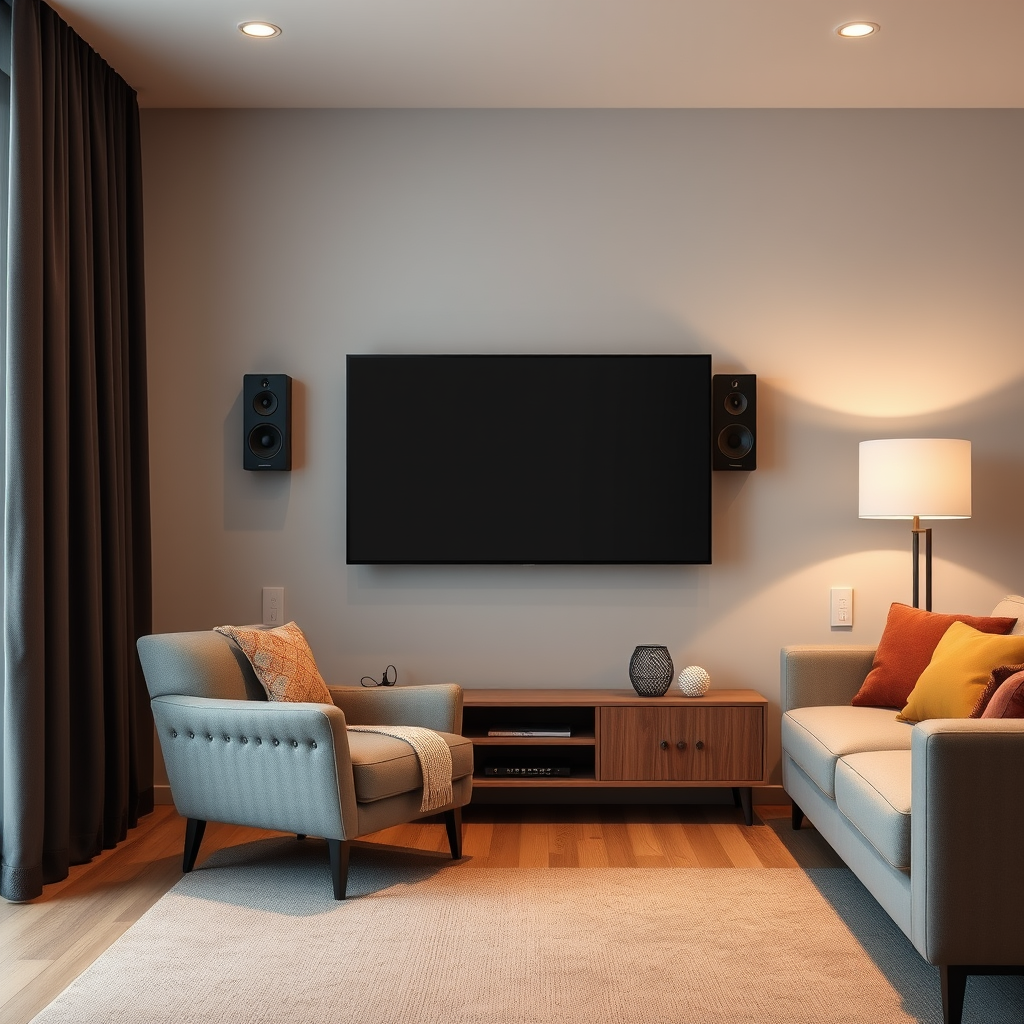
Selecting the appropriate in-wall speakers is crucial for achieving the best sound quality in your space. First, consider the size and type of speakers that are best suited for your room’s acoustics. Larger speakers may offer a fuller sound, but they also require more space. In contrast, smaller speakers can fit into tighter spaces while still delivering impressive audio quality.
The type of speaker is also significant. Generally, there are two types of in-wall speakers: full-range and dedicated subwoofers. Full-range speakers provide a balanced sound across all frequencies, while dedicated subwoofers focus on low frequencies, enhancing bass response. Additionally, check compatibility with your existing audio system to ensure seamless integration. This includes verifying the impedance and wattage ratings of your amplifier or receiver.
Tools and Materials Needed
Before starting your installation, gather all necessary tools and materials to make the process smooth and efficient. Here’s a comprehensive list:
Essential Tools:
– Drill: For creating holes and anchoring speakers.
– Stud Finder: To locate wall studs and avoid electrical wiring.
– Level: To ensure speakers are installed straight.
– Drywall Saw: For cutting the wall openings.
– Wire Strippers: To prepare speaker wires for connection.
Recommended Materials:
– Speaker Wire: Choose high-quality speaker wire, ideally 16-gauge or lower, depending on distance.
– Speaker Brackets: Check if your speakers require brackets for secure installation.
– Wall Plates: For a clean finish and easy access to connections.
Planning Your Installation
Proper planning is essential for optimal sound distribution and aesthetic appeal. Begin by identifying the best locations for your speakers. Ideally, speakers should be placed at ear level when seated, and spaced evenly to create a balanced soundstage. Consider the acoustics of the room, including furniture placement and wall materials that might affect sound quality.
Use a stud finder to locate wall studs, as this will help avoid electrical wiring and plumbing when cutting into the wall. Mark the ideal locations for your speaker cutouts, ensuring they are aligned for a professional look.
Top In-Wall Speaker Brands (2023)
| # | Brand | Model | Price | Rating |
|---|---|---|---|---|
| 1 | Klipsch | R-5502-W | $199 | ★★★★☆ |
| 2 | Polk Audio | RC80i | $149 | ★★★★☆ |
| 3 | Sonos | In-Wall by Sonos | $279 | ★★★★★ |
| 4 | Bowers & Wilkins | CCM665 | $450 | ★★★★★ |
| 5 | Monitor Audio | C265-IDC | $299 | ★★★★☆ |
| 6 | KEF | Ci160QR | $350 | ★★★★☆ |
| 7 | Definitive Technology | UIW RCS II | $299 | ★★★★☆ |
Cutting the Wall Opening
Once you have planned your installation and selected your speakers, it’s time to cut the opening in the wall. Begin by measuring and marking the dimensions for the speaker cutout based on the specifications provided by the manufacturer. It’s essential to double-check those measurements to ensure a perfect fit.
Using a drywall saw, carefully cut along your marked lines. Take your time to achieve clean edges, which will help the speakers fit snugly and look professional once installed. After cutting, remove any debris from the wall cavity to facilitate easier installation of the speakers.
Running the Speaker Wire
The next step involves running the speaker wire from your audio receiver to the newly created speaker openings. Determine the best route for the wire, typically along the wall studs. Ensure that the wire is long enough to reach each speaker without tension.
Secure the wire to the wall studs using cable clips to keep it organized and minimize the risk of damage. This not only provides a neat appearance but also protects the wire from potential hazards. If you’re running wire through multiple walls, be cautious and follow local building codes to avoid any issues with electrical wiring or plumbing.
Installing the Speakers
With the wiring in place, it’s time to install the speakers. Start by connecting the speaker wire to the terminals on your in-wall speakers. Ensure that you observe the correct polarity—typically positive to positive (red) and negative to negative (black)—to ensure optimal sound quality.
Once the wires are securely connected, gently insert the speakers into the wall opening. Follow the manufacturer’s instructions for securing the speakers in place, which may involve tightening screws or using brackets. Ensure that the speakers are flush with the wall surface for a clean, professional look.
Testing and Final Adjustments
Now that your speakers are installed, it’s time to test them. Turn on your audio system and play a variety of audio tracks to evaluate the sound quality. Pay attention to any areas where the sound may be lacking or where the bass may need adjustment.
If necessary, make final adjustments by repositioning the speakers slightly or tweaking the audio settings on your receiver. This may involve adjusting the equalizer settings or the distance settings in your audio system to ensure the best sound experience.
In conclusion, installing in-wall speakers can significantly enhance your home audio setup, providing both aesthetic appeal and superior sound quality. By carefully planning your installation and following the outlined steps, you can achieve a seamless and professional finish. If you found this guide helpful, consider exploring more home audio tips or embarking on your installation project today!
Frequently Asked Questions
How do I choose the right in-wall speakers for my home theater?
To choose the right in-wall speakers for your home theater, consider the size of your room, speaker sensitivity, and power handling capabilities. Look for models that match your amplifier’s output and ensure they have a frequency response suitable for your audio preferences. Additionally, check for features like built-in subwoofers or adjustable tweeters to enhance your listening experience.
What tools do I need to install in-wall speakers?
To install in-wall speakers, you will need a stud finder, drywall saw, screwdriver, wire stripper, and possibly a level. Having these tools on hand will make the installation process smoother, allowing you to accurately cut the drywall and secure the speakers properly. It’s also helpful to have speaker wire and connectors ready for a clean setup.
How do I install in-wall speakers without damaging my walls?
To install in-wall speakers without damaging your walls, first use a stud finder to locate the studs and avoid cutting into them. Mark the speaker placement on the wall, then carefully cut the drywall using a drywall saw, ensuring you follow the guidelines provided with your speakers for the correct cutout size. Always double-check for electrical wiring or plumbing behind the wall before making any cuts.
Why is proper placement important for in-wall speakers?
Proper placement of in-wall speakers is crucial for achieving optimal sound quality and a balanced audio experience. Positioning them at ear level and ensuring they are equidistant from the primary listening area helps create a more immersive soundstage. Additionally, avoiding corners and ensuring they are angled correctly can minimize sound distortion.
What is the best way to connect in-wall speakers to my audio system?
The best way to connect in-wall speakers to your audio system is by using high-quality speaker wire, typically 16-gauge or thicker, to ensure minimal signal loss. Run the wire from your audio receiver to the speaker location, securing it along walls or inside the wall if local codes allow. Make sure to connect the positive and negative terminals correctly to avoid phase issues that can affect sound quality.
References
- https://www.audioholics.com/home-theater-education/in-wall-speaker-installation
https://www.audioholics.com/home-theater-education/in-wall-speaker-installation - https://www.crutchfield.com/S-C2G1B6HJaHl/learn/in-wall-speaker-installation.html
https://www.crutchfield.com/S-C2G1B6HJaHl/learn/in-wall-speaker-installation.html - https://www.soundandvision.com/content/how-install-wall-speakers
https://www.soundandvision.com/content/how-install-wall-speakers - https://www.bbc.co.uk/programmes/articles/1Hq5g0d5YVQmFfQ7Nf9YkH1/in-wall-speaker-installation
https://www.bbc.co.uk/programmes/articles/1Hq5g0d5YVQmFfQ7Nf9YkH1/in-wall-speaker-installation - Google Scholar Google Scholar
https://scholar.google.com/scholar?q=how+to+install+in+wall+speakers - Google Scholar Google Scholar
https://scholar.google.com/scholar?q=in-wall+speaker+installation+techniques - Google Scholar Google Scholar
https://scholar.google.com/scholar?q=home+theater+in-wall+speakers+setup - how to install in wall speakers – Search results
https://en.wikipedia.org/wiki/Special:Search?search=how+to+install+in+wall+speakers - https://www.ncbi.nlm.nih.gov/search/research-articles/?term=how+to+install+in+wall+speakers
https://www.ncbi.nlm.nih.gov/search/research-articles/?term=how+to+install+in+wall+speakers

[…] fastest way to make any screen look “professional” is proper placement: height, alignment, flatness, and cable planning. I’ve installed screens where the projector and […]
[…] Keener settings and proper placement improve perceived […]
[…] Proper placement reduces blur and distortion while improving color […]
[…] – Ensure proper placement: […]
[…] TV projector’s throw distance determines how large the image will be, while proper placement ensures geometric accuracy and sharpness. Throw distance is often specified as a throw ratio, […]
[…] edge fidelity. The good news: the problems are predictable, and you can prevent most of them with proper placement […]
[…] – clear recognition of faces or vehicles at reasonable distances (with proper placement), […]
[…] carefully—correcting keystone too aggressively can reduce image quality, so lens shift or proper placement is often better when available. Finally, ensure the HDMI input is set correctly, choose a suitable […]
[…] it’s outdoors, ambient light and surface reflectivity strongly affect brightness and contrast, so proper placement and screen choice […]
[…] setup tests across multiple apartments and split-level homes, the biggest wins always come from (1) proper placement and (2) getting signal extension as “close to wired” as possible for the backhaul, because weak […]
[…] Use proper placement, channel planning, and (if available) a wired backhaul for best […]