


Drivers are the essential components in speakers that convert electrical signals into sound waves. They play a critical role in determining the overall sound quality and performance of a speaker system. This article delves into the types of drivers, their functions, and how they significantly influence audio output, helping you make informed decisions when selecting audio equipment.
What Are Speaker Drivers?
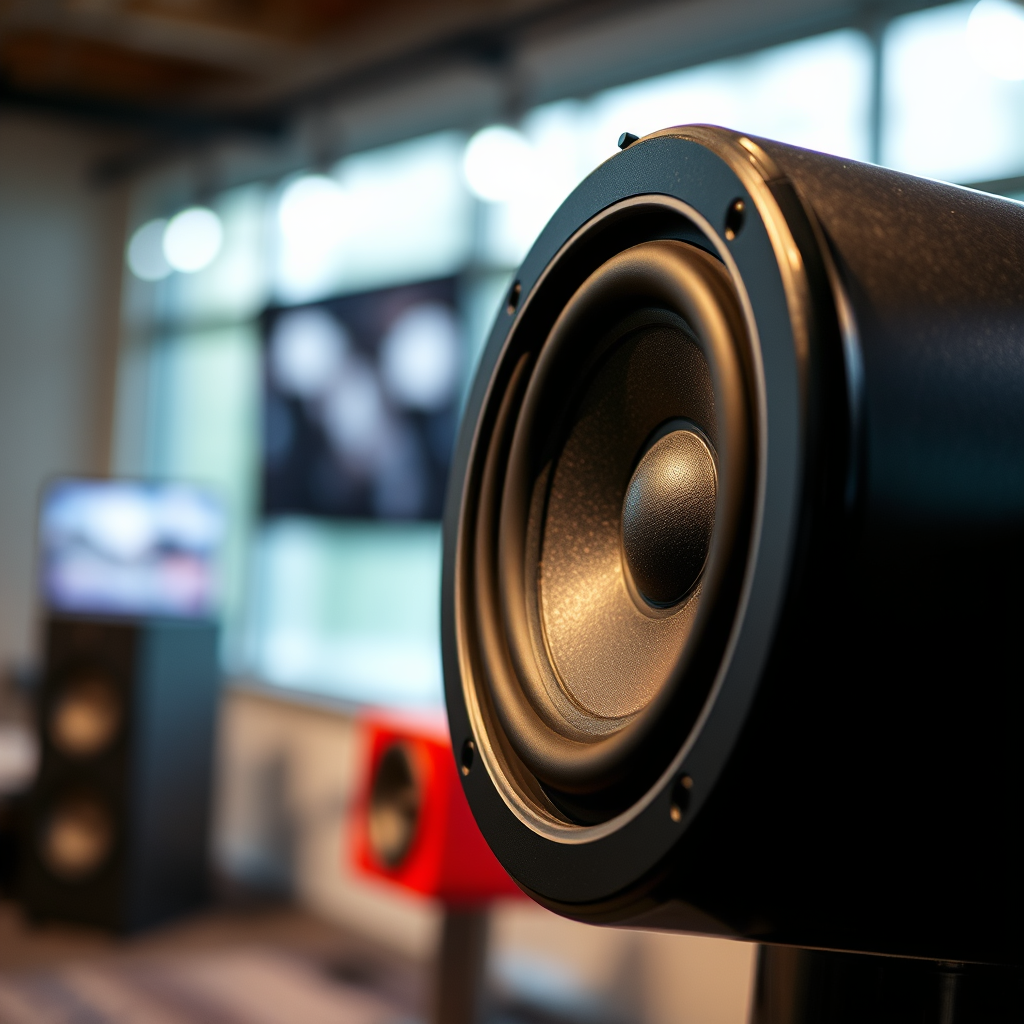
Speaker drivers are the mechanical elements responsible for converting electrical energy into acoustical energy, producing sound that can be heard by the human ear. These components function through the interaction of magnets, coils, and membranes, which work together to create vibrations that generate sound waves. Essentially, drivers take the electrical signals sent from an audio source and transform them into audible sound, making them the heart of any speaker system.
The operation of a driver is based on electromagnetic principles. When an electrical current flows through the voice coil, it creates a magnetic field that interacts with a permanent magnet. This interaction causes the voice coil to move back and forth, which in turn vibrates the cone or diaphragm attached to it. The movement of this diaphragm pushes air, creating sound waves that can be perceived as music, dialogue, or any other audio.
Types of Speaker Drivers
When discussing speaker drivers, two main types often come to the forefront: dynamic drivers and planar magnetic drivers, each with its unique characteristics and sound profiles.
Dynamic Drivers
Dynamic drivers are the most commonly used type in consumer audio products. They are known for their efficiency, reliability, and ability to produce high-quality sound across a wide range of frequencies. The construction of a dynamic driver typically includes a diaphragm, voice coil, and magnet. These drivers excel in a variety of applications, from casual listening to professional audio environments. Their design allows for excellent sound pressure levels and clarity, making them a staple in many speaker systems.
Planar Magnetic Drivers
Planar magnetic drivers, on the other hand, offer a distinct sound profile that is often favored in high-end audio applications. Unlike dynamic drivers, planar magnetic drivers utilize a thin diaphragm that is suspended between two sets of magnets. This design allows for a more uniform motion of the diaphragm, which can result in lower distortion and a more detailed sound reproduction. Planar magnetic drivers are particularly appreciated for their ability to produce a spacious soundstage and accurate midrange and high frequencies, making them ideal for audiophiles seeking a premium listening experience.
Key Components of Drivers
To better understand how drivers work, it’s essential to look at their key components, which play critical roles in sound production.
– Voice Coil: The voice coil is a crucial part of the driver that converts electrical signals into motion. When an electrical current passes through the coil, it generates a magnetic field that interacts with the permanent magnet, causing the coil to move.
– Cone or Diaphragm: The cone or diaphragm is the part of the driver that vibrates to produce sound. The material and design of the diaphragm significantly impact sound quality, with materials such as paper, plastic, and metal each offering different acoustic properties. A well-designed diaphragm can enhance the clarity and fidelity of the audio output.
Comparison of Speaker Driver Types (2024)
| # | Driver Type | Efficiency | Sound Quality | Price Range |
|---|---|---|---|---|
| 1 | Dynamic Drivers | High | Excellent | $50 – $200 |
| 2 | Planar Magnetic Drivers | Moderate | Superb | $300 – $1,500 |
| 3 | Electrostatic Drivers | Low | Exceptional | $500 – $5,000 |
| 4 | Ribbon Drivers | Moderate | Very Good | $200 – $800 |
| 5 | Full-Range Drivers | High | Good | $100 – $400 |
| 6 | Subwoofer Drivers | High | Good | $150 – $600 |
| 7 | Woofers | High | Very Good | $100 – $500 |
How Drivers Affect Sound Quality
The quality of speaker drivers has a profound impact on sound reproduction, influencing factors such as frequency response and distortion levels.
– Frequency Response: Different types of drivers are designed to excel in different frequency ranges. For instance, woofers are optimized for low frequencies, while tweeters are designed for high frequencies. The combination of various drivers in a speaker system can create a more balanced and immersive audio experience. When selecting speakers, consider the frequency range that best suits your listening preferences and the types of audio you frequently enjoy.
– Distortion Levels: The quality of the driver also determines the clarity and accuracy of sound reproduction. High-quality drivers minimize distortion, allowing for a more faithful representation of the audio source. Poorly designed or low-quality drivers can introduce unwanted noise and muddiness, detracting from the overall listening experience. Investing in speakers with high-quality drivers is crucial for achieving the best sound performance.
Choosing the Right Drivers for Your Needs
Selecting the appropriate drivers for your audio needs involves understanding your specific preferences and usage scenarios.
– Matching Drivers to Audio Preferences: If you are a casual listener who enjoys music or movies for leisure, dynamic drivers might be sufficient for your needs. However, for audiophiles or professionals who require precise sound quality and detail, planar magnetic or electrostatic drivers could be more beneficial.
– Importance of Synergy with Other Audio Components: It’s also essential to consider how drivers will interact with other components of your audio system, such as amplifiers and DACs (Digital-to-Analog Converters). A well-matched system ensures that all components work harmoniously together, maximizing the potential of your drivers and overall sound quality.
Maintenance and Care for Speaker Drivers
To ensure longevity and optimal performance, proper maintenance of speaker drivers is essential.
– Tips for Maintaining Speaker Drivers: Regularly clean your speakers by dusting them with a soft, dry cloth to prevent buildup that can affect sound quality. Additionally, ensure that your speakers are not exposed to extreme temperatures or humidity, as these conditions can damage drivers over time.
– Common Issues and How to Troubleshoot Them: If you notice distortion or reduced sound quality, verify all connections and cables, as loose or damaged connections can lead to audio issues. If problems persist, it might be worthwhile to consult a professional technician or the manufacturer for further diagnosis.
In summary, understanding the crucial role of drivers in speakers is foundational for anyone looking to enhance their audio experience. Drivers not only influence the quality of sound produced but also the overall performance of a speaker system. Whether you are a casual listener or an audiophile, being informed about different types of drivers, their components, and how to care for them can significantly improve your audio enjoyment. Consider your specific needs and preferences when selecting speakers, and explore the vast array of options available to find the perfect fit for your audio experience.
Frequently Asked Questions
What are drivers in speakers and how do they work?
Drivers in speakers are the components responsible for converting electrical signals into sound. They work by using a diaphragm that vibrates when an electrical current is applied, producing sound waves that we hear as music or audio. The quality and type of driver significantly impact the overall sound performance of a speaker.
How do different types of drivers affect sound quality in speakers?
Different types of drivers, such as woofers, tweeters, and mid-range drivers, each specialize in producing specific frequency ranges. Woofers handle low frequencies, tweeters manage high frequencies, and mid-range drivers cover the middle spectrum, leading to a balanced and rich sound experience. The combination of these drivers in a speaker system ensures an accurate and dynamic audio reproduction.
Why are larger drivers better for bass response in speakers?
Larger drivers can move more air and generate deeper sound waves, which enhances bass response in speakers. This capability allows them to produce lower frequencies more effectively, resulting in a fuller and more powerful bass experience. For audiophiles seeking richer sound, investing in speakers with larger woofers can significantly improve overall audio performance.
What is the best type of driver for home theater speakers?
The best type of driver for home theater speakers typically includes a combination of woofers and tweeters, with additional mid-range drivers for clarity. This setup allows for a well-rounded audio experience that captures the nuances of dialogue and sound effects. Brands known for their quality driver technology, such as Klipsch or Definitive Technology, often provide excellent options for immersive home theater systems.
Which materials are commonly used in speaker drivers and why do they matter?
Common materials for speaker drivers include paper, polypropylene, and various composites for diaphragms, while magnets are often made from ferrite or neodymium. The choice of materials influences durability, weight, and sound quality, with high-quality materials typically resulting in better performance and longevity. For example, neodymium magnets are lighter and can produce stronger magnetic fields, enhancing overall sound efficiency.
References
- Electrodynamic speaker driver
https://en.wikipedia.org/wiki/Speaker_driver - Loudspeaker | Definition, Types, & Facts | Britannica
https://www.britannica.com/technology/loudspeaker - https://www.sciencedirect.com/topics/engineering/loudspeaker
https://www.sciencedirect.com/topics/engineering/loudspeaker - https://pubmed.ncbi.nlm.nih.gov/31402073/
https://pubmed.ncbi.nlm.nih.gov/31402073/ - https://www.nature.com/articles/s41598-019-47408-1
https://www.nature.com/articles/s41598-019-47408-1 - https://www.acoustics.org/press/158th/2d1.pdf
https://www.acoustics.org/press/158th/2d1.pdf - Google Scholar Google Scholar
https://scholar.google.com/scholar?q=drivers+in+speakers - Google Scholar Google Scholar
https://scholar.google.com/scholar?q=loudspeaker+driver+technology - Google Scholar Google Scholar
https://scholar.google.com/scholar?q=speaker+driver+performance - https://www.audioholics.com/loudspeaker-design/loudspeaker-drivers-explained
https://www.audioholics.com/loudspeaker-design/loudspeaker-drivers-explained
