
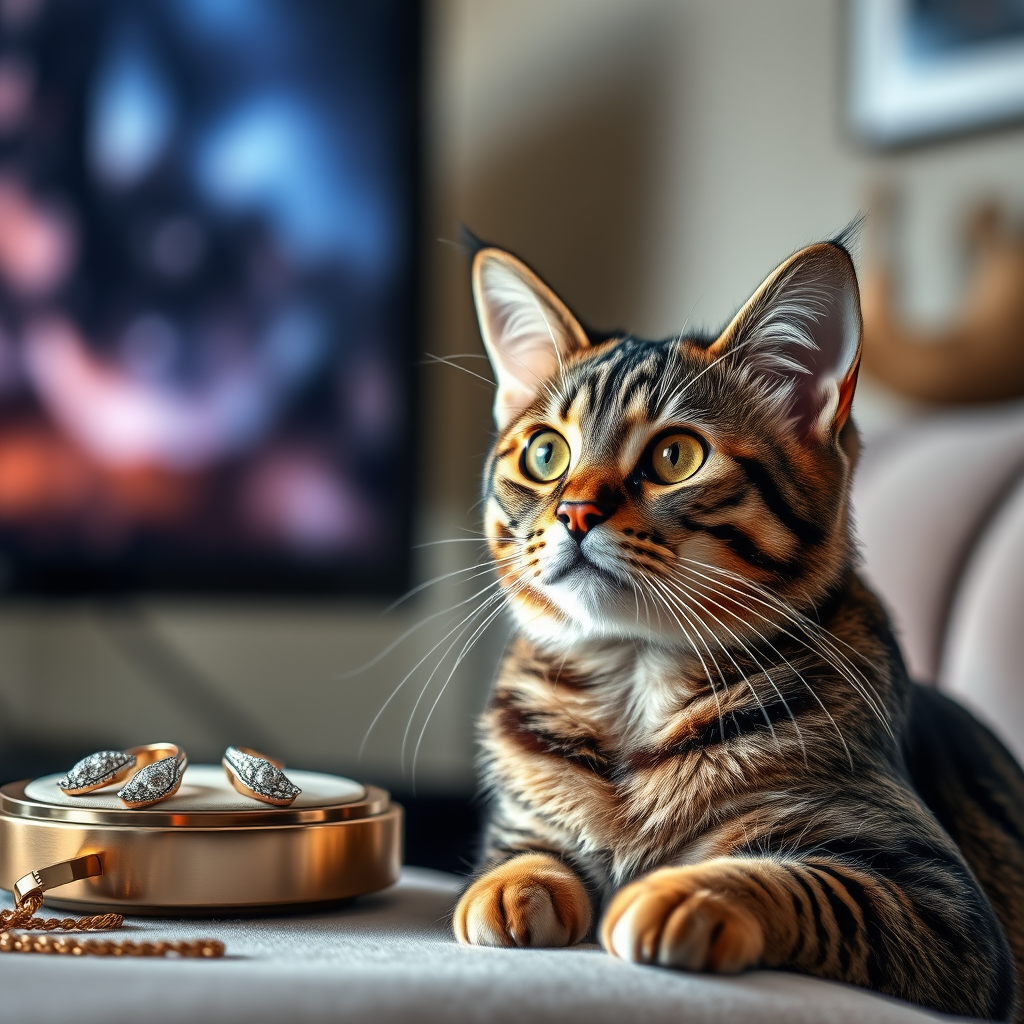

Cats that watch TV may seem smarter, but the reality is more nuanced. While observing television can stimulate a cat’s mind, intelligence in felines is determined by various factors, including genetics and environment. Watching TV does not inherently make a cat smarter; instead, it serves as a form of enrichment that can lead to cognitive engagement. In this article, we’ll delve into what it means for cats to watch TV and whether it truly correlates with their intelligence.
The Science of Feline Intelligence
Intelligence in cats is often measured by problem-solving ability and adaptability. Unlike traditional measures of intelligence, feline intelligence encompasses a broader range of skills, including social interactions and environmental awareness. Research has shown that cats can learn through observation and can solve puzzles to obtain rewards. Studies suggest that cognitive abilities can vary significantly among different breeds, indicating that genetics play a vital role in determining a cat’s intelligence.
Research also indicates that environmental enrichment, such as watching TV, can enhance cognitive skills. For example, a study published in the Journal of Applied Animal Welfare Science found that cats exposed to enriched environments, which included visual stimulation, exhibited improved behavior and cognitive abilities. Therefore, while watching TV might not directly indicate higher intelligence, it can provide valuable mental stimulation that contributes to a cat’s overall cognitive health.
Understanding Cat Behavior
Cats are naturally curious animals, and watching moving images can engage their predatory instincts. Their innate drive to chase and hunt is triggered by the fast movements of animals on screen, such as birds or fish. This visual stimulation can lead to increased activity levels and engagement, particularly in indoor cats that may lack diverse experiences in their environment.
Television can provide mental stimulation, especially for indoor cats that may not have the opportunity to explore the outdoors. Many cat owners have observed their feline friends reacting with excitement to the sounds and movements of wildlife documentaries or animated shows. This behavior can be beneficial in preventing boredom, which is often linked to behavioral issues such as aggression or anxiety. By providing a visually engaging environment, cat owners can help their pets stay mentally active and satisfied.
The Role of Environmental Enrichment
Environmental enrichment activities, including interactive play and visual stimulation, contribute significantly to a cat’s mental health. A well-rounded environment includes various forms of enrichment that cater to a cat’s natural instincts. Watching TV may serve as a form of enrichment, but it should not replace active play and social interaction.
Interactive toys, scratching posts, and climbing structures should complement screen time to create a stimulating environment. Engaging with your cat through play not only strengthens your bond but also promotes healthy behavior. Research shows that cats thrive in environments where they can explore and engage with their surroundings, leading to improved mental and physical health.
Top 7 Enrichment Activities for Cats (2024)
| # | Activity | Benefits | Engagement Level |
|---|---|---|---|
| 1 | Interactive Toys | Improves problem-solving skills | High |
| 2 | Climbing Structures | Encourages physical activity | Medium |
| 3 | Puzzles | Enhances cognitive skills | High |
| 4 | Outdoor Exploration | Stimulates senses | Very High |
| 5 | TV Watching | Mental engagement | Medium |
| 6 | Catnip Toys | Enhances playfulness | High |
| 7 | Social Interaction | Promotes bonding | Very High |
Types of TV Content Cats Prefer
Cats are attracted to content featuring fast-moving objects, such as birds or fish, which mimic their hunting behavior. Programs featuring nature documentaries or animated shows tend to capture their attention better than traditional sitcoms or dramas. This preference is rooted in their instinctual need to hunt and explore their environment, which is reflected in their viewing habits.
Certain programs designed specifically for cats can capture their attention more effectively than others. For example, shows that feature high-contrast visuals and sounds of birds chirping or fish swimming can invoke a strong response from cats. Many pet owners find that playing these specially designed cat shows can lead to increased engagement and activity from their pets, making TV watching a fun and interactive experience for both the cat and the owner.
Debunking Myths About Cat Intelligence
Watching TV does not necessarily indicate higher intelligence; it might simply reflect a cat’s natural curiosity. While observing television can be stimulating, it is essential to note that intelligence in cats encompasses a range of traits, including social learning, problem-solving, and adaptability. Other factors, such as breed and individual personality, play a more significant role in determining a cat’s intelligence.
For instance, some breeds, like the Siamese or Abyssinian, are known for their higher levels of cognitive abilities and social engagement compared to more solitary breeds like the Persian. Therefore, while a cat’s interest in television can be a sign of engagement, it should not be viewed as a definitive measure of intelligence.
Tips for Engaging Your Cat
To create a stimulating environment for your cat, consider incorporating various activities, including watching selected TV shows. Here are some actionable tips to enhance your cat’s engagement:
1. Rotate Toys: Regularly change your cat’s toys to keep their interest piqued. Introduce new items or rotate existing ones to provide variety.
2. Interactive Play: Engage in daily interactive play sessions with wand toys or laser pointers, allowing your cat to practice their hunting skills.
3. Scheduled TV Time: Set aside specific times to watch cat-friendly programs together, turning it into a bonding experience.
4. Create a Cozy Viewing Area: Make a comfortable space for your cat to enjoy their shows, complete with their favorite blanket or bed.
5. Incorporate Nature: If possible, allow your cat to observe real wildlife through a window, enhancing their natural curiosity alongside TV watching.
By providing a balanced mix of activities, including TV watching, you can contribute to your cat’s mental stimulation and overall well-being.
When to Seek Professional Advice
If your cat exhibits unusual behavior or seems overly fixated on the TV, it may be time to consult a veterinarian or animal behaviorist. Signs to watch for include excessive vocalization, aggression, or signs of anxiety. Understanding your cat’s specific needs can help tailor their environment for optimal mental stimulation.
A professional can offer valuable insights and recommendations on how to enrich your cat’s life further. They may suggest behavioral modifications, additional enrichment strategies, or even assess underlying health issues that could be contributing to the behavior.
In summary, while there is a connection between cats that watch TV and their engagement with their environment, it doesn’t definitively indicate higher intelligence. Providing a balanced mix of activities, including TV watching, can enhance your cat’s mental stimulation. Explore various forms of enrichment to create a fulfilling lifestyle for your feline friend!
Frequently Asked Questions
Are cats that watch TV smarter than those that don’t?
While it’s tempting to think that cats who watch TV are smarter, intelligence in cats is not solely determined by their viewing habits. Cats are inherently curious creatures, and those that are drawn to screens may simply be more stimulated by visual movement and sounds, rather than exhibiting higher intelligence.
How can I tell if my cat enjoys watching TV?
You can tell if your cat enjoys watching TV by observing their behavior during viewing sessions. Signs of enjoyment include focused attention on the screen, tail twitching, or even playful pouncing at the images. Cats may also respond vocally or physically to the sounds coming from the television, indicating engagement.
Why do some cats seem fascinated by TV shows?
Some cats are fascinated by TV shows due to their natural hunting instincts, which are triggered by the fast movements of animals or objects on screen. The combination of sound effects and visual stimulation can mimic the experience of hunting, making it an entertaining activity for them.
What types of TV programs are best for cats to watch?
The best types of TV programs for cats typically include nature documentaries featuring birds, fish, or small mammals, as well as specially designed cat videos that incorporate sounds and visuals appealing to felines. These programs can provide mental stimulation and keep your cat entertained for extended periods.
Which breeds of cats are more likely to watch TV?
While all cats may show interest in TV, certain breeds like Siamese, Abyssinians, and Bengals are known for their curious nature and higher activity levels, making them more likely to engage with visual media. However, individual personality plays a significant role, so any cat may surprise you with their interest in watching TV.
References
- https://www.bbc.com/news/magazine-27483725
https://www.bbc.com/news/magazine-27483725 - https://www.nytimes.com/2020/02/07/science/cat-television.html
https://www.nytimes.com/2020/02/07/science/cat-television.html - https://www.sciencedirect.com/science/article/pii/S1550786321001415
https://www.sciencedirect.com/science/article/pii/S1550786321001415 - https://www.ncbi.nlm.nih.gov/pmc/articles/PMC7252057/
https://www.ncbi.nlm.nih.gov/pmc/articles/PMC7252057/ - https://www.who.int/news-room/fact-sheets/detail/animal-health
https://www.who.int/news-room/fact-sheets/detail/animal-health - https://www.cdc.gov/healthypets/health-benefits/index.html
https://www.cdc.gov/healthypets/health-benefits/index.html - https://www.nature.com/articles/s41598-021-97556-0
https://www.nature.com/articles/s41598-021-97556-0 - Google Scholar Google Scholar
https://scholar.google.com/scholar?q=cats+watching+tv+intelligence - Google Scholar Google Scholar
https://scholar.google.com/scholar?q=cats+behavior+television+effects - Google Scholar Google Scholar
https://scholar.google.com/scholar?q=cats+mental+stimulation+media

[…] In my own setup for a past eclipse day, I kept eclipse glasses in reach of each viewer station (living room and patio), and I muted notifications once coverage started to avoid distracting people at the wrong moment. That’s a practical workflow improvement if you’re hosting friends, coworkers, or a family group—think “event runbook” rather than “casual TV watching.” […]
[…] – Choose 2700K–3000K for living rooms where comfort matters more than maximum visual stimulation. […]