

Speakers are output devices that convert electrical signals into sound. As essential components of audio systems, they play a critical role in delivering auditory experiences, whether for music, movies, or presentations. Understanding the function of speakers, their types, and how they fit into broader audio systems is crucial for anyone looking to optimize their sound experience.
Understanding Input and Output Devices
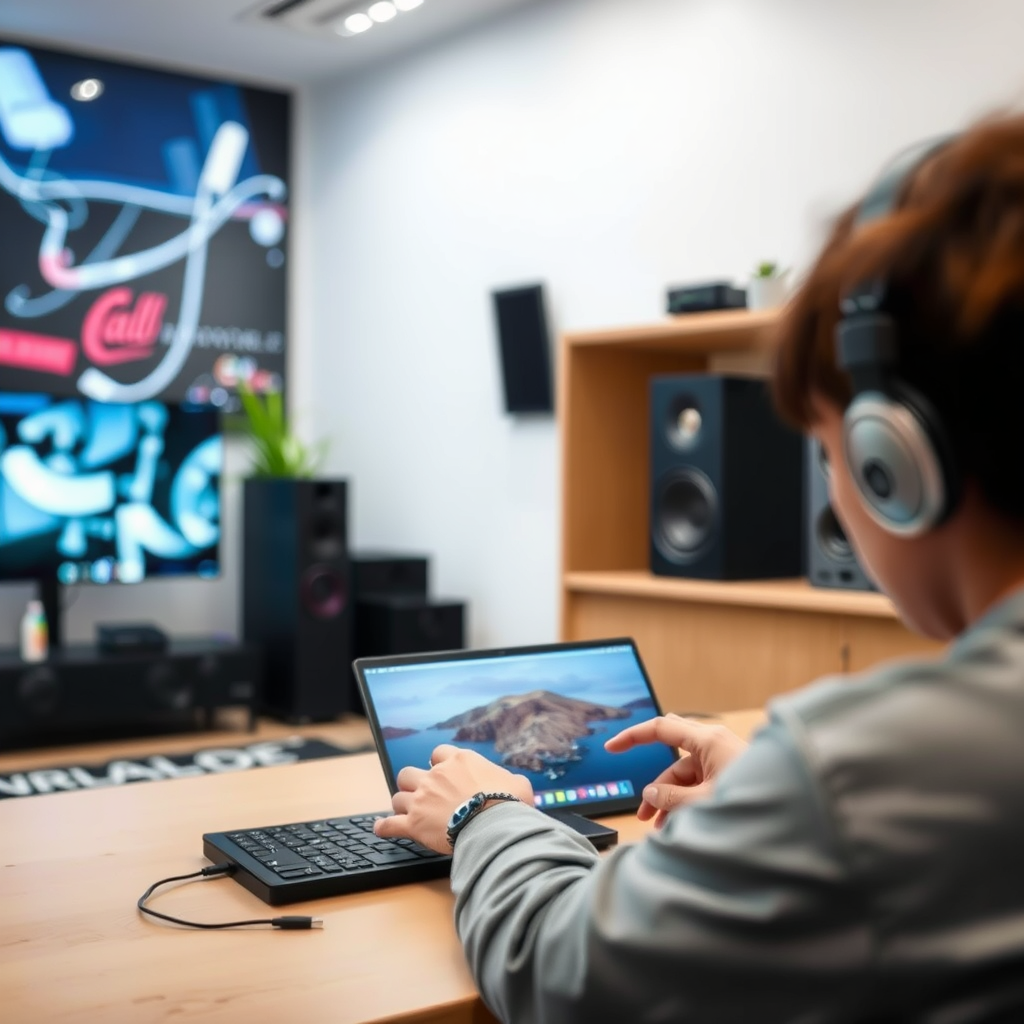
Input devices are hardware components that send data to a computer or audio system. Examples include microphones, which capture sound and convert it into electrical signals, and keyboards, which allow users to input text and commands. These devices are crucial for creating and entering data into systems.
On the other hand, output devices receive data from a computer and convert it into a usable form for the user. Common output devices include monitors, which display visual data, and printers, which produce physical copies of digital documents. Distinguishing between input and output devices is vital for understanding how systems communicate and function. For instance, in an audio system, a microphone acts as an input device, capturing sound, while speakers serve as output devices, translating electrical signals back into audible sound.
The Role of Speakers in Audio Systems
Speakers are integral to audio systems as they convert electrical signals into sound waves, making it possible for us to hear music, dialogue, and sound effects. When an audio signal is transmitted to a speaker, it travels through a series of components, ultimately causing a diaphragm to vibrate, which produces sound waves.
Speakers come in two main types: passive and active. Passive speakers require an external amplifier to drive them, while active speakers have built-in amplifiers. The significance of speakers in overall sound reproduction cannot be overstated; they determine the clarity, volume, and fidelity of the audio experience. High-quality speakers can significantly enhance the listening experience, making them a crucial consideration when building any audio setup.
Types of Speakers: A Deeper Look
Speakers come in various forms, each designed to serve specific purposes. Here’s an overview of different speaker types:
– Bookshelf Speakers: Compact and versatile, suitable for small spaces while still delivering high-quality sound.
– Floor-Standing Speakers: Larger models that produce deeper bass and are ideal for home theater systems.
– Portable Speakers: Battery-operated, lightweight options that allow for on-the-go sound enjoyment.
– Soundbars: Designed to enhance TV audio, offering a more immersive experience without the need for multiple speakers.
– Subwoofers: Specialized speakers focused on reproducing low-frequency sounds, enhancing bass in audio setups.
When selecting the right speaker for your needs, consider factors such as room size, listening habits, and desired audio quality. Different environments, whether a home theater or a casual outdoor gathering, may require different types of speakers to achieve optimal sound.
Top 7 Speaker Types by Popularity (2024)
| # | Speaker Type | Usage | Price Range | Popularity Rating |
|---|---|---|---|---|
| 1 | Bookshelf Speakers | Home Audio | $150 – $500 | ★★★★☆ |
| 2 | Floor-Standing Speakers | Home Theater | $300 – $1,200 | ★★★★★ |
| 3 | Portable Speakers | Outdoor Use | $50 – $300 | ★★★☆☆ |
| 4 | Soundbars | TV Audio | $100 – $800 | ★★★★☆ |
| 5 | Subwoofers | Bass Enhancement | $150 – $700 | ★★★★☆ |
| 6 | In-Ear Monitors | Personal Listening | $100 – $600 | ★★★☆☆ |
| 7 | Bluetooth Speakers | Wireless Use | $60 – $400 | ★★★★☆ |
The Science Behind Sound Production
The generation of sound waves in speakers involves a complex interaction of various components. When an audio signal is sent to a speaker, it travels through the voice coil, which is situated within a magnetic field created by the speaker’s magnet. The electrical current flowing through the coil generates a magnetic field, causing the coil to move back and forth.
This movement is transferred to the diaphragm, often referred to as the speaker cone, which vibrates to produce sound waves. The design of the speaker—such as the materials used for the cone, the size of the voice coil, and the configuration of the magnetic structure—significantly impacts the audio quality. For instance, a well-designed speaker can reproduce sound accurately across a range of frequencies, ensuring a rich listening experience.
Common Misconceptions About Speakers
A prevalent misconception is that speakers can serve both input and output functions. While some devices, like sound cards, can process both input and output signals, speakers are distinctly output devices. They are designed solely to convert electrical signals into sound, not to capture or process audio signals.
Devices that blur the lines between input and output include smart speakers, which can receive voice input (acting as a microphone) while also functioning as a speaker. However, it’s crucial to maintain clarity in terminology to avoid confusion in discussions about audio technology, especially when making decisions about equipment or troubleshooting audio issues.
Practical Applications of Speakers
Speakers find applications in a variety of environments, enhancing user experience across devices. In home theaters, high-quality speakers are essential for immersive audio experiences, allowing viewers to enjoy films as intended by the creators. In public speaking scenarios, portable speakers ensure that audiences can hear presentations clearly, regardless of venue size.
Moreover, the future of speaker technology is promising, with trends pointing toward increased integration with smart home systems, improvements in wireless connectivity, and advancements in sound quality through innovative engineering. As technology evolves, speakers are likely to become even more versatile and user-friendly.
The insights shared in this article clarify that speakers are indeed output devices crucial for sound reproduction. Understanding their role helps in making informed decisions, whether you are setting up a home audio system or enhancing your professional sound setup. Explore more about audio systems and speaker technology to optimize your listening experience!
Frequently Asked Questions
Are speakers considered input or output devices?
Speakers are classified as output devices because they take electrical signals and convert them into sound waves that can be heard by users. This function is essential in audio playback systems, where the primary goal is to output sound for the listener.
How do speakers work as output devices?
Speakers work by using an electromagnet that moves a diaphragm back and forth, creating sound waves. When an audio signal is sent to the speaker, it activates the electromagnet, causing the diaphragm to vibrate and produce sound, which is why they are essential for delivering audio.
Why is it important to understand that speakers are output devices?
Understanding that speakers are output devices helps consumers choose the right audio equipment for their needs. By knowing that speakers output sound, users can ensure they select compatible devices, such as amplifiers or receivers, that enhance the audio experience rather than interfere with it.
What are the best types of speakers for high-quality output?
The best types of speakers for high-quality output typically include floor-standing speakers, bookshelf speakers, and studio monitors. Each of these types offers different benefits in terms of sound clarity, bass response, and overall audio fidelity, making them suitable for various listening environments.
Which devices can be connected to speakers as output devices?
Speakers can be connected to a variety of devices that serve as audio sources, including computers, smartphones, televisions, and audio receivers. These connections allow users to experience superior sound from their favorite media, enhancing overall enjoyment and immersion in audio content.
References
- https://en.wikipedia.org/wiki/Speaker_(audio
https://en.wikipedia.org/wiki/Speaker_(audio - https://www.britannica.com/technology/speaker
https://www.britannica.com/technology/speaker - https://www.sciencedirect.com/topics/engineering/loudspeaker
https://www.sciencedirect.com/topics/engineering/loudspeaker - https://www.ncbi.nlm.nih.gov/pmc/articles/PMC6150441/
https://www.ncbi.nlm.nih.gov/pmc/articles/PMC6150441/ - Google Scholar Google Scholar
https://scholar.google.com/scholar?q=speakers+input+or+output - https://scholar.google.com/scholar?q=audio+speakers+function Google Scholar
https://scholar.google.com/scholar?q=audio+speakers+function - https://www.nature.com/articles/s41598-019-49052-1
https://www.nature.com/articles/s41598-019-49052-1 - https://www.cdc.gov/niosh/topics/noise/surveillance.html
https://www.cdc.gov/niosh/topics/noise/surveillance.html - https://www.who.int/news-room/fact-sheets/detail/noise
https://www.who.int/news-room/fact-sheets/detail/noise - https://www.mayoclinic.org/healthy-lifestyle/adult-health/in-depth/hearing-loss/art-20045508
https://www.mayoclinic.org/healthy-lifestyle/adult-health/in-depth/hearing-loss/art-20045508
