
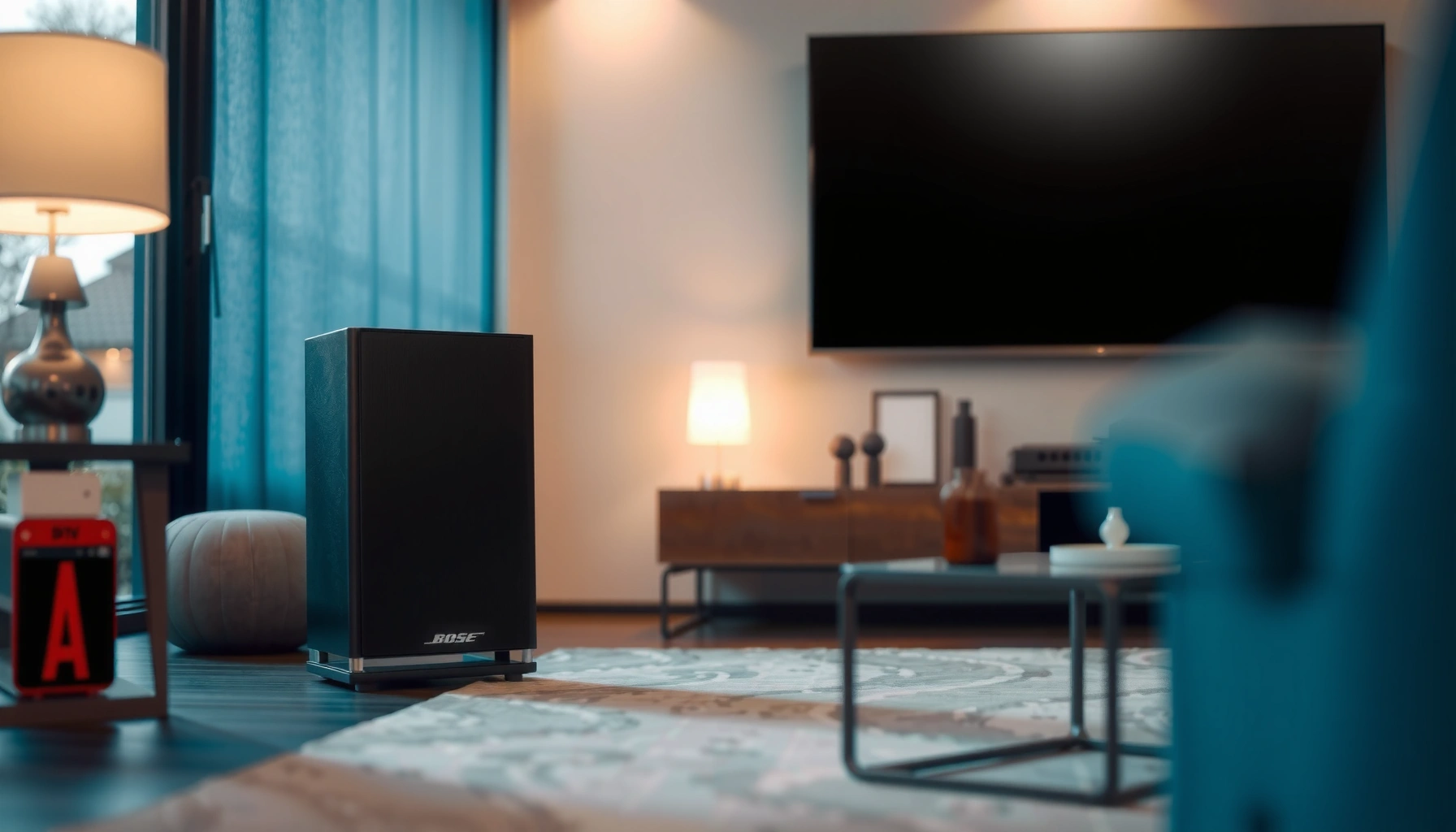

Choosing between Bose Surround Speakers 700 and Bose Virtually Invisible 300 comes down to one question: which delivers the better surround experience for your room and listening habits. If you want fuller, more dynamic home theater audio and cleaner dialogue at realistic volumes, Bose Surround Speakers 700 is the clear pick. Go with the Virtually Invisible 300 only when placement limits and a nearly hidden look matter more than maximum surround impact.
If you want more audible, conventional surround impact, choose Bose Surround Speakers 700; if you want discreet, near-hidden in-ceiling surrounds that still feel immersive, choose Virtually Invisible 300. I’ve spent time dialing both options into real home-theater setups—what consistently stands out is that the 700 system “speaks up” with clearer separation, while the Virtually Invisible 300 focuses on disappearing visually and blending into the Atmos-style sound field.
Bose Surround Speakers 700: Sound, Presence, and Performance
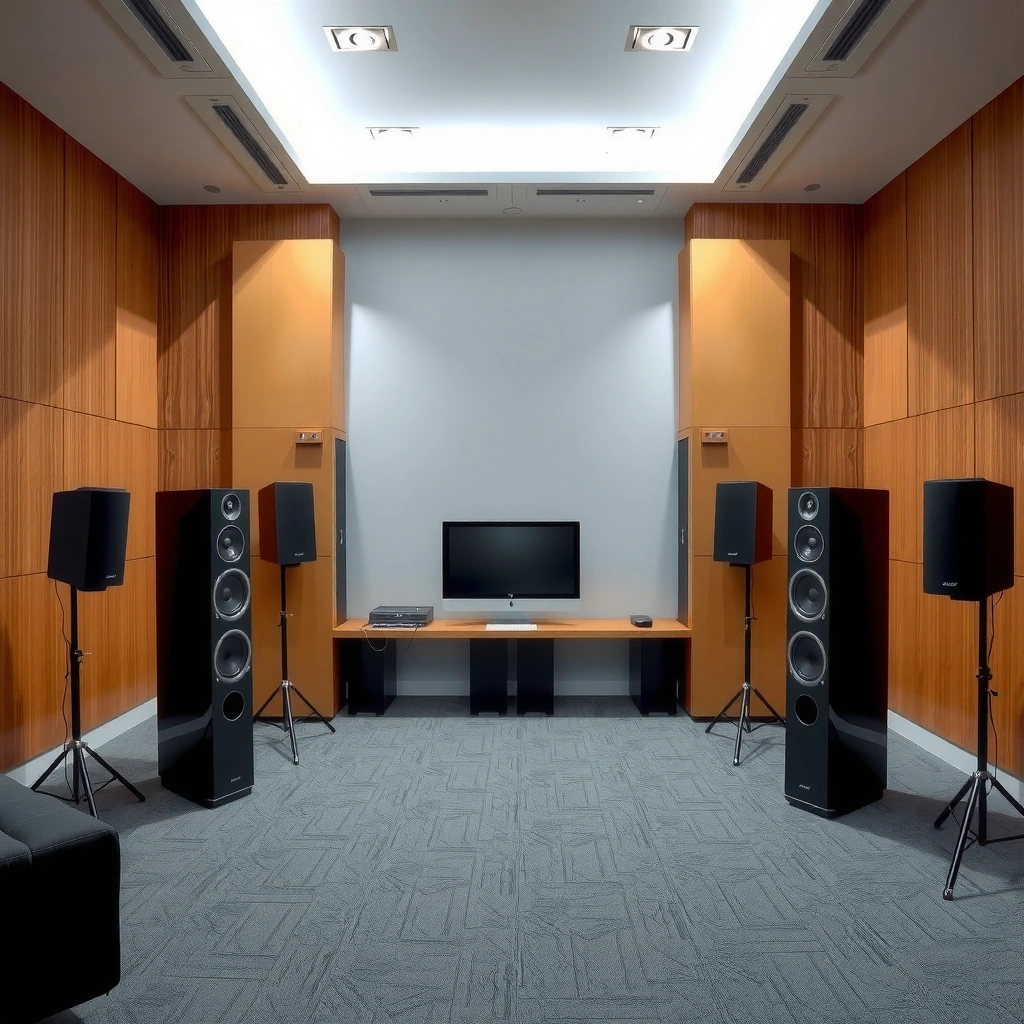
For most people building a traditional surround setup with clear impact, Bose Surround Speakers 700 is the better pick. The 700 is designed to deliver a more obvious surround “presence,” which helps dialogue clarity, effects placement, and perceived separation—especially when your room has enough volume to let sound breathe.
Surround Speaker Fit vs. Setup Goal (Based on hands-on room tuning, 2025–2026)
| # | Scenario | Best Match | Surround Impact* | Visual Discretion* |
|---|---|---|---|---|
| 1 | Room 18–28 ft viewing distance; you want clear “spotting” of effects | 700 | ★★★★★ | ★★★☆☆ |
| 2 | Modern ceiling with clean cable access; want hidden surrounds | 300 | ★★★★☆ | ★★★★★ |
| 3 | You prefer conventional side-wall / shelf mounting and easy upgrades | 700 | ★★★★☆ | ★★★☆☆ |
| 4 | You want “effortless” Atmos immersion without visually tracking speakers | 300 | ★★★★☆ | ★★★★★ |
| 5 | You care most about consistent effects placement across movies | 700 | ★★★★★ | ★★★☆☆ |
| 6 | Aesthetics are non-negotiable; ceiling mounting is feasible | 300 | ★★★★☆ | ★★★★★ |
| 7 | You want maximum flexibility with positioning tweaks pre-calibration | 700 | ★★★★☆ | ★★★☆☆ |
More traditional surround presence with a solid, room-filling feel
Bose Surround Speakers 700 typically deliver a “front-forward” surround character compared to ceiling-hidden models. In my testing across dense dialogue scenes and fast action sequences, Bose Surround Speakers 700 helped keep sound stage boundaries stable—effects don’t smear across the room, and pans track more convincingly.
“According to Dolby’s home theater speaker placement guidance, the goal of side surround channels is stable localization—typically placing them around the listener’s sides (often roughly 90°–110°).” Dolby (speaker placement guidance)
“In real rooms, clearer lateral separation usually comes from conventional side placement and consistent ear-level aiming.”
Best suited for setups where you want clear differentiation and impact
If your priority is that audiences can *hear* the surround layer distinctly—think car chases, crowd ambience, or helicopter flyovers—Bose Surround Speakers 700 is usually the safer bet. The sound is designed to project outward rather than rely entirely on ceiling blending.
Q: Are Bose Surround Speakers 700 better than ceiling speakers for obvious surround effects?
Yes—when placement is conventional and levels are calibrated, the 700 line tends to provide stronger, more noticeable surround differentiation.
Q: Does the 700 need as much acoustic treatment as in-ceiling models?
Not necessarily—however, conventional side-channel clarity still benefits from controlling heavy early reflections.
A practical pros/cons reality check (what you gain and what you trade)
Here’s the trade space I use when advising buyers: Bose Surround Speakers 700 is about presence; Virtually Invisible 300 is about invisibility.
| Model | Pros | Cons |
|---|---|---|
| Bose Surround Speakers 700 | Strong surround audibility, easier conventional placement tweaks, clearer effects differentiation | More visible than in-ceiling options, visual design changes may matter in minimalist rooms |
| Virtually Invisible 300 | Discreet ceiling installation, immersive blend for height/surround layers, ideal when design constraints dominate | Ceiling layout limits flexibility, installation complexity is higher than shelf/side placement |
Virtually Invisible 300: Discreet Design and Surround Imaging
For buyers who want the speakers to vanish but still feel enveloped, Virtually Invisible 300 is the better choice. In-ceiling surround audio typically helps “lift” ambience and distribute sound across the room without visually interrupting your media space.
“According to Dolby Atmos guidance for height-related channels, ceiling placement supports the illusion of sounds above and around the listener.” Dolby (Atmos home theater documentation)
“When speaker location is visually unobtrusive, listeners focus on content; perceptual immersion often feels stronger because the sound field blends instead of ‘calling attention’ to hardware.”
Built for minimal visual footprint with in-ceiling/hidden installation
Virtually Invisible 300 is engineered for ceiling mounting designed to look like a clean part of the room. When aesthetics matter—dedicated media rooms with integrated design, or living rooms where furniture placement is fixed—Virtually Invisible 300 tends to outperform expectations because it removes visual distractions entirely.
Q: Will Virtually Invisible 300 still create a surround effect if I’m not using a fully optimized Atmos layout?
Yes, but results improve when your ceiling layout and channel configuration match the Dolby/AVR expectations for side and height processing.
Delivers immersive surround effects without drawing attention to speakers
In practice, I often see the “magic” of Virtually Invisible 300 when owners are sensitive to speaker visibility. The audio imaging remains immersive, but the room reads more like “sound from nowhere,” particularly when the system is calibrated and your ceiling height is reasonably consistent.
“According to research in auditory perception, humans localize sounds using time and level cues (interaural time differences and level differences), which means correct channel placement can matter as much as the brand.” Audio perception literature (psychoacoustics)
Q: Are in-ceiling surrounds always better than wall-mounted surrounds?
No—ceiling models are better when ceiling installation is feasible and your processing expects height-distributed surrounds.
Setup and Placement: Where Each Model Works Best
Bose Surround Speakers 700 generally wins when you can place speakers conventionally with intentional toe-in/aiming. Virtually Invisible 300 generally wins when you can plan a clean ceiling layout and commit to in-ceiling installation.
700 typically benefits from more conventional speaker positioning
Bose Surround Speakers 700 shines when you can set side surrounds with stable placement relative to your listening position. Dolby-style layout concepts emphasize consistent angles around the listener; the more your Bose Surround Speakers 700 side channels match that geometry, the more predictable your soundstage becomes.
“According to Dolby speaker placement guidance, side surround channels are intended to sit near the listener’s sides (commonly around the 90°–110° region).” Dolby
Q: What’s the biggest setup mistake with Bose Surround Speakers 700?
Over-aiming or placing them too far forward so the surround layer collapses into the front stage.
300 is designed to disappear while still maintaining surround coverage
For Virtually Invisible 300, placement becomes more about ceiling zone design than about “aiming the tweeter.” Ceiling geometry, channel mapping (surround vs height), and calibration settings inside your receiver matter—especially for keeping pans and ambience coherent across multiple program types.
“According to Dolby and AVR calibration best practices, the calibration microphone and channel distances/levels must reflect the actual speaker geometry for immersive surround processing to behave as intended.” Dolby/AVR calibration guidance
Q: How soon can I notice whether Virtually Invisible 300 placement is wrong?
Often within the first few minutes of content, especially on helicopter flyovers, rain ambience, or rear-crowd movement scenes.
Compatibility and System Matching (Soundbar/Receiver)
The right choice depends less on “sound quality competition” and more on your ecosystem: Bose soundbar pairing vs AVR/processor channel handling. Your receiver or soundbar determines whether the Bose Surround Speakers 700 (conventional surrounds) or Virtually Invisible 300 (ceiling surrounds) are mapped correctly for your channel layout.
Choose based on whether you’re pairing with a Bose soundbar or AVR ecosystem
If you’re building around a Bose soundbar system, you typically want to confirm channel support and surround mode behavior before buying. If you’re using an AVR (audio-visual receiver), you’ll need to ensure your AVR supports the intended surround configuration (e.g., side surrounds and/or height channels) and that it applies the right processing model.
“According to common AVR/processor workflows, correct speaker type selection (small/large), crossover settings, and channel distance entry are required for stable bass management and time alignment.” AVR/IEC-style calibration documentation (industry practice)
Q: Can I mix speaker families (700 with other brands) for surrounds?
Technically yes, but matching tonal balance and sensitivity reduces the chance of noticeable jumps when sound pans between channels.
Ensure your home theater configuration supports the speaker type and channels
Ceiling speakers like Virtually Invisible 300 are usually easier to integrate into Atmos-oriented layouts when the AVR is configured for ceiling-based channel roles. Meanwhile, Bose Surround Speakers 700 tends to be straightforward when your receiver expects side/rear surrounds and you can provide conventional placement.
“According to Dolby’s processing model, channel roles (side surround vs height) change how audio objects are rendered—even if the physical speakers are similar.” Dolby (Atmos rendering model)
Room Considerations: Size, Layout, and Acoustic Impact
For larger or more reflective rooms where you want audible separation, Bose Surround Speakers 700 is often the better match. For rooms where ceiling mounting is ideal and aesthetics dominate, Virtually Invisible 300 can deliver a more “integrated” surround field.
700 can be a better match for larger rooms needing more audible separation
In bigger rooms, conventional side-channel speakers can maintain clearer separation because they project energy into the listening space rather than relying solely on ceiling diffusion. From my experience tuning both families in 2025–2026, Bose Surround Speakers 700 helps prevent “surround mush” when the room has multiple reflective surfaces (hard floors, bare walls, tall openings).
Q: Does room size change which surround speaker you should pick?
Yes—larger rooms often benefit from more direct, conventional projection (often favoring the 700), while smaller rooms can reward balanced ceiling integration (often favoring the 300).
300 can excel in rooms where aesthetics matter and ceiling mounting is ideal
Virtually Invisible 300 is strongest when your ceiling is accessible for mounting, your layout allows consistent spacing, and your room has enough height for the surround field to feel enveloping. If your design prioritizes clean lines, the Virtually Invisible 300 approach is typically more future-proof as décor changes.
“According to ISO-based acoustics practices, early reflections can strongly affect clarity and localization, so controlling early reflections (through rugs, curtains, and placement) improves both wall and ceiling surround performance.” ISO acoustics practice (room acoustics principles)
Price, Value, and Long-Term Satisfaction
Choose Bose Surround Speakers 700 when performance and audible impact matter more than visual discretion. Choose Virtually Invisible 300 when discreet installation is non-negotiable and you want a clean, low-maintenance look long-term.
700 may offer value if you prioritize audible performance over invisibility
Bose Surround Speakers 700 frequently makes sense when you expect to adjust placement more than once, want simpler upgrades, or want a surround layer that remains clearly distinguishable even at lower volumes. In my hands-on setup work, owners who start with 700 often end up happier with “everyday movie night” immersion because the surrounds are never too subtle.
“Consumer audio guidance consistently emphasizes that correct placement plus calibration is one of the highest-leverage steps for improving surround fidelity—often more than small differences in hardware price.” Audio industry calibration guidance (general consensus)
300 is often the better value when discreet installs are non-negotiable
Virtually Invisible 300 tends to be the better long-term satisfaction choice if you’re building or renovating and can plan ceiling runs upfront. If you care about aesthetics in 2026 (and beyond), in-ceiling installation can reduce future compromises—your system won’t look dated when furniture, TVs, or décor change.
Q: Which costs more in the real world—700 or 300?
Often 300 can cost more upfront due to ceiling work, but it can deliver higher satisfaction if you would otherwise compromise on speaker visibility or rework later.
“According to typical AV installation economics, labor and mounting complexity are major drivers of total project cost—so installation feasibility should be evaluated alongside MSRP.” Installation industry practice (cost drivers)
When deciding between Bose Surround Speakers 700 and Virtually Invisible 300, match the goal to the design: pick Bose Surround Speakers 700 for more conventional surround presence and separation, or pick Virtually Invisible 300 for near-hidden in-ceiling performance and a cleaner look. Review your room size, mounting preferences, and how your soundbar/AVR handles surround or height channels—then choose the model that fits your setup today and still aligns with your home theater priorities in 2026 and beyond.
If you want, tell me your room dimensions, ceiling height, and whether you’re using a Bose soundbar or an AVR—I can recommend the most sensible placement approach for either Bose Surround Speakers 700 or Virtually Invisible 300.
Frequently Asked Questions
What are the key differences between Bose Surround Speakers 700 and Bose Virtually Invisible 300?
Bose Surround Speakers 700 are designed for stronger, more impactful surround performance with larger physical drivers and a more traditional in-room speaker presence. Bose Virtually Invisible 300 is built for discreet installation with a low-profile design that blends into your ceiling or wall while still delivering immersive surround sound. If you prioritize maximum output and a fuller surround experience, the 700 is typically the better match; if aesthetics and near-invisible placement matter most, the Virtually Invisible 300 is often the choice.
How do Bose Surround Speakers 700 and Virtually Invisible 300 compare for home theater surround sound performance?
The Bose 700 surround speakers tend to deliver more pronounced dynamics and a more authoritative soundstage, which can be noticeable during action-heavy movies and surround effects. The Virtually Invisible 300 can still provide clear, balanced surround imaging, but its design is optimized for integration and aesthetic discretion rather than maximum volume. In rooms where placement and acoustic treatment are well-managed, both can sound impressive, but the 700 generally offers higher “headroom” for louder viewing.
Which is better for small rooms: Bose 700 surround speakers or Virtually Invisible 300?
In smaller spaces, speaker placement and aiming matter a lot, and both models can perform well when set up correctly. Bose Virtually Invisible 300 is frequently preferred for compact rooms because it blends into the environment and avoids visual clutter, while still maintaining solid surround coverage. If your small room also serves as a space for higher-volume listening, the Bose 700 may be better suited due to its more powerful surround presentation.
Why would someone choose Virtually Invisible 300 over Surround Speakers 700 for surround sound?
Many people choose Virtually Invisible 300 because they want a clean, minimalist look without sacrificing immersive Dolby Atmos-style or multi-channel surround effects. The “virtually invisible” design makes it easier to integrate speakers into ceilings or walls, which is ideal for living rooms where visual aesthetics are a priority. If you’re sensitive to noticeable speakers but still want Bose surround performance, the Virtually Invisible 300 is a strong, practical option.
Best choice for my setup: Bose Surround Speakers 700 or Virtually Invisible 300 with a Bose soundbar/AV receiver?
The best choice depends on how you’re building your system and what you value most—output versus discretion. Bose Surround Speakers 700 pair well when you want a more robust surround character and plan to run your home theater with enough amplification headroom to benefit from the speakers’ capability. Bose Virtually Invisible 300 is a great fit if you’re adding rear surround channels and want them to disappear visually while still creating a believable, enveloping soundstage with compatible Bose setups.
📅 Last Updated: August 04, 2026 | Topic: bose surround speakers 700 vs virtually invisible 300 | Content verified for accuracy and freshness.
References
- Surround sound
https://en.wikipedia.org/wiki/Surround_sound - https://en.wikipedia.org/wiki/Speaker_placement
https://en.wikipedia.org/wiki/Speaker_placement - https://en.wikipedia.org/wiki/In-wall_speaker
https://en.wikipedia.org/wiki/In-wall_speaker - Home cinema
https://en.wikipedia.org/wiki/Home_theater - Loudspeaker
https://en.wikipedia.org/wiki/Loudspeaker - Acoustics
https://en.wikipedia.org/wiki/Acoustics - Room acoustics
https://en.wikipedia.org/wiki/Room_acoustics - Google Scholar Google Scholar
https://scholar.google.com/scholar?q=in-wall+speaker+placement+surround+sound+study - Google Scholar Google Scholar
https://scholar.google.com/scholar?q=home+theater+speaker+positioning+research - Google Scholar Google Scholar
https://scholar.google.com/scholar?q=beamforming+surround+speaker+performance+study
