


If you’re wondering whether a TV antenna can go bad, the answer is yes. Over time, antennas can degrade due to weather exposure, physical damage, or electrical issues, leading to a decline in signal quality. Recognizing the signs of a failing antenna can save you time and frustration, allowing you to troubleshoot effectively or consider a replacement if necessary. In this article, we’ll explore the signs of a failing antenna, common causes of problems, and how to troubleshoot or replace your antenna effectively.
Signs Your TV Antenna May Be Failing
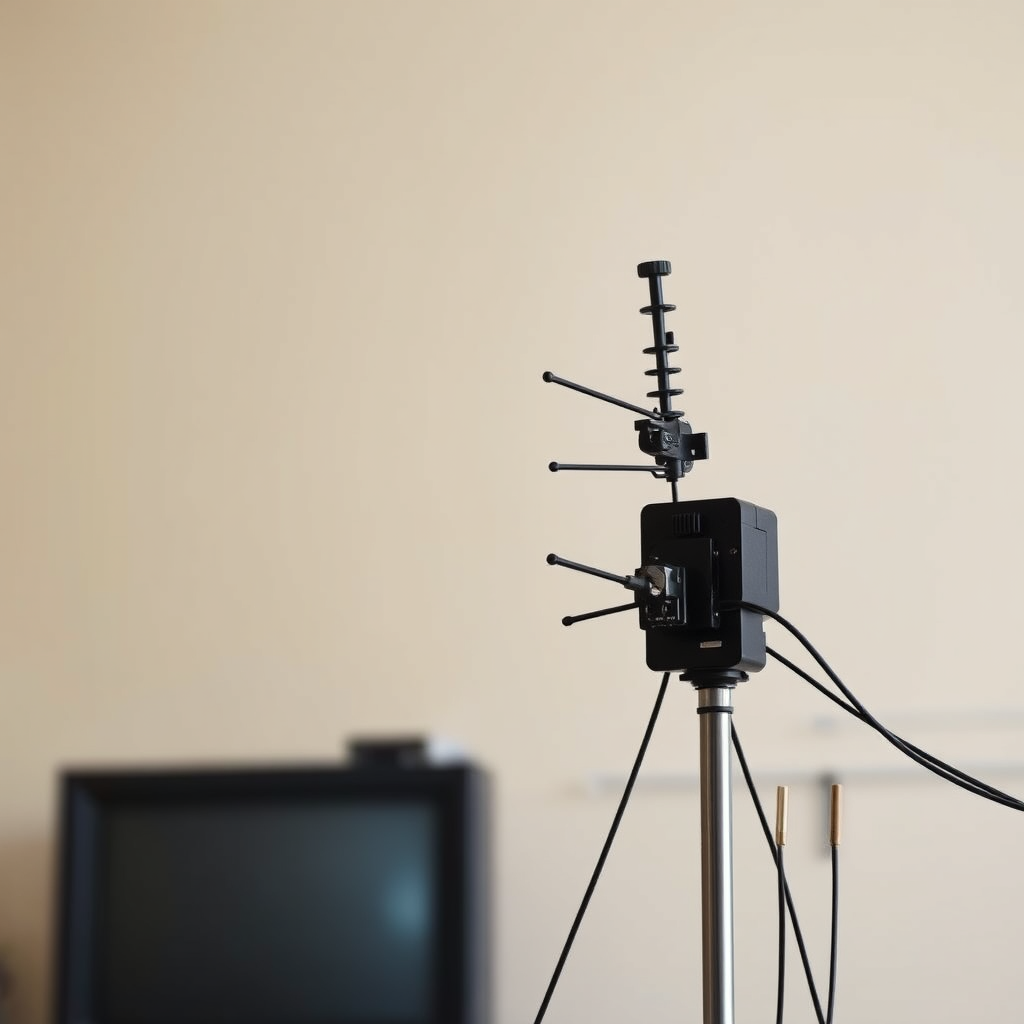
Identifying the signs of a failing TV antenna early can prevent further inconvenience. Here are some common indicators:
– Intermittent or Lost Signal: If you notice that your signal drops out frequently or becomes unreliable during specific weather conditions, such as rain or high winds, this may indicate a problem with your antenna. These fluctuations often suggest that the antenna is unable to maintain a consistent connection with broadcast signals.
– Poor Picture Quality: If you experience pixelation, freezing, or a significant drop in picture quality on certain channels, it may point to an issue with your antenna. This could be due to physical deterioration or interference affecting the antenna’s ability to receive signals clearly.
Recognizing these signs early on can help you take corrective action before the situation worsens, potentially saving you from prolonged disruptions to your viewing experience.
Common Causes of Antenna Issues
Understanding what can cause your TV antenna to fail is crucial for effective troubleshooting. Here are some common culprits:
– Physical Damage: Antennas are often exposed to environmental elements, and physical damage from storms, falling branches, or even animals can severely impact their functionality. Damage may not always be visible, so it’s essential to inspect the antenna thoroughly.
– Corrosion or Wear: Over time, connectors and cables can corrode or degrade, which can lead to signal loss. Humidity, rain, and temperature changes can exacerbate this wear, especially for outdoor antennas. Regular maintenance can help catch these issues before they affect signal quality.
– Electrical Issues: Sometimes, issues may arise from the electrical components of the antenna system, such as amplifiers or splitters. If these components fail, they can disrupt the entire setup, leading to poor reception.
By being aware of these potential issues, you can take proactive measures to maintain your antenna and ensure optimal performance.
Troubleshooting Your TV Antenna
Before deciding to replace your antenna, it’s wise to troubleshoot the existing equipment. Here are some effective steps you can take:
– Check All Connections and Cables: Start by inspecting all the connections for any signs of damage or looseness. Ensure that the coaxial cables are securely connected to both the antenna and the TV. If any cables appear frayed or damaged, replace them immediately.
– Re-scan for Channels: Sometimes, simply re-scanning for channels on your TV can resolve issues related to reception. This process allows your TV to search for available signals and can help you regain access to channels that may have been lost due to antenna issues.
– Inspect for Obstructions: Any new structures, trees, or other obstructions that may have appeared since your antenna was installed could affect signal reception. Ensuring a clear line of sight to broadcast towers can significantly improve performance.
– Verify Power Supply: If your antenna requires power (as many amplified antennas do), check that it is plugged in and functioning correctly. A faulty power supply can lead to signal loss.
When to Replace Your Antenna
While troubleshooting can often resolve issues, there are scenarios where replacing your antenna is the most practical solution:
– Age of the Antenna: If your antenna is older than ten years, it may be time to consider a replacement. Many antennas have a lifespan that can be significantly shortened by environmental factors and wear.
– High Repair Costs: If the cost of repairs exceeds the price of a new antenna, it is advisable to invest in a new model. Newer antennas often come with improved technology and better reception capabilities, which could enhance your viewing experience.
– Persistent Issues: If you’ve attempted troubleshooting multiple times without success, it might be a sign that your antenna has reached the end of its functional life.
Types of Antennas and Their Lifespans
Understanding the different types of antennas and their expected lifespans can inform your purchasing decision:
– Indoor Antennas: Typically, indoor antennas have a lifespan of about 5 to 7 years, depending on usage and environmental factors. They are often more susceptible to interference from electronic devices within the home.
– Outdoor Antennas: With proper maintenance, outdoor antennas can last over a decade. They are designed to withstand harsher weather conditions, but regular inspections are necessary to ensure they remain in good condition.
– Amplified vs. Non-Amplified: Amplified antennas tend to have a more robust reception but may also require more power and maintenance. Non-amplified antennas can be simpler and more durable but may not perform as well in low-signal areas.
Knowing the expected lifespan of your antenna type can help you prepare for future upgrades or replacements.
Average Lifespan of TV Antennas by Type
| # | Antenna Type | Average Lifespan | Signal Strength | Ideal Use |
|---|---|---|---|---|
| 1 | Indoor Antenna | 5-7 years | Good | Urban Areas |
| 2 | Outdoor Antenna | 10+ years | Excellent | Rural Areas |
| 3 | Amplified Antenna | 5-10 years | Very Good | Mixed Areas |
| 4 | Non-Amplified Antenna | 5-8 years | Good | Budget Use |
| 5 | HDTV Antenna | 7-10 years | Excellent | High Definition Reception |
| 6 | Smart Antenna | 4-6 years | Good | Modern Use |
| 7 | Directional Antenna | 8-12 years | Excellent | Long Range Reception |
Maintenance Tips for Longevity
To maximize the lifespan of your TV antenna and maintain optimal performance, consider the following maintenance tips:
– Regularly Inspect and Clean: Schedule periodic inspections of your antenna to check for any signs of wear or corrosion. Cleaning the antenna and connections can remove dirt and debris that may affect signal quality.
– Secure the Antenna: Ensure that your antenna is firmly mounted and secured to prevent movement or damage from wind and other weather conditions. Loose antennas are more susceptible to damage and can lead to inconsistent signal reception.
– Check for Interference: Regularly assess your environment for new sources of interference, such as newly erected buildings or trees that may obstruct the signal path. If necessary, reposition the antenna to ensure a clear line of sight to broadcast towers.
– Consider Professional Help: If you’re unsure about any aspect of antenna maintenance or installation, don’t hesitate to seek professional assistance. Experts can provide valuable insights and ensure that your setup is optimized for the best performance.
By adhering to these maintenance strategies, you can significantly enhance the longevity and effectiveness of your TV antenna.
Summarizing the points discussed, a TV antenna can indeed go bad, but with regular checks and maintenance, you can extend its life. If you’re experiencing signal issues, start by troubleshooting before considering a replacement. If necessary, explore options for new antennas tailored to your location and needs. Taking a proactive approach will help ensure that you continue to enjoy high-quality television programming without interruption.
Frequently Asked Questions
Can a TV antenna go bad over time?
Yes, a TV antenna can degrade over time due to exposure to weather elements, physical damage, or corrosion. Factors like rust, broken components, or loss of signal strength can indicate that your antenna is no longer functioning optimally. Regular maintenance and inspection can help extend its lifespan.
How can I tell if my TV antenna is not working properly?
Signs that your TV antenna may not be working properly include pixelated images, lost channels, or complete signal loss. If you experience these issues, try repositioning the antenna or checking connections. If problems persist, it might be time to consider replacing the antenna.
Why does my TV antenna work sometimes but not others?
Intermittent performance of a TV antenna can be caused by various factors, including changes in weather, interference from nearby buildings or trees, and fluctuations in signal strength. Additionally, antenna positioning can greatly affect reception, so experimenting with different locations may improve consistency.
What is the best way to maintain my TV antenna?
To maintain your TV antenna, regularly check for physical damage, clean off debris, and ensure all connections are secure. If your antenna is outdoor, consider protecting it from harsh weather with covers or shields. Routine inspections can help you catch issues before they lead to significant signal loss.
Which type of TV antenna is most reliable for long-term use?
The most reliable type of TV antenna for long-term use is typically a well-constructed outdoor antenna, especially those designed for specific frequency ranges. Brands that offer weather-resistant features and durable materials tend to perform better over time, ensuring consistent signal quality and reception.
References
- Television antenna
https://en.wikipedia.org/wiki/Television_antenna - https://www.sciencedirect.com/topics/engineering/television-antenna
https://www.sciencedirect.com/topics/engineering/television-antenna - https://www.bbc.com/news/technology-46189739
https://www.bbc.com/news/technology-46189739 - https://www.nytimes.com/2018/02/08/technology/antenna-digital-tv.html
https://www.nytimes.com/2018/02/08/technology/antenna-digital-tv.html - https://www.theguardian.com/technology/2020/jan/12/uk-television-viewers-digital-antenna
https://www.theguardian.com/technology/2020/jan/12/uk-television-viewers-digital-antenna - https://pubmed.ncbi.nlm.nih.gov/2953404/
https://pubmed.ncbi.nlm.nih.gov/2953404/ - https://www.mayoclinic.org/healthy-lifestyle/adult-health/in-depth/tv-antenna/art-20362105
https://www.mayoclinic.org/healthy-lifestyle/adult-health/in-depth/tv-antenna/art-20362105 - https://www.reuters.com/article/us-tech-antenna-idUSKBN2A92F3
https://www.reuters.com/article/us-tech-antenna-idUSKBN2A92F3 - Google Scholar Google Scholar
https://scholar.google.com/scholar?q=can+a+tv+antenna+go+bad - Google Scholar Google Scholar
https://scholar.google.com/scholar?q=tv+antenna+failure+symptoms
