
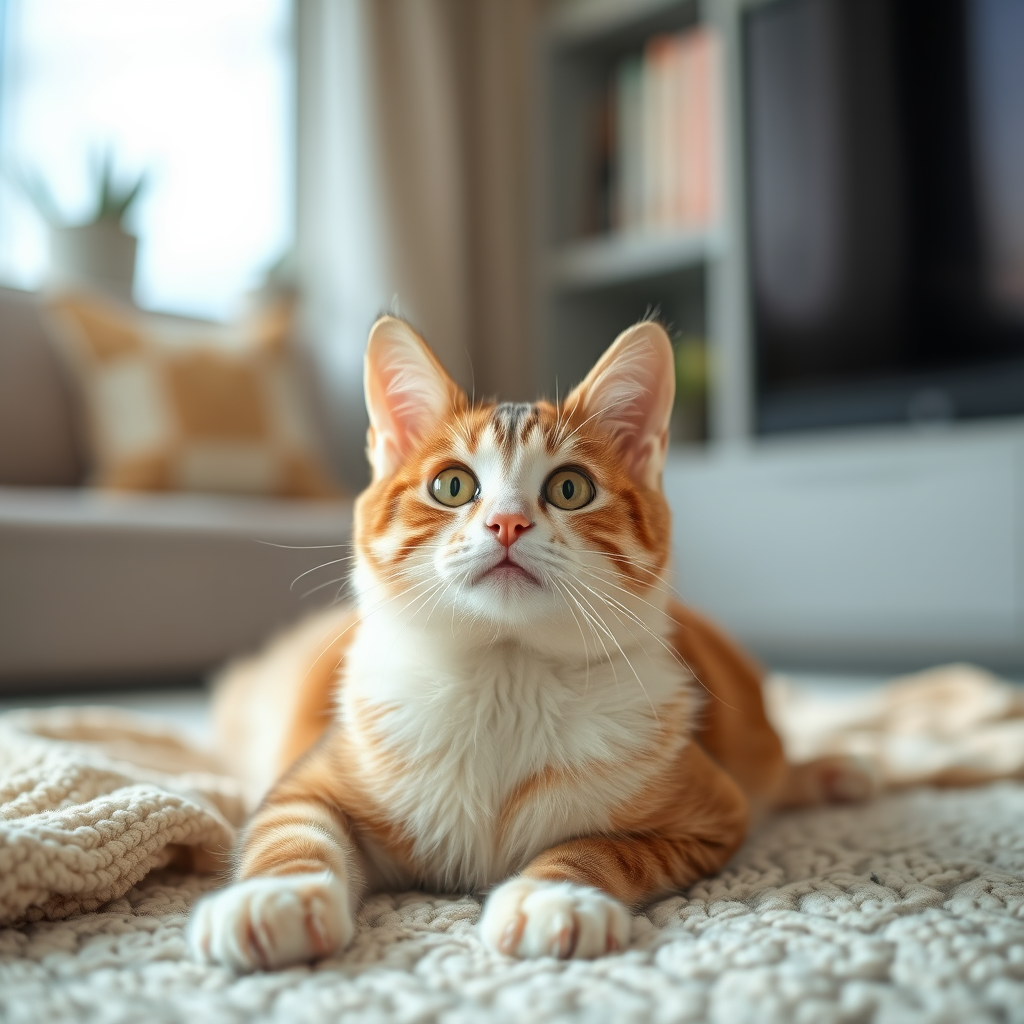

Cats can see TV, but their perception of images and movements differs significantly from humans. While they may respond to certain sounds and fast-moving images, their interest in television can vary widely from cat to cat. Understanding how cats perceive screens can help you create a more engaging environment for your feline friend. In this article, we will explore how cats perceive screens, what attracts them to TV, and tips for engaging your feline friend.
Understanding Cat Vision
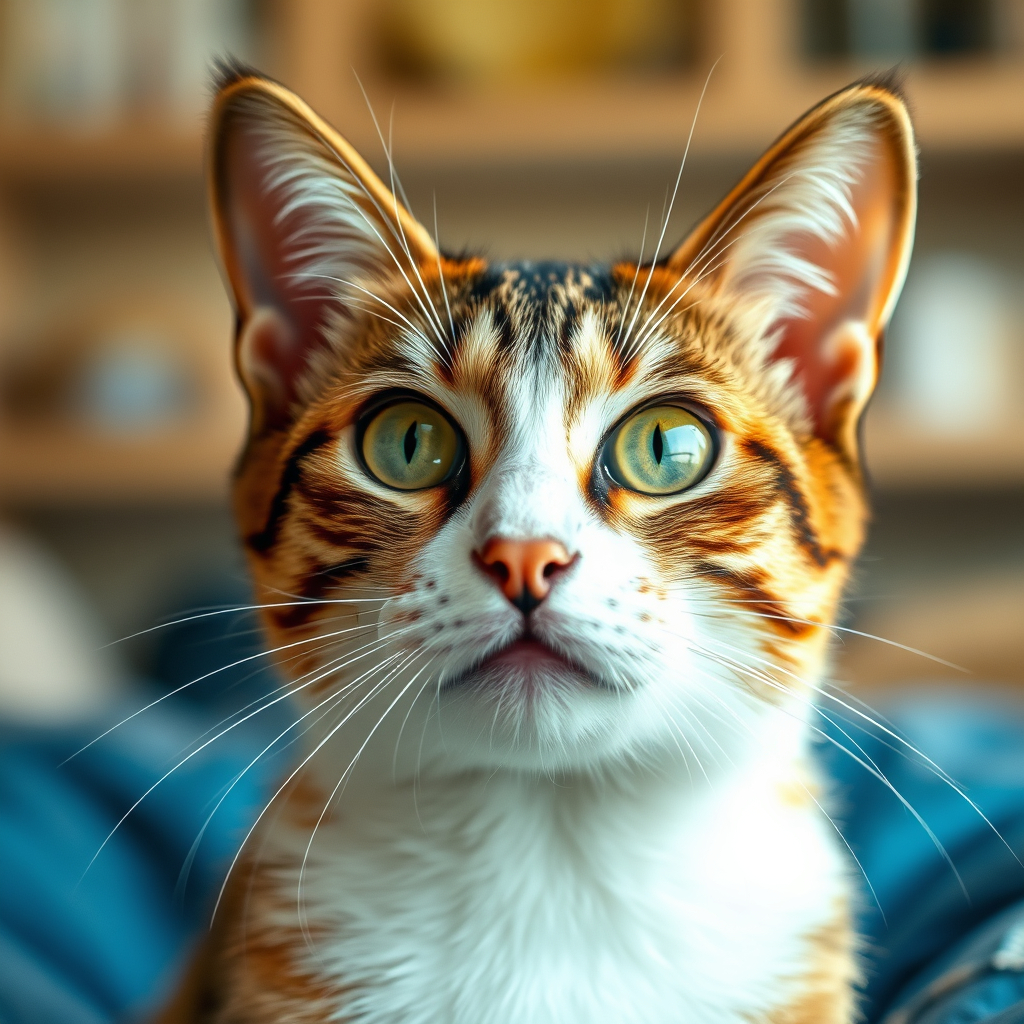
Cats possess a unique vision that is finely tuned for their hunting instincts. They have a wider field of view, around 200 degrees, compared to humans’ 180 degrees. This broader perspective allows them to detect movement from various angles, which is crucial for spotting potential prey. Their eyes are equipped with a higher number of rod cells, which enhances their ability to see in low light conditions, making them adept nocturnal hunters. However, this adaptation comes at a cost; cats do not perceive colors as vividly as humans do. They see a limited color palette that primarily includes shades of blue and yellow, but they struggle with reds and greens.
Moreover, cats excel in situations of low illumination thanks to their reflective tapetum lucidum—a layer of cells behind the retina that enhances their night vision by reflecting light back through the retina. This is why cat eyes often appear to glow in the dark. However, their capacity for detail diminishes in bright light, leading to a less defined visual experience compared to that of humans.
What Cats See on TV
When it comes to television, cats are more likely to notice rapid movements and flickers on the screen than static images. Their natural hunting instincts drive them to react to fast-moving visuals, such as the darting motions of birds or the scampering of small rodents. Consequently, they may show interest when watching nature documentaries or videos featuring quick, erratic movements.
Interestingly, the refresh rate of TVs may also affect how cats perceive the images. Most modern televisions operate at higher frame rates, which can create smoother motion that is more appealing to cats. A TV with a refresh rate of 60Hz or higher can provide a more stimulating viewing experience for your feline companion, as the images are less likely to flicker and more closely resemble real-life movements.
Sounds and Their Impact
The auditory component of television plays a significant role in capturing a cat’s attention. The sounds emitted from TV shows can attract cats, especially if they mimic prey-like noises, such as birds chirping or mice squeaking. These familiar sounds can trigger a cat’s instinctual behaviors, prompting them to watch the screen intently.
Moreover, soft, soothing sounds may also calm cats and keep them engaged. Programs that feature gentle background music or nature sounds can create a tranquil environment, allowing your pet to relax while still enjoying the visuals. Experimenting with different soundscapes can reveal what resonates most with your cat.
Top Cat-Attracting TV Shows (2023)
| # | Show Title | Type | Main Attraction | Viewer Rating |
|---|---|---|---|---|
| 1 | Planet Earth II | Documentary | Wildlife Scenes | ★★★★☆ |
| 2 | The Secret Life of Pets | Animated Film | Animal Behavior | ★★★★☆ |
| 3 | Cats 101 | Documentary | Domestic Cats | ★★★★★ |
| 4 | Paw Patrol | Animated Series | Rescue Missions | ★★★☆☆ |
| 5 | Meow Madness | Web Series | Interactive Cat Videos | ★★★★★ |
| 6 | Animal Planet | TV Channel | Various Animals | ★★★☆☆ |
| 7 | Cat Nation | Documentary | Feline Behavior | ★★★★★ |
Engaging Your Cat with TV
To enhance your cat’s viewing experience, consider selecting programs that feature stimulating visuals and sounds. Nature documentaries often captivate cats with their vibrant colors and dynamic movements, while specially designed videos for cats can include animations and sounds specifically tailored to pique their interest.
Interactive pet cameras are another way to engage your cat while you’re away. These devices allow you to communicate with and monitor your pet remotely, offering a unique opportunity to interact with them during their viewing time. Such engagement can reduce feelings of loneliness and provide mental stimulation.
Additionally, understanding your cat’s preferences can help you curate a more personalized viewing experience. Some cats may enjoy watching fish swimming in an aquarium-themed video, while others might be more intrigued by videos featuring birds or small animals. Experimenting with various types of visual content can lead to discovering what truly captivates your feline companion.
Safety Considerations
While engaging your cat with television can be entertaining, it is essential to consider their safety and well-being. Limiting screen time is crucial to prevent overstimulation or anxiety, as excessive exposure to screens can lead to behavioral issues or stress. A balanced routine that includes physical play and mental stimulation through toys and interaction with humans is vital for a cat’s overall health.
Moreover, ensure that your TV setup is safe and secure, preventing any accidents if your cat decides to jump on or near the television. Cords should be properly managed, and any fragile items should be kept out of reach to avoid potential hazards. Creating a safe environment will help your cat enjoy their viewing experience without unnecessary risks.
Other Interactive Options
In addition to traditional television, there are numerous interactive options available to engage your cat. Cat-specific apps and videos designed to entertain felines can be found on various platforms, providing another means to stimulate your pet’s curiosity. These applications often feature fast-moving objects, sounds, and interactive elements that can keep your cat engaged for extended periods.
Combining screen time with physical play can also enhance your cat’s experience. Incorporating toys that mimic the movement of objects seen on screen—such as feather wands or laser pointers—can create a dynamic play session that mirrors the excitement they observe on TV. This dual approach can help fulfill their instinctual needs while providing a fun and engaging environment.
Cats can indeed watch and engage with television, but their experience differs greatly from that of humans. By understanding their unique vision and preferences, you can create a more enriching viewing experience that caters to their instincts.
In summary, consider the types of shows you select, the sounds they produce, and how to engage your cat beyond the screen. Experiment with various content, and don’t hesitate to share your findings with other cat owners. Your insights may help fellow pet parents enhance their cats’ entertainment experience!
Frequently Asked Questions
Can cats see TV images clearly?
Yes, cats can see TV images, but their perception differs from humans. Cats have a higher number of rod cells in their eyes, allowing them to see better in low light, and they are more sensitive to motion. However, they may not perceive colors the same way we do, which can affect their interest in what’s on screen.
Why do some cats seem to watch TV while others ignore it?
Cats have varied personalities and interests, which can influence their reactions to TV. Some cats are naturally more curious and easily stimulated by movement or sounds, making them more likely to engage with the screen. Others may prefer interactive play or may not find the images appealing.
What types of TV shows or videos do cats enjoy watching?
Cats are often attracted to shows featuring fast-moving objects, such as birds, fish, or small animals. Nature documentaries or specially designed cat videos that showcase these elements can capture their attention. Interactive videos that include sounds and movement can also keep them engaged.
How can I tell if my cat enjoys watching TV?
You can gauge your cat’s interest by observing their body language and behavior. Signs that your cat enjoys watching TV include focused attention on the screen, purring, or even pawing at the TV. If they seem relaxed and engaged, they likely find it entertaining.
Which TV settings are best for cats to watch?
For optimal viewing, adjust your TV settings to a lower brightness and higher contrast, as cats are more sensitive to light and movement. Additionally, placing the TV at a height where your cat can comfortably view it helps them engage better with the content.
References
- Cat
https://en.wikipedia.org/wiki/Cat - https://www.ncbi.nlm.nih.gov/pmc/articles/PMC7353506/
https://www.ncbi.nlm.nih.gov/pmc/articles/PMC7353506/ - https://www.mayoclinic.org/healthy-lifestyle/pet-therapy/expert-answers/can-cats-see-in-the-dark/faq-20057819
https://www.mayoclinic.org/healthy-lifestyle/pet-therapy/expert-answers/can-cats-see-in-the-dark/faq-20057819 - https://www.sciencedirect.com/topics/veterinary-science/cat-vision
https://www.sciencedirect.com/topics/veterinary-science/cat-vision - https://www.bbc.com/news/magazine-36407861
https://www.bbc.com/news/magazine-36407861 - https://www.nytimes.com/2016/02/23/science/cats-vision.html
https://www.nytimes.com/2016/02/23/science/cats-vision.html - https://www.ncbi.nlm.nih.gov/pmc/articles/PMC5643013/
https://www.ncbi.nlm.nih.gov/pmc/articles/PMC5643013/ - Google Scholar Google Scholar
https://scholar.google.com/scholar?q=can+cats+see+tv - Google Scholar Google Scholar
https://scholar.google.com/scholar?q=cat+vision+and+television - Google Scholar Google Scholar
https://scholar.google.com/scholar?q=cats+and+visual+perception
