
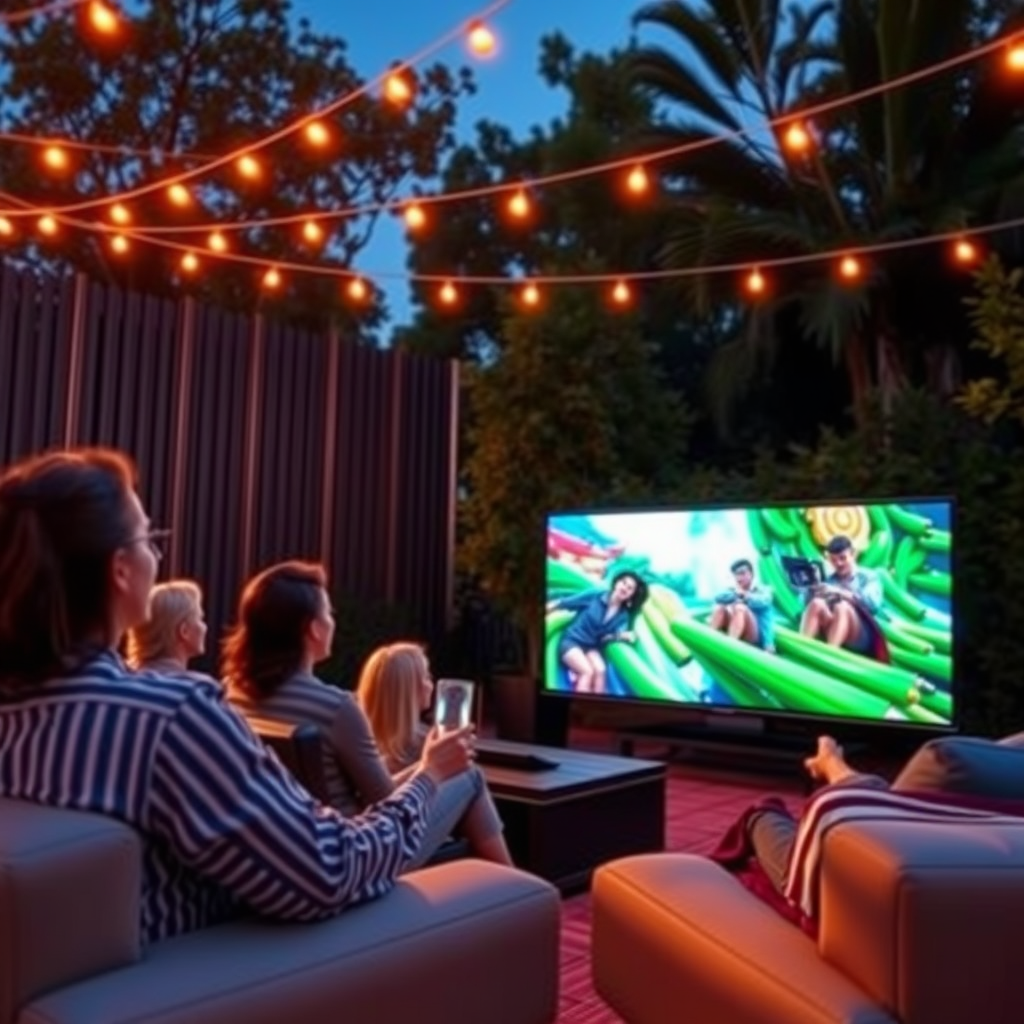

Using a regular TV outdoors is possible, but it comes with significant challenges and considerations. While you can technically set up a standard television in your backyard, doing so exposes the device to various risks that could lead to its premature failure. In this article, you’ll learn about the risks associated with outdoor TV use, how to choose the right location, protective measures, alternatives to regular TVs, enhancing the viewing experience, and essential maintenance tips. This comprehensive guide will help you make informed decisions for outdoor entertainment without damaging your equipment.
Understanding the Risks of Outdoor TV Use
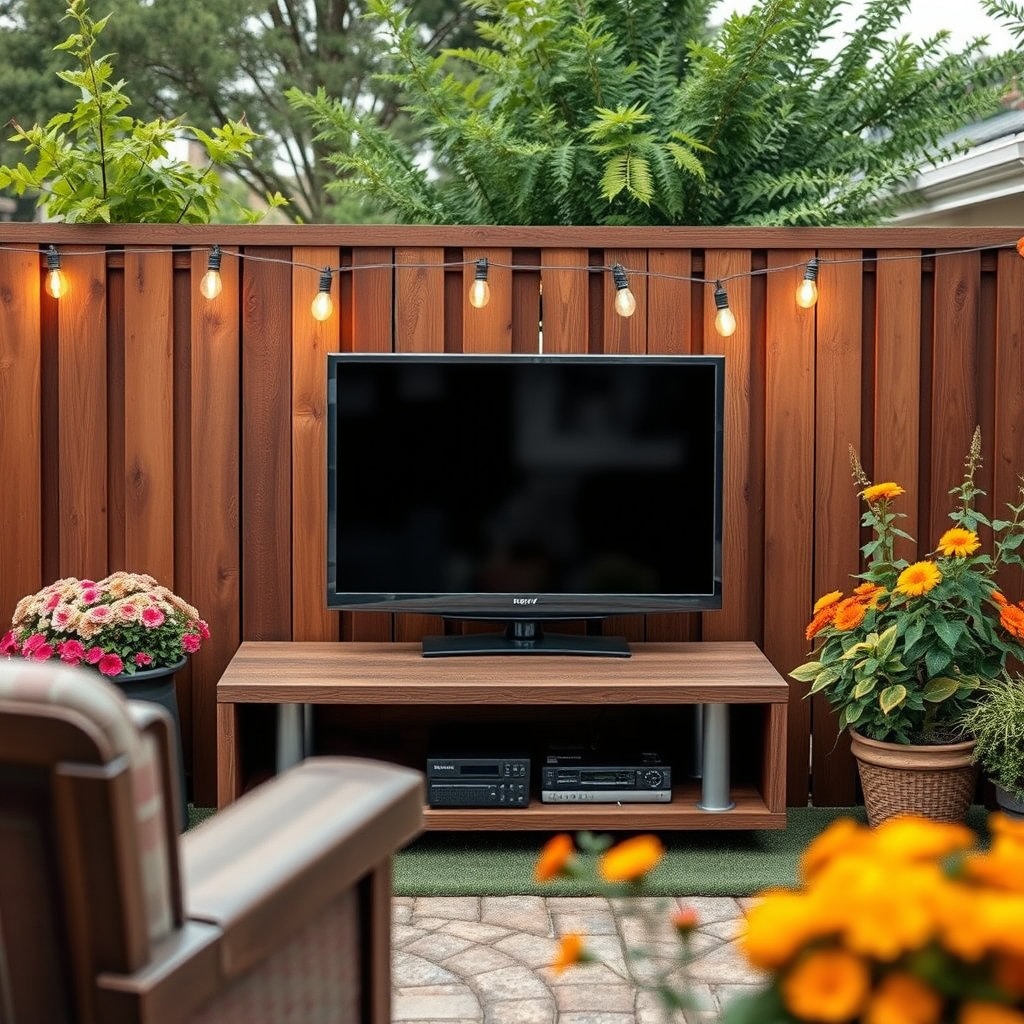
Outdoor environments are inherently unpredictable, which poses a range of risks for regular TVs. One of the most significant dangers is exposure to weather elements, including rain, sun, and humidity. Moisture can seep into the internal components of a TV, leading to corrosion and electrical failures. Additionally, intense sunlight can cause overheating, which can degrade the performance of the television and affect picture quality.
Temperature fluctuations are another critical factor to consider. Regular TVs are designed to operate within specific temperature ranges, and extreme cold or heat can cause performance issues or even complete failure. For instance, condensation can form inside the TV when transitioning from cold to warm environments, potentially leading to short circuits.
Choosing the Right Location for Outdoor Viewing
Selecting the appropriate location for outdoor TV viewing is crucial to minimizing risks and maximizing enjoyment. Ideally, you should choose a shaded area that protects the TV from direct sunlight. This will help reduce glare on the screen, enhancing visibility and overall viewing experience. Locations near trees or structures that can provide natural shade are excellent choices.
Additionally, it’s essential to ensure that the chosen area is free from excessive dust and debris, which can accumulate on and inside the TV. Regular maintenance will become more straightforward if the TV is placed in an area less susceptible to dirt and moisture.
Protective Measures for Outdoor TVs
Implementing protective measures is vital for safeguarding your TV from the elements. One effective solution is to use weatherproof enclosures or covers that can shield the television when not in use. These enclosures are typically made from durable, weather-resistant materials and can significantly extend the lifespan of your equipment.
Another practical approach is to consider installing a TV mount that allows for easy removal of the television during inclement weather. This way, you can protect your investment by bringing the TV indoors at the first sign of a storm or extreme weather conditions.
Additionally, using surge protectors designed for outdoor use can mitigate the risks of electrical surges caused by lightning or power fluctuations.
Top Outdoor TVs Comparison (2024)
| # | Brand & Model | Screen Size | Brightness (nits) | Water Resistance |
|---|---|---|---|---|
| 1 | SunBriteTV Veranda 3 | 55″ | 1500 | IP54 |
| 2 | Samsung Terrace | 65″ | 2000 | IP55 |
| 3 | SkyVue 65″ Outdoor TV | 65″ | 1000 | IP67 |
| 4 | LG Outdoor OLED | 55″ | 1400 | IP65 |
| 5 | Nakamichi Outdoor TV | 50″ | 1200 | IP54 |
| 6 | Vizio 55″ Outdoor TV | 55″ | 800 | N/A |
| 7 | Sony Outdoor TV | 65″ | 900 | IP68 |
Alternatives to Regular TVs for Outdoor Use
If you’re serious about outdoor entertainment, investing in an outdoor-rated TV may be your best bet. These devices are specifically designed to withstand weather conditions, temperature fluctuations, and UV exposure, providing a much longer lifespan compared to regular TVs used outdoors. Brands like SunBriteTV and Samsung’s Terrace series offer models with high brightness levels, ensuring visibility even in bright daylight.
Another alternative to consider is using projectors for a larger viewing experience in open spaces. Modern projectors can create stunning visuals on outdoor screens or even blank walls. They are generally more portable than TVs, allowing for flexible setup and storage. Just ensure that you choose a projector designed for outdoor use, with adequate brightness and weather-resistant features.
Enhancing Outdoor Viewing Experience
To fully enjoy your outdoor entertainment setup, consider enhancing the viewing experience with additional equipment and thoughtful design. Investing in outdoor speakers can significantly enhance sound quality, providing a richer audio experience that complements the visuals. Many outdoor speakers are designed to resist the elements, ensuring durability and performance.
In addition to sound, the layout of your outdoor space matters. Implementing comfortable seating arrangements, such as lounge chairs or outdoor sofas, can create a cozy atmosphere. Ambient lighting, such as string lights or solar-powered lanterns, can also enhance the overall experience, making your outdoor space inviting even after sunset.
Maintenance Tips for Outdoor TVs
Regular maintenance is essential to ensure your outdoor TV remains in good condition. It’s advisable to check for signs of wear or damage, especially after heavy storms. Inspect the TV for moisture accumulation, dust, or any visible signs of corrosion.
Cleaning the screen and surrounding area is also crucial to prevent dust buildup, which can affect picture quality and overall performance. Use a microfiber cloth and a gentle cleaner specifically designed for electronics to wipe down the screen. Additionally, consider covering the TV with a weather-resistant cover when not in use to protect it from dust and moisture.
In summary, using a regular TV outdoors is feasible but comes with risks and requires proper precautions. For the best experience, consider investing in outdoor-specific equipment. By taking steps to protect your technology and enhance your viewing setup, you can create memorable outdoor entertainment experiences for yourself and your guests.
Frequently Asked Questions
Can I use a regular TV outdoors without damaging it?
Using a regular TV outdoors is not recommended as standard televisions are not designed to withstand outdoor elements like moisture, humidity, and temperature fluctuations. These conditions can lead to damage such as corrosion and screen failure. If you want to watch TV outside, consider investing in an outdoor-rated TV that is built to endure these conditions.
How can I protect my regular TV if I want to use it outside temporarily?
To protect your regular TV while using it outdoors, make sure to place it under a covered area, such as a patio or gazebo, to shield it from rain and direct sunlight. Additionally, use a weatherproof cover when the TV is not in use and avoid leaving it outside during extreme weather conditions, as this can help extend its lifespan.
What are the best alternatives to a regular TV for outdoor use?
The best alternatives to a regular TV for outdoor use are weatherproof outdoor TVs, which are specifically designed to resist water, dust, and temperature changes. Brands like SunBrite and Séura offer high-quality models with enhanced brightness for better visibility in daylight. You might also consider using a portable projector if you have a suitable outdoor screen.
Why do regular TVs not perform well in outdoor environments?
Regular TVs do not perform well in outdoor environments due to their lack of weatherproofing and insufficient brightness for daylight viewing. They are also vulnerable to issues caused by humidity and temperature changes, which can lead to electronic malfunctions. Choosing an outdoor TV ensures optimal performance in varying weather and lighting conditions.
Which features should I look for in an outdoor TV?
When shopping for an outdoor TV, look for features such as weatherproof housing, high brightness levels, anti-glare screens, and wide viewing angles. Additionally, consider models with built-in speakers and smart TV capabilities for a complete outdoor entertainment experience. These features will enhance durability and usability in outdoor settings.
References
- Television
https://en.wikipedia.org/wiki/Television - https://www.sciencedirect.com/topics/engineering/outdoor-television
https://www.sciencedirect.com/topics/engineering/outdoor-television - https://www.bbc.com/news/technology-60907437
https://www.bbc.com/news/technology-60907437 - https://pubmed.ncbi.nlm.nih.gov/31642204/
https://pubmed.ncbi.nlm.nih.gov/31642204/ - https://www.nytimes.com/2021/06/08/technology/outdoor-tv.html
https://www.nytimes.com/2021/06/08/technology/outdoor-tv.html - https://www.theguardian.com/technology/2020/jul/15/how-to-watch-tv-outside-in-your-garden
https://www.theguardian.com/technology/2020/jul/15/how-to-watch-tv-outside-in-your-garden - Google Scholar Google Scholar
https://scholar.google.com/scholar?q=can+regular+tv+be+used+outdoors - Google Scholar Google Scholar
https://scholar.google.com/scholar?q=outdoor+television+usage - Pregnancy after 35: Healthy pregnancies, healthy babies – Mayo Clinic
https://www.mayoclinic.org/healthy-lifestyle/home-and-garden/in-depth/outdoor-living/art-20045756 - https://www.cdc.gov/nceh/hsb/chemicals/indoorair.htm
https://www.cdc.gov/nceh/hsb/chemicals/indoorair.htm
