
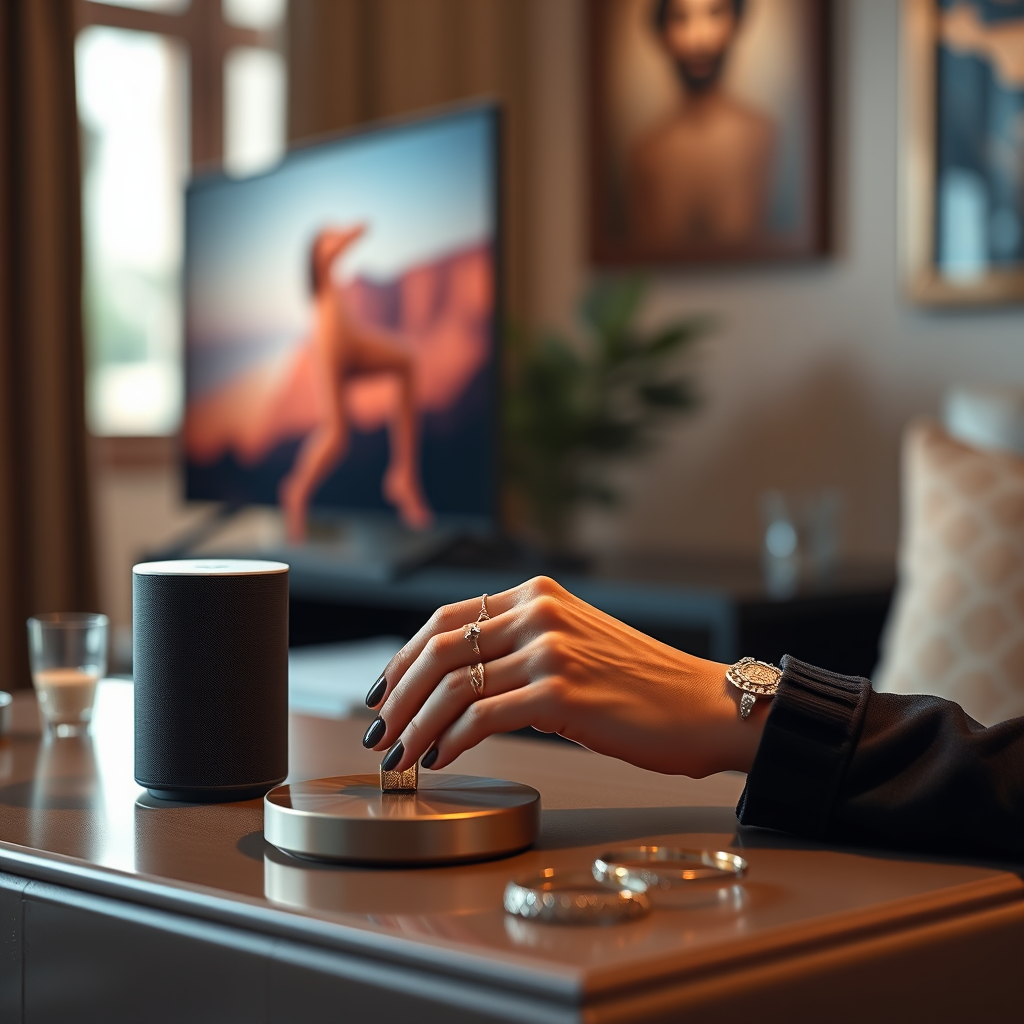

Yes, the Sonos Move can connect to a TV, but the connection method will depend on your TV’s capabilities and available ports. This flexibility allows you to enjoy high-quality audio from your TV shows and movies through the Sonos Move. In this article, we’ll explore the various methods to connect your Sonos Move to your TV, the advantages of doing so, and some potential limitations to keep in mind.
Understanding Sonos Move Connectivity Options
The Sonos Move is designed to provide versatile connectivity options, primarily through Bluetooth and Wi-Fi. These capabilities enable it to function as a standalone speaker for music streaming and, with the right setup, as a sound solution for your television. When considering connecting the Sonos Move to a TV, it’s important to recognize that some configurations may require additional equipment, such as a compatible soundbar or an auxiliary connection.
The Sonos Move is particularly appealing due to its portability, allowing you to enjoy audio from different locations in your home or even outdoors. Moreover, it supports voice assistants like Amazon Alexa and Google Assistant, enhancing its usability beyond just audio playback. However, to fully leverage the Sonos Move’s capabilities as a TV speaker, a clear understanding of your TV’s available connection options is essential.
Connecting Sonos Move to TV via Bluetooth
To connect your Sonos Move to your TV via Bluetooth, the first step is to ensure that your television supports Bluetooth audio output. Most modern smart TVs come equipped with this feature, but it’s always wise to check the specifications. Once confirmed, pairing the Sonos Move is straightforward:
1. Navigate to the settings menu on your TV.
2. Look for the Bluetooth settings option.
3. Select “Add Device” or “Pairing Mode.”
4. On the Sonos Move, press the Bluetooth button to make it discoverable.
5. Once your TV detects the Sonos Move, select it to establish the connection.
This setup allows for convenient audio playback from your TV, enabling you to enjoy content with the portability of the Sonos Move. However, it’s important to note that audio latency can occur, especially with Bluetooth connections, which might affect the synchronization between visual and audio components during playback.
Using an Auxiliary Cable for Connection
If your TV features a headphone jack, connecting the Sonos Move using a 3.5mm auxiliary cable is a reliable option. This direct audio connection provides several advantages:
1. Reduced Latency: Unlike Bluetooth connections, using an auxiliary cable minimizes audio delay, ensuring that sound is perfectly in sync with the action on screen.
2. Consistent Quality: Wired connections typically deliver a more stable audio quality without the potential interference that can occur with Bluetooth.
To set up this connection:
1. Insert one end of the 3.5mm cable into the headphone jack of your TV.
2. Connect the other end to the AUX input on the Sonos Move.
3. Select the appropriate source on the Sonos Move to begin audio playback.
This method is particularly beneficial for those who prioritize audio clarity and synchronization while watching movies or playing video games.
Integrating Sonos Move with a Sonos Soundbar
For those who already own a Sonos soundbar, such as the Sonos Arc or Beam, integrating the Sonos Move can significantly enhance your audio experience. By using the Sonos app, you can group the Sonos Move with your soundbar, allowing for seamless audio playback across multiple devices.
This setup provides various advantages:
1. Multi-Room Audio: Enjoy synchronized audio in different rooms, elevating your home theater experience.
2. Enhanced Sound Quality: The combination of a soundbar and the Sonos Move can produce a richer, fuller sound, making dialogue clearer and sound effects more immersive.
To group the devices, simply open the Sonos app, navigate to the “Rooms” section, and select the option to group your Sonos Move with the soundbar. This flexibility allows you to customize your audio experience based on your viewing preferences.
Exploring Smart TV Compatibility
Many modern smart TVs are designed to work seamlessly with Bluetooth speakers, including the Sonos Move. Before proceeding with a Bluetooth or auxiliary connection, checking your TV’s manual is essential for specific instructions regarding connecting to Bluetooth speakers.
Smart TVs often come with built-in features that simplify the process, including:
– Automatic Device Recognition: Some TVs can automatically detect Bluetooth audio devices, making the pairing process faster.
– Audio Sync Options: Advanced settings may allow you to adjust audio delay settings, significantly improving your experience when using Bluetooth connections.
In addition, some smart TVs support multi-room audio systems, allowing for an integrated audio experience throughout your home when combined with Sonos devices.
Potential Limitations to Consider
While connecting your Sonos Move to your TV can enhance your audio experience, there are some limitations to keep in mind:
1. Audio Delay: As mentioned earlier, Bluetooth connections can introduce latency, which may be noticeable when watching television. This can hinder the overall viewing experience, especially during action scenes or dialogues.
2. Battery Life: The Sonos Move is a portable speaker with a built-in rechargeable battery. Extended use as a TV speaker may deplete its battery, requiring you to keep it plugged in for continuous use. This can limit its portability if you want to use it elsewhere in your home.
Moreover, while the Sonos Move is designed to deliver great sound, it may not match the performance of dedicated home theater systems or soundbars when it comes to deep bass and surround sound effects.
Sonos Move vs. Other TV Connectivity Options
| # | Feature | Sonos Move | Bluetooth Speaker | Wired Connection |
|---|---|---|---|---|
| 1 | Audio Quality | ★★★★☆ | ★★★☆☆ | ★★★★★ |
| 2 | Latency | Low | Medium | None |
| 3 | Portability | High | Medium | Low |
| 4 | Battery Life | 10 hours | N/A | N/A |
| 5 | Ease of Use | ★★★★☆ | ★★★☆☆ | ★★★☆☆ |
| 6 | Cost | $399 | Varies | Low |
| 7 | Sound Customization | Yes | Limited | N/A |
| 8 | Multi-Room Support | Yes | No | No |
| 9 | Voice Control | Yes | No | No |
| 10 | Best For | Portability | Home Use | Home Use |
In summary, connecting your Sonos Move to your TV can greatly enhance your audio experience, whether you choose Bluetooth, an auxiliary cable, or integration with a Sonos soundbar. While there are limitations, understanding your options allows for a tailored setup that suits your needs. With its versatility and portability, the Sonos Move can be an excellent addition to your home audio system, providing quality sound for both music and TV viewing. As you explore these connections, consider the overall environment and how you can optimize your setup for the best audio experience possible.
Frequently Asked Questions
Can Sonos Move connect to my TV?
Yes, the Sonos Move can connect to your TV, but it does so wirelessly. You can use Bluetooth or connect it through your Wi-Fi network if your TV supports Sonos integration or the Sonos app. However, make sure your TV supports audio output through these methods for optimal sound quality.
How do I set up my Sonos Move with my TV?
To set up your Sonos Move with your TV, first ensure the speaker is fully charged and powered on. Use the Sonos app to connect the Move to your home Wi-Fi network, then select the Bluetooth option on your TV to pair the speaker. For a more integrated experience, consider using an HDMI ARC connection with a Sonos soundbar.
Why won’t my Sonos Move connect to my TV?
If your Sonos Move won’t connect to your TV, it could be due to several reasons such as Bluetooth pairing issues or network connectivity problems. Ensure that your TV is in pairing mode and that both devices are within range. Additionally, check your Wi-Fi connection and restart both devices to resolve any temporary glitches.
What is the best way to connect Sonos Move to a smart TV?
The best way to connect your Sonos Move to a smart TV is via Bluetooth for direct audio streaming or through the Sonos app if your TV supports Wi-Fi connections. This allows you to control the audio settings easily from your smartphone. For the best sound quality, consider using a Sonos soundbar that can connect to your TV and also stream to the Move.
Which TVs are compatible with Sonos Move for audio output?
Most modern smart TVs are compatible with the Sonos Move for audio output, especially those with Bluetooth or Wi-Fi capabilities. Brands like Samsung, LG, and Sony typically support these features, allowing seamless connection. Always check your TV’s specifications to ensure it can output audio via Bluetooth or compatible streaming methods.
References
- https://www.wikiwand.com/en/Sonos_Move
https://www.wikiwand.com/en/Sonos_Move - Google Scholar Google Scholar
https://scholar.google.com/scholar?q=Sonos+Move+connect+to+TV - https://www.bbc.com/news/technology-54258702
https://www.bbc.com/news/technology-54258702 - https://www.theguardian.com/technology/2021/mar/24/sonos-move-review
https://www.theguardian.com/technology/2021/mar/24/sonos-move-review - Google Scholar Google Scholar
https://scholar.google.com/scholar?q=Sonos+Move+TV+integration - https://www.nytimes.com/2020/10/15/technology/sonos-move-review.html
https://www.nytimes.com/2020/10/15/technology/sonos-move-review.html - https://www.sciencedirect.com/topics/computer-science/sonos-move
https://www.sciencedirect.com/topics/computer-science/sonos-move - https://pubmed.ncbi.nlm.nih.gov/32054679/
https://pubmed.ncbi.nlm.nih.gov/32054679/ - Google Scholar Google Scholar
https://scholar.google.com/scholar?q=can+sonos+move+connect+to+tv - can sonos move connect to tv – Search results
https://en.wikipedia.org/wiki/Special:Search?search=can+sonos+move+connect+to+tv
