
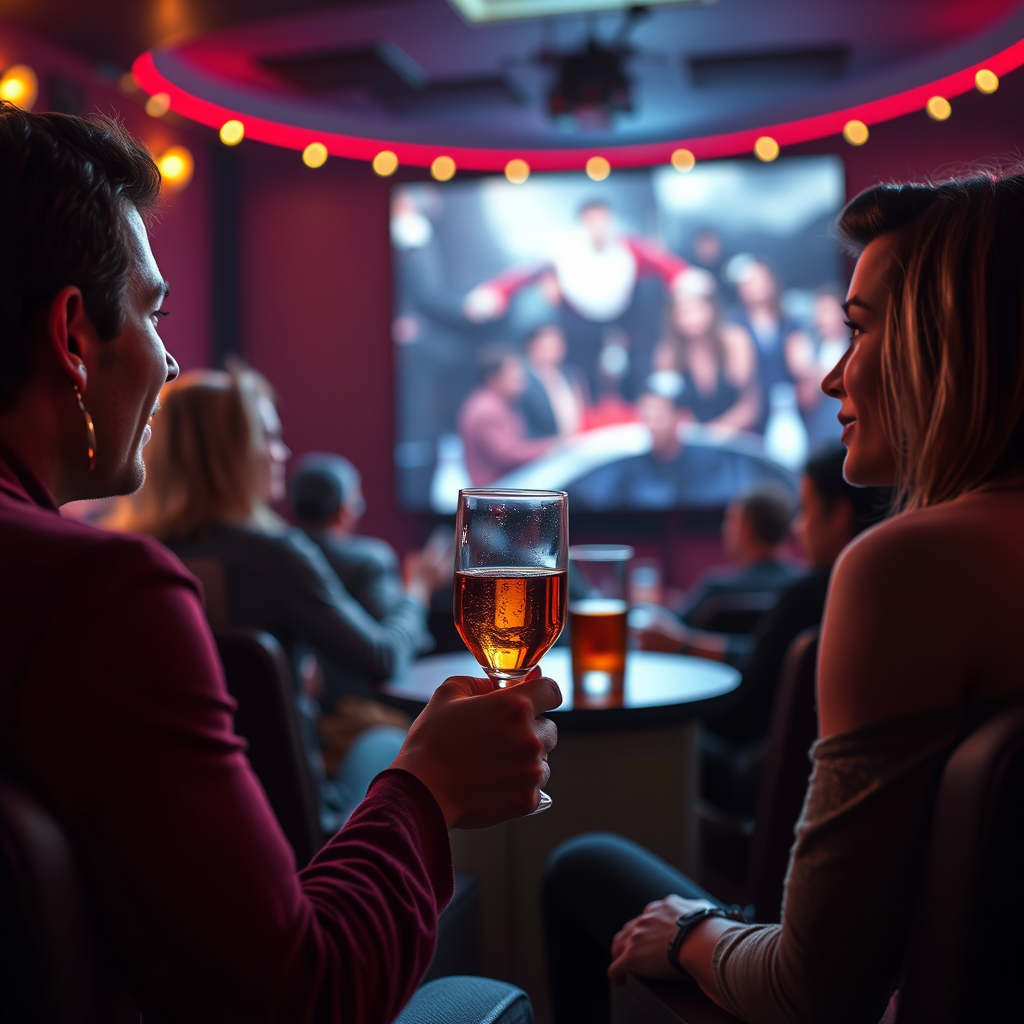

Drinking alcohol on television is generally permissible, but it often depends on the context and the platform. Viewers can see characters enjoying a drink in scripted shows or live broadcasts, yet there are regulations that govern how this is portrayed. In this article, we will explore various aspects of alcohol consumption on TV, including regulations, cultural perceptions, and viewer reactions.
The Legal Aspects of Drinking on TV
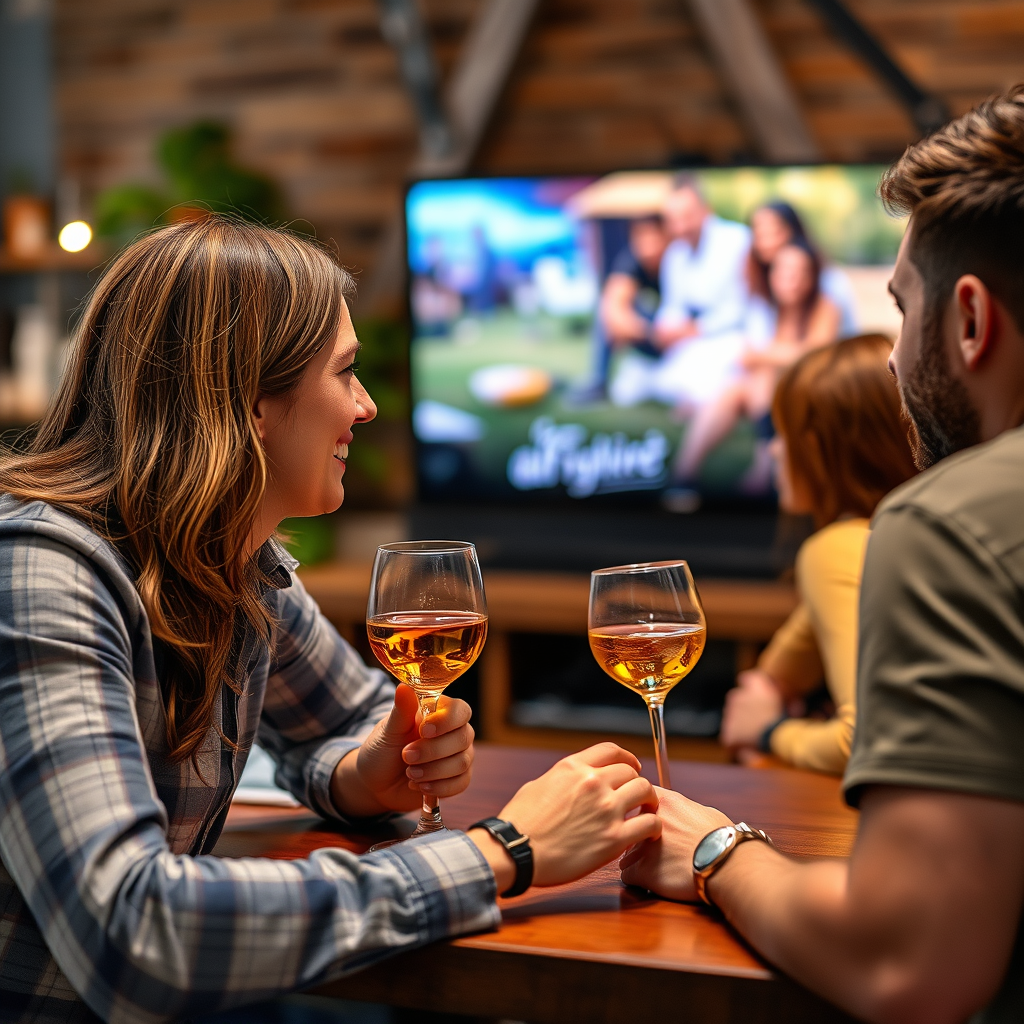
Different countries have varying laws regarding the portrayal of alcohol on television. In the United States, the Federal Communications Commission (FCC) oversees regulations related to broadcasting, which affect how alcohol is depicted. The FCC does not specifically prohibit alcohol consumption on air but enforces guidelines that restrict certain types of content, particularly during hours when children are likely to be watching. For instance, the portrayal of excessive drinking or intoxication may be scrutinized under these guidelines to prevent potential glamorization of irresponsible behavior.
In the United Kingdom, Ofcom regulates broadcast standards, which include stipulations on alcohol portrayal. There are clear rules against broadcasting alcohol-related content that could encourage excessive drinking, especially during daytime programming. As a result, networks must navigate these laws carefully to strike a balance between creative expression and responsible broadcasting.
Scripted Shows vs. Live Broadcasts
Scripted shows often depict characters drinking as part of character development or plot advancement. For example, dramas like “Mad Men” leverage alcohol consumption to illustrate the culture of the 1960s, while sitcoms such as “How I Met Your Mother” use drinking as a means to create comedic situations. These portrayals can serve various narrative purposes, from highlighting social gatherings to showcasing personal struggles with alcohol.
On the other hand, live broadcasts, including news programs and award shows, may have stricter restrictions. During family-friendly programming hours, networks often avoid showing alcohol consumption to maintain a wholesome image. For instance, during the Super Bowl, where millions of families watch together, even commercials for alcohol must adhere to strict guidelines, ensuring that they do not promote irresponsible drinking behaviors.
Cultural Perceptions and Norms
Alcohol consumption on TV can reflect a society’s attitudes toward drinking. In cultures where drinking is a common social activity, such as in parts of Europe, television shows may portray alcohol consumption more liberally. For example, popular series like “Game of Thrones” or “The Office” feature characters drinking without significant consequences, reinforcing the idea that drinking is a normative part of social interactions.
Conversely, in cultures where alcohol consumption is stigmatized or frowned upon, such portrayals may be less frequent and often accompanied by negative consequences. For instance, in some Middle Eastern countries, television content is regulated more strictly, and shows may depict drinking in a more critical light. This disparity highlights how cultural norms shape the representation of alcohol on television.
Alcohol Portrayals in Popular TV Shows (2023)
| # | Show | Alcohol Usage | Cultural Context | Viewer Rating |
|---|---|---|---|---|
| 1 | Mad Men | High | American 1960s culture | ★★★★☆ |
| 2 | Game of Thrones | Moderate | Fantasy medieval | ★★★★☆ |
| 3 | How I Met Your Mother | High | Modern American life | ★★★★☆ |
| 4 | The Office | Moderate | American workplace culture | ★★★★☆ |
| 5 | Cheers | High | American bar culture | ★★★★★ |
| 6 | Brooklyn Nine-Nine | Moderate | Modern American policing | ★★★★☆ |
| 7 | Scrubs | Low | Medical comedy | ★★★☆☆ |
Impact on Viewers
Studies suggest that seeing alcohol on TV can influence viewers’ drinking behaviors. Research indicates that young adults who consume media with high levels of alcohol portrayal are more likely to develop drinking problems themselves. The American Journal of Public Health published findings that correlate the frequency of alcohol exposure on television with increased likelihood of alcohol consumption among adolescents. This effect is particularly pronounced when the portrayal is positive or glamorous, often depicting drinking as a fun or aspirational activity.
Moreover, the normalization of drinking in various shows can lead to desensitization, where viewers may begin to perceive drinking as a standard part of social interactions. This can have significant implications for public health, as it may contribute to an increase in alcohol consumption and related health issues among viewers.
Responsible Portrayal of Alcohol
Many networks strive to depict drinking responsibly by including disclaimers or consequences. For example, after certain shows that depict heavy drinking, networks may include messages that remind viewers of the dangers of alcohol abuse. Additionally, initiatives exist to promote sober alternatives and responsible consumption messages, particularly during sports events or family-oriented programming.
Furthermore, some series have taken proactive steps by addressing the consequences of excessive drinking within their narratives. Shows like “BoJack Horseman” offer a more realistic portrayal of addiction and its repercussions, serving as a cautionary tale rather than a glamorization of drinking culture. This responsible portrayal not only helps to inform viewers but also fosters a more nuanced understanding of alcohol consumption.
Alcohol Sponsorship and Advertising
Alcohol brands often seek advertising opportunities on television, which can influence content. Sponsorships are common during major live events, such as sports broadcasts or award shows, where alcohol companies can reach large audiences. However, regulatory guidelines restrict how and when alcohol can be advertised, especially during certain time slots. For instance, advertisements targeting minors or airing during family programming hours are strictly prohibited.
Additionally, networks must be cautious about how they incorporate alcohol brands within their shows. Product placement is a common practice, but it must be done in a way that does not promote excessive or irresponsible drinking. This careful balancing act highlights the complex relationship between entertainment, advertising, and public health.
Future Trends in Alcohol Representation on TV
The rise of streaming platforms may change how alcohol is portrayed in television. As viewership shifts from traditional networks to platforms like Netflix and Hulu, there is an opportunity for more diverse and nuanced representations of alcohol consumption. Streamers are less bound by traditional broadcasting regulations, allowing for a broader exploration of themes related to alcohol.
Emerging trends include more authentic representations that consider the social and psychological aspects of drinking, rather than simply depicting it as a means of celebration or escape. This shift may lead to a greater emphasis on the consequences of alcohol abuse and the importance of responsible drinking, catering to an audience that is increasingly aware of public health issues.
As television continues to evolve, the portrayal of alcohol will likely adapt, reflecting changing societal attitudes and the ongoing conversation about responsible consumption.
In summary, while drinking alcohol on television is permissible, the context and manner of portrayal are critical. Regulations vary by country, and cultural norms heavily influence how alcohol is depicted in scripted shows versus live broadcasts. Understanding these dynamics can help viewers be more discerning about what they watch. If you’re interested in further exploring this topic, consider watching a variety of shows and reflecting on their portrayal of alcohol.
Frequently Asked Questions
Can you legally drink alcohol on TV during a live broadcast?
Yes, it is generally legal to drink alcohol on TV during a live broadcast, but the regulations can vary by country and network. In the United States, for example, the FCC does not have specific laws against drinking on air, but individual broadcasters may have their own guidelines to ensure content is appropriate for their audience.
What are the potential consequences of drinking alcohol on a live TV show?
Drinking alcohol on a live TV show can lead to various consequences, including potential backlash from viewers, loss of credibility, or damage to a brand’s image. Additionally, if a host becomes overly intoxicated, it may result in unprofessional behavior that could affect their career and the show’s ratings.
How do different TV networks handle alcohol consumption on air?
Different TV networks have varying policies regarding alcohol consumption on air. Some networks may allow it during certain types of shows, like talk shows or cooking programs, while others might prohibit it altogether to maintain a particular image or adhere to their audience’s expectations.
Why do some TV shows feature drinking alcohol as part of their format?
Some TV shows feature drinking alcohol as part of their format to create a relaxed atmosphere, encourage candid conversations, or engage viewers in a relatable manner. Shows that focus on social settings, such as talk shows or reality programs, often incorporate drinking as a way to enhance entertainment value and viewer connection.
Which TV shows are known for featuring drinking alcohol prominently?
Popular TV shows known for prominently featuring drinking alcohol include “The Tonight Show,” “The Late Show,” and reality series like “The Real Housewives.” These shows often incorporate alcohol into their segments to add humor, facilitate discussions, or enhance the overall viewing experience, making it a staple in their entertainment approach.
References
- https://en.wikipedia.org/wiki/Alcohol_on_television
https://en.wikipedia.org/wiki/Alcohol_on_television - https://www.cdc.gov/alcohol/fact-sheets/alcohol-use.htm
https://www.cdc.gov/alcohol/fact-sheets/alcohol-use.htm - https://www.ncbi.nlm.nih.gov/pmc/articles/PMC6188341/
https://www.ncbi.nlm.nih.gov/pmc/articles/PMC6188341/ - https://www.niaaa.nih.gov/publications/brochures/underage-drinking
https://www.niaaa.nih.gov/publications/brochures/underage-drinking - https://www.bbc.com/news/magazine-39393960
https://www.bbc.com/news/magazine-39393960 - https://www.sciencedirect.com/science/article/pii/S0376871617300169
https://www.sciencedirect.com/science/article/pii/S0376871617300169 - https://www.theguardian.com/society/2021/feb/14/covid-19-alcohol-consumption-pub-drinking
https://www.theguardian.com/society/2021/feb/14/covid-19-alcohol-consumption-pub-drinking - https://www.nytimes.com/2019/05/29/well/eat/drinking-alcohol-health-effects.html
https://www.nytimes.com/2019/05/29/well/eat/drinking-alcohol-health-effects.html - Google Scholar Google Scholar
https://scholar.google.com/scholar?q=can+you+drink+alcohol+on+tv - Google Scholar Google Scholar
https://scholar.google.com/scholar?q=alcohol+consumption+media+influence
