

Framing a TV is indeed possible, but it hinges on various factors such as the type and size of the television, along with your personal aesthetic preferences. With a multitude of framing options available, you can effectively enhance your living space while ensuring that functionality remains intact. This article delves into the essentials of framing a TV, examining different types of televisions, frame materials, measurement techniques, DIY versus professional framing choices, decor integration, and installation tips.
Types of TVs Suitable for Framing
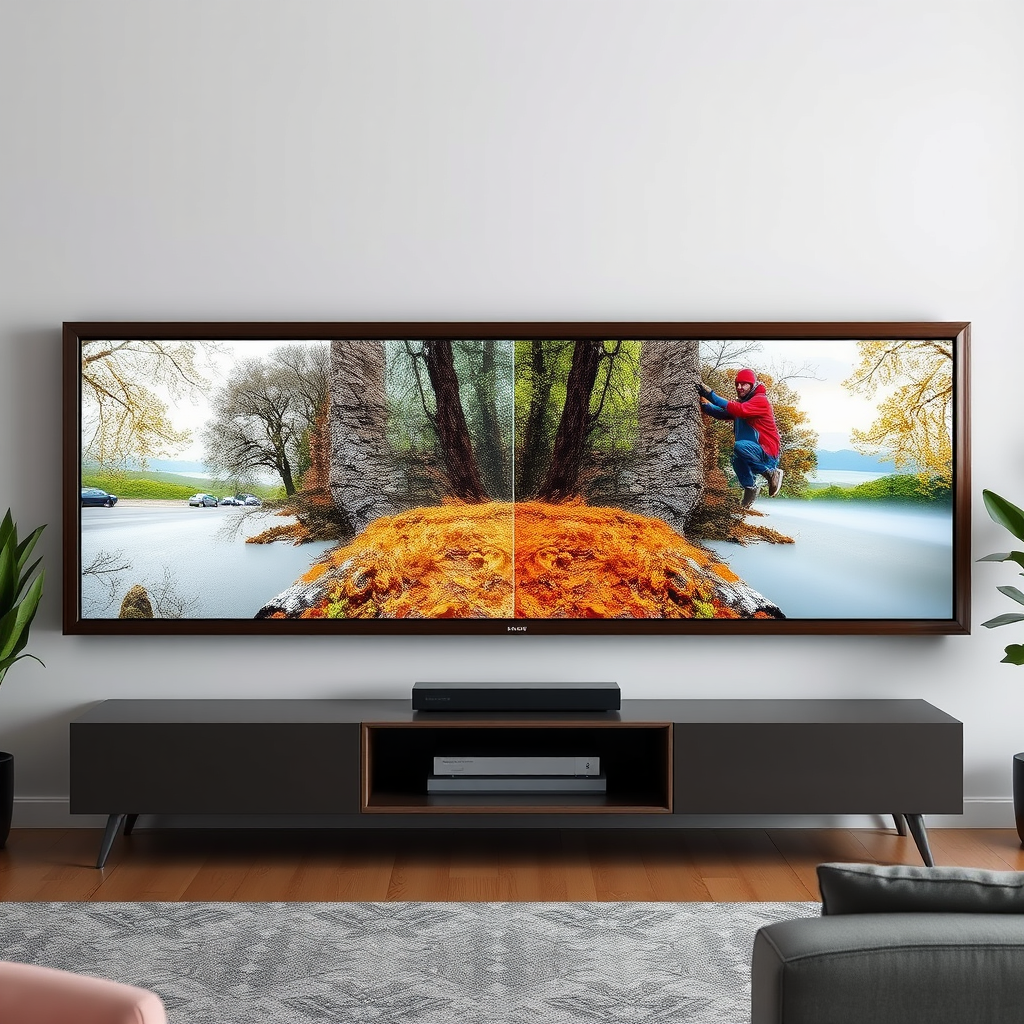
When considering framing options, the type of TV you own plays a critical role.
– Flat-Screen TVs: These are the most common choice for framing due to their slim profile. They come in various styles, including LED, OLED, and QLED, all of which provide a sleek and modern appearance that complements a framed design. Many homeowners find that flat-screen TVs blend seamlessly with a frame, transforming the device into a piece of art when not in use.
– Older CRT and Bulky Models: These models are less likely to be framed effectively due to their size, depth, and weight. CRT (cathode ray tube) televisions are significantly bulkier and do not lend themselves to a framed look without substantial alterations. If you own one of these models, framing might require custom solutions that can be both costly and impractical.
Knowing your TV type helps narrow down the best framing options available, ensuring an aesthetically pleasing outcome.
Frame Materials and Styles
The material and style of the frame can greatly influence the overall look of your TV and your living space.
– Wood Frames: Offering a classic and warm appearance, wooden frames can enhance traditional decor styles. They can be stained or painted to match the surrounding furniture, creating a cohesive look. Different types of wood, such as oak, walnut, or maple, each bring a unique texture and character to the space.
– Metal Frames: For a modern and sleek finish, metal frames are an excellent choice. They often come in finishes like brushed nickel or matte black, which can complement contemporary decor. Metal frames typically have a minimalist design that emphasizes the TV as a central feature without overwhelming the space.
Each material has its advantages, and selecting the right one can enhance both the TV and the overall aesthetic of the room.
Measuring Your TV for a Frame
Accurate measurements are crucial when framing a TV to ensure a perfect fit.– Width and Height: Begin by measuring the width and height of your TV. Be sure to include any bezels or borders around the screen. It is recommended to take multiple measurements to confirm accuracy.
– Frame Thickness and Design: Consider the thickness of the frame to avoid obscuring any part of the screen. The design of the frame should also be taken into account; a thick, ornate frame may detract from the TV’s visual appeal, while a slim-frame design can provide a more streamlined look.
Proper measurements are essential to ensure that your chosen frame complements the TV without interfering with its functionality.
Top Frame Styles for TVs (2023)
| # | Frame Style | Material | Ideal For | Average Cost |
|---|---|---|---|---|
| 1 | Classic Wood Frame | Wood | Traditional Decor | $150 |
| 2 | Minimalist Metal Frame | Metal | Modern Decor | $200 |
| 3 | Rustic Barnwood Frame | Wood | Rustic Decor | $175 |
| 4 | Contemporary Acrylic Frame | Acrylic | Contemporary Decor | $250 |
| 5 | Traditional Ornate Frame | Wood | Classic Decor | $300 |
| 6 | Industrial Steel Frame | Steel | Industrial Decor | $225 |
| 7 | Frameless Design | None | Modern Decor | $180 |
DIY vs. Professional Framing
When it comes to framing your TV, you have two primary options: DIY or professional framing.
– DIY Framing: This option can be cost-effective and allows for customization. However, it requires a certain level of skill, tools, and creativity to achieve a polished look. If you choose to go down the DIY path, be sure to research framing techniques and gather the necessary materials. Templates and online tutorials can offer valuable guidance, but consider the potential for trial and error, which could lead to additional costs.
– Professional Framing: Hiring a professional ensures a high-quality finish tailored to your specific TV and room design. A professional can provide custom solutions that account for the specific dimensions of your television, as well as your desired aesthetic. Although this option is typically more expensive than DIY, the investment often results in a more polished and refined look.
The decision between DIY and professional framing will largely depend on your budget, skill level, and the look you wish to achieve.
Integrating the TV Frame with Room Decor
An effective TV frame should not only enhance the television but also integrate seamlessly with your overall room decor.
– Matching Frame Style to Existing Furniture: Consider how the frame style complements your existing furniture. A wood frame may work beautifully in a room with wooden elements, while a metal frame might clash with traditional furnishings. Aim for harmony among the elements in your space to create a cohesive look.
– Using Complementary Colors and Materials: The colors and materials of the frame should enhance your decor scheme. For instance, if your room features soft pastels, a light-colored frame may be ideal. Conversely, bold colors can create a dramatic effect in a more eclectic space. Don’t shy away from experimenting with contrasting elements for a unique design.
Integrating your TV frame with room decor not only elevates the visual appeal but also reinforces your personal style.
Installation Tips and Techniques
Proper installation is key to ensuring the safety and longevity of your framed TV.
– Secure Attachment: Ensure the frame is securely attached to the wall or TV stand to prevent accidents. Use appropriate mounting hardware based on the weight and size of your TV and frame. Wall anchors and brackets can provide additional stability.
– Brackets or Stands for Support: For larger TVs, consider using additional brackets or stands for support. This is particularly important in households with children or pets, where the risk of accidental bumps or knocks is higher.
Taking the time to install your TV frame correctly will not only enhance its appearance but also ensure its safety and functionality.
Framing your TV is a great way to blend technology with your home decor, but it requires careful consideration of your TV type, frame style, and installation methods. Whether you choose to DIY or hire a professional, taking the right steps will help you create a stunning focal point in your living space. Start planning your TV framing project today to elevate your home’s aesthetic!
Frequently Asked Questions
Can you frame any TV, regardless of size or type?
While you can frame most TVs, not all models are compatible with framing due to their size, shape, and mounting requirements. Flat-screen TVs, particularly LED and OLED models, are the easiest to frame, but it’s important to measure dimensions carefully and consider the weight of the frame to ensure safety and stability.
How do you choose the best frame for your TV?
When selecting a frame for your TV, consider the style of your room, the size of your TV, and the frame material. Wooden frames offer a classic look, while metal frames can provide a modern aesthetic. Additionally, ensure the frame is designed for TV use, allowing for ventilation and easy access to ports.
Why should you frame your TV?
Framing your TV can enhance your home décor by transforming it into a piece of art when not in use, blending it seamlessly with your living space. It also protects the TV screen from dust and scratches, while providing a polished look that can elevate the overall ambiance of the room.
Which types of TV frames are the most popular?
The most popular types of TV frames include traditional wooden frames, sleek metal frames, and customizable art frames that can display different artwork. Each type serves a different aesthetic purpose, so the best choice depends on your personal style and the existing decor in your home.
What considerations should you keep in mind when framing a TV?
When framing a TV, consider the TV’s ventilation needs, the weight of the frame, and the accessibility of ports and cables. It’s also important to account for the viewing angle and distance, ensuring that the frame does not obstruct the screen or create glare, which can detract from your viewing experience.
References
- Television
https://en.wikipedia.org/wiki/Television#Framing - https://www.bbc.com/news/technology-49784033
https://www.bbc.com/news/technology-49784033 - https://www.theguardian.com/technology/2020/jan/14/how-to-frame-your-tv-without-damaging-the-wall
https://www.theguardian.com/technology/2020/jan/14/how-to-frame-your-tv-without-damaging-the-wall - https://www.sciencedirect.com/topics/engineering/television-frame
https://www.sciencedirect.com/topics/engineering/television-frame - https://www.nytimes.com/2021/11/10/technology/tv-frame-work.html
https://www.nytimes.com/2021/11/10/technology/tv-frame-work.html - https://www.mayoclinic.org/healthy-lifestyle/adult-health/in-depth/tv-viewing/art-20045398
https://www.mayoclinic.org/healthy-lifestyle/adult-health/in-depth/tv-viewing/art-20045398 - Google Scholar Google Scholar
https://scholar.google.com/scholar?q=framing+television - Google Scholar Google Scholar
https://scholar.google.com/scholar?q=how+to+frame+a+tv - Google Scholar Google Scholar
https://scholar.google.com/scholar?q=television+mounting+techniques - https://pubmed.ncbi.nlm.nih.gov/27300000/
https://pubmed.ncbi.nlm.nih.gov/27300000/

[…] movie-mode brightness and real-world usage, projectors usually draw more power than most modern flat-screen TVs. The verdict flips only in specific cases, such as using a high-lumen projector for large images […]