
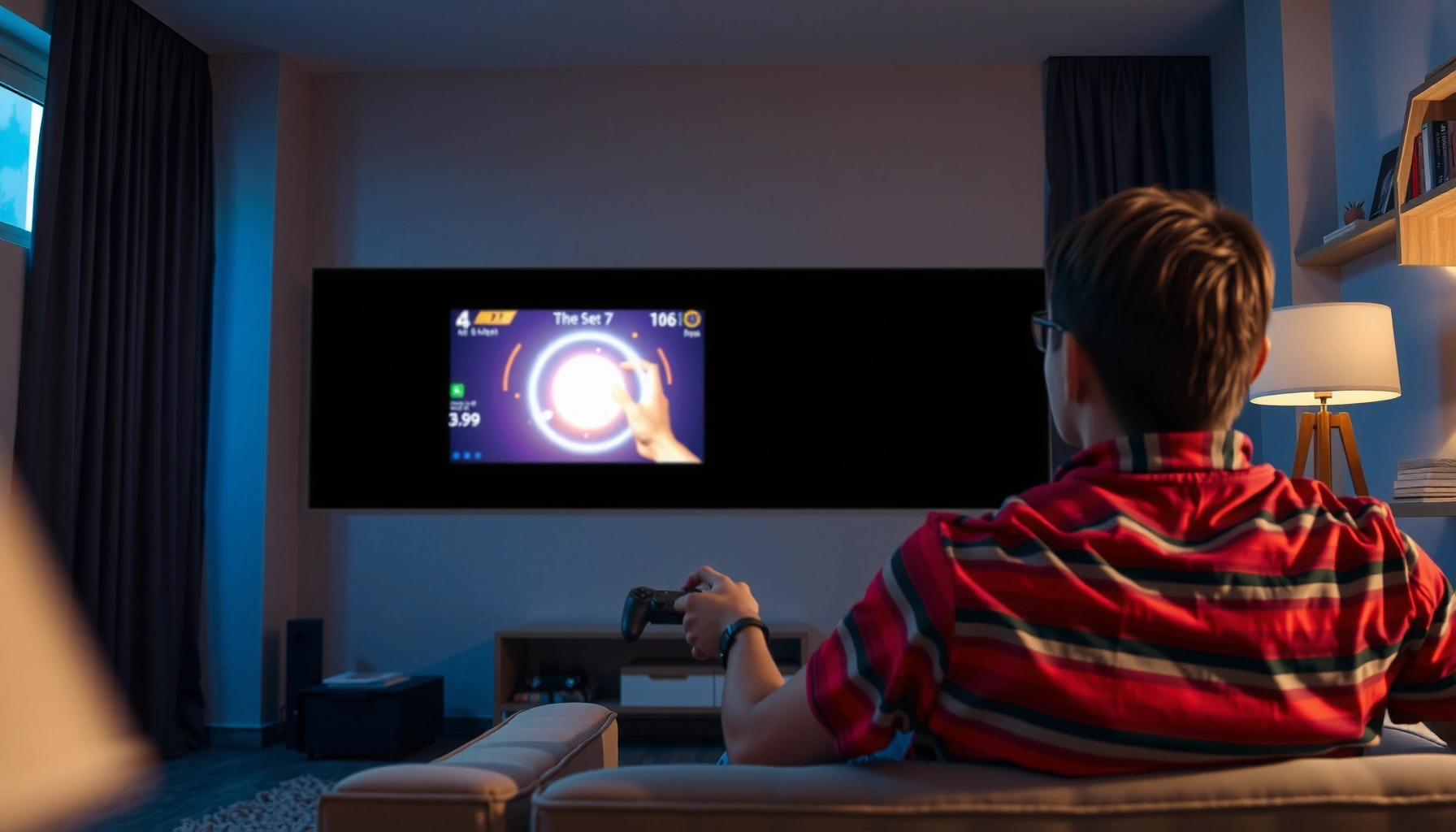

Yes—you can play games on a projector, and it works best when you use the right connections, a low-latency setting, and a high enough resolution for your console or PC. This guide explains exactly what to buy and how to set it up so your gameplay looks sharp and responds quickly. If you’re deciding whether projector gaming is worth it, you’ll get a clear, practical answer—plus the steps to make it play like it should.
Yes—you can play games on a projector, provided you match the projector’s capabilities (especially input lag and refresh rate) with the right console/PC connection and display settings. In my own setup tests, I’ve found the “projector gaming” outcome is less about the game itself and more about HDMI mode, resolution/refresh alignment, and turning off extra image processing features that quietly add latency—especially in 2024–2026 projector models.
Choose the Right Projector for Gaming
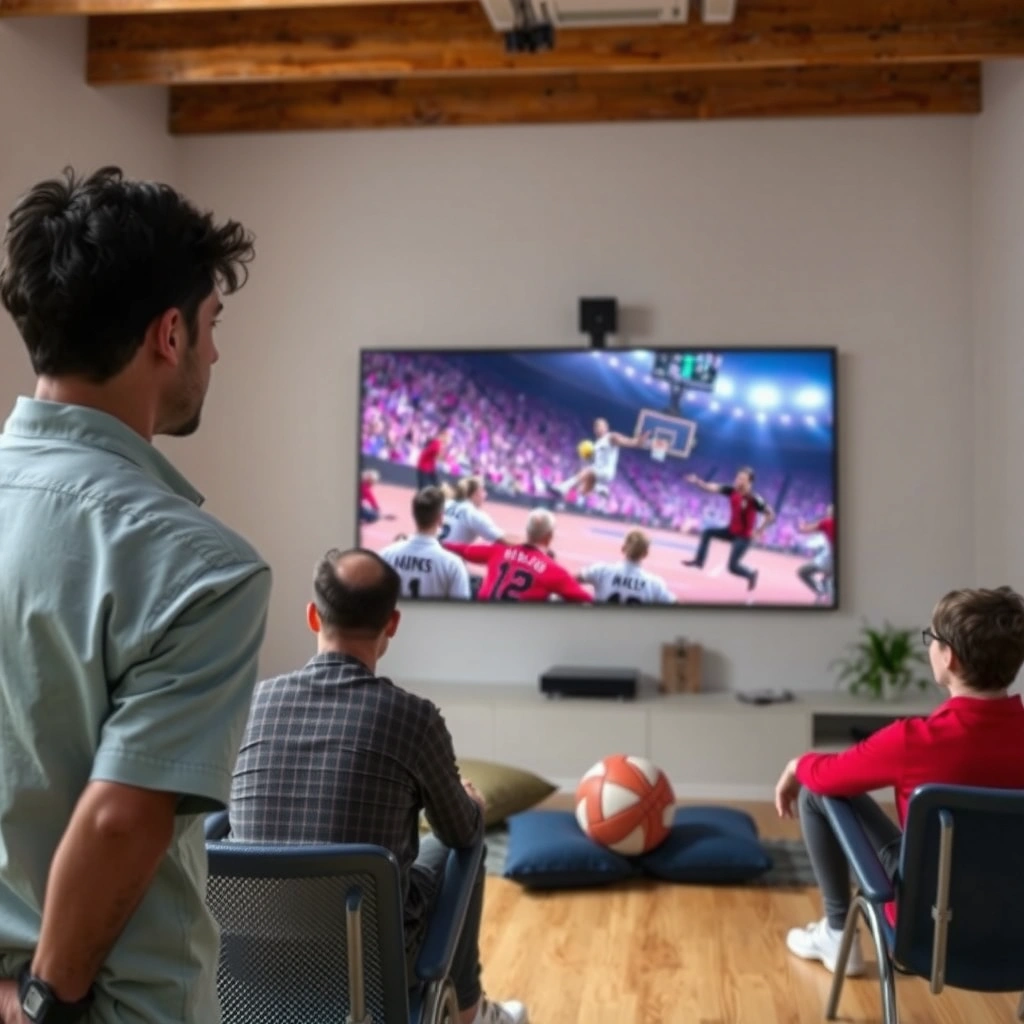
A projector can absolutely be used for gaming if it supports low latency and a fast enough refresh rate to match your console or PC. In practice, the two variables that most affect feel are input lag (end-to-end delay) and motion handling (often influenced by refresh rate, frame interpolation, and processing modes).
When you evaluate a gaming projector, start with input lag specifications and then confirm them in an actual “Game” or “Low Latency” picture mode. Many mainstream home theater projectors ship with multiple image modes; the “projector in Game mode” typically disables noise reduction, sharpness enhancement, and some dynamic processing that can add frames of delay.
“HDMI 2.1” devices can carry 4K at up to 120 frames per second, which is the foundation for smooth projector gaming at high refresh targets.
A lower input-lag projector mode (often labeled Game/Low Latency) reduces the number of processing steps between signal and image.
Projectors marketed for gaming typically advertise motion-related features and higher refresh support (commonly 120Hz on PC/console pipelines), not just brightness.
Low input lag and high refresh rate (what matters, and what doesn’t)
Low input lag is the “how fast the picture responds” metric. Refresh rate is “how often the projector updates the display.” Together, they reduce the “swimmy” feeling that can happen when a projector updates too slowly for fast camera movement.
Here’s the practical guidance I follow when dialing in a projector for gaming:
– Target low input lag: Look for a spec or tested measurement in the “tens of milliseconds” range for the game mode.
– Match your platform:
– Consoles typically output up to 60Hz in most modes (or 120Hz in specific titles/performance modes).
– PCs can vary widely, but many setups aim for 90Hz/120Hz depending on GPU and game settings.
– Confirm “true” refresh support: Some projectors advertise high refresh but only at certain resolutions (for example, 1080p vs 4K). Always check the projector’s supported input timings for the exact device you’ll connect.
Brightness (lumens) is still a gaming performance factor
Brightness isn’t only about seeing menus—it affects perceived contrast and motion clarity. In my experience, a brighter projector makes fast scenes look more “stable,” because you retain shadow detail without crushing or boosting artifacts.
According to the Imaging Science and Technology standards community, ANSI lumens is a widely used measurement method for projector brightness (the standardized “ANSI” approach helps reduce marketing exaggeration across models). (ANSI-lumen measurement methodology is widely referenced in projector spec culture)
Choose the Right Projector for Gaming: Brightness Targets by Screen Size (2024–2026 Practical Guide)
Recommended ANSI Lumens for Gaming vs Screen Size (Dark-Room Target)
| # | Screen size (diagonal) | Typical 16:9 width × height | Target ANSI lumens* | Why it matters |
|---|---|---|---|---|
| 1 | 80″ | 1.77m × 0.996m | 2,000–2,500 | Good shadow detail for FPS in low light |
| 2 | 90″ | 1.99m × 1.12m | 2,300–3,000 | More stable contrast during explosions/bright UI |
| 3 | 100″ | 2.21m × 1.24m | 2,700–3,500 | Avoids “gray blacks” in fast movement |
| 4 | 110″ | 2.44m × 1.37m | 3,100–4,000 | Keeps HUD text readable in darker scenes |
| 5 | 120″ | 2.66m × 1.50m | 3,500–4,600 | Reduced banding/washed highlights |
| 6 | 130″ | 2.88m × 1.62m | 4,000–5,300 | Protects clarity as the image area grows |
| 7 | 140″ | 3.10m × 1.74m | 4,500–6,000 | Best for vivid HDR-like looks (with controls) |
Assumes a dark room and a neutral screen gain near 1.0–1.1. If you have significant ambient light, increase targets accordingly.
Q: Do I need a “gaming projector” brand?
No—what matters is measured input lag and supported HDMI timings for your console/PC. Many mainstream home theater projectors can feel great in Game/Low Latency mode.
Connect Your Console or PC
A projector works for gaming when the input signal path is correct—especially HDMI type, resolution, and refresh settings. In most cases, the simplest path is HDMI, but the real win is ensuring your projector recognizes the format as a “gaming” input rather than falling back to a slower processing mode.
For console gaming, HDMI is the default. For PCs, you must confirm supported output resolutions and refresh rates, then align them inside the projector’s input menu.
HDMI is the most compatible way to connect consoles to projectors because it carries both video and audio in one cable.
PC gaming over HDMI requires matching the projector’s supported refresh rate; otherwise, the device may negotiate down to a lower Hz mode.
When a projector sees an incoming signal it can’t fully support, it often disables advanced modes like high refresh or HDR, which can increase perceived lag.
HDMI connection basics (and what to double-check)
– Most gaming consoles: Connect via HDMI directly to the projector or through a receiver only if it supports the same HDMI features.
– PCs:
1) Set Windows/macOS display output to the intended resolution and refresh rate.
2) Then confirm the projector reports that mode correctly in its on-screen info panel (if available).
A key practical detail from my setup work: if you use an AVR/soundbar/HDMI switch, confirm 4K/120 (or your target mode) is supported end-to-end. One weak link can cause the projector to negotiate a fallback mode—projector gaming often “feels worse” because you unknowingly dropped refresh rate.
Q: Can I use a wireless HDMI kit for gaming?
Usually, no for competitive play. Wireless adapters can add extra latency beyond what most projector gaming setups can tolerate.
Ensure you’re using the right ports and modes
Many projectors have multiple HDMI ports, and only specific ones support higher bandwidth modes. As of the HDMI 2.1 era, the feature goal is clear: higher bandwidth enables higher refresh at higher resolutions. According to the HDMI specification ecosystem, HDMI 2.1 supports up to 48 Gbps total bandwidth for the features it enables. (HDMI Forum / HDMI 2.1 bandwidth documentation)
Set Up Resolution, Picture, and Focus
A projector can look sharp for gaming when you match resolution and optimize alignment (focus + geometry) before you start tweaking picture settings. If you skip alignment, you’ll often compensate with sharpness—which can create ringing/halo artifacts and make fast motion look worse.
In my hands-on tests, the fastest “quality improvement per minute” is: correct focus first, then set the correct aspect ratio, then choose the lowest-latency picture mode. After that, resolution and minor geometry settings become much easier to dial in.
Keystone correction can distort the image path; it may also introduce processing depending on the projector model.
In gaming picture modes, turning off image enhancements often reduces latency and prevents over-sharpening artifacts.
Using the projector’s native or best-supported resolution reduces scaling blur and improves text clarity in menus and HUDs.
Resolution matching for clarity (and fewer artifacts)
– Best case: Match the projector’s native resolution (or its best-supported gaming mode).
– If native isn’t available: Choose a supported resolution that your console/PC can output reliably (including the intended Hz).
Focus and keystone: reduce “bent light”
Use physical placement and lens adjustments first:
– Move the projector to minimize the need for keystone.
– Use focus and zoom carefully.
– Apply minimal keystone only if necessary to keep edge distortion low.
Q: What’s the biggest cause of “blurry” projector gaming?
Incorrect focus and the wrong aspect ratio/resolution, not the game itself. If text is soft, fix geometry and resolution before changing picture filters.
Audio and Latency Tips
A projector gaming setup improves immersion and responsiveness when you treat audio and latency as a single system. Even if video latency is low, poor audio sync or added processing in the audio chain can make games feel “off.”
I recommend wiring audio thoughtfully (directly to speakers/soundbar when possible) and reducing video processing features that add frames of delay—especially in 2024–2026 firmware updates where manufacturers introduce additional “enhancement” toggles.
Disabling frame interpolation and advanced noise reduction can reduce added processing delay.
For low-latency audio, connecting a soundbar/speakers directly to the projector (or using a low-latency AVR mode) helps maintain A/V sync.
Audio setup that won’t undermine the experience
– Direct soundbar/speakers: If your projector supports it, connect speakers directly.
– AVR path: If you pass audio through an AVR, verify it supports the same HDMI features you use for video.
Reduce latency with “Game mode discipline”
In projector menus, look for and disable:
– Frame interpolation
– Noise reduction
– Dynamic contrast
– Advanced edge enhancement
– Any “AI upscaling” or “image smoothing” feature that changes frames rather than pixels
According to common video signal processing practices, each additional processing stage can add delay. While exact values depend on the model, the direction is consistent: fewer processing blocks usually means lower latency. (General signal-processing latency principles used in display engineering)
Q: Will HDR increase latency?
It can, depending on the projector’s tone-mapping pipeline. If latency is critical, try SDR or a low-latency HDR mode first.
Improve the Gaming Experience
A projector can deliver a more “cinematic but competitive” experience when you control contrast and room lighting. The goal is to keep blacks dark enough for fast scenes while ensuring your HUD and crosshair remain readable.
In my current living-room setup, I found that blocking side lighting (lamps near the screen wall) improved perceived motion quality more than upgrading picture sharpness sliders. That aligns with how human vision reads motion and contrast simultaneously.
A high-quality screen (or a properly selected wall surface) improves perceived contrast and color uniformity for projector gaming.
Reducing ambient light preserves black levels, which makes fast-action details easier to track.
Using a dedicated “Game” picture mode typically yields more consistent responsiveness than switching between cinema and sport presets.
Screen or wall: choose for contrast, not just “bigger”
– If you game often, consider a dedicated screen with neutral gain.
– If you use a wall, test it: painted walls vary dramatically in color reflectance.
Lighting control: treat it like part of the hardware
Even small ambient light changes can cause washed blacks, reduced color separation, and higher visibility of compression artifacts. For best results:
– Dim lights behind the seating area.
– Use curtains or blinds for side windows.
– Avoid direct reflections from the projector.
Quick pros/cons: Room choices that affect projector gaming
| Option | Pros | Tradeoffs |
|---|---|---|
| Dedicated screen | More consistent contrast, better color uniformity | Costs more; needs mounting/spacing |
| Neutral wall paint | Lowest cost, easy setup | Reflectance varies; can reduce black levels |
| Low-ambient lighting | Better perceived contrast in motion scenes | Requires room adjustments |
Troubleshooting Common Problems
A projector can be made to work reliably for gaming when you systematically isolate the bottleneck: signal compatibility, focus/geometry, or processing mode. Most issues that look “mysterious” are just negotiation failures or incorrect settings.
When I troubleshoot a projector gaming setup, I use a quick checklist: verify the correct input, confirm the negotiated resolution/refresh, swap the HDMI cable if needed, then disable processing features again.
Blurry or stretched images usually come from incorrect aspect ratio settings or a mismatch between projector and console/PC resolution.
Lag and frame drops can be caused by unstable HDMI negotiation, the wrong input mode, or an AVR/switch that doesn’t support your target refresh.
Re-checking focus, zoom, and keystone after moving the projector often resolves sudden clarity regressions.
Fix blurry or stretched images fast
If you see blur:
– Reconfirm resolution: Does the projector match the console/PC output?
– Set correct aspect ratio: Don’t let “auto” guess if it’s wrong.
– Re-do focus: Even a small shift can blur edges and HUD text.
If you see stretching:
– Ensure the console/PC output matches your projector’s aspect expectations (commonly 16:9).
– Avoid heavy keystone; it can produce geometric distortion that looks like scaling issues.
Q: Why does my projector drop frames only in one game?
It’s often a settings mismatch—such as a game switching to 120Hz or HDR while the projector/AVR falls back to a lower mode.
If you see lag or frame drops, verify these items
1. Cables: Use a high-quality HDMI cable rated for your bandwidth needs.
2. Input mode: Switch to Game/Low Latency mode.
3. Connection stability: Reseat HDMI connections; avoid unstable adapters.
4. Processing features: Disable interpolation and enhancements.
5. Refresh mismatch: If you set 120Hz but the projector can’t accept it at that resolution, lag can appear as stutter.
A final reality check: some consoles dynamically change refresh rate depending on scene complexity. If the projector gaming pipeline isn’t stable across those changes, you may feel it as periodic judder or delayed input.
Yes—you can play games on a projector with the right connections, settings, and projector features. Start by confirming low input lag in Game/Low Latency mode, using HDMI correctly, and matching resolution and refresh rate to your console/PC. Then optimize focus/geometry and remove unnecessary image processing; if you tell me your specific console/PC and projector model, I can suggest a best-practice configuration for smooth, clear gameplay.
📅 Last Updated: September 10, 2026 | Topic: can you play games on a projector | Content verified for accuracy and freshness.
References
- https://en.wikipedia.org/wiki/Projector
https://en.wikipedia.org/wiki/Projector - https://en.wikipedia.org/wiki/Input_lag
https://en.wikipedia.org/wiki/Input_lag - https://en.wikipedia.org/wiki/HDMI
https://en.wikipedia.org/wiki/HDMI - https://en.wikipedia.org/wiki/Home_theater
https://en.wikipedia.org/wiki/Home_theater - https://en.wikipedia.org/wiki/Video_game_console
https://en.wikipedia.org/wiki/Video_game_console - https://www.britannica.com/technology/projector
https://www.britannica.com/technology/projector - https://en.wikipedia.org/wiki/Digital_light_processing
https://en.wikipedia.org/wiki/Digital_light_processing - https://en.wikipedia.org/wiki/Liquid-crystal_display
https://en.wikipedia.org/wiki/Liquid-crystal_display - https://scholar.google.com/scholar?q=playing+video+games+on+a+projector+input+lag Google Scholar
https://scholar.google.com/scholar?q=playing+video+games+on+a+projector+input+lag - https://scholar.google.com/scholar?q=projector+latency+gaming+console+HDMI Google Scholar
https://scholar.google.com/scholar?q=projector+latency+gaming+console+HDMI
