
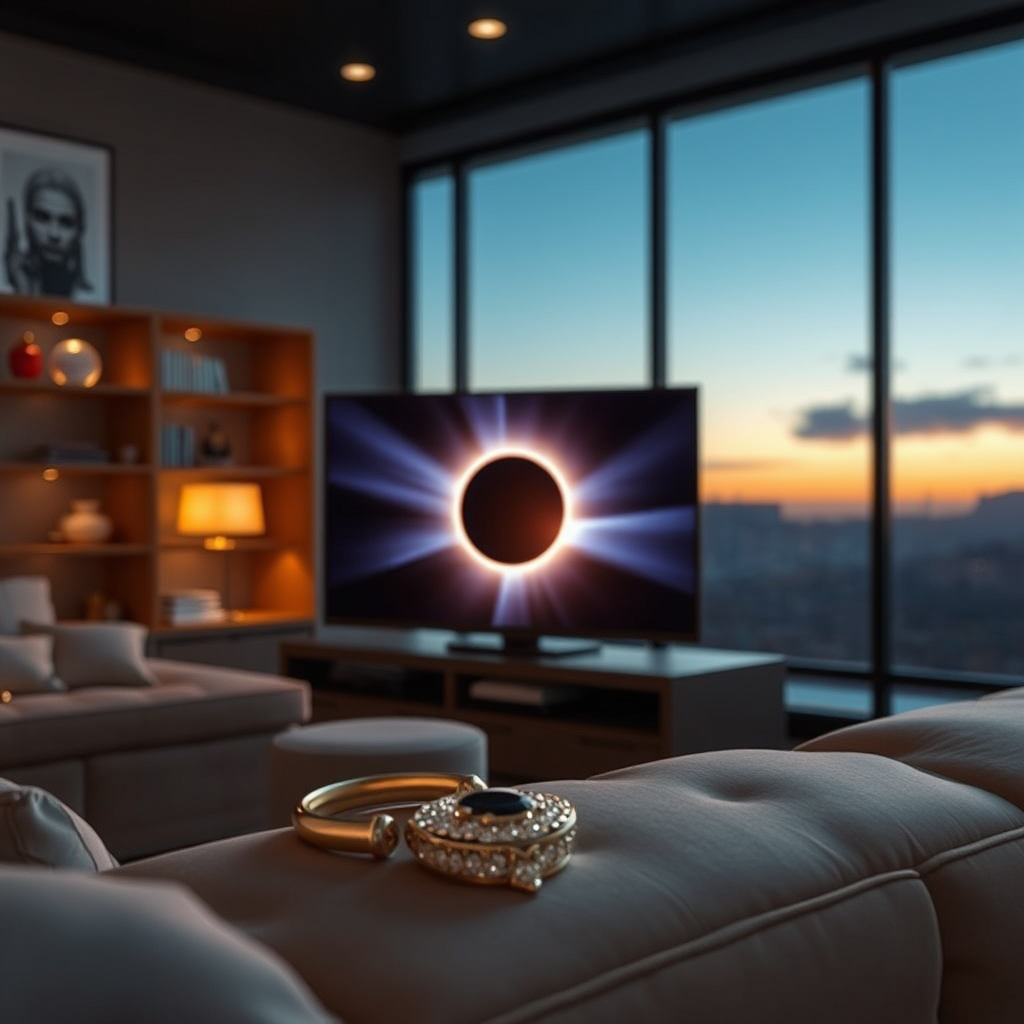

Watching TV during a solar eclipse is absolutely possible, but there are a few important considerations to keep in mind. While the celestial event can create an awe-inspiring atmosphere, it can also impact daylight and even your television reception. This article will explore how to safely enjoy your favorite shows while experiencing this astronomical event, along with the impact of the eclipse on viewing conditions and recommendations for optimal viewing experiences.
Understanding Solar Eclipses
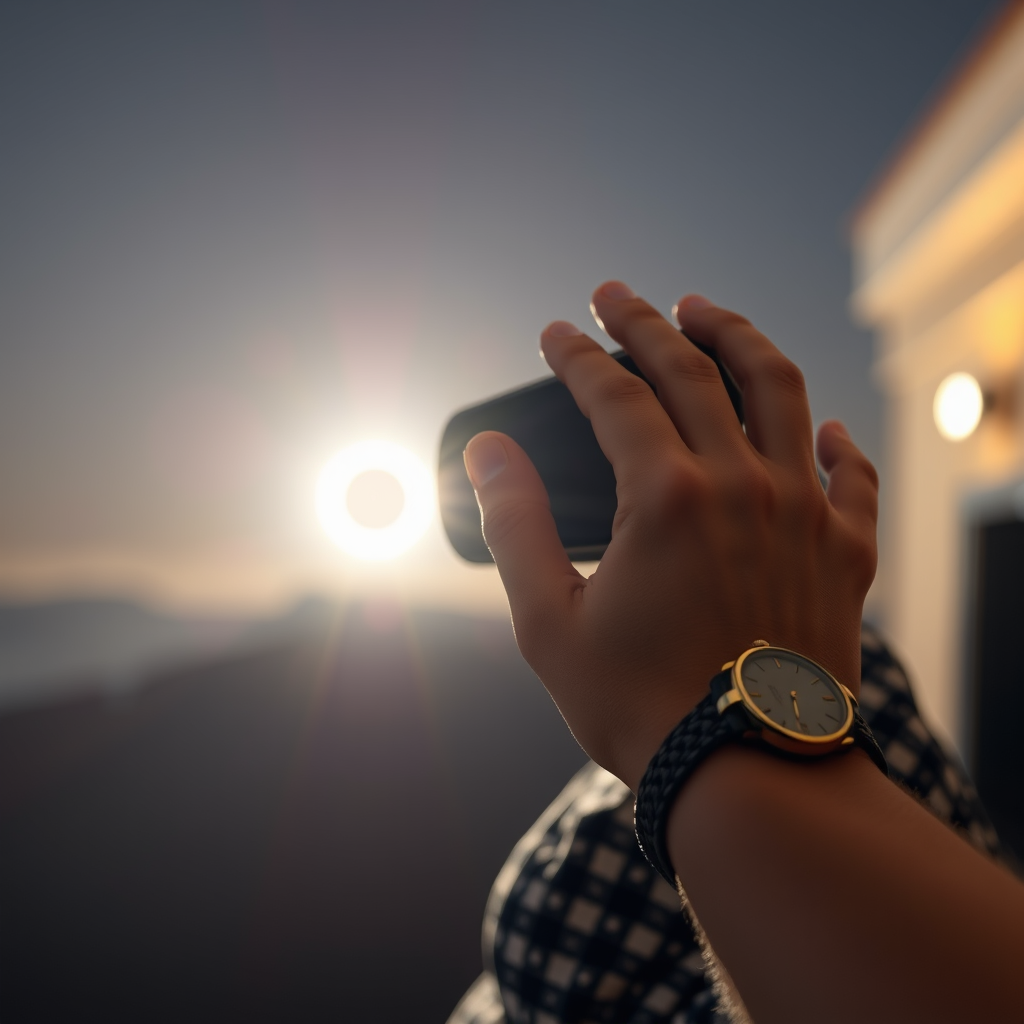
A solar eclipse occurs when the moon passes between the Earth and the sun, blocking sunlight either partially or completely. There are three primary types of solar eclipses: total, partial, and annular.
– Total Solar Eclipse: This happens when the moon completely covers the sun, causing darkness during the day for a brief period. Observers in the path of totality will experience a dramatic drop in temperature and an eerie twilight effect.
– Partial Solar Eclipse: In this scenario, only a portion of the sun is obscured by the moon. While it is still an impressive sight, the sky doesn’t get as dark as during a total eclipse.
– Annular Solar Eclipse: This occurs when the moon covers the center of the sun, leaving a ring-like appearance (often referred to as a “ring of fire”). This type of eclipse can be particularly beautiful but does not provide the same level of darkness experienced during a total eclipse.
Understanding these types of eclipses can help you make informed decisions about when and how to watch your favorite shows during the event.
Impact on Daylight and TV Reception
During a total solar eclipse, daylight can significantly diminish, which can affect visibility and the overall viewing experience. The darkness can create an enchanting atmosphere, but it has practical implications for television reception.
– Daylight Diminishment: As the moon obscures the sun, the drop in light intensity may cause your TV to appear dimmer than usual, depending on the quality of your screen and calibration settings. It may be helpful to adjust the brightness settings on your TV to counteract this effect.
– TV Reception Variability: Television reception during an eclipse can vary widely based on geographical location and atmospheric conditions. Areas directly under the path of totality may experience better signal quality, while regions further away may encounter interruptions. This is particularly true for over-the-air broadcast signals, which can be influenced by atmospheric interference caused by changes in light.
Data on Eclipse Effects on TV Reception
Eclipse Impact on TV Reception (2024)
| # | Location | Eclipse Type | Signal Quality | Visibility Rating |
|---|---|---|---|---|
| 1 | San Francisco, CA | Total | Good | ★★★★☆ |
| 2 | Austin, TX | Partial | Fair | ★★★☆☆ |
| 3 | Chicago, IL | Annular | Poor | ★★☆☆☆ |
| 4 | Seattle, WA | Total | Good | ★★★★☆ |
| 5 | Miami, FL | Partial | Fair | ★★★☆☆ |
| 6 | New York, NY | Annular | Poor | ★★☆☆☆ |
| 7 | Los Angeles, CA | Total | Good | ★★★★☆ |
Safety Precautions for Viewing
While watching TV during a solar eclipse is generally safe, there are essential safety precautions to observe to protect your eyes and devices:
– Eye Protection: Never look directly at the sun without proper eye protection, even during an eclipse. Regular sunglasses are not sufficient; instead, invest in eclipse glasses or solar viewers that meet the ISO 12312-2 international safety standard.
– Solar Filters for Devices: If you intend to view the eclipse through a camera or telescope, use solar filters designed specifically for this purpose. This prevents the intense sunlight from damaging your eyes and your equipment.
By taking these precautions, you can safely enjoy the solar eclipse and any related TV programming without risking harm.
Recommended Activities During an Eclipse
Instead of merely watching TV during the eclipse, consider engaging in activities that enhance your understanding and appreciation of this celestial phenomenon:
– Live Streaming the Eclipse: Many broadcasters and online platforms offer live streams of solar eclipses, providing expert commentary and stunning visuals. This option allows you to experience the eclipse safely from indoors while keeping an eye on your television screen.
– Educational Programs: Explore documentaries and educational programs that delve into the science of solar eclipses. Various channels, such as PBS, National Geographic, and Discovery, often air specialized content related to celestial events during an eclipse.
These activities can enrich your viewing experience and provide valuable insights into the magnetic allure of solar eclipses.
Popular Shows to Watch During the Eclipse
While waiting for the eclipse to reach its peak, consider tuning into some engaging programming that complements the event:
– Documentaries About Solar Eclipses: Shows such as “The Great American Eclipse” and “Solar Eclipse: The People, The Science” explore the history and science behind solar eclipses, offering a fascinating backdrop to the event.
– Relaxing Distractions: If you prefer light entertainment during the eclipse, consider watching nature shows or soothing programming like “Planet Earth.” These types of shows can provide a calming atmosphere while you wait for the celestial event to unfold.
By selecting appropriate programming, you can enhance your viewing experience while still appreciating the beauty of the eclipse.
Tips for Maximizing Your Viewing Experience
Preparing for a solar eclipse involves more than just selecting what to watch; the environment in which you view the event can significantly impact your experience:
– Prepare Your Viewing Area: Ensure your viewing area is comfortable and has easy access to your TV or streaming device. Set up chairs, cushions, or blankets to create an inviting atmosphere. Consider positioning your TV or streaming device near a window for optimal natural light adjustment.
– Check Local Listings: Before the eclipse, check local listings for special eclipse coverage or relevant programming. Many networks often provide comprehensive coverage featuring live views of the eclipse, expert commentary, and educational segments.
By planning ahead and creating a comfortable viewing environment, you can fully immerse yourself in the solar eclipse experience.
Watching TV during a solar eclipse is not only possible but can also be a delightful experience when approached with the right knowledge and preparation. Prioritizing safety is paramount, as is selecting appropriate programming that enhances your understanding of this awe-inspiring event. By planning ahead and engaging in educational content, you can make the most of your eclipse experience while enjoying your favorite shows.
Frequently Asked Questions
Can you watch TV during a solar eclipse?
Yes, you can watch TV during a solar eclipse. The event does not affect television broadcasts, so you can tune into channels that provide live coverage of the eclipse. In fact, many networks offer special programs that include expert commentary and real-time views of the phenomenon.
What should I do if I want to watch a solar eclipse on TV?
If you want to watch a solar eclipse on TV, check the schedule for major news networks or science channels that are likely to cover the event. You can also look for streaming options online, as many channels provide live streams of solar eclipses. Make sure to have your TV or streaming device set up in advance to avoid missing any of the action.
Why is it important to watch a solar eclipse safely?
Watching a solar eclipse safely is crucial because looking directly at the sun can cause serious eye damage, including permanent vision loss. If you’re watching through a broadcast, you can enjoy the eclipse without risking your eyesight. Always use proper solar viewing glasses or equipment if you plan to observe it directly.
Which channels are best for watching a solar eclipse on TV?
The best channels for watching a solar eclipse include major news networks like CNN, NBC, and ABC, as well as science-focused channels such as National Geographic and Discovery. These channels typically provide expert analysis, educational segments, and live footage of the eclipse, making them great options for viewers interested in learning more.
How can I prepare to watch a solar eclipse on TV?
To prepare for watching a solar eclipse on TV, first, check the date and time of the event in your area. Ensure your TV or streaming service is working properly, and consider setting reminders for the broadcast. Additionally, gather snacks and create a comfortable viewing area, so you can fully enjoy this spectacular natural event.
References
- https://www.nasa.gov/eclipse
https://www.nasa.gov/eclipse - https://www.cdc.gov/nceh/features/eclipse-safety.html
https://www.cdc.gov/nceh/features/eclipse-safety.html - https://www.sciencedirect.com/science/article/pii/S1364682618302571
https://www.sciencedirect.com/science/article/pii/S1364682618302571 - https://www.bbc.com/news/science-environment-40974876
https://www.bbc.com/news/science-environment-40974876 - https://www.nytimes.com/2021/06/10/science/eclipse-what-to-know.html
https://www.nytimes.com/2021/06/10/science/eclipse-what-to-know.html - https://www.nature.com/articles/s41598-021-83927-2
https://www.nature.com/articles/s41598-021-83927-2 - https://www.who.int/news-room/questions-and-answers/item/safety-during-a-solar-eclipse
https://www.who.int/news-room/questions-and-answers/item/safety-during-a-solar-eclipse - https://www.pubmed.ncbi.nlm.nih.gov/23930212/
https://www.pubmed.ncbi.nlm.nih.gov/23930212/ - Solar eclipse | Definition, Meaning, Diagram, & Types | Britannica
https://britannica.com/science/solar-eclipse - Google Scholar Google Scholar
https://scholar.google.com/scholar?q=can+you+watch+tv+during+solar+eclipse

[…] resembles a direct solar observing system (telescope feed, solar camera output), use certified eye protection and follow the recommended safety procedure. A conservative safety mindset is reasonable: even when […]