
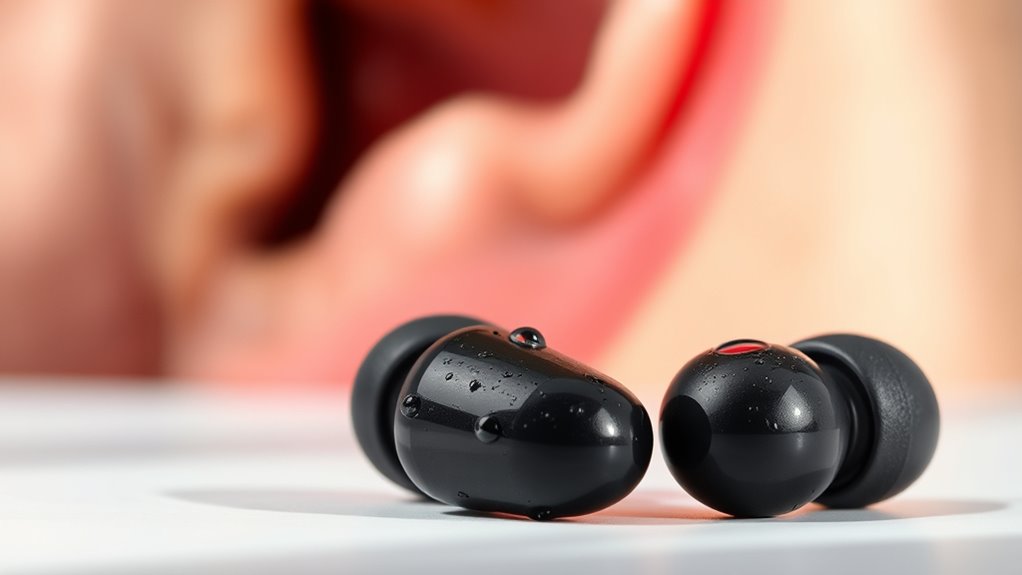

Yes, earbuds can contribute to ear infections due to moisture retention and bacteria growth in the ear canal. When you use earbuds, they can create a warm, humid environment that fosters bacterial and fungal growth. Poor hygiene, such as not cleaning your earbuds or sharing them, also increases the risk of infection. To better understand how to protect your ear health while using earbuds, explore more about ear health practices and listening alternatives.
Understanding Ear Infections
Understanding ear infections requires recognizing that they can arise from various factors, including allergies, respiratory infections, and anatomical issues. To maintain ideal ear health, it’s essential to be aware of these contributing elements. Allergies may cause swelling in the Eustachian tubes, leading to fluid accumulation, while respiratory infections can facilitate bacterial growth in the ear. Additionally, anatomical issues, such as a narrow ear canal, can heighten susceptibility to infections. To focus on infection prevention, practice good hygiene by regularly cleaning earbuds and avoiding their use in moist environments. Limit exposure to allergens and seek prompt treatment for respiratory infections. By being proactive in these areas, you can greatly reduce your risk of developing ear infections and protect your overall ear health.
The Anatomy of the Ear
To understand how earbuds can contribute to ear infections, it’s vital to grasp the anatomy of the ear. You’ll find that the ear consists of three main sections: the outer ear, middle ear, and inner ear, each playing an important role in hearing and balance. Additionally, recognizing the types of ear infections can help you appreciate the potential risks associated with improper earbud use.
Ear Structure Overview
While you may be familiar with the general concept of the ear, its intricate anatomy plays an essential role in auditory function and health. The ear consists of three main parts: the outer ear, middle ear, and inner ear. The outer ear captures sound waves, which travel through the ear canal to the eardrum, initiating sound transmission. In the middle ear, ossicles amplify these vibrations before they reach the cochlea in the inner ear, where hair cells convert mechanical energy into electrical signals. These signals are then sent to the brain for interpretation. Understanding this ear anatomy is vital, as it helps you appreciate how various factors, including earbuds, can potentially impact ear health and auditory clarity.
Types of Ear Infections
Ear infections can occur in different parts of the ear, each presenting unique symptoms and implications for health. Acute otitis media affects the middle ear, often causing pain and fever. Chronic otitis media, on the other hand, is a long-standing condition that may lead to persistent hearing loss and tympanic membrane damage. In the outer ear, you might experience swimmer’s ear, characterized by itching and discharge, typically due to water exposure and bacteria. The inner ear can also be affected, leading to more complex issues. Additionally, earwax buildup can block the ear canal, increasing infection risk. Understanding these types helps you recognize symptoms early and seek appropriate treatment, maintaining your ear health and overall well-being.
How Earbuds Can Contribute to Infections
Using earbuds can create an environment conducive to bacterial growth due to moisture retention, especially with prolonged use. If you’re not cleaning your earbuds regularly, the accumulation of dirt and bacteria can further increase the risk of ear infections. Understanding these factors is essential for maintaining ear health while using these popular audio devices.
Bacteria Growth Potential
Although you might not realize it, the environment created by earbuds can greatly encourage bacteria growth, ultimately increasing the risk of ear infections. Poor ear hygiene can lead to the proliferation of various bacteria strains in the ear canal, particularly when earbuds are used frequently and not cleaned properly.
| Bacteria Strain | Potential Risk | Ear Hygiene Tips |
|---|---|---|
| Staphylococcus aureus | Skin infections | Clean earbuds weekly |
| Pseudomonas aeruginosa | Ear infections | Avoid sharing earbuds |
| Escherichia coli | Inflammation | Dry earbuds after use |
Moisture Retention Issues
The warm and enclosed environment created by earbuds can considerably contribute to moisture retention in the ear canal. When you wear earbuds for extended periods, moisture buildup occurs, as they restrict ear ventilation. This trapped moisture creates an ideal breeding ground for bacteria and fungi, increasing the risk of ear infections. As sweat and humidity accumulate, the delicate balance of the ear’s microbiome is disrupted, making it more susceptible to pathogenic organisms. To minimize this risk, consider taking breaks from your earbuds, allowing your ears to dry and breathe. Investing in moisture-wicking earbud materials or ensuring proper ear ventilation can further help maintain a healthier auditory environment, reducing the likelihood of infection.
Improper Cleaning Practices
Many people overlook the importance of proper cleaning practices for their earbuds, which can greatly increase the risk of ear infections. Regular maintenance is essential, especially considering the earbud materials that can harbor bacteria. Here are some key practices to follow:
- Clean frequency: Wipe down your earbuds at least once a week.
- Material-specific cleaners: Use appropriate cleaning solutions for different earbud materials to avoid damage.
- Remove earwax buildup: Regularly check and remove any earwax or debris from the ear tips.
- Store properly: Keep your earbuds in a clean, dry case when not in use to prevent contamination.
Types of Earbuds: Wired vs. Wireless
Choosing between wired and wireless earbuds can greatly impact your listening experience and overall ear health. Wired earbuds typically offer wired durability, meaning they can withstand more wear and tear compared to their wireless counterparts. However, wireless earbuds provide unparalleled convenience, allowing you to move freely without tangled cords.
| Feature | Wired Earbuds | Wireless Earbuds |
|---|---|---|
| Durability | High | Moderate |
| Convenience | Low | High |
| Battery Life | N/A | Limited (Rechargeable) |
Ultimately, your choice should align with your lifestyle and preferences. Being mindful of how you use them can minimize risks like ear infections, regardless of the type you choose.
Signs and Symptoms of Ear Infections
Although you might not realize it at first, ear infections can manifest through a range of signs and symptoms that vary in severity. Effective symptom recognition is essential for prompt diagnosis and infection prevention. Here are some key indicators to be aware of:
Recognizing the signs of ear infections early is crucial for effective diagnosis and treatment.
- Ear Pain: Discomfort or sharp pain in one or both ears.
- Fluid Discharge: Pus or fluid leaking from the ear canal.
- Hearing Loss: Temporary reduction in hearing ability.
- Fever: Elevated body temperature, particularly in children.
If you notice any of these symptoms, it’s important to consult a healthcare professional. Early intervention can help mitigate complications and promote healing, ensuring you can enjoy life without the burden of ear infections.
Hygiene Practices for Earbud Users
Proper hygiene practices for earbud users are essential in preventing ear infections and maintaining ear health. Regularly clean your earbuds using appropriate cleaning techniques, such as using a soft cloth or alcohol wipes to remove dirt and bacteria. Pay special attention to the ear tips, where moisture and wax can accumulate. It’s advisable to clean your earbuds at least once a week to minimize the risk of infection.
Additionally, consider effective storage solutions—keeping your earbuds in a dry, clean case when not in use can help protect them from contaminants. Avoid sharing your earbuds with others, as this can transfer bacteria. By implementing these practices, you can enjoy your earbuds while safeguarding your ear health.
The Role of Moisture in Ear Health
Moisture plays an essential role in ear health, as excess humidity in the ear canal can create an environment conducive to bacterial and fungal growth. Maintaining a proper moisture balance and ensuring adequate ear ventilation are vital for preventing infections. Here are some key points to take into account:
- Humidity Levels: High humidity can lead to excessive moisture, promoting growth of pathogens.
- Ear Ventilation: Proper airflow helps regulate moisture levels, reducing the risk of infections.
- Cleaning Practices: Regular cleaning of earbuds and ears can prevent moisture buildup and bacterial colonization.
- Environmental Factors: Being mindful of external environments, such as swimming or showering, can help you manage moisture exposure.
Recommendations for Safe Earbud Use
When you use earbuds, it’s essential to prioritize ear health to prevent infections and discomfort. Start by practicing good ear hygiene; regularly clean your earbuds with alcohol wipes to eliminate bacteria. Limit your listening time to avoid prolonged exposure to sound, and maintain safe listening volumes—keeping the volume below 60% helps protect your hearing and reduces the risk of ear problems. Additionally, avoid sharing your earbuds with others to minimize the transmission of germs. If you notice any signs of infection, such as pain or discharge, consult a healthcare professional promptly. By following these recommendations, you can enjoy your music while safeguarding your ear health and ensuring a more pleasant listening experience.
Alternatives to Earbuds
While earbuds offer convenience and portability, there are several alternatives that can enhance your listening experience without compromising ear health. Consider these options:
Explore alternatives to earbuds that enhance your listening experience while prioritizing your ear health.
- Wireless Headphones: These provide a comfortable, untethered experience, often with better sound quality and noise cancellation features.
- Over Ear Headphones: These cover your entire ear, creating a seal that can improve sound immersion while reducing the risk of ear infections.
- Bone Conduction Headphones: These transmit sound through your cheekbones, keeping your ears open and reducing the risk of moisture buildup.
- Speakers: Using external speakers allows you to enjoy music without direct ear contact, promoting ear health and enhancing social experiences.
Exploring these alternatives can grant you the freedom to enjoy audio while safeguarding your ear health.
When to Seek Medical Attention
How can you tell if an ear issue requires medical attention? If you experience persistent pain, hearing loss, or discharge from the ear, it’s vital to seek medical attention. Additionally, symptoms like fever, dizziness, or a feeling of fullness in the ear can indicate an underlying infection that needs professional evaluation. If you’re using earbuds frequently and notice any irritation or discomfort, don’t ignore these signs; they may escalate into more serious complications. Remember, early intervention can prevent more severe issues later on. Trust your instincts—if something feels off, it’s better to consult a healthcare professional. Being proactive about your ear health not only helps you maintain freedom in your activities but also guarantees your overall well-being.
Frequently Asked Questions
Can Wearing Earbuds Lead to Hearing Loss?
Wearing earbuds can indeed lead to hearing loss if you’re not careful. Prolonged exposure to high volumes may cause auditory damage, so it’s best to keep the volume down and give your ears a break.
How Often Should I Clean My Earbuds?
You should clean your earbuds at least once a week to maintain earbud hygiene. Regular cleaning helps prevent buildup of bacteria and wax, ensuring peak performance and reducing the risk of potential ear-related issues.
Do Different Earbud Materials Affect Ear Health?
Yes, different earbud materials can affect ear health. For instance, silicone might be more comfortable and hypoallergenic, while plastic can irritate sensitive skin. Choosing the right materials can help maintain your ear health and comfort.
Can Earbud Use Cause Tinnitus?
While earbuds can contribute to tinnitus symptoms, it’s essential to remember that prevention strategies, like maintaining low volume levels and taking breaks, can help you avoid this ringing in your ears. Stay proactive!
Are There Specific Earbuds Recommended for Sensitive Ears?
For sensitive ears, consider earbuds designed for comfort fit and made from hypoallergenic materials. Brands like Bose and Sennheiser offer options that minimize irritation, ensuring a pleasant listening experience without compromising your ear health.
