
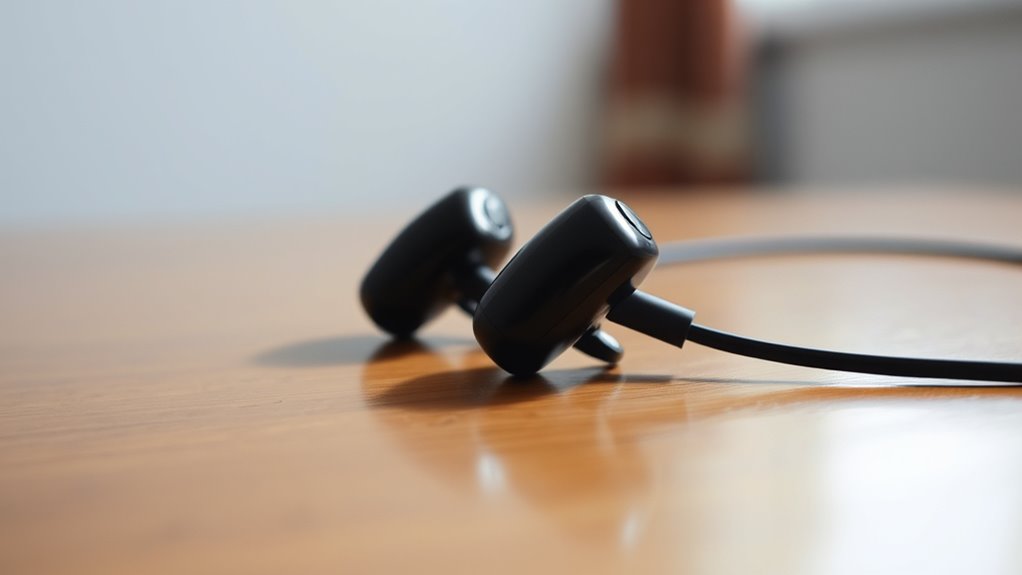

Yes, earbuds can damage your hearing, especially with prolonged use at high volumes. Studies show that listening at levels above 85 dB increases the risk of irreversible hearing loss. The sound delivered directly into your ear canal amplifies this risk. Monitoring your volume, using noise-canceling features, and taking breaks can help protect your ears. If you notice signs like tinnitus or difficulty understanding conversations, it’s crucial to seek professional help. You’ll learn more about safe listening practices and protective measures.
Understanding Sound Levels and Hearing Health
When it comes to hearing health, many don’t realize how sound levels can impact their auditory well-being. Consistent exposure to high sound frequencies can lead to hearing loss, which often goes unnoticed until significant damage occurs. Audiometric assessments are vital for determining your hearing threshold and identifying any potential issues early on. These assessments measure your response to various sound frequencies, helping you understand how loud sounds affect your ears. You might think you’re safe with earbuds, but prolonged exposure to high volumes can accelerate hearing deterioration. It’s important to recognize that your freedom to enjoy music comes with a responsibility to protect your hearing. By monitoring sound levels and getting regular assessments, you can preserve your auditory health effectively.
The Anatomy of Earbuds: How They Work
Understanding how earbuds function is key to recognizing their potential impact on hearing health. Earbuds consist of several components that work together to facilitate sound transmission.
| Earbud Component | Function |
|---|---|
| Speaker Driver | Converts electrical signals into sound waves. |
| Housing | Protects components and influences sound quality. |
| Cable | Connects earbuds to devices, transmitting audio signals. |
| Ear Tips | Guarantees a secure fit, enhancing sound isolation. |
When you plug in your earbuds, the speaker driver vibrates to produce sound waves, while the housing shapes the audio experience. Understanding these components helps you make informed decisions about usage and volume levels, ultimately impacting your hearing health.
Safe Listening Practices for Earbud Users
When using earbuds, it’s essential to follow specific safe listening practices to protect your hearing. Keeping volume levels at or below 60% of the maximum, limiting listening duration to about an hour at a time, and choosing high-quality earbuds can greatly reduce the risk of hearing damage. By adopting these guidelines, you can enjoy your music while safeguarding your auditory health.
Volume Level Guidelines
Although many people enjoy listening to music or podcasts through earbuds, it’s crucial to keep volume levels within safe limits to protect your hearing. Adhering to volume safety guidelines can greatly reduce your risk of permanent hearing damage due to prolonged sound exposure. To guarantee you’re listening at a safe level, consider the following recommendations:
- Keep the volume at or below 60% of the maximum.
- Take breaks every hour to give your ears a rest.
- Use noise-canceling earbuds to minimize background noise, allowing for lower volume settings.
Listening Duration Limits
Listening duration plays a significant role in protecting your hearing while using earbuds. To minimize the risk of hearing damage, it’s essential to incorporate listening breaks into your routine. Experts recommend following the 60/60 rule: listen at no more than 60% volume for no longer than 60 minutes at a stretch, then take a break. This practice helps your ears recover and reduces fatigue. Additionally, setting daily limits on total listening time can further safeguard your auditory health. Aim for no more than four to five hours of listening each day, allowing yourself plenty of time to rest. By being mindful of how long you listen, you can enjoy your music while preserving your hearing for years to come.
Quality Earbud Selection
Choosing the right earbuds can greatly impact your listening experience and protect your hearing. When selecting earbuds, consider the following factors to guarantee you make an informed choice:
- Premium materials: Look for durable components that enhance sound quality and longevity.
- Ergonomic design: Comfort is key, as well-fitting earbuds can prevent volume increase due to discomfort.
- Brand reputation and user reviews: Research brands with positive feedback, guaranteeing reliability and performance.
Also, take note of the price range and warranty options, as these can reflect the quality you’re investing in. Compatibility features should align with your devices, enhancing your overall experience. By prioritizing these elements, you’ll protect your hearing while enjoying superior sound.
The Risks of High Volume Levels
As you immerse yourself in your favorite tunes, it’s essential to recognize that high volume levels can pose significant risks to your hearing health. Prolonged exposure to loud sounds can lead to irreversible damage. Understanding volume awareness is vital for anyone who values their auditory freedom.
| Volume Level (dB) | Risk Level |
|---|---|
| 85 | Moderate Risk |
| 90 | High Risk |
| 100 | Very High Risk |
| 110 | Severe Risk |
| 120 | Potential Hearing Loss |
Using hearing protection when needed can mitigate these risks. By staying mindful of your listening habits, you can enjoy your music while safeguarding your hearing for years to come.
Signs of Hearing Damage From Earbuds
If you’re frequently listening to music at high volume levels, you might start noticing signs of hearing damage. Symptoms like tinnitus, characterized by ringing or buzzing in the ears, can indicate that your ear health is at risk. Additionally, prolonged listening durations can further exacerbate these issues, making it vital to pay attention to how your ears feel during and after use.
Volume Levels Matter
While enjoying your favorite music or podcast through earbuds can enhance your listening experience, it’s important to be mindful of volume levels, as prolonged exposure to loud sounds can lead to irreversible hearing damage.
Using proper volume control is vital for maintaining sound quality and protecting your hearing. Here are some signs to watch for:
- Difficulty understanding conversations in normal settings.
- Ringing or buzzing in your ears after listening.
- A noticeable drop in music clarity or distortion at higher volumes.
Tinnitus Symptoms Indication
Tinnitus, often described as a persistent ringing or buzzing in the ears, can be a critical indicator of hearing damage from prolonged earbud use. If you’re experiencing this auditory symptom, it might suggest that your ears are struggling to cope with the sound exposure. Common tinnitus triggers include loud music, extended listening sessions, and high volume levels. When earbuds are placed directly in your ears, they can amplify sounds, making it easier to reach harmful decibel levels. Ignoring these signs could lead to irreversible damage, so it’s essential to pay attention to your body. If you notice persistent ringing or buzzing, consider evaluating your listening habits and reducing your earbud usage to protect your hearing health.
Listening Duration Impact
As you increase the duration of your earbud use, the risk of hearing damage escalates considerably. Research shows that prolonged exposure to loud sounds can lead to irreversible hearing loss. Your listening habits play an essential role in determining the extent of the duration effects on your hearing.
Consider these factors:
- Volume Levels: Higher volumes increase the risk of damage over time.
- Listening Duration: Extended periods of use without breaks can amplify the risk.
- Frequency of Use: Frequent, daily use compounds potential harm.
Being aware of these aspects can empower you to make informed choices about your listening habits. Limiting duration and volume is key to safeguarding your hearing while enjoying your favorite tunes.
The Impact of Listening Duration on Hearing
Although many enjoy listening to music through earbuds for extended periods, it’s important to understand how this habit can greatly impact hearing health. Prolonged listening durations can lead to a phenomenon known as noise-induced hearing loss (NIHL). Research shows that listening to music at high volumes for extended periods can damage the delicate hair cells in your inner ear, leading to permanent hearing impairment. Your listening habits matter; if you’re consistently using earbuds for hours, it’s vital to monitor volume levels and take regular breaks. The duration effects of long listening sessions can compound over time, considerably increasing the risk of hearing loss. By being mindful of how long and how loudly you listen, you can protect your hearing while enjoying your favorite tunes.
Comparing Earbuds to Other Listening Devices
When you compare earbuds to other listening devices, such as over-ear headphones or portable speakers, the differences in sound delivery and potential impact on hearing health become apparent. Earbud comparisons reveal that they often deliver sound directly into your ear canal, which can increase the risk of hearing damage, especially at higher volumes. In contrast, over-ear headphones typically provide a more immersive experience while allowing for lower volume levels. Device preferences also play a role; you might choose earbuds for portability but sacrifice some sound quality and safety.
- Earbuds can lead to higher sound pressure levels.
- Over-ear headphones reduce direct sound exposure.
- Portable speakers encourage a safer listening environment.
Tips for Choosing Hearing-Friendly Earbuds
When choosing earbuds, it’s essential to look for models with volume limiting features to help protect your hearing from excessive sound levels. Additionally, a comfortable fit design can prevent you from cranking up the volume to compensate for poor sound isolation. By prioritizing these aspects, you can enjoy your music while minimizing the risk of hearing damage.
Volume Limiting Features
Choosing earbuds with volume limiting features can greatly reduce the risk of hearing damage, especially in environments where loud sounds are prevalent. These features help you maintain safe listening levels and protect your hearing while still enjoying your favorite tunes. When selecting earbuds, consider the following:
- Volume Control: Look for models that allow you to set maximum volume levels.
- Sound Isolation: Choose earbuds that provide passive noise isolation to minimize the need for high volumes in noisy settings.
- User Reviews: Check feedback regarding the effectiveness of volume limiting features from other users.
Comfortable Fit Design
Finding the right fit for your earbuds plays a significant role in hearing protection and overall listening experience. Opting for an ergonomic design can enhance comfort and help maintain lower volume levels, minimizing potential damage to your hearing. A custom fit guarantees that the earbuds create a proper seal, which can improve sound quality and reduce the need for excessive volume.
| Feature | Benefit |
|---|---|
| Ergonomic Design | Maximizes comfort |
| Custom Fit | Enhances sound isolation |
| Material Quality | Reduces discomfort over time |
| Adjustable Options | Adapts to different ear shapes |
| Noise Isolation | Prevents external sound leakage |
Investing time in selecting earbuds that prioritize comfort can make all the difference in preserving your hearing health.
The Role of Noise-Canceling Technology
Although noise-canceling technology has gained popularity in recent years, its impact on hearing health warrants careful evaluation. While noise isolation can enhance sound quality, it may also encourage you to turn up the volume, leading to potential hearing damage. Here are some key points to reflect on:
- Noise-canceling earbuds can create a false sense of security, making you feel like you’re safe at higher volumes.
- Prolonged exposure to loud sounds, even with noise-canceling features, can still cause harm.
- It’s important to balance sound quality with volume levels to protect your hearing.
Understanding how noise-canceling technology affects your listening habits is significant. By being mindful of your volume and usage, you can enjoy your music without compromising your hearing health.
Seeking Professional Help for Hearing Concerns
Ignoring signs of hearing loss can lead to long-term consequences, especially for those who use noise-canceling earbuds frequently. If you notice difficulties in understanding conversations or a persistent ringing in your ears, it’s time to take action. A hearing assessment can provide valuable insights into your auditory health. During an audiology consultation, professionals can evaluate your hearing ability and identify any damage caused by loud sounds or prolonged earbud use. Early detection is vital; the sooner you address your concerns, the better your chances of preventing further deterioration. Embracing your freedom to hear clearly means prioritizing your auditory well-being. Don’t hesitate to seek professional help; your ears deserve it.
Frequently Asked Questions
Can Using Earbuds Lead to Permanent Hearing Loss?
Using earbuds can lead to permanent hearing loss if you regularly exceed safe noise exposure levels. Prolonged use may elevate hearing thresholds, risking damage over time, so it’s essential to monitor volume and take breaks.
Are Certain Earbud Brands Safer for Hearing Health?
Certain earbud brands do prioritize safer sound quality, offering features like volume limiters and noise cancellation. Brand comparisons reveal that investing in reputable brands can greatly reduce the risk of hearing damage during prolonged use.
Do Over-The-Ear Headphones Pose Less Risk Than Earbuds?
Over-the-ear headphones generally pose less risk than earbuds, providing better sound isolation and a higher comfort level. Their design allows for lower volume levels, reducing potential damage while still delivering an immersive audio experience.
How Often Should I Take Breaks From Using Earbuds?
You should take breaks from earbud usage every hour for at least 5-10 minutes. This practice promotes hearing protection, allowing your ears to rest and reducing the risk of long-term damage from prolonged exposure.
Can Earwax Buildup Affect Earbud Sound Quality?
Certainly, earwax can cloud your auditory experience. Regular earwax removal is essential for maintaining sound clarity when using earbuds. A buildup may muffle audio, diminishing your enjoyment and the freedom of immersive listening.
