
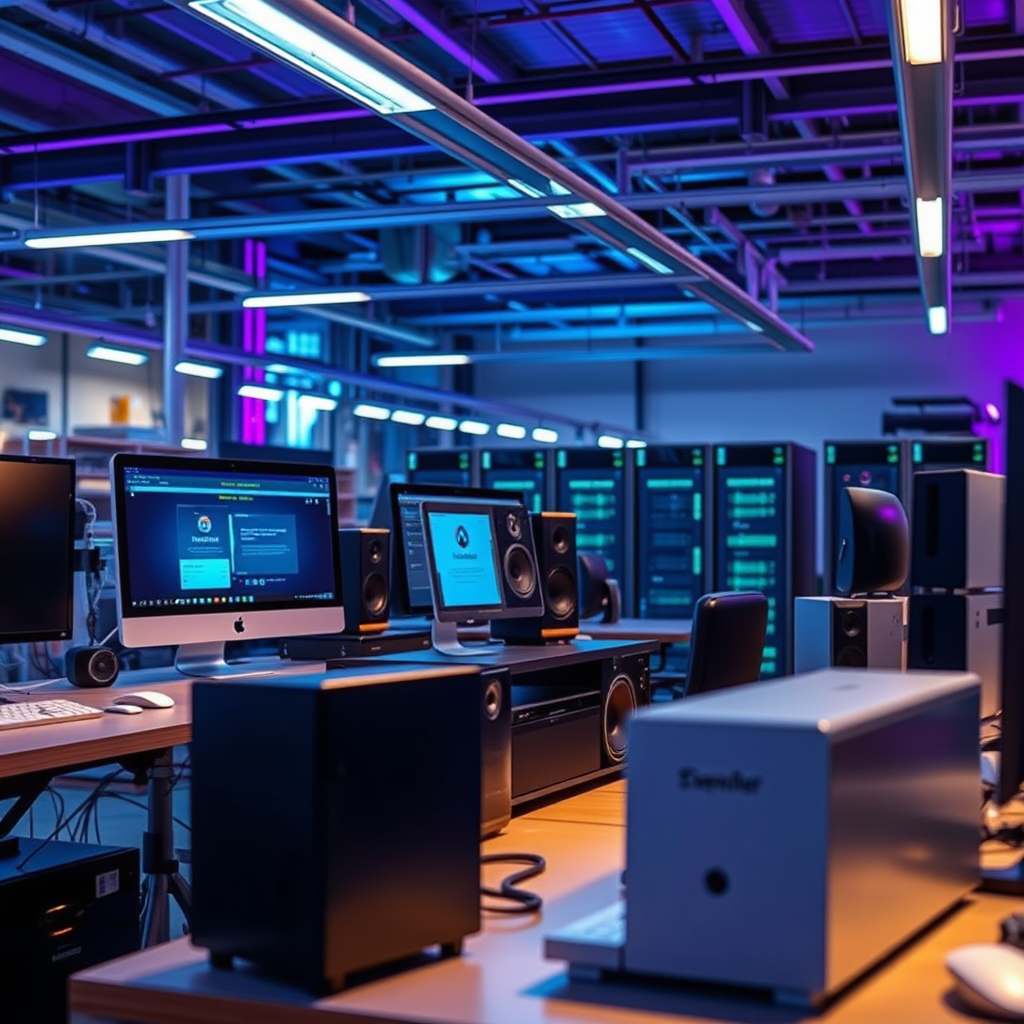

The manufacturing process of speakers is a meticulous journey that encompasses various stages, from the design of components to assembly and testing. Each phase is essential in creating speakers that deliver high-quality sound, ensuring they meet consumer expectations. This article delves into the intricate steps involved in speaker manufacturing, highlighting the key components, design techniques, materials, assembly methods, testing processes, and distribution channels that contribute to the final product.
Understanding Speaker Components
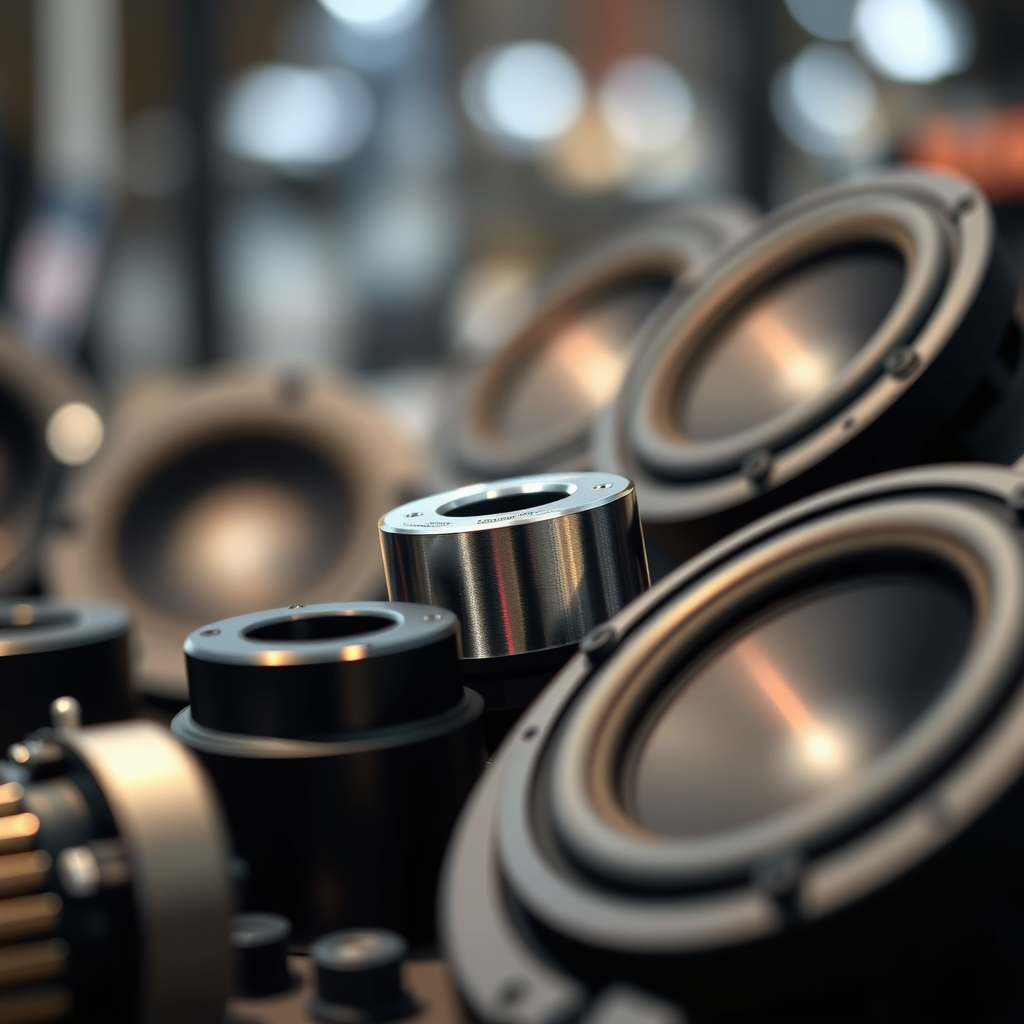
Speakers are complex devices comprising several critical components that work together to produce sound. The two primary components of speakers are drivers and enclosures.
– Drivers and Their Role: Drivers are the heart of a speaker, responsible for converting electrical energy into sound. The two main types of drivers are woofers and tweeters. Woofers handle low-frequency sounds (bass), typically ranging from 20 Hz to 2 kHz, while tweeters are designed for high-frequency sounds (treble), usually from 2 kHz to 20 kHz. Some speakers also include midrange drivers, which bridge the gap between woofers and tweeters, ensuring a balanced sound across all frequencies.
– Enclosures: The enclosure, or cabinet, houses the drivers and significantly influences sound quality. It is designed to minimize sound distortion and prevent unwanted vibrations. Enclosures can be made from various materials, including wood, plastic, and metal, each impacting the acoustics differently. Properly designed enclosures improve bass response and overall sound clarity, making them a critical aspect of speaker performance.
The Design Process
Designing a speaker involves a collaborative effort between engineers and designers to create innovative products that meet consumer demands for sound quality and aesthetics.
– Concept Development: The design process begins with concept development, where teams brainstorm ideas and specifications based on market research and consumer feedback. This initial phase is crucial for identifying target demographics and understanding their preferences, which can guide the design direction.
– Computer-Aided Design (CAD): Once concepts are established, engineers utilize Computer-Aided Design (CAD) software to create detailed models of the speaker components. CAD technology allows for precise measurements and adjustments, facilitating the refinement of designs before production begins. This stage is essential for identifying potential issues early on, ensuring that the final product adheres to high standards of quality and functionality.
Material Selection
The materials chosen for speaker manufacturing play a significant role in determining the sound quality, durability, and overall aesthetics of the speaker.
– Types of Materials: Common materials used in speaker manufacturing include plastics for lightweight and cost-effective designs, metals for durability and strength, and woods for their acoustic properties. High-quality speakers often feature MDF (Medium Density Fiberboard) or plywood for enclosures, as these materials provide a good balance of rigidity and resonance control.
– Impact on Sound Quality: Material selection directly affects the acoustics of the speaker. For instance, wooden enclosures can enhance sound warmth and richness, while plastic enclosures may result in a more sterile sound. The choice of driver materials, such as paper, polypropylene, or metal, also influences the sound characteristics, including clarity, responsiveness, and frequency range.
Top 7 Speaker Brands by Market Share (2023)
| # | Brand | Market Share | Founded | Rating |
|---|---|---|---|---|
| 1 | Bose | 25% | 1964 | ★★★★☆ |
| 2 | Sony | 20% | 1946 | ★★★★☆ |
| 3 | JBL | 15% | 1946 | ★★★★☆ |
| 4 | Bang & Olufsen | 10% | 1925 | ★★★★☆ |
| 5 | Pioneer | 8% | 1938 | ★★★☆☆ |
| 6 | Klipsch | 5% | 1946 | ★★★★☆ |
| 7 | Focal | 5% | 1979 | ★★★★☆ |
Assembly Techniques
The assembly of speakers can be executed through various methods, each with its own advantages and considerations.
– Manual vs. Automated Assembly: Manual assembly involves skilled workers meticulously putting together speaker components by hand, allowing for greater attention to detail and quality. On the other hand, automated assembly utilizes robotics and machines for efficiency and precision, often resulting in lower production costs. Many manufacturers employ a hybrid approach, using automation for repetitive tasks while reserving manual assembly for critical quality-checking processes.
– Quality Control Measures: Quality control is a vital aspect of the assembly process, ensuring that each speaker meets performance and safety standards. Manufacturers implement several measures, including visual inspections, functional tests, and environmental tests to assess durability. These controls help identify defects early in the assembly process, maintaining high standards across the production line.
Testing and Calibration
Testing and calibration ensure that speakers deliver optimal sound quality before reaching consumers.
– Sound Testing: Manufacturers conduct rigorous sound tests to evaluate speakers for sound quality, frequency response, and overall performance. This may include measuring the speaker’s output at various frequencies, checking for distortion, and assessing how well the speaker reproduces different types of audio. Advanced testing equipment, such as microphones and sound analyzers, assists in gathering precise data during these evaluations.
– Calibration Processes: Calibration is the process of fine-tuning speakers to achieve the best possible sound quality. This may involve adjusting the crossover frequency, which determines how audio signals are distributed between woofers and tweeters, and ensuring that all drivers are synchronized. Calibration can also include room correction processes, where speakers are tuned to compensate for acoustic anomalies in the listening environment, offering a tailored sound experience.
Packaging and Distribution
Once assembled and tested, speakers must be packaged and distributed efficiently to reach retailers and consumers.
– Protective Packaging: The importance of protective packaging cannot be overstated, as it safeguards speakers from damage during transportation. Manufacturers invest in high-quality packaging materials, including foam inserts, molded plastic, and sturdy boxes, to prevent impact damage and ensure that speakers arrive in pristine condition. Proper labeling and handling instructions further minimize the risk of damage during shipping.
– Distribution Channels: The distribution of speakers typically involves a multi-tiered approach. Manufacturers may sell directly to retailers, or through wholesalers and distributors, who then supply local stores and online platforms. E-commerce has become a significant channel for speaker sales, allowing consumers to purchase products directly from manufacturers or authorized dealers, often with the benefit of customer reviews and detailed specifications.
In summary, the manufacturing process of speakers is a complex blend of design, material selection, assembly, and testing. Understanding these steps can enhance your appreciation for the technology behind the sound. If you’re interested in purchasing high-quality speakers, consider researching brands that emphasize craftsmanship in their manufacturing process. By investing in well-manufactured speakers, you ensure an enjoyable audio experience that meets the demands of modern listening environments.
Frequently Asked Questions
What materials are commonly used in speaker manufacturing?
Speakers are typically made from a combination of materials including paper, plastic, and metal. The cone is often crafted from paper or polypropylene for sound quality, while the frame is usually made from metal or durable plastic to provide stability and support.
How does the design of a speaker affect its sound quality?
The design of a speaker, including its size, shape, and internal components, significantly influences sound quality. Larger speakers can produce deeper bass, while the type of enclosure, whether sealed or ported, can enhance or dampen certain frequencies, ultimately affecting the overall listening experience.
Why are some speakers more expensive than others?
The price of speakers can vary greatly due to factors such as the quality of materials used, the complexity of the design, and the reputation of the brand. High-end speakers often feature advanced technologies, superior craftsmanship, and better acoustic performance, justifying their higher cost.
Which type of speaker is best for home theater systems?
For home theater systems, a combination of surround sound speakers, such as bookshelf speakers and a subwoofer, is often recommended. This setup provides a balanced audio experience, allowing for clear dialogue and immersive sound effects, enhancing the overall viewing experience.
How are wireless speakers made and what technology do they use?
Wireless speakers are made using similar materials as wired ones but incorporate additional components like Bluetooth or Wi-Fi technology for connectivity. These speakers often include built-in amplifiers and rechargeable batteries, allowing for portability and ease of use without compromising sound quality.
References
- Loudspeaker
https://en.wikipedia.org/wiki/Loudspeaker - https://www.sciencedirect.com/topics/engineering/loudspeakers
https://www.sciencedirect.com/topics/engineering/loudspeakers - Loudspeaker | Definition, Types, & Facts | Britannica
https://www.britannica.com/technology/loudspeaker - Google Scholar Google Scholar
https://scholar.google.com/scholar?q=how+are+speakers+made - https://pubmed.ncbi.nlm.nih.gov/30411495/
https://pubmed.ncbi.nlm.nih.gov/30411495/ - https://www.nature.com/articles/s41598-020-77152-w
https://www.nature.com/articles/s41598-020-77152-w - Google Scholar Google Scholar
https://scholar.google.com/scholar?q=loudspeaker+manufacturing - https://www.electronics-tutorials.ws/io/io_6.html
https://www.electronics-tutorials.ws/io/io_6.html - https://www.ncbi.nlm.nih.gov/pmc/articles/PMC4040561/
https://www.ncbi.nlm.nih.gov/pmc/articles/PMC4040561/ - Google Scholar Google Scholar
https://scholar.google.com/scholar?q=speaker+design+and+manufacturing

[…] further damage, especially if there are cracks or a shattered screen. Transport it carefully in protective packaging and avoid pressing on the glass or trying DIY repairs, since LCD/OLED panels are fragile and wiring […]