


Understanding how speakers produce sound begins with the conversion of electrical signals into audible waves. Speakers work by vibrating a diaphragm, which creates sound waves that travel through the air. In this article, we will delve into the mechanisms behind this process, exploring the components and principles that make sound production possible.
The Basic Components of a Speaker
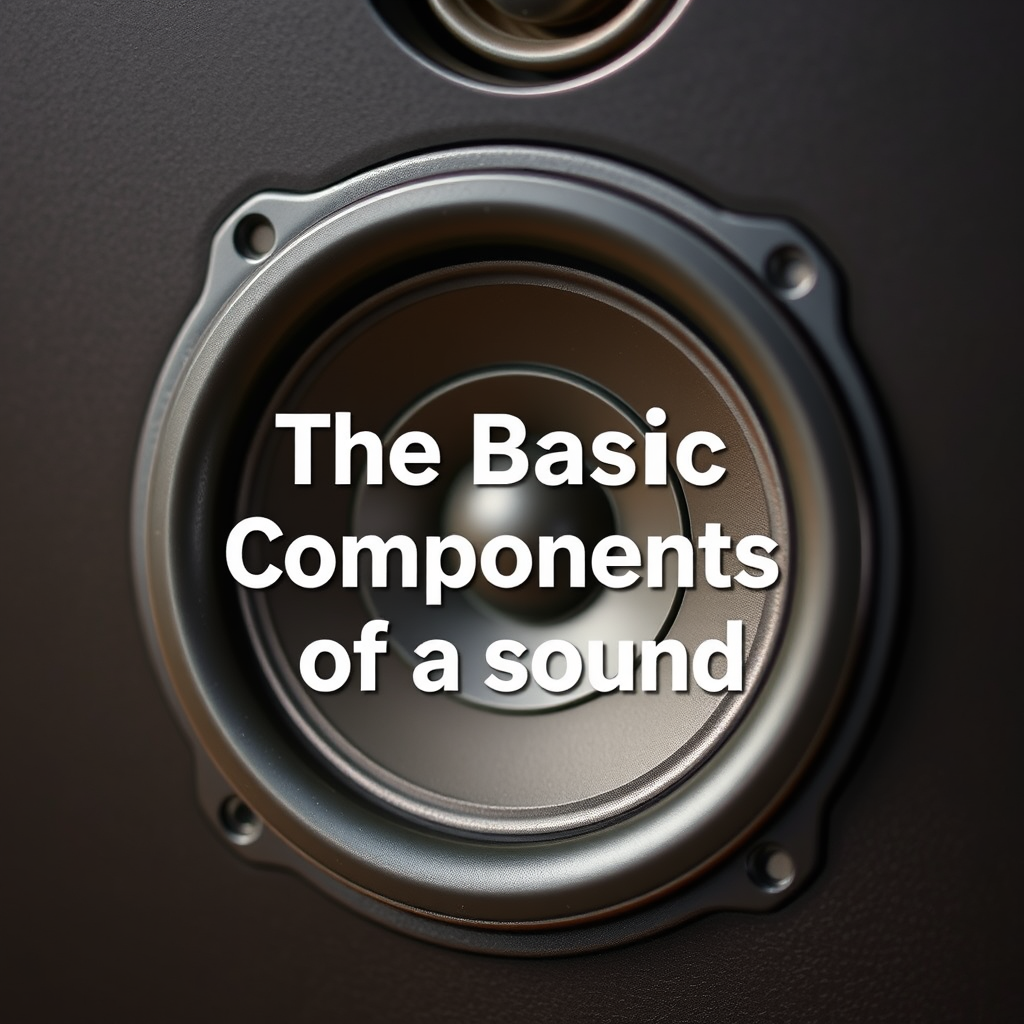
Speakers consist of several key components that work together to transform electrical energy into sound.
– Diaphragm: The diaphragm is a flexible material, often made of paper, plastic, or metal, that vibrates to create sound waves. Its movement is crucial in determining the sound quality and type of sound a speaker can reproduce.
– Voice Coil: The voice coil is an electromagnetic coil attached to the diaphragm. When electric current flows through the coil, it generates a magnetic field, which interacts with a permanent magnet. This interaction causes the voice coil to move, resulting in the vibration of the diaphragm and the creation of sound waves.
These two components are fundamental in the sound production process, and their design significantly impacts the overall audio quality and performance of the speaker.
How Electrical Signals Are Converted
The conversion of electrical signals into sound involves several steps.
– Signal Processing: Before reaching the speaker, audio signals (from a music source, for example) are transformed into electric currents. This transformation is typically performed by a digital-to-analog converter (DAC), which takes digital audio data and converts it into analog signals that can be amplified.
– Electromagnetism: When the electric current flows through the voice coil, it creates a magnetic field. This field interacts with the fixed magnetic field of the permanent magnet in the speaker. The result is the movement of the voice coil, which in turn moves the diaphragm. This movement is what generates sound.
Understanding these processes helps in grasping how sound is manipulated in various audio equipment, contributing to the overall listening experience.
The Role of the Diaphragm
The diaphragm plays a pivotal role in sound production.
– Vibration Mechanism: As the diaphragm vibrates, it creates pressure waves in the air. These pressure waves are what we perceive as sound. The frequency of these vibrations determines the pitch of the sound produced; higher frequencies result in higher pitches, while lower frequencies yield lower pitches.
– Frequency Range: The size and material of the diaphragm affect the frequency range and quality of sound produced. For instance, larger diaphragms can often produce lower frequencies more effectively, while smaller ones excel in high-frequency reproduction. This difference influences speaker design and application, whether in home audio systems, professional sound equipment, or portable devices.
Top 7 Speaker Types by Performance and Application (2024)
| # | Speaker Type | Frequency Response | Power Handling | Best For |
|---|---|---|---|---|
| 1 | Dynamic Speakers | 20 Hz – 20 kHz | 10-200 Watts | General Use |
| 2 | Electrostatic Speakers | 30 Hz – 40 kHz | 10-300 Watts | Home Theater |
| 3 | Planar Magnetic Speakers | 20 Hz – 25 kHz | 5-200 Watts | High-Fidelity Audio |
| 4 | Subwoofers | 20 Hz – 200 Hz | 50-1000 Watts | Bass Production |
| 5 | Bookshelf Speakers | 40 Hz – 20 kHz | 10-150 Watts | Compact Spaces |
| 6 | In-Wall Speakers | 50 Hz – 20 kHz | 5-100 Watts | Home Theater |
| 7 | Portable Speakers | 100 Hz – 20 kHz | 5-50 Watts | On-the-Go Listening |
Sound Wave Propagation
Once sound waves are generated by the diaphragm, they propagate through the surrounding environment.
– Air Pressure Waves: Sound travels as waves of compressed and rarefied air. These waves move away from the speaker, creating areas of high and low pressure. As these waves reach our ears, they cause the eardrum to vibrate, allowing us to perceive sound.
– Distance and Medium: The clarity and quality of sound can be significantly impacted by distance and the medium through which it travels. For instance, sound waves lose energy as they move away from the source, leading to a decrease in volume. Additionally, sound propagates differently in various media; it travels faster in water than in air, and solid materials can transmit sound more effectively than gases.
Understanding these principles of sound wave propagation is essential for optimizing speaker placement and audio system design.
Types of Speakers and Their Functionality
Different types of speakers are designed for specific applications, each with unique functionality.
– Dynamic Speakers: The most common type of speaker, dynamic speakers utilize a voice coil and diaphragm. They are versatile and suitable for various applications, from home audio systems to professional sound reinforcement.
– Electrostatic Speakers: These speakers employ high-voltage static electricity to produce sound. They are known for their exceptional sound quality and clarity, making them popular for high-fidelity audio enthusiasts. However, they can be more expensive and require specific equipment for optimal performance.
By understanding the distinctions between speaker types, consumers can make informed decisions based on their audio needs and preferences.
Common Issues with Speakers
Even high-quality speakers can encounter common issues that affect performance.
– Distortion: Distortion occurs when the speaker is unable to reproduce sound accurately. This can result from limitations in the speaker’s design, such as inadequate power handling or physical damage to the diaphragm. Regular maintenance and proper setup can help mitigate distortion.
– Power Handling: It’s crucial to match the speaker’s power rating with the amplifier to avoid damage and ensure optimal performance. Overloading a speaker can lead to overheating and failure, whereas underpowering can result in subpar sound quality.
Awareness of these common issues can help users maintain their audio equipment effectively, ensuring a better listening experience.
By understanding the fundamental principles of how speakers produce sound, you can make informed decisions when purchasing audio equipment or troubleshooting issues. Explore our related articles for more insights into audio technology and speaker selection.
Frequently Asked Questions
How do speakers convert electrical signals into sound?
Speakers convert electrical signals into sound through a process called transduction. When an audio signal is passed through the speaker’s voice coil, it creates a magnetic field that interacts with a magnet, causing the diaphragm to vibrate. These vibrations produce sound waves that we perceive as music or speech.
What are the main components of a speaker that produce sound?
The main components of a speaker that produce sound include the diaphragm, voice coil, magnet, and enclosure. The diaphragm is the part that moves to create sound waves, while the voice coil generates a magnetic field in response to electrical signals. The enclosure helps amplify the sound and improve overall audio quality.
Why do some speakers sound better than others?
Some speakers sound better than others due to factors such as the quality of materials used, design, and size. High-quality drivers, well-engineered enclosures, and advanced technologies like passive radiators can enhance sound clarity and depth. Additionally, frequency response and sensitivity ratings play a crucial role in speaker performance.
What is the best type of speaker for home use?
The best type of speaker for home use often depends on individual preferences and room size. For general purposes, floor-standing speakers are ideal for larger rooms due to their ability to produce rich bass and fill space effectively. For smaller areas, bookshelf speakers provide excellent sound quality without taking up much space.
How do speaker placement and positioning affect sound quality?
Speaker placement and positioning significantly affect sound quality by influencing how sound waves interact with the room. Proper positioning, such as placing speakers away from walls and at ear level, can enhance stereo imaging and reduce unwanted reflections. Experimenting with angles and distances can help achieve optimal sound performance in any space.
References
- https://en.wikipedia.org/wiki/Speaker_(audio
https://en.wikipedia.org/wiki/Speaker_(audio - https://www.sciencedirect.com/topics/engineering/loudspeaker
https://www.sciencedirect.com/topics/engineering/loudspeaker - Loudspeaker | Definition, Types, & Facts | Britannica
https://www.britannica.com/technology/loudspeaker - https://www.ncbi.nlm.nih.gov/pmc/articles/PMC6276605/
https://www.ncbi.nlm.nih.gov/pmc/articles/PMC6276605/ - Analyzing protein topology based on Laguerre tessellation of a pore-traversing water network | Sc…
https://www.nature.com/articles/s41598-018-31422-5 - Google Scholar Google Scholar
https://scholar.google.com/scholar?q=how+speakers+make+sound - Google Scholar Google Scholar
https://scholar.google.com/scholar?q=loudspeaker+mechanics - https://www.aps.org/units/dso/newsletters/spring2020/loudspeakers.cfm
https://www.aps.org/units/dso/newsletters/spring2020/loudspeakers.cfm - https://www.ncbi.nlm.nih.gov/pmc/articles/PMC3021123/
https://www.ncbi.nlm.nih.gov/pmc/articles/PMC3021123/ - https://www.cdc.gov/nceh/lead/advisory/lead-in-water.html
https://www.cdc.gov/nceh/lead/advisory/lead-in-water.html
