
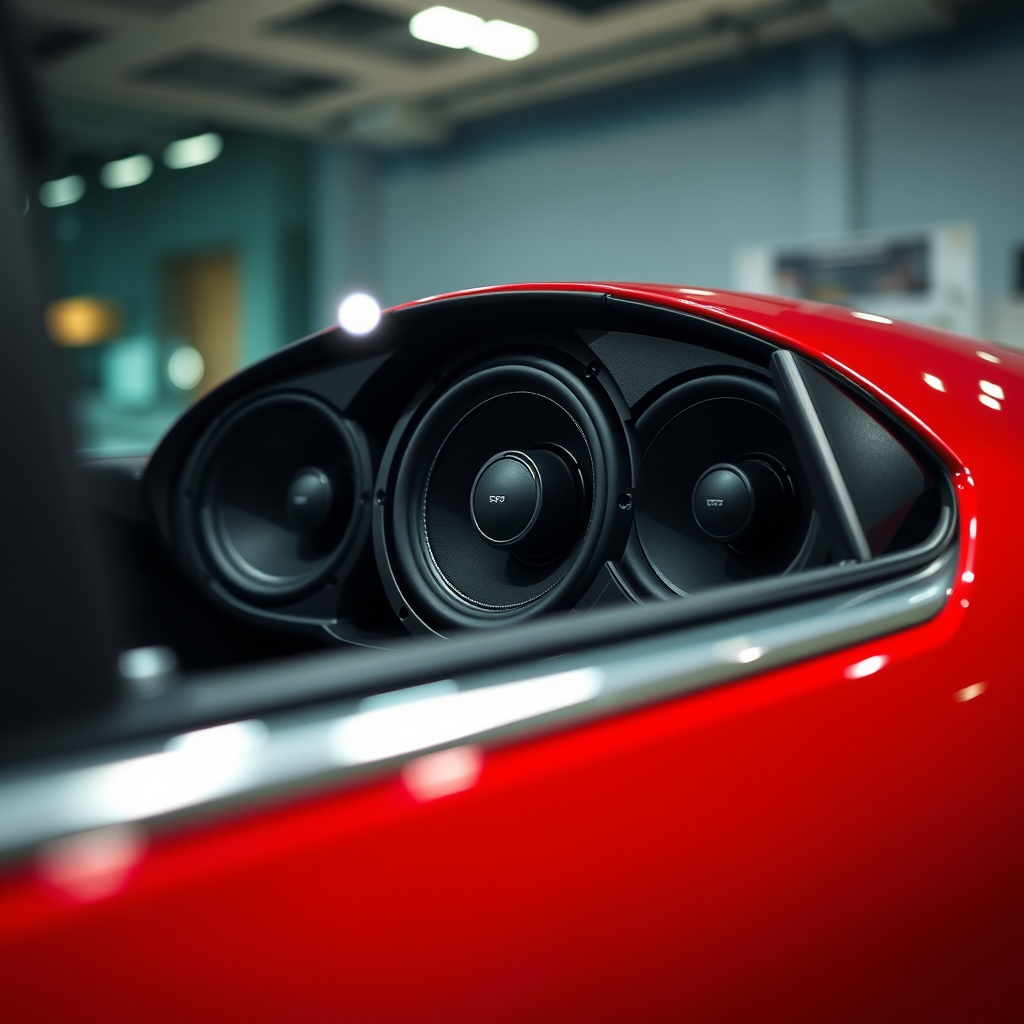

Replacing car speakers is a straightforward process that can significantly enhance your audio experience. With the right tools and a little patience, you can upgrade your sound system in just a few hours. This guide will walk you through the essential steps, tools needed, and tips to ensure a successful speaker replacement.
Understanding Your Car’s Audio System
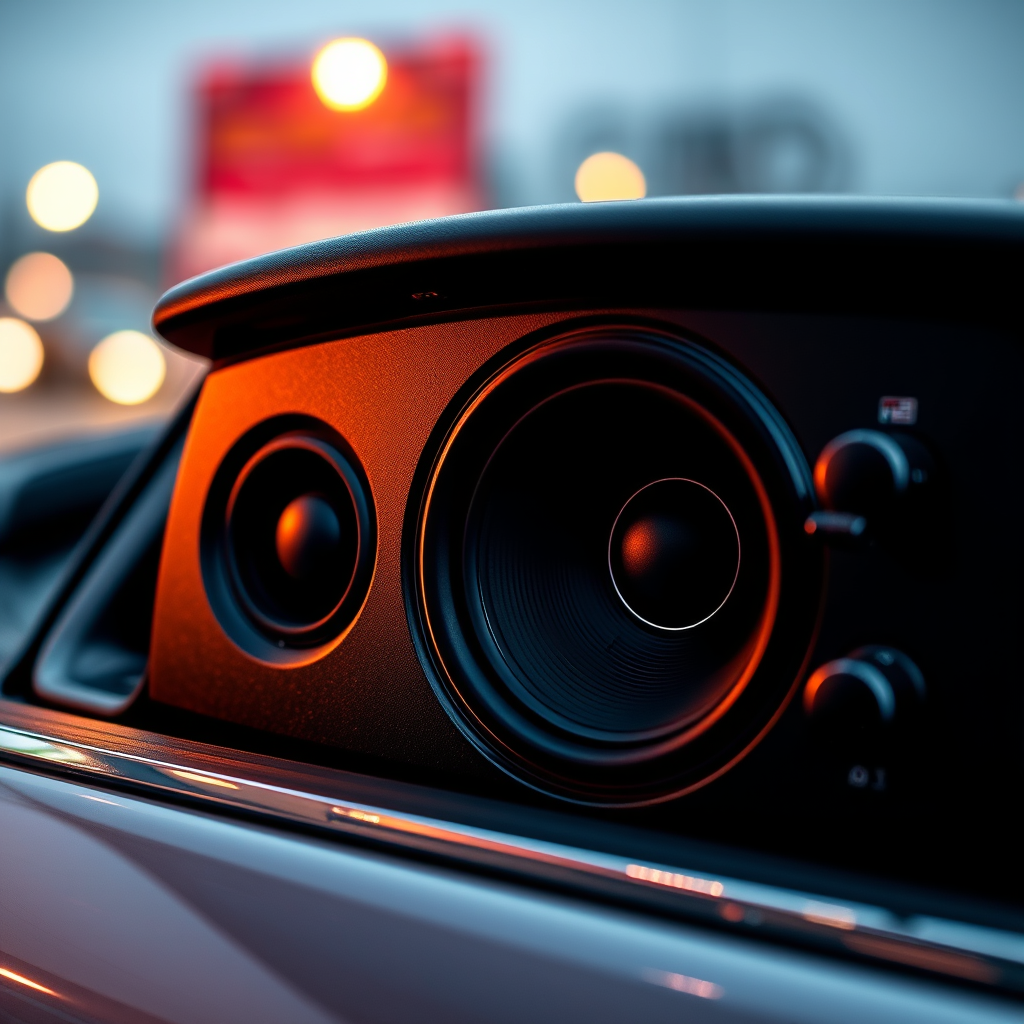
To start the speaker replacement process, it’s crucial to understand the current audio system in your vehicle. First, identify the type of speakers currently installed—most vehicles come with either coaxial or component speakers. Coaxial speakers combine multiple speaker elements into one unit, while component speakers separate them, allowing for better sound quality.
Additionally, familiarize yourself with the audio system components, including the head unit (the main control unit of your stereo) and the amplifier (if your system has one). Knowing how these elements interact with your speakers can help you make informed decisions during the replacement process.
Choosing the Right Replacement Speakers
Selecting the right replacement speakers is vital for achieving the best sound quality. Research the speaker sizes that are compatible with your car model; this information can typically be found in your vehicle’s owner manual or online forums dedicated to car audio.
When choosing new speakers, consider factors such as sound quality, brand reputation, and your budget. Popular brands like JBL, Pioneer, and Infinity offer a variety of options that cater to different sound preferences and price points. Reading reviews and listening to audio samples can also aid in making an informed choice, ensuring that your investment yields a significant improvement in sound quality.
Essential Tools for Replacement
Before embarking on your speaker replacement journey, gather the necessary tools to ensure a smooth process. Here’s a list of essential tools you will need:
– Screwdrivers: Both Phillips and flathead screwdrivers in various sizes are necessary for removing screws.
– Wire Strippers: These are essential for properly connecting the new speakers to the existing wiring.
– Panel Removal Tool: This tool helps safely detach panels and grilles without causing damage.
– Electrical Tape: A must-have for securing wire connections and preventing short circuits.
– Connectors: These will be necessary for connecting the wiring from the new speakers to your car’s existing system.
Having these tools on hand will save you time and frustration during the installation process.
Top 7 Speaker Brands for Car Audio (2024)
| # | Brand | Speaker Type | Price Range | Sound Quality Rating |
|---|---|---|---|---|
| 1 | JBL | Coaxial | $50 – $300 | ★★★★☆ |
| 2 | Pioneer | Component | $60 – $400 | ★★★★★ |
| 3 | Infinity | Coaxial | $70 – $350 | ★★★★☆ |
| 4 | Alpine | Component | $80 – $500 | ★★★★★ |
| 5 | Kicker | Coaxial | $60 – $250 | ★★★★☆ |
| 6 | Rockford Fosgate | Component | $90 – $450 | ★★★★☆ |
| 7 | Clarion | Coaxial | $50 – $200 | ★★★☆☆ |
Removing the Old Speakers
Once you’ve acquired your new speakers, it’s time to remove the old ones. Start by carefully prying off the speaker grilles and panels. Use the panel removal tool to avoid damaging the trim. After the grilles are removed, you’ll find the old speakers secured with screws. Use your screwdriver to remove these screws, and gently lift the speakers out of their mounts.
Next, disconnect the wiring harness from the old speakers. Be careful not to damage the wires, as you will need them for connecting the new speakers. If the connectors are tight, gently wiggle them to avoid breaking anything. Once the speakers are fully removed, you are ready to install the new ones.
Installing the New Speakers
Installing the new speakers is a relatively simple process. Start by connecting the new speakers to the existing wiring harness. Ensure you match the positive and negative wires correctly; this is crucial for optimal sound quality. Most speaker wires are color-coded—typically red for positive and black for negative—but double-check to avoid any mistakes.
Once the wires are securely connected, place the new speakers into their mounts and secure them with screws. After ensuring they are firmly in place, replace the speaker grilles and any panels that were removed. Take your time during this step to ensure everything fits back together neatly.
Testing Your New Speakers
After installation, it’s essential to test your new speakers to ensure they are working correctly and delivering the desired sound quality. Power on your audio system and play a variety of music genres to evaluate the sound performance. Pay attention to the clarity and depth of the audio; you should notice a significant improvement over the old speakers.
Listen for any distortion or issues that may arise. If you encounter problems, double-check your wiring connections to ensure that everything is properly attached. Make adjustments as necessary and continue testing until you are satisfied with the sound output.
Maintenance Tips for Longevity
To ensure the longevity of your new speakers and maintain optimal sound quality, consider the following maintenance tips:
– Regularly Check Connections: Over time, wiring connections may loosen. Periodically inspect and tighten connections as needed.
– Clean Speaker Surfaces: Dust and debris can accumulate on your speakers, affecting sound quality. Use a soft, dry cloth to gently clean the surfaces.
– Avoid Extreme Conditions: Protect your speakers from extreme temperatures and moisture, as these can cause damage. If you park your car outside, consider using a sunshade or covering your vehicle during inclement weather.
By following these maintenance tips, you can prolong the life of your speakers and continue to enjoy an enhanced audio experience in your car.
Replacing car speakers can greatly improve your listening experience and is achievable with basic tools and some guidance. With a better understanding of your car’s audio system, careful selection of replacement speakers, and a systematic approach to installation and testing, you can enjoy high-quality sound in your vehicle. Don’t hesitate to dive into this project yourself; your car’s audio quality will thank you! Consider sharing your experience with others or exploring further upgrades for your vehicle’s sound system.
Frequently Asked Questions
How do I know which car speakers to buy for my vehicle?
To determine the best car speakers for your vehicle, start by checking your car’s owner manual for speaker size specifications. Additionally, consider the type of sound you prefer, such as bass-heavy or balanced audio, and whether you want coaxial or component speakers. Reading customer reviews and comparing brands can also help you make an informed choice.
What tools do I need to replace car speakers?
Replacing car speakers typically requires a few essential tools, including a screwdriver set (Phillips and flathead), a socket wrench, wire strippers, and possibly a panel removal tool. Having these tools on hand will facilitate the removal of the speaker covers and the installation of new speakers without damaging your vehicle’s interior.
How can I replace my car speakers myself?
To replace your car speakers yourself, first disconnect the car battery to ensure safety. Remove the speaker covers, unscrew the old speakers, and disconnect the wiring harness. Then, connect your new speakers, secure them in place, and reattach the speaker covers before reconnecting the battery and testing the sound.
Why should I upgrade my car speakers instead of just using the factory ones?
Upgrading your car speakers can significantly enhance your audio experience by providing clearer sound, better bass response, and improved overall audio quality. Factory speakers often lack the performance and durability of aftermarket options, which can contribute to a more enjoyable ride and greater satisfaction with your vehicle’s sound system.
Which brands are best for car speakers?
Some of the best brands for car speakers include JL Audio, Pioneer, Kenwood, and Infinity, known for their high-quality sound and reliability. When selecting a brand, consider factors like warranty, customer reviews, and compatibility with your vehicle to ensure you get the best performance for your budget.
References
- Vehicle audio
https://en.wikipedia.org/wiki/Car_audio - https://www.crutchfield.com/S-1qY0yV1t5d2/learn/how-to-install-car-speakers.html
https://www.crutchfield.com/S-1qY0yV1t5d2/learn/how-to-install-car-speakers.html - https://www.edmunds.com/car-stereo/how-to-install-car-speakers.html
https://www.edmunds.com/car-stereo/how-to-install-car-speakers.html - Google Scholar Google Scholar
https://scholar.google.com/scholar?q=how+to+replace+car+speakers - Google Scholar Google Scholar
https://scholar.google.com/scholar?q=car+audio+speaker+replacement - Google Scholar Google Scholar
https://scholar.google.com/scholar?q=installing+car+speakers - how to replace car speakers – Search results
https://en.wikipedia.org/wiki/Special:Search?search=how+to+replace+car+speakers - https://www.ncbi.nlm.nih.gov/search/research-articles/?term=how+to+replace+car+speakers
https://www.ncbi.nlm.nih.gov/search/research-articles/?term=how+to+replace+car+speakers
