


Wiring door speakers to an amplifier is a straightforward process that can significantly enhance your audio experience. By following the right steps, you can ensure optimal performance from your sound system. In this guide, you’ll learn the essential steps and tips for successfully wiring your door speakers to an amp.
Understanding the Basics of Car Audio Wiring
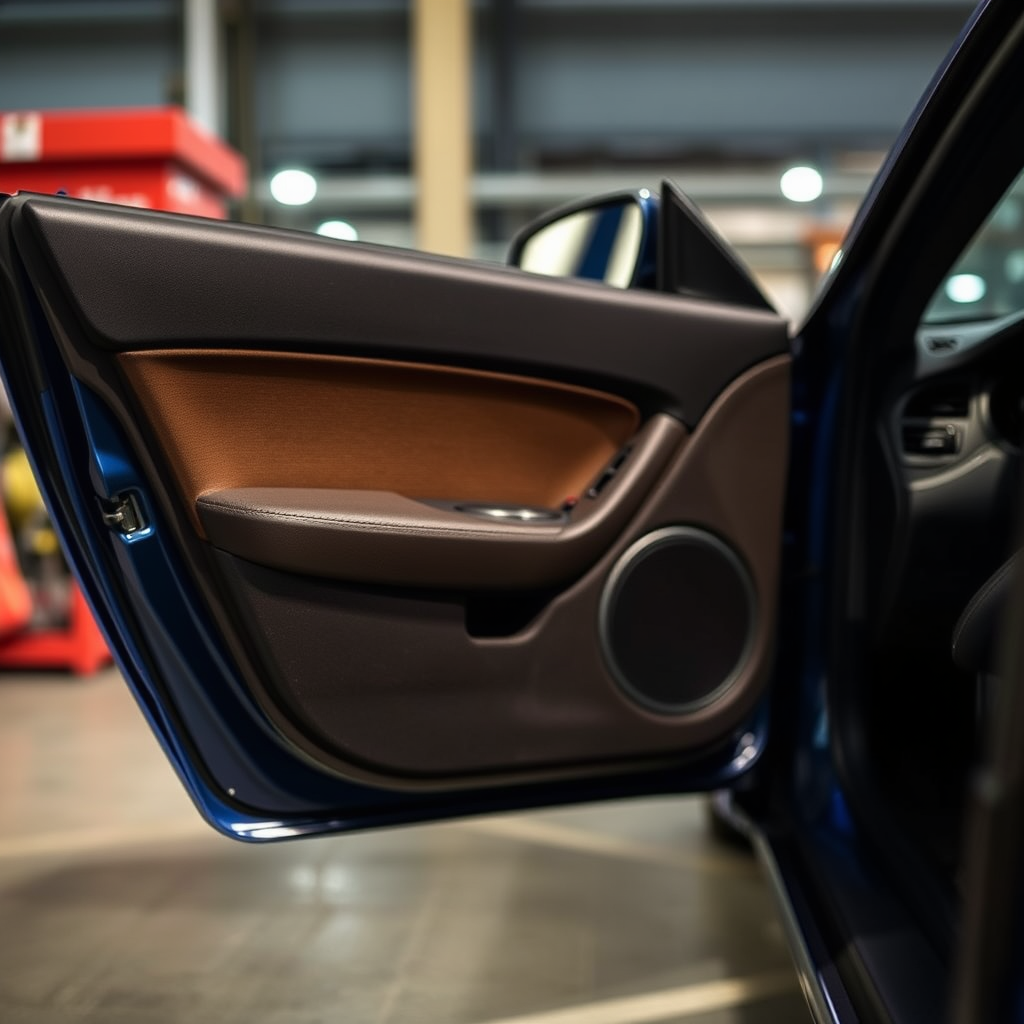
Before delving into the installation process, it’s imperative to understand the key components involved in your car audio system. The primary elements include the amplifier, wiring harness, and speakers. An amplifier boosts the audio signal to provide better sound quality and volume, while the wiring harness connects the amplifier to your speakers.
Another crucial aspect is the polarity of connections; speakers are equipped with positive and negative terminals. Connecting these wires incorrectly can lead to phase issues, causing audio distortion or a lack of sound from one or more speakers. Therefore, it’s essential to familiarize yourself with these components and their functions to ensure a successful installation.
Tools and Materials Needed
Before beginning the installation, gather all necessary tools and materials. Having everything on hand will streamline the process and minimize potential interruptions.
Tools:
– Wire Stripper: For stripping the ends of the speaker wires.
– Crimping Tool: To secure connectors to the wires.
– Screwdriver: For removing door panels and securing the amplifier.
Materials:
– Speaker Wire: Typically 16-gauge wire is recommended for car audio systems.
– RCA Cables: These will transmit audio signals from the head unit to the amplifier.
– Connectors: These are used to join wires securely.
Preparing Your Vehicle for Installation
Preparation is key to a successful installation. Start by disconnecting the battery to prevent electrical shock or damage to your vehicle’s electrical system. This step is crucial for your safety and the longevity of your components.
Next, you’ll need to remove the door panels carefully to access the existing speaker wiring. Depending on your vehicle model, this may involve unscrewing several screws and gently prying off the panel. Always refer to your vehicle’s manual for specific instructions on removing door panels to avoid damaging clips or mechanisms.
Connecting the Speaker Wires
With the door panels removed, it’s time to connect the speaker wires. First, strip the ends of your speaker wires to expose the copper strands, ensuring a solid connection.
Connect the positive wire from the amp to the positive terminal on the speaker, which is typically marked with a “+” sign. Repeat the process for the negative wire, connecting it to the speaker’s negative terminal, marked with a “−” sign. It’s crucial to ensure that these connections are secure, as loose wires can lead to poor audio performance or system failures.
Testing Your Connections
Once all connections are made, it’s time to test your setup. Reconnect the battery and turn on the audio system. Play a familiar track to ensure that all speakers are functioning correctly. Pay attention to the sound quality and volume, adjusting the amplifier settings as necessary.
If any speakers are not producing sound, double-check the connections and polarity. It’s often beneficial to start with a low volume to avoid damaging your speakers or amplifier during the initial test.
Common Mistakes to Avoid
While wiring door speakers to an amp may seem straightforward, several common mistakes can hinder your installation’s success:
1. Incorrect Polarity: Always double-check that positive and negative wires are connected correctly to avoid phase issues.
2. Loose Connections: Ensure all connections are tight and secure to prevent intermittent sound or short circuits.
3. Neglecting to Test: Failing to test the system after installation can lead to overlooking critical issues that may require rework.
By being mindful of these common pitfalls, you can enhance the reliability and performance of your audio system.
Maintenance Tips for Optimal Performance
Once your door speakers are wired and functioning, regular maintenance will help ensure optimal performance. Here are some tips:
– Check Connections: Periodically inspect the wiring and connections for any signs of wear or damage. Loose or frayed wires can compromise sound quality.
– Clean Speaker Terminals: Dust and corrosion can build up on speaker terminals, affecting conductivity. Regularly clean the terminals to maintain a solid connection.
– Monitor Sound Quality: Pay attention to any changes in sound quality over time. If you notice distortion or reduced volume, it may indicate a need for maintenance or adjustments.
By following these maintenance tips, you can enjoy a superior audio experience for years to come.
Top 7 Car Speaker Brands (2024)
| # | Brand | Power Handling (W) | Frequency Response (Hz) | Sensitivity (dB) |
|---|---|---|---|---|
| 1 | JBL | 300 | 45-20,000 | 92 |
| 2 | Pioneer | 350 | 30-25,000 | 90 |
| 3 | Kicker | 280 | 40-20,000 | 91 |
| 4 | Alpine | 320 | 50-22,000 | 88 |
| 5 | Rockford Fosgate | 400 | 25-20,000 | 94 |
| 6 | Sony | 300 | 35-22,000 | 89 |
| 7 | MB Quart | 250 | 40-24,000 | 87 |
By following these steps, you can effectively wire your door speakers to an amp, leading to an improved audio experience in your vehicle. Remember to take your time and refer back to this guide as needed. Don’t hesitate to seek professional help if you’re unsure about any step in the process. Embracing these techniques will not only enhance your sound quality but also ensure a reliable and enjoyable listening experience on the road.
Frequently Asked Questions
How do I wire door speakers to an amplifier in my car?
To wire door speakers to an amplifier, first, disconnect the battery to avoid any electrical shorts. Then, run speaker wires from the amplifier’s output terminals to the door speakers, ensuring to connect the positive wire to the positive terminal and the negative wire to the negative terminal on both the amp and the speakers. Secure the connections with wire connectors or soldering for a reliable connection, and finally, reattach the battery.
What gauge wire should I use when wiring door speakers to an amp?
The recommended wire gauge for wiring door speakers to an amplifier typically ranges from 16 to 18 gauge. Thicker wire (lower gauge) is better for longer runs or higher power systems to minimize resistance and ensure optimal sound quality. Always refer to the amplifier’s manual for specific recommendations based on your setup.
Why is it important to use a dedicated amplifier for door speakers?
Using a dedicated amplifier for door speakers significantly enhances sound quality and volume compared to the factory head unit. An amplifier provides more power, allowing the speakers to perform at their best, resulting in clearer sound and less distortion. This is especially beneficial for aftermarket speakers that require more power to reach their full potential.
What are the best practices for connecting door speakers to an amplifier?
Best practices for connecting door speakers to an amplifier include using high-quality speaker wire, ensuring secure and clean connections, and matching the speaker impedance to the amplifier’s output. Additionally, it’s crucial to run the wires away from power cables to avoid interference and to ensure proper grounding to prevent noise issues.
Which tools do I need to wire door speakers to an amp effectively?
To wire door speakers to an amplifier effectively, you will need a wire stripper, crimping tool, soldering iron (optional for more secure connections), and a multimeter for testing the connections. Having heat shrink tubing or electrical tape on hand can help insulate connections and prevent short circuits. A drill may also be necessary if you need to make new mounting holes for your speakers.
References
- https://en.wikipedia.org/wiki/Speaker_(audio
https://en.wikipedia.org/wiki/Speaker_(audio - Google Scholar Google Scholar
https://scholar.google.com/scholar?q=how+to+wire+door+speakers+to+amp - Google Scholar Google Scholar
https://scholar.google.com/scholar?q=speaker+wiring+techniques - https://www.sciencedirect.com/topics/engineering/speaker-wiring
https://www.sciencedirect.com/topics/engineering/speaker-wiring - Loudspeaker | Definition, Types, & Facts | Britannica
https://www.britannica.com/technology/loudspeaker - https://www.nature.com/articles/s41598-021-82332-9
https://www.nature.com/articles/s41598-021-82332-9 - https://pubmed.ncbi.nlm.nih.gov/
https://pubmed.ncbi.nlm.nih.gov/ - https://www.cdc.gov/nceh/lead/faq.htm
https://www.cdc.gov/nceh/lead/faq.htm - The New York Times – Breaking News, US News, World News and Videos
https://www.nytimes.com/ - BBC Home – Breaking News, World News, US News, Sports, Business, Innovation, Climate, Culture, Tr…
https://www.bbc.com/
