


The invention of speakers can be attributed primarily to Alexander Graham Bell, who created the first practical device for converting electrical signals into sound in the late 19th century. This pivotal moment laid the foundation for the evolution of audio technology, leading to the sophisticated sound systems we rely on today. In this article, we will explore the history of speakers, their evolution over time, and the key figures involved in their development.
The Early Beginnings of Sound Reproduction
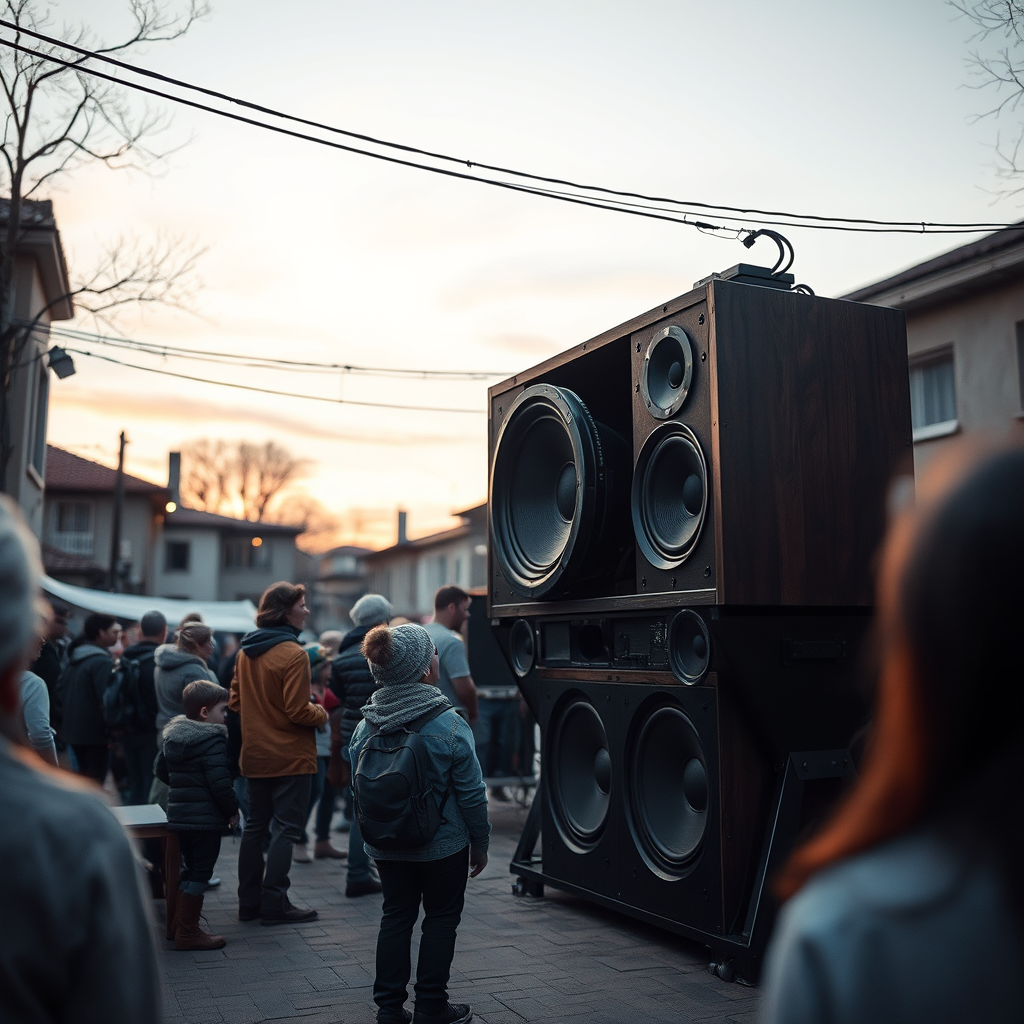
The journey of sound reproduction began with Alexander Graham Bell’s invention of the liquid transmitter in 1876, which served as the first device capable of converting electrical signals into audible sound. This breakthrough was instrumental in the development of telecommunication and set the stage for future innovations in sound technology. Bell’s liquid transmitter utilized liquid electrodes to transmit sound waves, marking a significant leap from previous, less effective methods.
In addition to Bell’s contributions, early devices such as the phonograph, invented by Thomas Edison in 1877, were crucial in shaping the concept of sound playback. The phonograph allowed for the recording and reproduction of sound for the first time, enabling the preservation of musical performances and spoken word. These inventions sparked interest in how sound could be amplified and reproduced, leading to a new era of audio technology.
Key Innovators in Speaker Technology
As the demand for better sound reproduction grew, several innovators stepped onto the scene, each contributing to the evolution of speaker technology. Emile Berliner, in the 1890s, developed the first dynamic speaker, which significantly improved sound efficiency compared to earlier models. This dynamic speaker utilized an electromagnetic coil and a diaphragm, allowing for greater sound fidelity and volume.
Another revolutionary development came in 1925 when Edward W. Kellogg and Chester W. Rice introduced the moving coil speaker. This design became the standard for audio equipment and is still widely used today. The moving coil speaker operates by converting electromagnetic energy into mechanical energy, resulting in clearer and more powerful sound output. This innovation not only advanced home audio systems but also laid the groundwork for professional sound equipment.
The Role of World War II in Speaker Development
World War II played a critical role in the advancement of speaker technology, as the military’s need for effective communication systems spurred significant research and innovation. The development of public address systems and portable radios became paramount for military operations, necessitating improvements in speaker design and functionality.
The advancements made during the war, particularly in materials and electronics, found their way into consumer products after the conflict ended. Technologies such as miniaturization and improved battery life allowed for the creation of more portable and powerful audio devices. As a result, post-war society witnessed a boom in the popularity of radios and public address systems, further embedding speakers into everyday life.
Top 7 Speaker Brands by Market Share (2024)
| # | Brand | Market Share (%) | Founded | Rating |
|---|---|---|---|---|
| 1 | Bose | 30% | 1964 | ★★★★☆ |
| 2 | JBL | 25% | 1946 | ★★★★★ |
| 3 | Sony | 20% | 1946 | ★★★★☆ |
| 4 | Klipsch | 10% | 1946 | ★★★★☆ |
| 5 | Sennheiser | 8% | 1945 | ★★★★☆ |
| 6 | Bang & Olufsen | 5% | 1925 | ★★★☆☆ |
| 7 | Polk Audio | 2% | 1972 | ★★★☆☆ |
The Rise of Hi-Fi and Home Audio Systems
The 1950s marked a significant turning point in speaker technology with the emergence of the high-fidelity (hi-fi) movement. Consumers began to demand higher quality sound reproduction for music and entertainment, leading to substantial improvements in speaker design and materials. This era saw the introduction of more refined components, such as woofers and tweeters, which allowed speakers to produce a broader range of audio frequencies.
Brands like JBL and Bose emerged during this time, focusing on delivering superior sound quality and user experience. JBL, founded by James Bullough Lansing, quickly gained a reputation for high-quality speakers, while Bose, established by Amar Bose, became synonymous with innovative audio technology. Both companies played a crucial role in shaping the consumer audio landscape, and their products set benchmarks for performance and reliability.
Modern Innovations and Digital Sound
The late 20th century witnessed a dramatic transition to digital audio, which introduced new technologies that transformed speaker design and functionality. Digital signal processing (DSP) became a game-changer, allowing for precise control over sound reproduction and enabling features such as equalization and sound enhancement. This innovation paved the way for speakers to adapt to various listening environments, optimizing audio performance.
Moreover, the rise of wireless and smart speakers has revolutionized how consumers interact with audio technology. Devices like Amazon Echo and Google Nest integrate artificial intelligence and connectivity features, enabling users to control their music with voice commands and stream audio from various online platforms. This shift towards smart technology has made audio systems more accessible and user-friendly, engaging a broader audience than ever before.
The Future of Speaker Technology
Looking ahead, ongoing research in materials science and acoustics promises to enhance sound quality significantly. Innovations in nanotechnology and advanced composites are expected to lead to lighter, more durable, and better-sounding speakers. Furthermore, the development of immersive audio technologies, such as Dolby Atmos, is shaping the next generation of speaker systems, enabling three-dimensional sound experiences that engage listeners on a whole new level.
As consumer preferences evolve, the demand for high-quality audio will likely drive continued advancements in speaker technology. Companies are expected to focus on integrating more intuitive user interfaces, enhancing connectivity options, and improving sustainability practices in manufacturing. The future of speaker technology is not only about sound quality but also about enriching the overall audio experience for users.
The journey of speaker invention and evolution is a fascinating blend of innovation and technology. From Bell’s initial breakthroughs to the sophisticated audio systems we enjoy today, speakers have transformed how we experience sound. As we continue to explore various audio products and technologies, it is essential to consider what best suits our listening needs and preferences, ensuring that we remain engaged with the captivating world of sound technology.
Frequently Asked Questions
Who invented the first speaker?
The first practical loudspeaker was invented by Thomas Edison in the late 19th century, specifically in 1877. However, it was not until 1925 that the first dynamic speaker was developed by Edwin Howard Armstrong, which significantly improved sound quality and efficiency, laying the groundwork for modern speakers.
How do speakers work to produce sound?
Speakers work by converting electrical energy into sound waves through a diaphragm that vibrates when an audio signal is applied. This diaphragm movement creates pressure waves in the air, which we perceive as sound. Understanding this process can help consumers choose the right speaker based on their audio needs.
Why are there different types of speakers, and which is best for home use?
Different types of speakers, such as bookshelf, floor-standing, and satellite speakers, exist to cater to various audio preferences and room sizes. For home use, bookshelf speakers are generally recommended for smaller spaces, while floor-standing speakers are ideal for larger areas, offering deeper bass and richer sound. The best choice depends on your specific audio needs and room acoustics.
What materials are commonly used in speaker construction?
Common materials used in speaker construction include various types of plastics, metals, and wood. The diaphragm is often made from materials like paper, polypropylene, or Kevlar, which affect sound quality. Understanding these materials can help consumers make informed decisions when purchasing speakers.
Which brands are known for high-quality speakers?
Some of the most reputable brands known for producing high-quality speakers include Bose, Sonos, JBL, and Klipsch. These brands are recognized for their innovative technology, sound clarity, and durability, making them popular choices among audiophiles and casual listeners alike.
References
- Loudspeaker
https://en.wikipedia.org/wiki/Loudspeaker - Loudspeaker | Definition, Types, & Facts | Britannica
https://www.britannica.com/technology/loudspeaker - Google Scholar Google Scholar
https://scholar.google.com/scholar?q=loudspeaker+history - Google Scholar Google Scholar
https://scholar.google.com/scholar?q=who+invented+speakers - https://www.sciencedirect.com/topics/engineering/loudspeaker
https://www.sciencedirect.com/topics/engineering/loudspeaker - https://pubmed.ncbi.nlm.nih.gov/33155645/
https://pubmed.ncbi.nlm.nih.gov/33155645/ - https://www.nature.com/articles/s41598-021-03283-2
https://www.nature.com/articles/s41598-021-03283-2 - https://www.bbc.com/news/magazine-26382995
https://www.bbc.com/news/magazine-26382995 - https://www.theguardian.com/technology/2020/jan/21/history-of-the-loudspeaker
https://www.theguardian.com/technology/2020/jan/21/history-of-the-loudspeaker - https://www.reuters.com/article/us-music-speakers-idUSKBN1ZT2H1
https://www.reuters.com/article/us-music-speakers-idUSKBN1ZT2H1
