
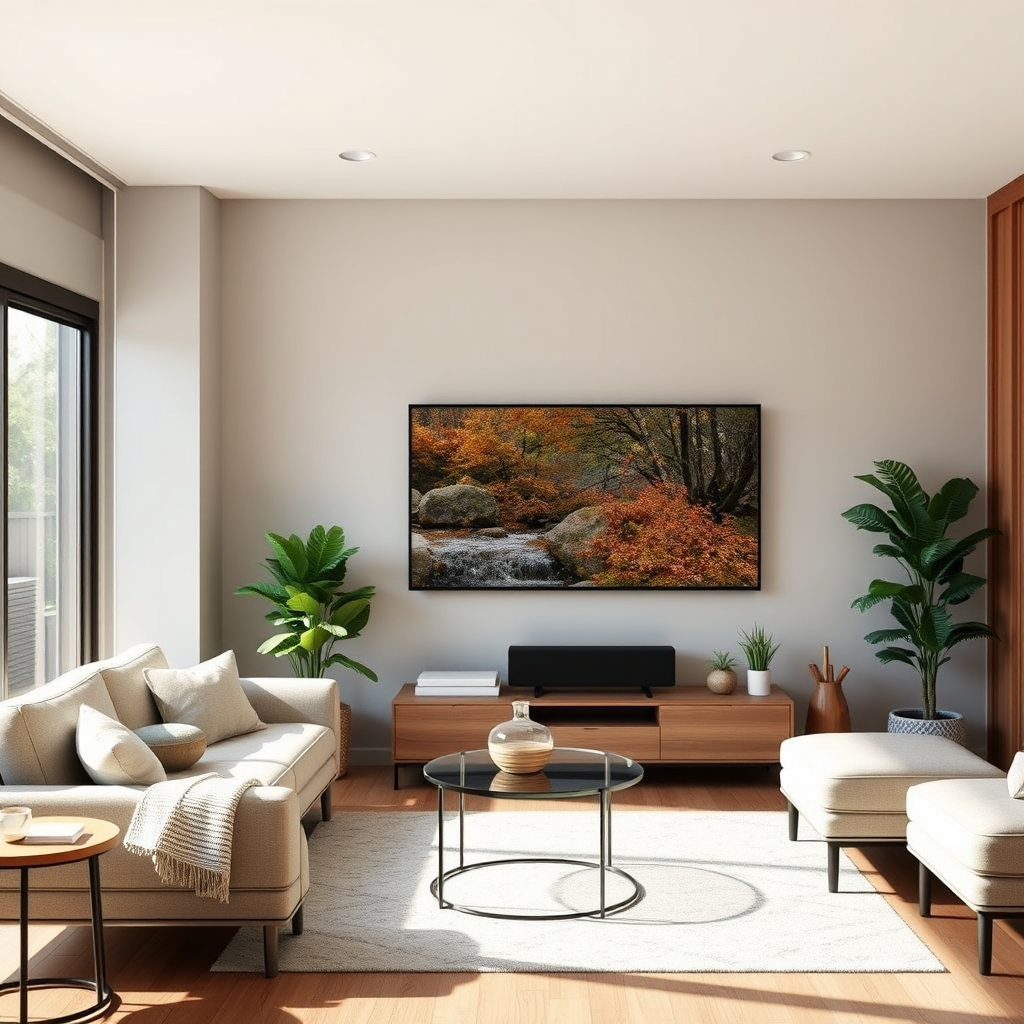

Choosing the right TV size for your room is crucial, as a TV can indeed be too big for a space, leading to discomfort and poor viewing experiences. Selecting a television that fits your space perfectly can enhance your entertainment enjoyment and prevent issues like eye strain and obstructed views. In this article, we’ll explore how to determine the appropriate size for your room, considering factors such as viewing distance, room layout, and personal preferences.
Understanding Viewing Distance
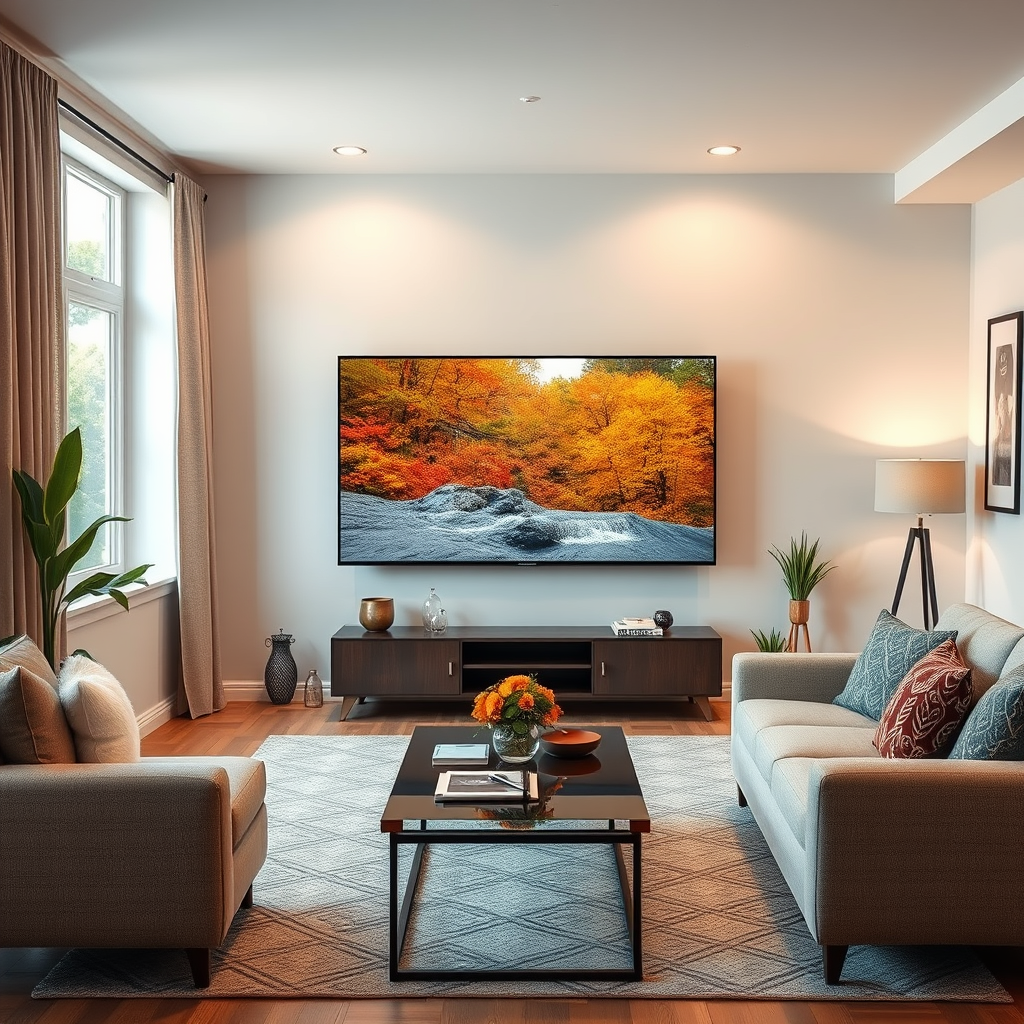
Understanding the ideal viewing distance is fundamental when selecting the size of your TV. The general rule is that the distance between the viewer and the screen should be 1.5 to 3 times the diagonal size of the TV for standard HD televisions. For instance, if you have a 55-inch TV, your seating should ideally be positioned between 6.9 feet (1.5 times) and 13.8 feet (3 times) away from the screen.
For 4K Ultra HD TVs, you can enjoy a closer viewing distance, approximately 1 to 1.5 times the screen size, enabling viewers to appreciate the enhanced clarity and detail. This means that the same 55-inch 4K TV can be viewed comfortably from as close as 4.5 feet away. Understanding these distances is essential; sitting too close to a large screen can lead to discomfort and fatigue, while being too far from a smaller screen can diminish the viewing experience.
Room Dimensions and Layout
Before purchasing a new TV, accurately measuring your room dimensions is vital. A small room may feel cramped with a large screen that dominates the space. A common guideline is to use the TV size in inches to help determine the ideal viewing distance and layout. For example, if your room is 12 feet long, a 65-inch TV would work well, allowing for a comfortable viewing distance.
Additionally, consider the room layout and furniture arrangement. Ensure that the seating is positioned to allow for an optimal viewing angle, typically centered in front of the television. If the furniture arrangement is awkward, it may lead to poor views and neck strain. Ideas such as swivel mounts can accommodate different seating arrangements, ensuring everyone has a great view, regardless of where they are sitting.
Impact on Viewing Experience
The impact of screen size on the viewing experience cannot be understated. A TV that is too large can cause eye strain and discomfort, particularly if viewers need to move their heads frequently to take in the entire screen. This can lead to an inability to fully enjoy the content being presented. Conversely, a smaller screen in a larger room may not provide the immersive experience that many viewers desire, especially for movies or video games.
Screen size also significantly affects immersion. Larger screens can enhance the viewing experience by filling the viewer’s field of vision, making for a more engaging experience. However, in a smaller room, an oversized TV can overwhelm the space and create a jarring aesthetic. Balancing size with comfort is essential for an enjoyable viewing experience.
Recommended Viewing Distances Based on TV Size (2024)
| # | TV Size (inches) | Recommended Distance (HD) | Recommended Distance (4K) |
|---|---|---|---|
| 1 | 32 | 4-8 ft | 3-5 ft |
| 2 | 40 | 5-10 ft | 3.5-6.5 ft |
| 3 | 50 | 6-12 ft | 4-7.5 ft |
| 4 | 55 | 7-14 ft | 4.5-8.5 ft |
| 5 | 65 | 8-16 ft | 5-10 ft |
| 6 | 75 | 10-20 ft | 6-12 ft |
| 7 | 85 | 11-22 ft | 7-14 ft |
Design and Aesthetic Considerations
Aesthetics play a significant role when it comes to selecting the right TV size. A TV that dominates the room can clash with the decor and create an unbalanced look. It’s essential to consider how the television fits within the overall design of the room.
For example, if your decor is minimalist, a large, bulky TV may disrupt the clean lines and open spaces that are characteristic of such a design. Wall-mounting options can alleviate this issue, allowing for a more streamlined appearance. Additionally, using furniture that can accommodate the TV size without overwhelming the space can help maintain a harmonious design.
Incorporating design elements that complement your TV can also enhance the overall aesthetic. For instance, using decorative shelving or cabinetry to frame the television can integrate it into the room’s design rather than making it a focal point that detracts from other decorative elements.
Personal Preferences and Usage
When choosing a TV, it is essential to consider how you plan to use it. If your primary use is for movies or gaming, a larger size may enhance the experience, providing greater immersion and visual impact. On the other hand, if the TV is primarily for casual viewing—like watching the news or daytime television—a smaller size may suffice.
Additionally, audience size matters. If you frequently host gatherings, a bigger screen may enhance shared viewing experiences, drawing friends and family together for movie nights or sporting events. In contrast, if it’s mainly for solo viewing, a modestly sized TV may be more appropriate, ensuring the space feels comfortable and not overwhelming.
Recommendations for Choosing the Right Size
To avoid the pitfalls of purchasing a TV that is too large or too small for your space, there are several recommendations to consider. Utilize online calculators or guidelines to help determine the ideal TV size based on your specific room dimensions. Many manufacturers offer size guides that can assist in making an educated decision based on viewing distance and room layout.
Visiting a showroom can also provide valuable insights. When you stand in front of various TV sizes in a setting similar to your home, it becomes easier to visualize how each size will look. This experience can help you gauge which size feels right for your particular space and preferences.
When in doubt, consulting with an expert can provide tailored advice, ensuring that you select a TV that enhances your viewing experience without overwhelming your living area.
When selecting a TV, it’s essential to consider your room size, viewing distance, and personal preferences to avoid ending up with a screen that feels too large for your space. Take the time to measure your room and explore options that will enhance your viewing experience without overwhelming your home. For further assistance, consider consulting with an expert or utilizing online resources to find the perfect fit for your living area.
Frequently Asked Questions
Can a TV be too big for a small room?
Yes, a TV can be too big for a small room, as it may overwhelm the space and negatively impact the viewing experience. Ideally, the size of the TV should correspond to the distance from the seating area; for example, a 55-inch TV is best viewed from about 7 feet away. Choosing the right size ensures comfort and prevents eye strain.
How do I determine the right TV size for my room?
To determine the right TV size for your room, measure the distance from your seating area to the TV location. A common guideline is to divide the viewing distance (in inches) by 1.5 to find the optimal screen size. This method helps ensure you enjoy immersive viewing without sacrificing space.
Why does the size of the TV matter in relation to room dimensions?
The size of the TV matters because it can affect both the aesthetics and functionality of the room. A TV that is too large may dominate the space and create an uncomfortable viewing experience, while one that is too small might not provide an engaging picture. Balancing screen size with room dimensions enhances enjoyment and overall design.
What are the best TV sizes for different room types?
The best TV sizes depend on the type of room and its dimensions. For a bedroom, a TV size between 32-50 inches is often ideal, while living rooms can comfortably accommodate TVs ranging from 55-75 inches, depending on the seating arrangement. Always consider both the room’s size and viewing distance to enhance your viewing experience.
Which factors should I consider when choosing a TV size for my room?
When choosing a TV size for your room, consider the room’s dimensions, viewing distance, and the layout of your furniture. Additionally, take into account the resolution of the TV; higher resolutions allow for larger screens viewed from closer distances. Assessing these factors will ensure you select a TV that fits well and enhances your viewing pleasure.
References
- https://en.wikipedia.org/wiki/Television_size
https://en.wikipedia.org/wiki/Television_size - https://www.bbc.com/news/magazine-22675740
https://www.bbc.com/news/magazine-22675740 - https://www.theguardian.com/technology/2015/jun/04/what-size-tv-should-i-buy
https://www.theguardian.com/technology/2015/jun/04/what-size-tv-should-i-buy - https://www.nytimes.com/2020/07/01/technology/personaltech/tv-size-guide.html
https://www.nytimes.com/2020/07/01/technology/personaltech/tv-size-guide.html - https://www.sciencedirect.com/science/article/pii/S0160791X19301050
https://www.sciencedirect.com/science/article/pii/S0160791X19301050 - https://www.britannica.com/story/how-big-is-the-biggest-tv
https://www.britannica.com/story/how-big-is-the-biggest-tv - https://www.nature.com/articles/s41599-019-0243-0
https://www.nature.com/articles/s41599-019-0243-0 - Google Scholar Google Scholar
https://scholar.google.com/scholar?q=can+a+tv+be+too+big+for+a+room - Google Scholar Google Scholar
https://scholar.google.com/scholar?q=television+size+and+room+dimensions - Google Scholar Google Scholar
https://scholar.google.com/scholar?q=impact+of+tv+screen+size+on+viewing+experience
