


Throwing a TV in a dumpster is generally not allowed due to environmental regulations and safety concerns. Most municipalities have specific disposal methods for electronic waste, and it’s essential to follow these guidelines to ensure proper recycling and compliance with local laws. In this article, we’ll explore the reasons behind these regulations, alternative disposal options, and what you should do with your old TV.
Understanding E-Waste Regulations
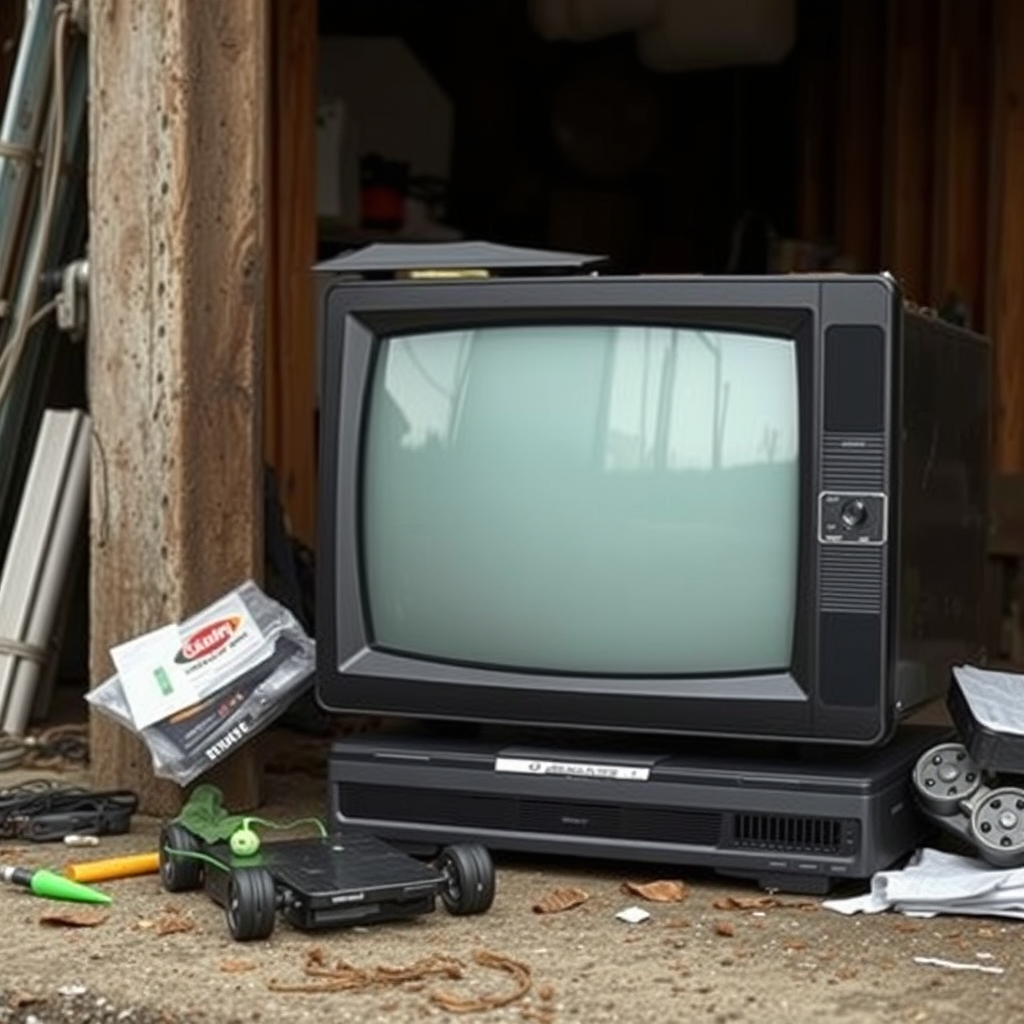
In recent years, awareness of electronic waste (e-waste) has surged, prompting many states and localities to implement laws prohibiting the disposal of e-waste in landfills. This is primarily due to the hazardous materials contained in electronic devices, including televisions. Old TVs often contain dangerous substances like lead, mercury, and cadmium. When disposed of improperly, these materials can leach into the soil and water supply, posing significant health and environmental risks.
For instance, lead, commonly found in cathode ray tube (CRT) televisions, can cause severe neurological damage, particularly in children. Additionally, mercury can contaminate the food chain, leading to detrimental effects on both wildlife and human health. As a result, many regions have enacted e-waste regulations that dictate how consumers must dispose of their old TVs and other electronics.
Alternative Disposal Options
Fortunately, there are several environmentally friendly alternatives to throwing your TV in the dumpster. Local recycling centers often accept old TVs for safe disposal. These facilities are equipped to handle electronic waste, ensuring that hazardous materials are processed correctly and that valuable resources are recovered.
In addition, many electronics retailers offer take-back programs. When you purchase a new TV, some stores will take your old device off your hands for responsible recycling. For example, major retailers like Best Buy and Walmart provide such services, making it convenient for customers to dispose of their old electronics properly.
Moreover, some municipalities host e-waste collection events, allowing residents to drop off their old televisions and other electronic devices at designated locations. These events are typically announced through local government websites or community bulletins.
Donation and Resale Possibilities
If your old TV is still functional, consider donating it to charitable organizations or local schools. Many charities, such as Goodwill or Habitat for Humanity, may accept working electronics, allowing you to contribute to a good cause while also decluttering your home. Schools and community centers may also appreciate a working TV for educational purposes.
Alternatively, online marketplaces like Craigslist, Facebook Marketplace, or eBay provide platforms for you to sell or give away your old TV. Many people are looking for affordable ways to acquire electronics, and your old TV could be just what they need. Ensure that you provide accurate descriptions and clear pictures to attract potential buyers or recipients.
Top 7 Recycling Centers for E-Waste (2024)
| # | Facility | Location | Accepted Items | Cost |
|---|---|---|---|---|
| 1 | Eco-Tech | Los Angeles, CA | TVs, Monitors | Free |
| 2 | GreenCycle | New York, NY | Electronics | $20 |
| 3 | E-Waste Solutions | Chicago, IL | TVs, Batteries | Free |
| 4 | Recycle Nation | Houston, TX | Electronics | Free |
| 5 | eWaste Recycling | Phoenix, AZ | TVs, Computers | $30 |
| 6 | Planet Green | Seattle, WA | Electronics | Free |
| 7 | TechDump | Minneapolis, MN | TVs, Monitors | Free |
Preparing Your TV for Disposal
Before disposing of your old TV, it is crucial to prepare it properly to ensure safe handling. Start by unplugging the device and cleaning it thoroughly to remove any dust or debris. This not only makes it easier for recycling centers to process the TV but also ensures that any residual materials are eliminated.
Next, if your TV has any accessories like remote controls or batteries, remove them, as these items may require special handling. Batteries, in particular, contain harmful chemicals that should not be disposed of with regular waste. Check your local guidelines for battery recycling options, as many areas have specific regulations regarding their disposal.
Finding Local Disposal Resources
Finding local disposal resources is essential for ensuring that you are following the correct e-waste disposal methods. The first step is to check your city’s waste management website, which typically provides detailed information about e-waste guidelines, including accepted materials and drop-off locations.
Additionally, websites like Earth911 can help you locate nearby recycling facilities that accept electronic waste. Simply enter your zip code and the type of item you wish to dispose of, and the site will provide you with a list of nearby recycling options. This resource can also help you understand any associated costs or fees for disposal.
Environmental Impact of Improper Disposal
The environmental impact of improper disposal of TVs and other electronic devices can be severe. When these items end up in landfills, they can release toxic substances into the soil and groundwater, leading to pollution and health hazards. For example, lead can contaminate drinking water sources, while mercury can accumulate in fish, posing risks to both aquatic life and humans who consume them.
On the other hand, recycling electronic waste helps recover valuable materials, such as metals and glass, which can be reused in the manufacturing of new products. This not only conserves natural resources but also reduces the volume of waste that ends up in landfills, contributing to a more sustainable future.
Costs and Fees for E-Waste Disposal
While many recycling centers offer free disposal of electronic waste, some may charge a fee, particularly if the item is large or contains hazardous materials. Fees can vary widely depending on the facility and the type of electronic item being disposed of. For instance, a center may charge a nominal fee for TVs but offer free disposal for smaller electronics.
To avoid unexpected costs, it’s advisable to research local options thoroughly. Some municipalities offer free e-waste collection events, which can be a great opportunity to dispose of your old TV without incurring any fees. Always check the center’s website or call ahead to confirm their policies regarding costs.
Ensuring proper disposal of your old TV is essential for environmental protection and legal compliance. By following the guidelines discussed, you can safely discard your electronic waste while contributing to a healthier planet. Don’t hesitate to explore recycling, donation, or resale options to make the most of your old TV. Remember, making informed choices about e-waste disposal not only benefits you but also safeguards the environment for future generations.
Frequently Asked Questions
Can you throw a TV in the dumpster?
Generally, you cannot throw a TV in a dumpster due to hazardous materials like lead and mercury found in electronic devices. Many local regulations prohibit the disposal of electronics in landfills, so it’s essential to check your city or county’s waste management guidelines for the proper disposal methods.
How should I dispose of my old TV?
The best way to dispose of your old TV is to take it to an e-waste recycling facility or a designated electronics recycling event in your area. Many retailers also offer trade-in programs or take-back services for old electronics, ensuring they are disposed of responsibly and safely.
Why can’t I just throw my broken TV away?
Throwing a broken TV away can harm the environment because it contains toxic substances that can leach into the soil and groundwater. Proper disposal through recycling helps prevent these hazardous materials from causing ecological damage and allows for the recovery of valuable materials.
What are the penalties for illegal TV disposal?
Penalties for illegal TV disposal can vary by location but often include fines or citations for violating local waste management laws. Additionally, improper disposal can lead to environmental damage, which may result in more severe consequences, including criminal charges in some jurisdictions.
Which stores accept old TVs for recycling?
Many electronics retailers, such as Best Buy and Walmart, accept old TVs for recycling or trade-in programs. Additionally, check with local waste management services or nonprofit organizations that may offer drop-off locations for e-waste recycling to ensure your old TV is disposed of responsibly.
References
- https://www.epa.gov/recycle/what-do-with-your-old-tv
https://www.epa.gov/recycle/what-do-with-your-old-tv - Zac Efron Posts Photo of Him With His ‘Valentine’: His 3-Year-Old Sister
https://www.nbcnews.com/news/us-news/what-happens-old-televisions-rcna70693 - https://www.bbc.com/news/magazine-19085733
https://www.bbc.com/news/magazine-19085733 - https://www.who.int/news-room/questions-and-answers/item/e-waste
https://www.who.int/news-room/questions-and-answers/item/e-waste - https://www.sciencedirect.com/science/article/pii/S0959652619301157
https://www.sciencedirect.com/science/article/pii/S0959652619301157 - https://www.cdc.gov/waste/e-waste.html
https://www.cdc.gov/waste/e-waste.html - Google Scholar Google Scholar
https://scholar.google.com/scholar?q=can+you+throw+tv+in+dumpster - Google Scholar Google Scholar
https://scholar.google.com/scholar?q=recycling+old+televisions - can you throw tv in dumpster – Search results
https://en.wikipedia.org/wiki/Special:Search?search=can+you+throw+tv+in+dumpster - https://www.ncbi.nlm.nih.gov/search/research-articles/?term=can+you+throw+tv+in+dumpster
https://www.ncbi.nlm.nih.gov/search/research-articles/?term=can+you+throw+tv+in+dumpster
