


Understanding Your Equipment
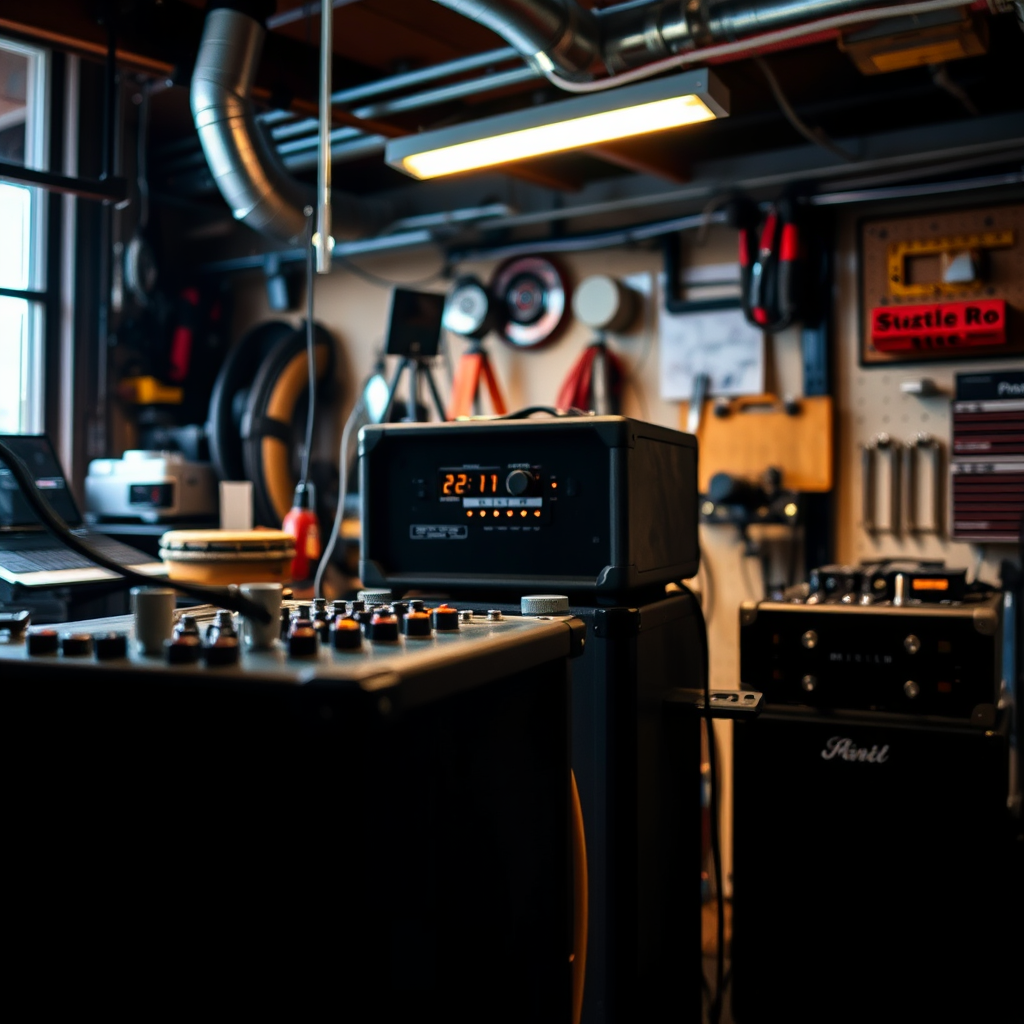
Before you begin wiring your speakers to an amplifier, it is crucial to understand the specifications of both devices. Start by checking the power output of your amplifier and the power handling capacity of your speakers. This will help you avoid damage to either component.
Next, pay particular attention to the impedance ratings, usually measured in ohms. Most amplifiers and speakers are rated at 4, 6, or 8 ohms. Ensuring that the impedance of your speakers matches the output impedance of your amplifier is vital for delivering optimal audio performance. Mismatched impedance can result in poor sound quality or even damage your equipment.
Preparing for the Connection
Preparation is key to a successful wiring process. Gather all necessary tools and materials before starting. You will need speaker wire, which is typically available in 16 to 12 gauge, depending on your distance and power requirements. Additionally, you may require wire strippers and banana plugs for a secure connection.
Before proceeding, ensure that your amplifier is powered off and unplugged. This precaution helps to avoid any electrical hazards during the wiring process. Lay out your workspace to allow for easy access to both the amplifier and the speakers to streamline the connection process.
Cutting and Stripping Speaker Wires
When it comes time to cut the speaker wire to the desired length, make sure to leave a little extra length to allow for flexibility in positioning your speakers. A good rule of thumb is to use a wire length that is about 10% longer than the distance from the amplifier to the speakers.
After cutting the wire, use wire strippers to remove about 1/2 inch of insulation from both ends of each wire. Be careful not to nick the copper strands, as this can affect the quality of the connection. The exposed copper will allow for a solid electrical connection, which is essential for clear sound output.
Speaker Wire Gauge Recommendations
| # | Wire Gauge | Distance (ft) | Recommended Use | Power Handling |
|---|---|---|---|---|
| 1 | 12 Gauge | 0-50 | High Power Speakers | Up to 600W |
| 2 | 14 Gauge | 0-100 | Medium Power Speakers | Up to 300W |
| 3 | 16 Gauge | 0-150 | Low Power Speakers | Up to 200W |
| 4 | 18 Gauge | 0-50 | Very Low Power Speakers | Up to 100W |
| 5 | 20 Gauge | 0-20 | Mini Speakers | Up to 50W |
| 6 | 22 Gauge | 0-10 | Earbuds | Up to 30W |
| 7 | 24 Gauge | 0-5 | Low-Power Devices | Up to 15W |
Connecting Wires to the Amplifier
With your speaker wires cut and stripped, it’s time to connect them to the amplifier. First, identify the positive (+) and negative (-) terminals on the amplifier. This is critical for ensuring that your speakers are wired correctly, as improper polarity can lead to phase cancellation, which negatively affects sound quality.
Next, take the stripped end of the wire and securely attach it to the corresponding terminal on the amplifier. If you’re using bare wire, simply twist the copper strands together with the terminal. If you are using banana plugs, insert the plug into the terminal until it clicks into place. Ensure that the connection is firm and that the copper strands are not touching other terminals or wires.
Connecting Wires to the Speakers
Once the wires are connected to the amplifier, proceed to connect them to the speakers. Like the amplifier, locate the positive (+) and negative (-) terminals on each speaker.
Attach the other end of the wire to the speakers, ensuring that the polarity matches what you have done on the amplifier. Again, a firm connection is essential; use either bare wire or banana plugs as appropriate. After making these connections, double-check that all wires are securely connected and that there are no exposed copper strands that could cause a short circuit.
Testing the Connection
Now that everything is wired up, it’s time to test your connections. Begin by powering on the amplifier and setting the volume to a low level. This is important to avoid any sudden loud noises that might damage your speakers or disturb your environment.
Play audio through your system and listen carefully. Check for clear sound from both speakers. If you notice any distortion or lack of sound in one or both speakers, turn off the amplifier and review your connections. Ensure that all terminals are properly connected and that there are no loose wires. If everything checks out and you still experience issues, consider consulting your equipment manuals for troubleshooting tips.
Troubleshooting Common Issues
Even with careful setup, issues can arise during your speaker connection process. One of the most common problems is a lack of sound from one or both speakers. If this occurs, first check that all connections are secure. Loose wires can often be the culprit.
Next, inspect the speaker wires for any visible damage or shorts. If you notice any fraying or cuts, replace the wire before continuing. Additionally, verify that your speakers and amplifier are compatible with each other in terms of power and impedance ratings.
If everything seems to be in order but you still face issues, consider testing with different audio sources or cables. This will help you isolate the problem, whether it’s related to the amplifier, the speakers, or the input source.
By following these steps, you can successfully wire your speakers to an amplifier, enhancing your listening experience. Make sure to double-check all connections and settings before finalizing your setup. For further guidance, consider consulting your equipment manuals or seeking professional help if needed.
Frequently Asked Questions
How do I determine the correct gauge of wire for connecting my speakers to an amplifier?
The correct gauge of wire depends on the distance between your amplifier and speakers, as well as the power output of your amplifier. For distances up to 50 feet, 16-gauge wire is typically sufficient for most home audio setups, while longer runs may require 14-gauge wire to prevent signal loss and ensure optimal audio quality.
What are the steps to properly wire speakers to an amplifier?
To wire speakers to an amplifier, first ensure that the amplifier is turned off. Then, connect the positive terminal of the amplifier to the positive terminal of the speaker using speaker wire, and do the same for the negative terminals. Finally, secure the connections and double-check that the polarity is correct to avoid phase issues that can degrade sound quality.
Why is it important to match speaker impedance with my amplifier?
Matching speaker impedance with your amplifier is crucial to prevent damage to either component and to ensure optimal sound performance. An amplifier will deliver its best power output when the speaker impedance matches its rated output, typically 4, 6, or 8 ohms, which helps avoid overheating and distortion.
What is the best way to connect multiple speakers to a single amplifier?
The best way to connect multiple speakers to a single amplifier is to use either a parallel or series wiring configuration, depending on your impedance requirements. In parallel wiring, the impedance decreases, allowing for more power to be shared among speakers, while series wiring increases impedance, which can be beneficial for specific setups. Always verify that the total impedance remains compatible with your amplifier.
Which type of speaker wire is best for home audio systems?
The best type of speaker wire for home audio systems is typically oxygen-free copper wire, which enhances conductivity and reduces resistance. Look for stranded wire for flexibility and ease of installation, and choose a gauge that corresponds to your setup’s distance and power needs to ensure clear and high-quality sound delivery.
References
- https://en.wikipedia.org/wiki/Speaker_(audio
https://en.wikipedia.org/wiki/Speaker_(audio - Western Washington University
https://www.wwu.edu/ - Academia and ITU-T
https://www.itu.int/en/ITU-T/academia/Pages/default.aspx - Google Scholar Google Scholar
https://scholar.google.com/scholar?q=how+to+wire+speakers+to+amplifier - https://www.sciencedirect.com/topics/engineering/audio-amplifier
https://www.sciencedirect.com/topics/engineering/audio-amplifier - Google Scholar Google Scholar
https://scholar.google.com/scholar?q=speaker+amplifier+connections - https://www.nature.com/articles/s41598-021-01228-0
https://www.nature.com/articles/s41598-021-01228-0 - https://www.audioholics.com/education/what-is-an-amplifier
https://www.audioholics.com/education/what-is-an-amplifier - https://pubmed.ncbi.nlm.nih.gov/26545653/
https://pubmed.ncbi.nlm.nih.gov/26545653/ - Amplifier | Audio, Signal Processing & Volume Control | Britannica
https://www.britannica.com/science/amplifier
