

While turntables do not require speakers to operate, having a set of speakers is essential for you to actually hear the music played from your vinyl records. The turntable converts the grooves of vinyl into audio signals, but without speakers or an alternative audio output, you won’t experience the rich sounds of your favorite albums. In this article, we will explore why speakers are necessary for turntables, the different types of speakers available, and some alternatives if you don’t want traditional speakers.
Understanding Turntable Functionality
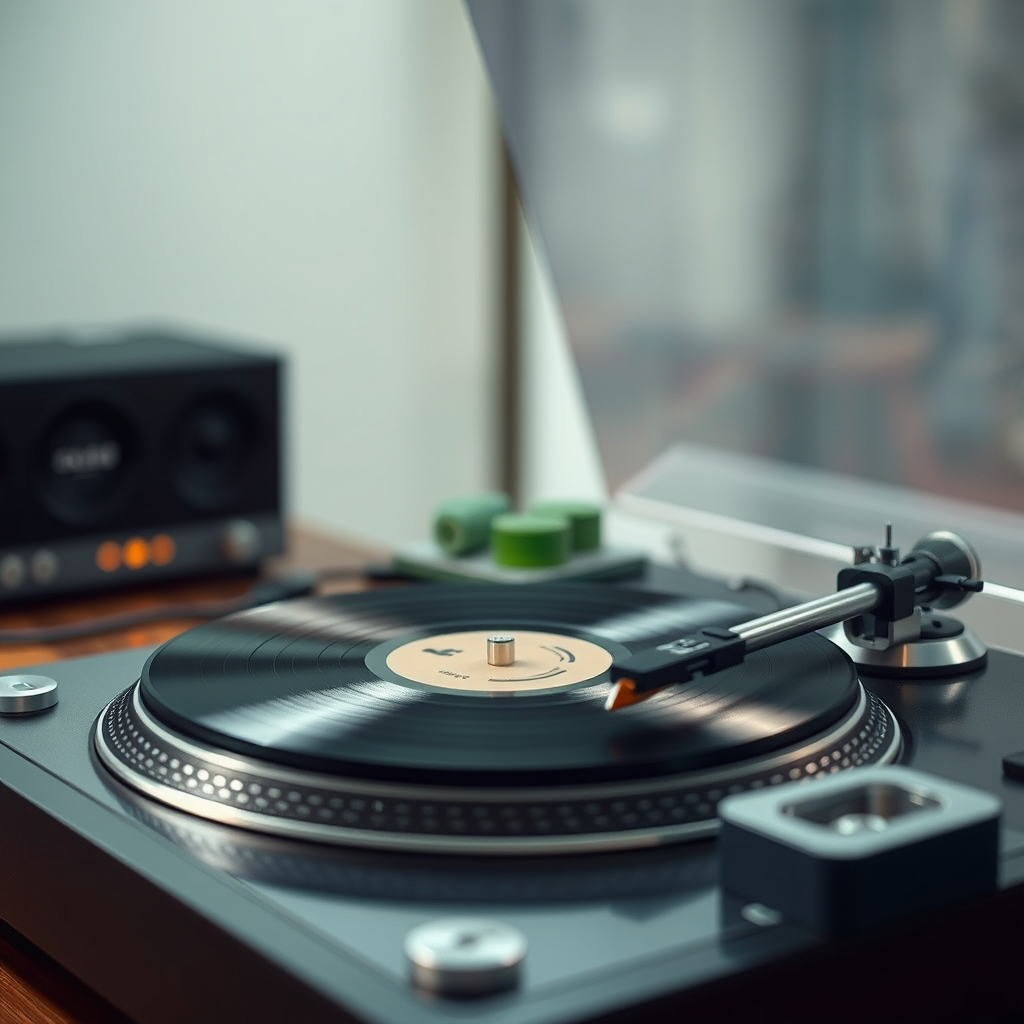
Turntables are remarkable devices that transform the physical grooves etched into vinyl records into audible sound. The process involves a stylus, or needle, which vibrates as it moves along the grooves, converting these physical movements into electrical signals. These signals are then sent out to an amplifier or speakers, where they are converted back into sound waves that we can hear.
Without speakers or another form of audio output, the turntable remains silent, rendering the experience of listening to vinyl records impossible. For a true audiophile experience, the quality of the speakers used can significantly impact the clarity and richness of the sound. Thus, while turntables can technically function without speakers, they cannot fulfill their primary purpose of delivering music without them.
Types of Speakers Compatible with Turntables
When considering speakers for your turntable, it’s crucial to understand the different types available and their respective requirements:
– Passive Speakers: These speakers require an external amplifier to function. They are favored by enthusiasts for their superior sound quality and versatility. Passive speakers can be paired with various amplifiers, allowing for customization of the audio experience. They typically deliver a more dynamic sound, making them ideal for those who appreciate audiophile-grade output.
– Active Speakers: These come with built-in amplifiers, making them a more straightforward option, especially for beginners. They connect directly to the turntable and are often easier to set up. Active speakers are convenient for those who prefer a plug-and-play solution without the need for additional equipment. However, they may not offer the same level of sound quality as high-end passive systems.
Connecting Turntables to Speakers
Connecting your turntable to speakers is generally a straightforward process. Most turntables come equipped with RCA outputs, which can connect directly to compatible speakers or amplifiers. It’s important to ensure that the cables are securely connected to avoid any sound issues.
Certain modern turntables also feature Bluetooth capabilities, allowing for a wireless connection to compatible speakers. This option enhances convenience, especially for those who wish to minimize cable clutter. However, it’s essential to consider the potential for audio latency with Bluetooth connections, which can affect the listening experience.
Alternative Audio Options
If traditional speakers are not your preference, there are alternative audio options available for turntable enthusiasts:
– Headphones: For personal listening, high-quality headphones can provide an intimate experience without the need for speakers. Many audiophiles appreciate the detailed soundstage that quality headphones can deliver, making them a viable option for enjoying vinyl.
– Turntables with Built-in Speakers: Some models come equipped with built-in speakers. While this may seem convenient, these internal speakers often lack the sound quality of dedicated external speakers. They are typically suitable for casual listening but may not satisfy serious audiophiles seeking a richer sound.
📋 MANDATORY DATA TABLE
Top 7 Turntable-Compatible Speakers (2023)
| # | Speaker Model | Type | Power (W) | Price ($) | Rating |
|---|---|---|---|---|---|
| 1 | Audioengine A2+ | Active | 60 | 269 | ★★★★★ |
| 2 | KEF Q150 | Passive | 100 | 599 | ★★★★☆ |
| 3 | Edifier R980T | Active | 24 | 99 | ★★★★☆ |
| 4 | Bowers & Wilkins 607 | Passive | 100 | 799 | ★★★★☆ |
| 5 | Klipsch R-41M | Passive | 50 | 149 | ★★★★☆ |
| 6 | JBL 305P MkII | Active | 82 | 149 | ★★★★★ |
| 7 | Sony SS-CS5 | Passive | 100 | 198 | ★★★★☆ |
Choosing the Right Speakers for Your Setup
Choosing the right speakers for your turntable involves several considerations to ensure an optimal listening experience.
– Space Considerations: Assess the size of your listening area. If you’re in a compact space, smaller speakers or bookshelf speakers may be more appropriate. Conversely, larger rooms may benefit from floor-standing speakers that can fill the space with sound.
– Desired Volume and Sound Quality: Think about how loud you want the audio to be. If you plan to host gatherings or use the system for parties, speakers with higher wattage may be necessary. Additionally, prioritize sound quality—research speaker reviews and listen to demos when possible.
– Compatibility: Ensure that the speakers you choose are compatible with your turntable. If you opt for passive speakers, you’ll need an appropriate amplifier that matches the speakers’ impedance and power requirements.
Troubleshooting Common Issues
If your speakers aren’t producing sound, several common issues could be at play:
– Check Connections: Ensure all cables are securely connected. This includes RCA cables from the turntable to the amplifier or speakers, as well as power cables.
– Volume Levels: Verify that the volume on both the turntable and the speakers is turned up. Sometimes the issue may be as simple as a muted speaker or a low volume setting.
– Turntable Setup: Make sure the turntable is correctly set up, including the placement of the stylus and settings for tracking force. If the setup isn’t right, it may prevent the turntable from functioning properly.
In conclusion, while a turntable can function without speakers, you’ll need speakers to enjoy the music. Whether you choose traditional passive speakers, active speakers, or an alternative like headphones, selecting the right audio setup is crucial for the best vinyl experience. Evaluate your needs, budget, and space to find the perfect match for your turntable, and start enjoying your vinyl collection today!
Frequently Asked Questions
Do turntables need speakers to play music?
Yes, turntables require speakers to produce sound. Unlike digital music players, turntables work by converting the grooves on vinyl records into audio signals, which must then be amplified and output through speakers. Without speakers, you won’t be able to hear the music played from your turntable.
What type of speakers are best for a turntable?
The best speakers for a turntable depend on your setup and preferences. Passive speakers paired with a separate amplifier offer high-quality sound and flexibility, while active speakers have built-in amplifiers, making them a convenient choice for beginners. Consider factors like space, budget, and sound quality when choosing speakers for your turntable.
How do I connect my turntable to speakers?
To connect your turntable to speakers, first determine if your turntable has a built-in preamp. If it does, you can connect it directly to active speakers using RCA cables. For passive speakers, you will need a separate amplifier to connect the turntable to the speakers, ensuring you have the necessary cables and adapters for your specific setup.
Why do some turntables come with built-in speakers?
Some turntables come with built-in speakers for convenience, making them ideal for casual users or beginners. These all-in-one models are portable and easy to set up, allowing users to enjoy vinyl records without the need for additional equipment. However, built-in speakers often sacrifice sound quality compared to dedicated external speakers.
Can I use Bluetooth speakers with my turntable?
Yes, you can use Bluetooth speakers with your turntable, but you’ll need a turntable that has Bluetooth capabilities or a Bluetooth transmitter. This setup allows you to wirelessly connect your turntable to Bluetooth speakers, providing a modern solution for enjoying vinyl music without the hassle of wired connections. Just ensure that your speakers are compatible with the audio quality you desire.
References
- Phonograph
https://en.wikipedia.org/wiki/Turntable - https://www.bbc.com/future/article/20210210-the-science-of-turntables
https://www.bbc.com/future/article/20210210-the-science-of-turntables - https://www.nytimes.com/2021/03/02/arts/music/turntables-vinyl-records.html
https://www.nytimes.com/2021/03/02/arts/music/turntables-vinyl-records.html - https://www.sciencedirect.com/topics/engineering/turntable
https://www.sciencedirect.com/topics/engineering/turntable - https://pubmed.ncbi.nlm.nih.gov/29456858/
https://pubmed.ncbi.nlm.nih.gov/29456858/ - https://www.theguardian.com/music/2020/mar/20/why-vinyl-is-making-a-comeback
https://www.theguardian.com/music/2020/mar/20/why-vinyl-is-making-a-comeback - Turntable | Vinyl Records, Record Players, Hi-Fi Audio | Britannica
https://www.britannica.com/art/turntable - Google Scholar Google Scholar
https://scholar.google.com/scholar?q=do+turntables+need+speakers - Google Scholar Google Scholar
https://scholar.google.com/scholar?q=turntables+and+audio+systems - Google Scholar Google Scholar
https://scholar.google.com/scholar?q=vinyl+records+and+sound+systems

[…] connect Apple TV audio via an AV receiver, soundbar, or active speakers that support the connection you’re using (often HDMI-ARC/eARC through a receiver setup, or a […]
[…] – Preferred wired options: optical (TOSLINK) if available, or a 3.5 mm audio out to active speakers. […]