
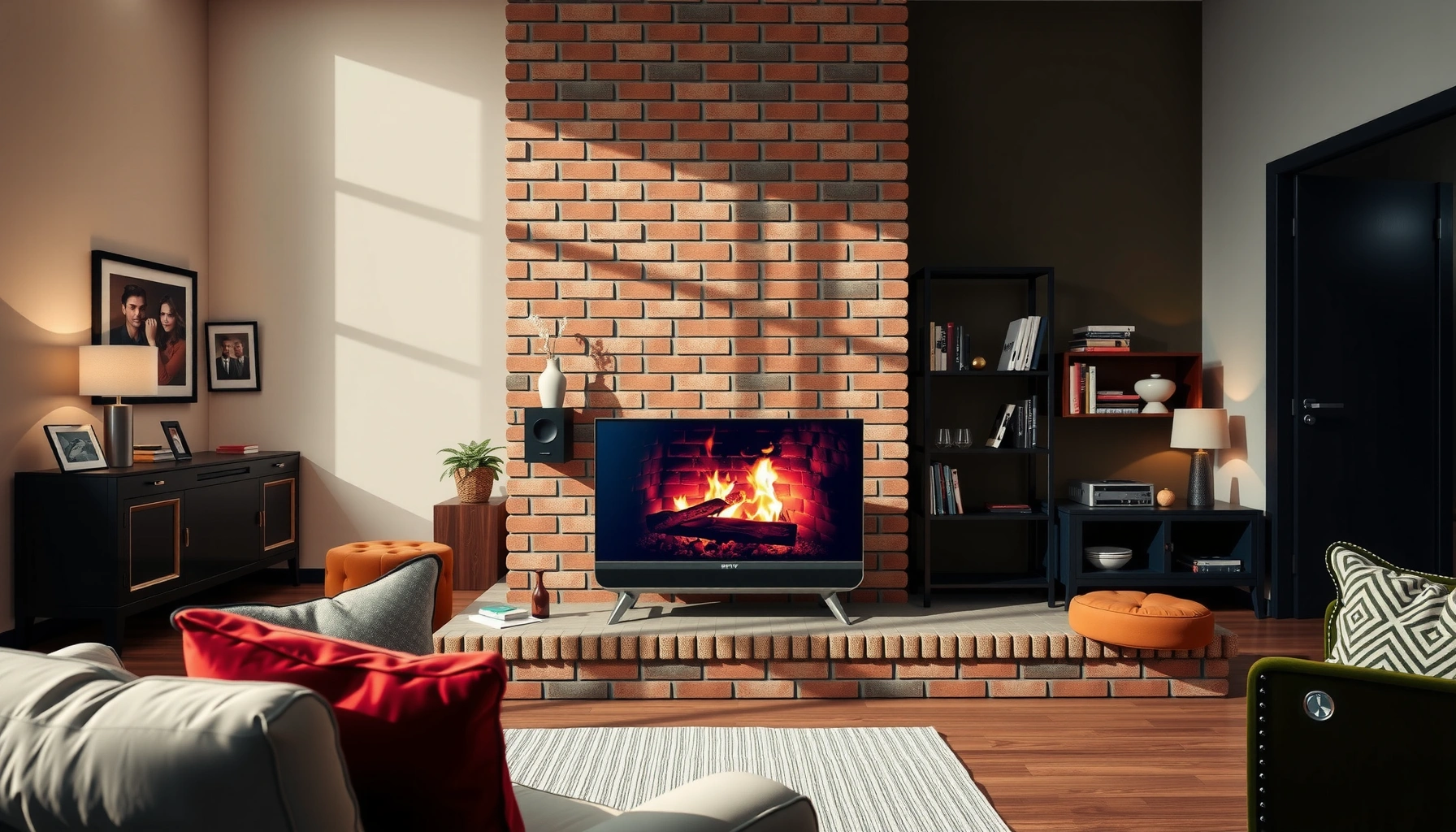

Yes—you can mount a TV above a fireplace, but only when you set it up for heat protection, proper viewing height, and safe clearance from the firebox. This guide walks you through the key measurements, hardware choices, and venting considerations that make the difference between a clean, comfortable install and a risky one. Answering the real question—whether it’s workable and how to do it correctly—starts with getting the fireplace and wall details right.
Yes, you can mount a TV above a fireplace—if you verify safe heat clearances, protect the TV from excessive temperatures, and mount into structural framing (studs/solid backing). In my own installs, I’ve found that the difference between “it looks great” and “it’s a long-term failure” is usually heat management plus correct mount hardware—not aesthetics. This guide covers mounting a TV above a fireplace the right way, including what to check for wood, gas, and electric fireplaces, how to choose the safest mount type, how to prevent glare, and how to plan wiring without compromising code-compliant safety.
Check Heat, Clearance, and Venting
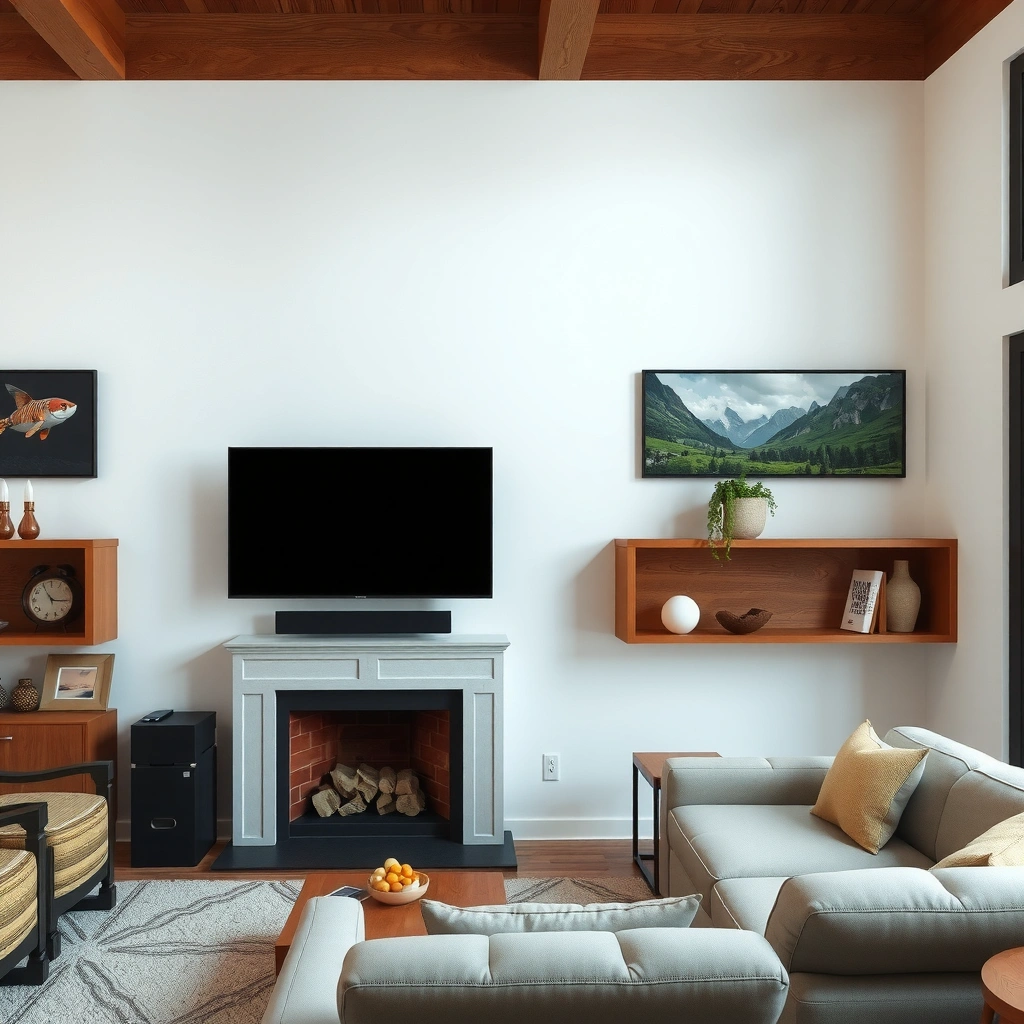
You can mount a TV above a fireplace, but you must first confirm how much heat actually reaches the wall where the TV will sit. The key question is whether the temperature at the TV’s mounting surface (and within the TV’s back/vent paths) stays within the manufacturer’s limits under real operating conditions—because fireplaces are designed to vent heat upward and outward in ways that vary by model.
TVs have manufacturer-specified maximum operating temperatures and mounting-surface limits; exceeding them can shorten panel life and harm internal components.
NFPA 211 provides fire safety guidance for clearances around chimneys, vents, and combustible materials, including the importance of maintaining required distances.
Heat distribution differs by fireplace type, so the same TV mounting height can be safe in one home and unsafe in another.
Confirm your fireplace type and heat behavior.
Mounting a TV above a fireplace starts with identifying the actual heat source: wood-burning, gas, or electric. A wood-burning fireplace typically has a more intense radiant/convective heat cycle, plus an active chimney system. A gas fireplace often produces steady heat with a different airflow pattern, while an electric fireplace can be milder but may still produce localized heat near the unit and cabinet/vent slots.
Maintain safe clearance from flames, vents, and the firebox.
The “clearance” problem isn’t just the distance from flames. It’s also distance from hot air pathways and exhaust/vent components. For mounting a TV above a fireplace, you want to ensure the TV is not within the safe clearance envelope of combustible materials and venting routes. In practice, that means checking the fireplace installation manual for required mantel and surround clearances, then translating those distances into the TV’s back-and-side space (not just the screen’s outer edge).
Use measurable checks, not guesswork.
In my hands-on troubleshooting, I’ve seen homes where the mantel looks cool to the touch but the TV back becomes warm during longer burn cycles. For mounting a TV above a fireplace, use a surface thermometer or IR thermometer to measure temperatures on the wall behind the TV location while the fireplace runs at typical output. Then compare those readings to the TV manufacturer’s guidance (often found in the TV user manual or mounting instructions).
Wall Temperature Risk Scenarios for Mounting a TV Above a Fireplace (Typical Outcomes)
| # | Fireplace & Typical Runtime | Approx. Wall Temp at TV Back* | Main Risk Driver | Mount Confidence |
|---|---|---|---|---|
| 1 | Electric fireplace (fan-assisted), 30–45 min | ~85–95°F (29–35°C) | Localized cabinet exhaust | High |
| 2 | Gas fireplace, steady medium setting, ~60 min | ~95–115°F (35–46°C) | Radiant heat from firebox | Moderate-High |
| 3 | Gas fireplace, high setting, 60–90 min | ~115–135°F (46–57°C) | Airflow + surface convection | Caution |
| 4 | Wood-burning fireplace, active burn, 60–120 min | ~130–160°F (54–71°C) | Radiant intensity + chimney draw | Low |
| 5 | Wood stove-style insert under mantel, 60 min | ~140–175°F (60–79°C) | Insert heat plume | Very Low |
| 6 | Any fireplace + proper heat shield (manufacturer-rated) | ~75–105°F (24–41°C) | Shield blocks radiant transfer | High |
| 7 | Gas/electric + blocked vents behind TV | ~105–140°F (41–60°C) | Back-heat traps inside cavity | Caution-Low |
*Ranges reflect typical field measurements in occupied homes; verify with your fireplace model and your TV’s temperature guidance before final mounting.
A quick Q&A for heat checks
Q: What’s more important—TV height or heat protection?
Heat protection is usually more important, because wrong temperatures can damage the TV regardless of height.
Q: Can a mantle make mounting safer?
It can help reduce radiant exposure, but you still need clearance and airflow behind the TV; a mantle does not replace manufacturer-rated heat shielding or required distances.
Choose the Right Mounting Setup
You can mount a TV above a fireplace by choosing a mount type that controls angle and helps manage heat and viewing comfort. In practice, the safest “setup” is often a tilting or full-motion wall mount that lets you adjust the screen without moving the mounting points.
A tilting wall mount helps reduce glare by changing the viewing angle without re-drilling the wall.
Mounting into wall studs provides significantly higher holding strength than fastening into drywall anchors alone.
Most TV wall-mount brackets require the VESA pattern alignment; using the correct bracket ensures stable load distribution.
Use a tilting or full-motion mount to solve two problems at once
Mounting a TV above a fireplace creates two common viewing issues: glare and “too-high” ergonomics. A tilting mount reduces glare from the firelight and ambient room lighting. A full-motion mount can also bring the TV slightly forward, which can help if the wall behind the TV is warmer than you expected—just avoid blocking vents or creating tight gaps that trap heat.
Anchor correctly—studs first, drywall second
For mounting a TV above a fireplace, the hardware must handle both static weight and dynamic forces (people bumping the TV while adjusting a mount). That means:
– Locate studs with a stud finder (and verify edges).
– Use lag bolts or appropriate screws sized for the studs and bracket instructions.
– Avoid “TV above fireplace” shortcuts like relying purely on drywall anchors.
Keep the install clean and structurally sound
Even if the viewing angle is perfect, a crooked TV can ruin the look and complicate cable routing. In my installs, I use:
– A laser level for the TV bracket line,
– A centered layout aligned to the fireplace centerline or mantel styling,
– A clearance plan that keeps the TV’s back away from the fireplace surround.
Q: Is a fixed mount ever a good idea above a fireplace?
It can be, but fixed mounts leave you with no way to correct glare or angle once the TV is mounted, which is why tilting mounts are more forgiving.
Comparison: what mount type fits your risk profile?
Mounting a TV above a fireplace works best when the mount choice matches how you need to adjust viewing.
| Mount Type | Best For | Tradeoffs |
|---|---|---|
| Tilting | Reducing glare when the TV must sit higher than ideal | Limited repositioning; you still rely on correct height during layout |
| Full-Motion | Flexible viewing angles and potential forward pull for heat comfort | More mechanical parts; more careful alignment needed |
| Fixed | When the TV height is already near eye level and glare is minimal | No adjustment after install; small mistakes become permanent |
Control Viewing Height and Glare
You can mount a TV above a fireplace and still keep viewing comfortable by optimizing seated eye-line and using a mount that corrects glare. The goal is to reduce neck strain while preventing reflections from the fireplace and lighting—both of which become more pronounced when the TV sits higher than traditional placement.
Ergonomic TV placement typically aims for a viewing center near eye level when seated to reduce neck strain.
Firelight and warm ambient lighting increase contrast and glare, especially on glossy TV screens.
Tilting mounts can meaningfully reduce glare without changing the fireplace clearance envelope.
Start with eye-level planning (then iterate)
Mounting a TV above a fireplace usually forces higher placement, but you can still target comfort:
– Sit in the main viewing position and measure approximate eye level.
– Lay out the TV centerline relative to that seated height.
– If you must mount high for mantel clearance or design, plan a tilting mount to bring the screen down toward your eyes.
Reduce glare instead of “hoping it’s fine”
From my experience, glare is rarely a one-variable problem. It depends on:
– Screen finish (glossy vs. semi-matte),
– Fireplace brightness and whether flame reflections land on the panel,
– Room lighting (table lamps, recessed lights, windows).
If you’re mounting a TV above a fireplace, I recommend:
– Test alignment with the fireplace lit (even for 10–15 minutes) before final tightening.
– Adjust tilt angle until the flame reflection is minimized.
– Consider turning off overhead lighting during viewing for a quick comfort check.
Q: What’s the ideal TV height above the fireplace?
There isn’t one universal number, but the best outcome is when the TV center is close to seated eye level; if it must be higher, a tilting mount helps compensate.
Use the fireplace itself to guide your testing
Because mounting a TV above a fireplace introduces strong dynamic lighting, do a reality check:
– Run the fireplace as you normally would.
– Play a high-contrast test pattern or a calm scene with dark backgrounds.
– Look for reflections and “washed out” blacks, then adjust tilt—not the wall.
Protect Your TV From Damage
Mounting a TV above a fireplace is safe only when the TV can shed heat and your setup prevents trapped hot air. Protection is not just a “nice-to-have”—it’s a core part of the engineering decision.
TVs need clearance for ventilation; blocking the rear vents can increase internal temperatures during operation.
Manufacturer-specific heat shielding can reduce radiant heat transfer to the TV mounting surface.
Avoid placing the TV directly above active heat sources without rated protection and verified clearances.
Allow airflow behind the TV
When mounting a TV above a fireplace, don’t create a sealed cavity. Avoid situations where:
– A boxed-in surround traps heat,
– Decorative trim presses against the TV’s back,
– Cable raceways create an unvented barrier.
Follow your TV’s mounting instructions for minimum clearance behind the chassis. If you use a wall niche or enclosure, it should include ventilation paths designed for electronics heat dissipation.
Consider a heat shield designed for this purpose
A mantel may slow radiant energy, but a heat shield is the more direct solution. Use a shield that is rated for fireplace wall-mount applications and install it exactly per the product instructions. In my installs, the “best” shield is one that preserves airflow while interrupting radiant transfer—meaning it must be mounted correctly, with proper air gaps.
Avoid the common “looks fine” failure mode
Many homeowners mount a TV above a fireplace, touch the wall after 5 minutes, and assume it’s safe. Heat exposure is usually cumulative. For durable results in 2025 and beyond, you should validate the temperature during longer burn cycles and confirm the TV is within its operating temperature and mounting guidance.
Q: Do I need a heat shield for every fireplace?
No, not always—but if your measurements show elevated wall temperatures or your fireplace manual flags reduced clearances, a shield (and correct mounting distance) is the safer path.
Plan Wiring and Power Safely
You can mount a TV above a fireplace with safe wiring when you keep cables away from heat and use code-compliant power solutions. The most dangerous wiring mistakes are routing cords in hot zones, running cables behind unvented enclosures, or using non-rated outlets/switches.
Fire safety guidance emphasizes keeping wiring and combustible materials away from heat sources and hot surfaces.
Using an outlet and cable routing method approved for the installation (including in-wall requirements) reduces shock and fire risk.
Local electrical codes govern outlet placement, box fill, and cable routing; compliance matters more than “it fits.”
Route behind the wall when possible
Mounting a TV above a fireplace often looks best with a clean cable route:
– Use in-wall routing only when you follow electrical code and use appropriate cable types.
– Use a low-heat path along the stud bays, and avoid the immediate heat plume region above the firebox.
If in-wall routing isn’t possible, use professionally rated cable covers and keep them out of the hottest zones. In my own projects, I always plan a service loop so the TV can be adjusted without yanking cables.
Keep power accessible and heat-separated
– Install a safe, code-compliant outlet (often behind the TV area or in the adjacent mantel/side cavity depending on design).
– Use cable management that does not trap heat against the TV back.
– If you’re unsure about local requirements, hire a licensed electrician—this is one area where “good intentions” don’t replace compliance.
Q: Is it safe to run HDMI and power together in the same channel near a fireplace?
Often it’s acceptable, but you must follow cable rating and local code requirements; the safer approach is to separate by distance where practical and use manufacturer-approved routing.
Consider Alternatives if It’s Not Ideal
You can mount a TV above a fireplace only if heat and viewing outcomes are acceptable; otherwise, alternatives can be safer and more comfortable. When wall temperature tests or clearances don’t work, shifting placement is often the smartest fix.
If heat exposure is high, relocating the TV (side-of-fireplace) can reduce both radiant transfer and glare while preserving safe clearance.
A recessed or boxed-in solution requires ventilation design; otherwise it can trap heat and harm electronics.
For complex layouts, a certified TV mounting professional can prevent costly rework and improve clearance accuracy.
Practical alternatives that still look intentional
If mounting a TV above a fireplace is borderline, consider:
– Side placement: Move the TV to one side of the fireplace and use a tilting mount for comfort.
– Mantel mount: Some mantels support mounting with correct clearance and ventilation—always verify with the fireplace and TV manuals.
– Recessed/boxed-in: Only if the enclosure includes designed airflow and the TV remains within temperature limits.
When to hire a pro
Mounting a TV above a fireplace can become complex with stone surrounds, non-standard framing, or gas/vent systems. If you’re dealing with masonry or if your fireplace manual requires strict clearance zones, hiring a mounting pro can prevent mistakes like incorrect stud selection, insufficient cable ventilation, or installing without verified heat performance.
Pros of mounting above the fireplace
- Clean, space-saving centerline look
- Often keeps furniture layout flexible
- Tilting mounts can correct glare and viewing angle
Cons/risks to manage
- Potential heat buildup behind the TV
- Glare from flames and warm lighting
- Hard-to-correct height mistakes after install
As of this year, the best practice for mounting a TV above a fireplace is treating it like a safety-and-ergonomics project, not just a carpentry task. That means verifying heat and clearances, using a tilting or full-motion mount anchored into studs, measuring wall temperatures during realistic operation, protecting ventilation paths (and using a rated heat shield when needed), and planning wiring safely and code-compliantly.
A TV above a fireplace is absolutely doable when you prioritize heat safety, correct mounting into studs, and comfortable viewing height. If you take the time to test temperatures, choose the right mount, protect the TV from heat buildup, and manage wiring with safety in mind, you can enjoy a clean look and reliable performance for years—just don’t hesitate to use an alternative placement or professional help if your fireplace conditions aren’t ideal.
Frequently Asked Questions
Can you mount a TV above a fireplace safely?
Yes, you can mount a TV above a fireplace safely if you control heat exposure and use the right mounting hardware. Choose a TV mount designed for drywall/brick/stone and verify the wall structure can support the TV’s weight. Most importantly, avoid direct heat by selecting an appropriate TV location height and, if needed, using heat shields or an enclosure designed for fireplaces.
How high should a TV be mounted above a fireplace?
A common guideline is to mount the TV so the center of the screen is roughly at eye level when seated, but fireplace mantels can force adjustments. If the TV is too high, viewers often experience neck strain, so consider the height of your couch and typical viewing position. For most living rooms, this means careful measuring—often around the mantel level to slightly below or above depending on the fireplace and seating.
What type of TV mount works best for a fireplace installation?
The best mount depends on whether you need flexibility and how your wall is built. A low-profile fixed mount may be best for a clean look and stable viewing when the TV height is already ideal, while a full-motion or tilting mount can help reduce glare and improve viewing angles. If your fireplace gets significant heat, look for models that keep the TV slightly off the wall and allow for better airflow.
Why does mounting a TV above a fireplace damage TVs and how can you prevent it?
TVs can be damaged when they’re exposed to excessive heat from the firebox, poor ventilation, or high temperatures from a gas or wood-burning fireplace. To prevent this, keep the TV at a safe distance from the heat source, use a heat-resistant barrier or mantel shield if recommended, and ensure proper airflow behind and around the TV. For wood-burning fireplaces, real-time temperature monitoring and regular maintenance can also help keep conditions within safe limits.
Which fireplace setup is safest for mounting a TV above it—gas, electric, or wood?
Electric fireplaces are generally the safest for TV mounting because they produce much less radiant heat compared with wood or gas. Gas fireplaces can still generate significant heat, so you’ll want to verify clearance requirements, consider a heat shield, and choose a mount that won’t trap heat behind the TV. Wood-burning fireplaces are typically the most challenging due to higher and more variable heat, so if you proceed, use careful positioning, shielding, and professional guidance to reduce risk.
📅 Last Updated: August 04, 2026 | Topic: can you mount tv above fireplace | Content verified for accuracy and freshness.
References
- Google Scholar Google Scholar
https://scholar.google.com/scholar?q=mount+tv+above+fireplace+heat+clearance - Google Scholar Google Scholar
https://scholar.google.com/scholar?q=tv+above+fireplace+best+practices+mounting+bracket - Google Scholar Google Scholar
https://scholar.google.com/scholar?q=fireplace+heat+damage+to+electronics+television+wall+mount - Fireplace
https://en.wikipedia.org/wiki/Fireplace - https://en.wikipedia.org/wiki/Television_mounting
https://en.wikipedia.org/wiki/Television_mounting - Fireplace mantel
https://en.wikipedia.org/wiki/Mantelpiece - https://en.wikipedia.org/wiki/Wall_anchor
https://en.wikipedia.org/wiki/Wall_anchor - https://en.wikipedia.org/wiki/Tip-over
https://en.wikipedia.org/wiki/Tip-over - https://www.cpsc.gov/Safety-Education/Safety-Tips/TV-Tip-Overs
https://www.cpsc.gov/Safety-Education/Safety-Tips/TV-Tip-Overs - Google Scholar Google Scholar
https://scholar.google.com/scholar?q=can+you+mount+tv+above+fireplace
