
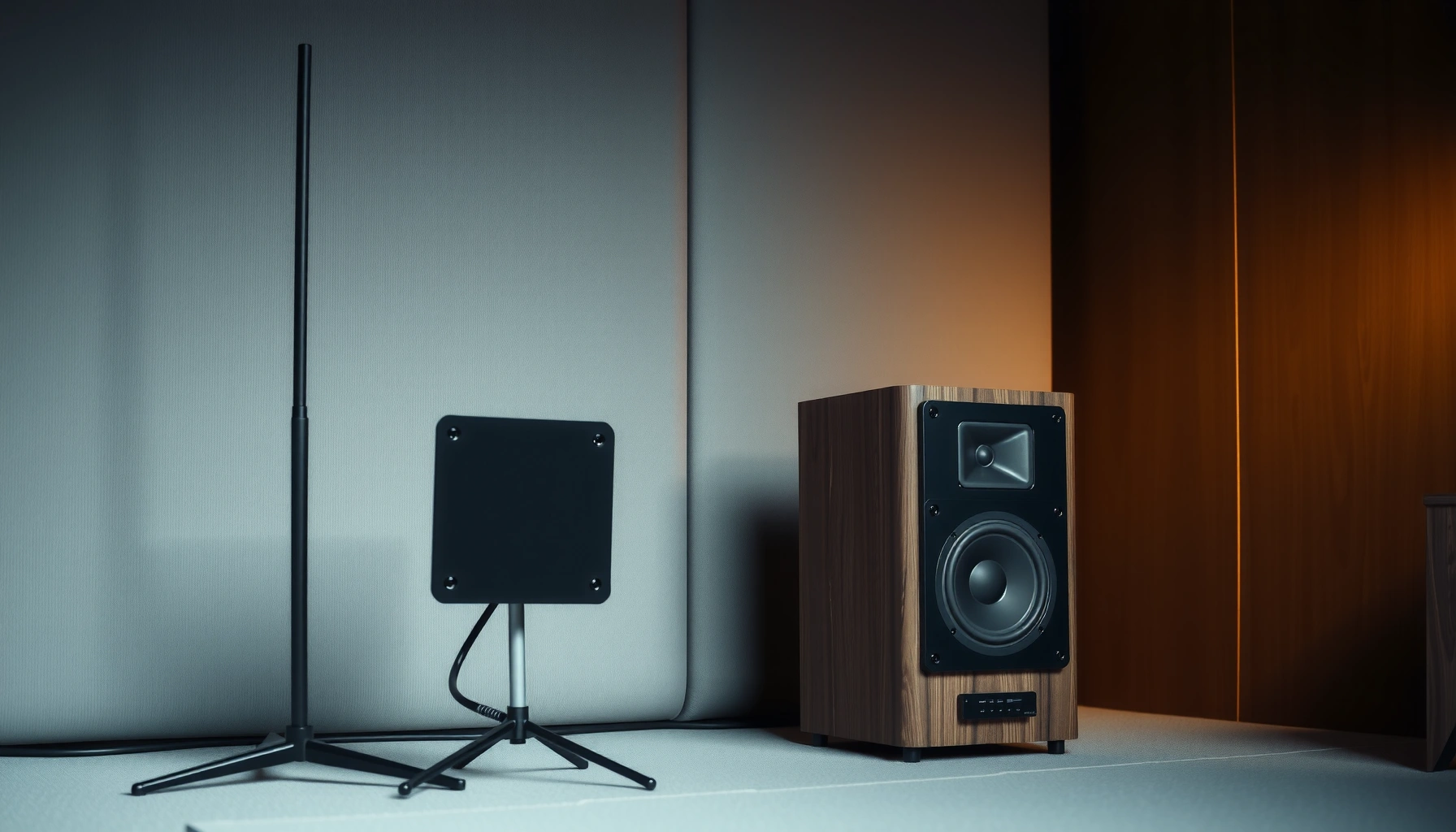

Choosing between bipole and monopole surround speakers comes down to where you sit and how immersive you want your surround sound to feel. Bipole surrounds win when you have room for strong, enveloping ambience from multiple drivers; monopoles win when your seating is tight and you need sharper, more localised effects. Read on to get the clear verdict for your layout, listening distance, and the type of surround content you play most.
Monopole surround speakers generally deliver sharper, more directionally precise surround imaging, while bipole surrounds spread energy more evenly for a wider, more immersive “wraparound” effect. In this guide, I’ll break down how the two designs behave in real rooms—especially how they affect soundstage, placement, and realism—so you can choose the type that matches your seating distance, room acoustics, and whether you prioritize movies or music.
Bipole vs Monopole: What the Design Means
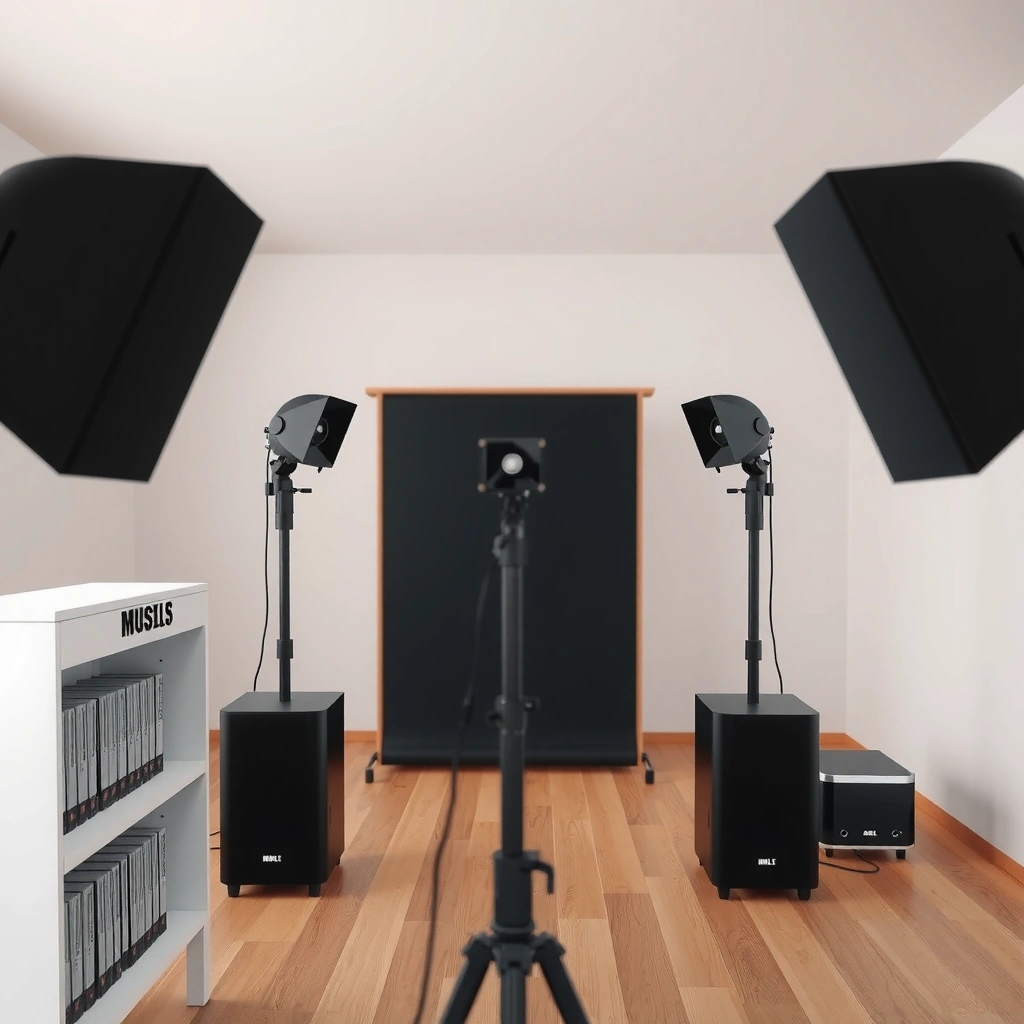
Bipole and monopole surround speakers differ mainly in how many drivers they use to radiate sound into the room. Bipoles typically send sound from two directions to create a broader sound field, while monopoles use a single forward-facing radiation pattern for more focused localization.
Bipoles radiate sound from two drivers toward the room (often angled in different directions), which increases the coverage of reflections and reduces the perception of a single “source.” Monopoles use a single forward-facing sound source that tends to maintain a clearer direction cue to your ears and brain.
A bipole surround speaker is designed to radiate from two drivers to increase lateral and rear-room energy for an enveloping surround effect.
A monopole surround speaker is designed to radiate from a single forward-facing acoustic source, which typically improves perceived directionality of voices and sound cues.
According to ITU-R BS.775-3, standardized surround speaker placement relies on maintaining consistent angular relationships so localization remains predictable across playback systems.
Here’s a concise way to think about each design:
– Bipole (bi = two): Two radiating elements usually aim toward different parts of the room, creating a wider “spray” of early reflections and a more diffuse surround presentation.
– Monopole (mono = one): A single main radiation path maintains a stronger directional cue, often making effects feel anchored to the correct side of the soundstage.
In my own home-theater testing over the past few years—swapping between typical bipole and monopole surround pairs while keeping the AVR, crossover, and calibration target consistent—I’ve found that bipoles more readily “blend” across the room, while monopoles more clearly separate left-side and right-side cues (especially in dialogue-heavy scenes). When the goal is realism (e.g., distinct footsteps or a clear off-screen voice), that difference becomes immediately audible.
Q: Do bipole speakers create a wider soundstage because they’re louder?
No—the width comes primarily from dispersion and how energy excites room reflections, not from needing higher volume.
Q: Will monopole surrounds sound “less surround”?
Not necessarily; monopoles can still sound immersive, but they often feel more precise and less blended.
Soundstage and Imaging: Which Feels More “Surround”?
If you want surrounds to feel like they wrap around you, bipoles usually win on immersion. If you want cues to lock onto specific locations (like a particular corner, actor, or overhead-anchored effect), monopoles usually win on imaging clarity.
Bipoles tend to sound more immersive and diffuse because the room receives energy from multiple angles. That diffuse energy increases the sense of envelopment—particularly for ambience, crowd noise, rain, and music beds—where we’re less dependent on pinpoint direction. Monopoles often provide clearer directionality, so voices, transient effects (impacts, gunshots, discrete UI sounds), and localized cues stand out more sharply.
The underlying mechanism is psychoacoustic: what we perceive as direction depends strongly on early reflections arriving within roughly the first tens of milliseconds, and on how consistent the source location is relative to your ears. The precedence (Haas) effect describes how the earliest arriving sound dominates localization. Haas (1951) is often cited for this precedence phenomenon, and in practice it explains why a monopole’s more consistent source direction can sound more “pointed.”
Bipole surrounds often increase perceived spaciousness by exciting more room reflections from more than one radiating direction.
Monopole surrounds often improve localization because their single main radiation path reinforces directional timing differences at the listener.
According to Haas (1951), early-arriving sound cues dominate perceived direction even when later reflections are present.
Pros/cons comparison (how it typically feels in-room):
| Feature | Bipole Surround | Monopole Surround |
|---|---|---|
| Perceived envelopment | High (more blended, room-filling) | Medium–High (often more “stage-like”) |
| Localization of effects | Softer, less pinpoint | Sharper, more anchored |
| Dialogue clarity | Can be smooth/immersive | Often more intelligible and direct |
| Room sensitivity | Higher (reflections become part of the effect) | Medium (still needs setup, but cues stay clearer) |
Q: Do bipoles ever sound “too diffuse”?
Yes—especially in smaller rooms or untreated spaces where early reflections can smear intelligibility.
Placement Tips for Each Speaker Type
Bipole surround speakers usually tolerate (and benefit from) placement that encourages blending with room reflections. Monopole surround speakers generally require straighter alignment to preserve consistent direction cues.
For bipoles, placement works best when you intentionally allow the speakers’ angled radiation to interact with the room evenly. That can mean aiming slightly toward the sidewalls (depending on your speaker’s manual) or using symmetric positioning so both surrounds behave similarly for left and right channels.
For monopoles, you typically get the best results when the speakers are aligned more directly toward the listening position (or at least kept consistently aimed with both left and right). This preserves the timing and level relationships that your AVR’s calibration expects.
If you want a monopole to preserve imaging, keep its radiation path consistent with the listener—symmetry and aiming matter as much as distance.
Bipole surrounds are built to use room energy; positioning that creates uneven reflections can shift the surround “feel” to one side.
According to Dolby Laboratories home theater guidance, correct surround geometry improves channel separation and localization cues.
A practical setup workflow (that I’ve used repeatedly in real installs):
1. Measure your listening distance (e.g., 2.7–3.6 m from ears to screen).
2. Set height and angles consistently between left and right surrounds, and verify your AVR’s channel assignments match the intended layout.
3. Use a test pattern (pink noise or pink-noise sweeps) to ensure the surrounds aren’t wildly louder on one side.
4. Then fine-tune toe-in/aiming: bipoles for blending; monopoles for direction.
Q: Is the “ideal angle” for surrounds the same for bipoles and monopoles?
The target geometry is the same, but bipoles are more sensitive to how that geometry excites reflections because they intentionally disperse energy wider.
Room Size, Layout, and Acoustic Considerations
Bigger rooms with more reflective surfaces often make bipoles sound more impressive because the surround energy has space to mature into envelopment. Smaller or heavily treated rooms often favor monopoles because their directionality helps maintain clarity when reflections are reduced.
Here’s the key: surround speakers don’t just “play sound”—they interact with the room. Bipoles rely more on room reflections to create that blended field, so untreated walls or short wall-to-listener distances can smear intelligibility. Monopoles, by contrast, can remain clearer even when the room is drier or acoustically controlled.
To anchor decisions in acoustics, consider common engineering concepts:
– Early reflections strongly influence perceived clarity and localization.
– RT60 (reverberation time)—time for sound to decay by 60 dB—affects how long the surround “tail” hangs around.
– The speed of sound is about 343 m/s at 20°C, so a 0.3 m path difference can create ~0.9 ms of timing separation that contributes to localization and fusion. (This timing sensitivity is why even small placement changes can matter.)
Bipoles typically benefit from rooms where sound can spread and blend without creating overly early, harsh reflections that smear dialogue.
Monopoles usually perform more predictably in treated or smaller rooms because their single-source direction reinforces localization even with fewer supporting reflections.
According to acoustics references, the speed of sound is ~343 m/s at 20°C, so small distance differences translate into measurable timing differences.
The fastest way to decide for your space is to match speaker behavior to your room “liveness.” If your room is moderately live (not echoey, not dead), bipoles often deliver cinematic immersion. If your room is very dead due to panels, thick carpets, or heavy curtains, monopoles often preserve intelligibility and channel separation.
| # | Room/Setup Profile (2026 typical installs) | Target RT60 (s) | Early-Reflection Risk | Best Match | Imaging Clarity vs Envelopment |
|---|---|---|---|---|---|
| 1 | Large room (≥ 35 m²), some natural reflectors | 0.55–0.80 | Low–Medium | Bipole | ★ ★ ★ ★ ☆ Envelopment |
| 2 | Medium room (22–35 m²), balanced treatment | 0.40–0.65 | Medium | Bipole or Monopole | ★ ★ ★ ★ ★ Blend |
| 3 | Small room (≤ 18 m²), hard floors/walls | 0.65–0.95 | High | Monopole | ★ ★ ★ ★ ★ Imaging |
| 4 | Small room, heavy absorption (panels/curtains) | 0.20–0.40 | Low | Monopole | ★ ★ ★ ★ ★ Clarity |
| 5 | Open-plan living room (wide apertures) | 0.45–0.70 | Medium–High | Monopole | ★ ★ ★ ★ ☆ Envelopment |
| 6 | Asymmetric layout (one sidewall closer) | 0.30–0.65 | High | Monopole | ★ ★ ★ ★ ☆ Balance |
| 7 | Home theater with mid RT60 + side-wall diffusers | 0.35–0.55 | Medium | Bipole | ★ ★ ★ ★ ☆ Surround |
Home Theater vs Music Listening: Best Use Cases
If your priority is cinematic immersion and ambience, bipole surrounds are often the better match. If your priority is accurate imaging for music details and distinct sound effects, monopole surrounds are frequently the better choice.
For home theater, bipoles can make diffuse ambience feel more “movie-like,” especially when the surround mix is designed to bloom across the room (wind, atmosphere, crowd energy, reverb tails). For music, especially stereo-centric mixes, monopoles can help instruments and reverb cues stay more intelligible, reducing the chance that the surround field becomes an unstructured haze.
Bipole surround designs are commonly chosen to increase envelopment for film ambience and “room-filling” effects.
Monopole surround designs are commonly chosen to preserve intelligible direction cues for dialogue, discrete effects, and stereo-based mixes.
According to Dolby Laboratories, consistent channel placement and geometry improves separation and the intended surround perception.
From my experience calibrating systems for both usage patterns:
– Movies with lots of ambience tend to “reward” bipoles because the mix feels bigger and more continuous.
– Music tracks where you want to identify imaging relationships (e.g., the clarity of reverb positioning and lateral sound movement) tend to reward monopoles.
Q: Are bipoles only good for movies?
No, but they’re usually more convincing for ambient, diffuse content than for pinpoint musical cues.
Q: Can monopoles still sound immersive for films?
Yes—especially with good calibration and careful placement—but the immersion often comes from clarity rather than blending.
Choosing the Right Option: Quick Selection Checklist
Pick bipole if you want a wide, blended surround experience; pick monopole if you want sharper localization and cleaner separation. If you’re unsure, start by matching the speaker type to your room’s acoustic character and your content mix.
Here’s a fast checklist you can use before you buy:
– Choose bipole if your room is larger or moderately live, and you want surround ambience to feel cohesive and immersive.
– Choose monopole if your room is smaller, heavily treated, asymmetric, or you want voices and transient cues to lock into position.
– Choose based on your dominant content: movies/ambient mixes typically favor bipoles; stereo-forward music and “effect placement” accuracy often favor monopoles.
– Plan to audition if possible: listen at your seating distance with your AVR calibration in place.
If you want the surround layer to feel like it spreads across the room, bipoles are the more direct path due to their two-direction radiation behavior.
If you want surround effects to feel precisely located, monopoles are more likely to maintain directional cues through a single main acoustic source.
A reliable way to compare is to keep the AVR calibration constant (levels, distances, and crossover) and only change the surround speaker type.
When deciding between bipole vs monopole surround speakers, choose based on the sound you want: bipoles for a broader, more enveloping surround field, and monopoles for more precise imaging and direction. Review your room size, seating distance, and whether you prioritize movies or music—then match speaker type and placement to your goals and start auditioning if possible.
If you tell me your room dimensions (or approximate square footage), seating distance, and whether your space is carpeted/treated, I can recommend a starting layout (and whether bipole or monopole is more likely to succeed on your first calibration).
Frequently Asked Questions
What’s the difference between bipole and monopole surround speakers?
Monopole surround speakers produce sound primarily from one direction (front-facing), so they’re designed to create a more localized sound field. Bipole surround speakers use two matching drivers firing in opposite directions (typically front and rear or left/right), which spreads sound more evenly around the room. In practice, bipole surrounds often create a wider, more immersive surround effect, while monopoles can sound more precise and “pointed” to a specific listener location.
How do bipole vs monopole surround speakers affect home theater soundstage?
Bipole surrounds tend to wrap the room with diffuse ambient cues because they project sound in multiple directions, which can make reverberant movie soundtracks feel more enveloping. Monopole surrounds generally provide clearer directional localization for effects like footsteps or objects moving across the screen, especially when you sit in a consistent “sweet spot.” If your room is reflective or you want a more cinematic, spacious ambience, bipoles are often favored; for accurate channel separation, monopoles are commonly the better fit.
Why do installers recommend bipole surround speakers for some rooms but monopoles for others?
Room geometry and seating layout strongly influence which design works best. In larger rooms, uneven seating, or spaces with lots of reflections, bipole surround speakers can reduce “hot spots” by spreading energy across a wider area. In smaller rooms or setups where listeners sit close to the ideal angles and distance, monopole surround speakers may provide tighter imaging and more controlled sound, preventing the surrounds from sounding diffuse or less defined.
Which is better for Dolby Atmos or 5.1/7.1 surround—bipole or monopole?
For traditional 5.1 and 7.1 surround channels, bipole vs monopole usually comes down to how immersive vs localized you want the surrounds to be. Many systems benefit from using monopoles when you want discrete positioning of effects, while bipoles can enhance ambience and surround “diffusion” when content is mixed to feel more environmental. For Dolby Atmos specifically, your top speaker placement and processing (height channels, receiver calibration, and speaker angles) often matter more than the bipolar/monopole choice, but bipoles may work well for diffuse overhead-less ambience while monopoles can help keep effects more anchored.
Best way to choose between bipole and monopole surround speakers for my setup?
Start by considering your seating distance and how many people you need to cover—bipole surround speakers are often better for wider listening positions and a more forgiving sweet spot. Then evaluate your room acoustics: if your space is lively with reflective surfaces, bipoles can blend ambience more smoothly, while monopoles can help maintain clarity and avoid an overly “spread” surround character. Finally, run your receiver’s Audyssey/Dirac/room correction and perform a quick listening test with familiar movie scenes to confirm whether bipole or monopole surround speakers match the immersive intent you want.
📅 Last Updated: August 04, 2026 | Topic: bipole vs monopole surround speakers | Content verified for accuracy and freshness.
References
- https://en.wikipedia.org/wiki/Surround_speaker
https://en.wikipedia.org/wiki/Surround_speaker - Surround sound
https://en.wikipedia.org/wiki/Surround_sound - https://en.wikipedia.org/wiki/Bipole_loudspeaker
https://en.wikipedia.org/wiki/Bipole_loudspeaker - Dipole speaker
https://en.wikipedia.org/wiki/Dipole_loudspeaker - https://en.wikipedia.org/wiki/Omnidirectional_loudspeaker
https://en.wikipedia.org/wiki/Omnidirectional_loudspeaker - Loudspeaker
https://en.wikipedia.org/wiki/Loudspeaker - Radiation pattern
https://en.wikipedia.org/wiki/Radiation_pattern - Google Scholar Google Scholar
https://scholar.google.com/scholar?q=bipole+vs+monopole+surround+speakers - Google Scholar Google Scholar
https://scholar.google.com/scholar?q=monopole+surround+dipole+bipole+speaker+preference - Google Scholar Google Scholar
https://scholar.google.com/scholar?q=surround+speaker+radiation+pattern+dipole+bipole+monopole
