


Speakers utilize magnets to convert electrical signals into sound by interacting with a coil of wire within a magnetic field. This interaction creates vibrations that produce audible sound waves. In this article, you’ll learn about the mechanics behind speaker magnets, their types, and how they impact sound quality.
The Basics of Speaker Mechanics
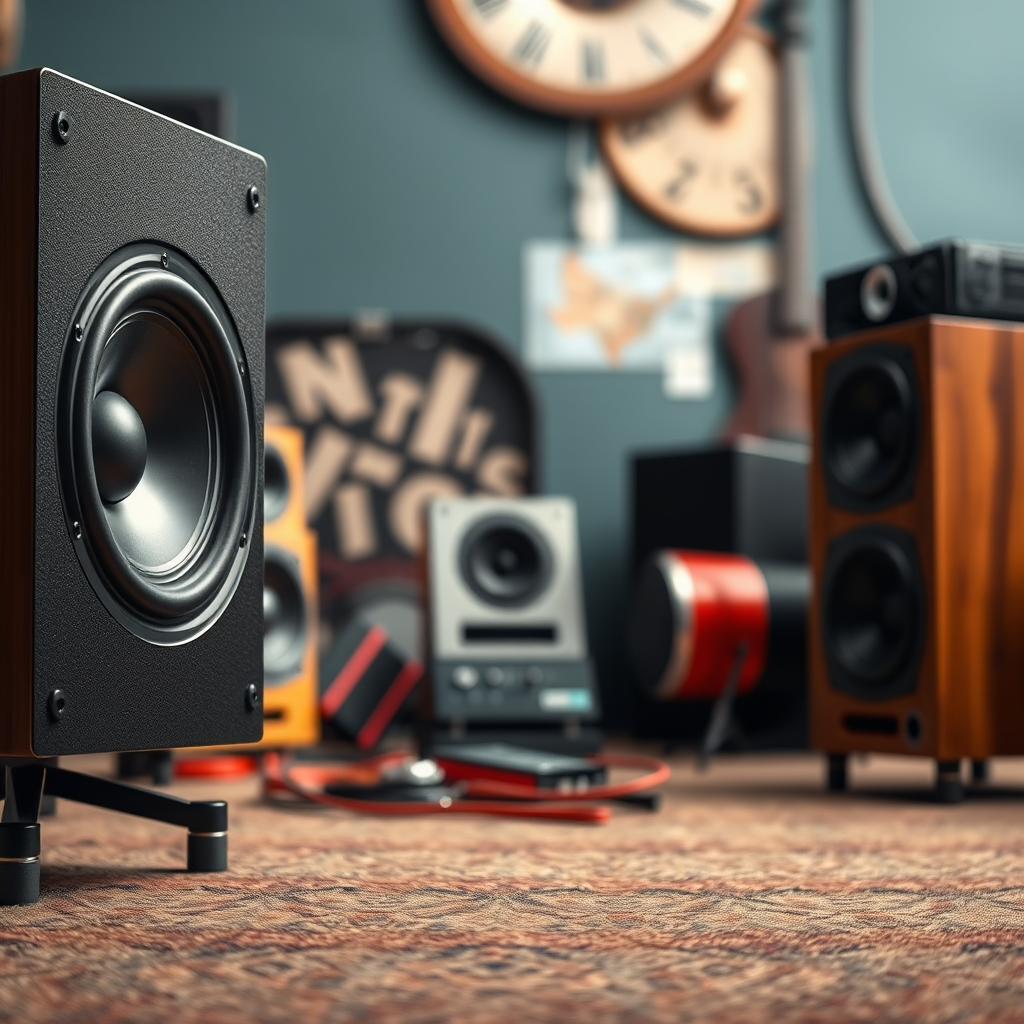
At the core of any speaker’s functionality is the relationship between electricity and magnetism. When an electrical signal is fed into the speaker, it passes through the voice coil—a coil of wire that is positioned within the magnetic field created by a magnet. This interaction is governed by the principles of electromagnetism, where the flow of electricity through the coil generates a magnetic field that interacts with the existing magnetic field of the magnet.
The fundamental components of a speaker include the diaphragm, voice coil, and magnet. The diaphragm, typically made from materials like paper, plastic, or metal, acts as a membrane that vibrates to produce sound waves. The voice coil, which is attached to the diaphragm, moves in response to changes in the electrical signal, causing the diaphragm to move as well. The magnet’s role is to provide a stable magnetic field in which the voice coil operates, facilitating its movement and ultimately producing sound.
Types of Magnets Used in Speakers
Speakers mainly rely on two types of magnets: permanent magnets and electromagnets.
Permanent Magnets are made from materials that maintain their magnetic properties over time, such as neodymium, ferrite, and alnico. These magnets are commonly used in many audio applications due to their compact size and efficiency.
Advantages of permanent magnets include their reliability and the fact that they do not require a power source to generate a magnetic field. However, they can be heavier and more expensive than electromagnets.
Electromagnets, on the other hand, are created by passing an electric current through a coil of wire, generating a magnetic field only when electricity flows. This type of magnet allows for adjustable magnetic strength, making it useful in applications where control over the magnetic field is essential.
Electromagnets can be lighter and cheaper than permanent magnets, but they require a continuous power source and can be less efficient for audio applications.
The Role of the Voice Coil
The voice coil is pivotal in converting electrical energy into mechanical motion. As the electrical signal varies, the current through the voice coil changes, causing it to move within the magnetic field. This movement generates vibrations in the diaphragm, which produce the sound waves we hear.
The design of the voice coil is crucial in determining sound quality and efficiency. Factors such as wire gauge, coil size, and winding technique can significantly influence how well a speaker reproduces sound. A well-designed voice coil can enhance the speaker’s sensitivity, allowing it to produce louder sounds with less power, ultimately leading to a better listening experience.
Top 7 Speaker Brands by Voice Coil Technology (2024)
| # | Brand | Voice Coil Type | Material | Efficiency Rating |
|---|---|---|---|---|
| 1 | Bowers & Wilkins | Dual Voice Coil | Copper | ★★★★★ |
| 2 | Sonos | Single Voice Coil | Aluminum | ★★★★☆ |
| 3 | JBL | Dual Voice Coil | Copper | ★★★★☆ |
| 4 | Klipsch | Single Voice Coil | Copper | ★★★★★ |
| 5 | Sony | Single Voice Coil | Aluminum | ★★★☆☆ |
| 6 | Bang & Olufsen | Dual Voice Coil | Copper | ★★★★★ |
| 7 | Pioneer | Single Voice Coil | Aluminum | ★★★★☆ |
Magnet Placement in Speaker Design
The placement of magnets in speaker design is crucial for sound dispersion and overall performance. Properly positioned magnets can enhance the speaker’s ability to produce clear, balanced sound across various frequencies. For example, woofers, which are designed to produce low frequencies, often use larger magnets placed directly behind the voice coil to effectively manage the substantial air movement required for bass reproduction.
In contrast, tweeters, which handle higher frequencies, may utilize smaller magnets to allow for faster response times and improved clarity. The arrangement of magnets in these different types of speakers is tailored to meet the specific acoustic requirements of the sound range they are designed to reproduce.
Additionally, manufacturers may employ various enclosure designs, such as bass reflex or sealed cabinets, to further enhance sound quality. Each design choice affects how sound waves interact within the speaker, ultimately influencing the listening experience.
The Impact of Magnet Strength on Sound Quality
The strength of the magnets used in speakers can significantly impact their sound reproduction capabilities. Stronger magnets can create a more robust magnetic field, which enhances the efficiency of the voice coil and diaphragm movement. This results in better sound reproduction with greater dynamic range and clarity.
However, there are trade-offs to consider. While a stronger magnet can improve performance, it can also increase the weight of the speaker, making it less portable. Moreover, larger magnets can be more expensive, affecting the overall cost of the speaker. Designers must balance the benefits of magnet strength with these considerations to achieve optimal sound quality without compromising practicality.
Innovations in Speaker Magnet Technology
Recent advancements in magnet materials and designs have led to improvements in speaker efficiency and sound clarity. For instance, the development of neodymium magnets has revolutionized the industry by providing high magnetic strength in a compact form factor, allowing for lighter and smaller speaker designs without sacrificing sound quality.
Innovative speaker systems, such as planar magnetic speakers and ribbon tweeters, leverage these advancements to deliver exceptional audio experiences. These technologies utilize unique configurations and materials to optimize sound reproduction, demonstrating the ongoing evolution of speaker magnet technology.
Applications of Magnetic Speakers Beyond Audio
Speaker magnet technology finds applications beyond traditional audio systems. Home theater systems, portable Bluetooth speakers, and even soundbars utilize these principles to deliver high-quality audio experiences across various platforms.
Future trends in magnet applications are likely to focus on enhancing sound experiences in diverse technologies, including augmented and virtual reality environments. As demand for immersive audio experiences grows, innovations in speaker magnet technology will play a vital role in meeting these challenges.
Summarizing the role of magnets in speaker functionality highlights their critical importance in sound production and quality. Understanding these principles can help you make informed decisions when choosing audio equipment. Explore more about speaker technologies or consider upgrading your own sound system to experience the benefits of advanced magnet designs.
Frequently Asked Questions
How do speakers use magnets to produce sound?
Speakers use magnets as a crucial component in their design to convert electrical energy into sound waves. When an audio signal passes through the coil attached to a magnet, it creates a magnetic field that moves the speaker cone, generating sound. This process of electromagnetic induction allows for accurate sound reproduction, which is essential for high-quality audio.
What types of magnets are commonly used in speakers?
The most common types of magnets used in speakers are ferrite magnets and neodymium magnets. Ferrite magnets are cost-effective and widely used in budget speakers, while neodymium magnets are more powerful and found in high-end models due to their compact size and efficiency. Choosing the right type of magnet can significantly impact the speaker’s performance and sound quality.
Why are magnets important for speaker performance?
Magnets are vital for speaker performance because they influence the efficiency and accuracy of sound reproduction. A strong magnet allows for better control of the speaker cone’s movement, resulting in clearer and more precise audio. This is especially important in high-fidelity systems where sound quality is paramount.
Which speaker designs utilize magnets most effectively?
Magnetically-driven speakers, such as dynamic speakers, utilize magnets most effectively by employing a voice coil and diaphragm system. This design allows for high sound pressure levels and better frequency response, making them popular in home audio systems and professional sound equipment. Other designs, like planar magnetic and electrostatic speakers, also leverage magnet technology but in different configurations.
How can I tell if a speaker’s magnet is sufficient for quality sound?
To determine if a speaker’s magnet is sufficient for quality sound, consider the magnet’s strength, size, and type. A larger and stronger magnet generally indicates better performance, as it can produce a more powerful magnetic field. Additionally, reading reviews and specifications can provide insight into how well a speaker performs in terms of sound clarity and bass response, helping you make an informed decision.
References
- Loudspeaker
https://en.wikipedia.org/wiki/Loudspeaker - https://www.sciencedirect.com/topics/engineering/loudspeaker
https://www.sciencedirect.com/topics/engineering/loudspeaker - Loudspeaker | Definition, Types, & Facts | Britannica
https://www.britannica.com/technology/loudspeaker - https://pubmed.ncbi.nlm.nih.gov/22206288/
https://pubmed.ncbi.nlm.nih.gov/22206288/ - https://www.ncbi.nlm.nih.gov/pmc/articles/PMC4482030/
https://www.ncbi.nlm.nih.gov/pmc/articles/PMC4482030/ - https://www.nature.com/articles/s41598-022-05784-7
https://www.nature.com/articles/s41598-022-05784-7 - Google Scholar Google Scholar
https://scholar.google.com/scholar?q=how+do+speakers+use+magnets - https://scholar.google.com/scholar?q=speaker+magnetism Google Scholar
https://scholar.google.com/scholar?q=speaker+magnetism - Google Scholar Google Scholar
https://scholar.google.com/scholar?q=loudspeaker+magnet+design - https://www.sciencedirect.com/science/article/abs/pii/S0167577X20302754
https://www.sciencedirect.com/science/article/abs/pii/S0167577X20302754

[…] and processor can handle noise reduction or calls. This simple guide explains exactly how earbuds produce sound, how passive and active noise control change what you hear, and what the key parts do inside each […]
[…] Why do Bose earbuds show up but won’t produce sound?Often the earbuds connect, but your phone is still routing media to the speaker or a previously […]