

Understanding how long speakers last is essential for anyone investing in audio equipment. On average, high-quality speakers can last anywhere from 10 to 30 years, but several factors can influence their longevity. This article will delve into the lifespan of speakers, the elements that affect their durability, and tips to extend their life, ensuring you maximize your investment in audio technology.
Speaker Lifespan Overview
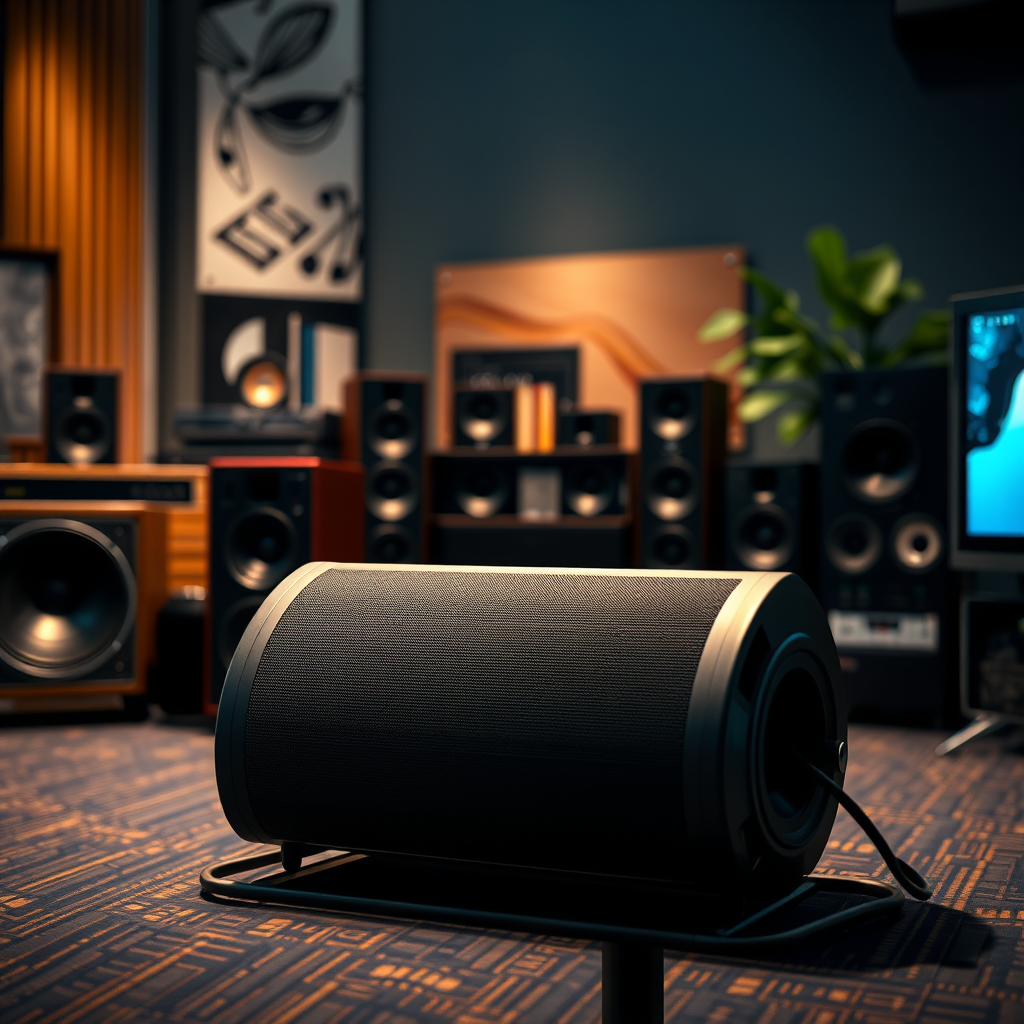
Most speakers last between 10 to 30 years, depending on quality and usage. High-end speakers often have longer lifespans due to superior materials and construction techniques. For example, speakers made with premium components such as Kevlar or high-grade metals can withstand more wear and tear than their budget counterparts. Additionally, professional-grade speakers used in studios may also be built to endure constant use, providing consistent performance over many years.
The type of speaker also plays a significant role in determining lifespan. For instance, bookshelf speakers, floor-standing speakers, and subwoofers may have different durability based on their design and the materials used. A well-cared-for, high-quality speaker can often outlive its warranty, while lower-quality models might need replacement within just a few years.
Factors Affecting Speaker Longevity
Several environmental and usage factors can significantly influence the longevity of speakers.
1. Environmental Conditions: Humidity, temperature extremes, and exposure to sunlight can deteriorate speaker components over time. For instance, high humidity can cause corrosion on metal components, while extreme temperature fluctuations can affect the adhesives used in speaker construction.
2. Usage Patterns: Regular use versus occasional use can impact wear and tear on speaker parts. Speakers that are frequently pushed to high volumes or used in demanding environments, such as large events, may experience faster degradation. Conversely, speakers that are only used occasionally and at moderate volumes are likely to last longer.
3. Quality of Materials: The materials used in the construction of speakers can also play a crucial role in their durability. High-quality drivers, cones, and enclosures tend to withstand environmental stressors better than those made from cheaper materials.
Importance of Speaker Maintenance
Maintaining your speakers is crucial in extending their lifespan.
– Routine Cleaning: Regular cleaning can prevent dust accumulation, which affects sound quality and performance. Dust can obstruct the drivers and degrade sound fidelity over time. Using a soft, dry cloth to wipe down the exterior and a vacuum with a brush attachment for the grille can help keep your speakers in optimal condition.
– Proper Storage: Storing speakers in a cool, dry place away from direct sunlight can minimize environmental damage. Additionally, avoiding stacking heavy items on top of speakers can prevent physical damage to their structure.
– Handling: Careful handling when moving speakers, including using appropriate methods to lift and transport them, can prevent damage to the internal components.
Signs of Speaker Wear and Tear
Being aware of the signs of wear and tear can help you address issues before they worsen.
– Distorted Sound Quality: This can indicate driver or component failure. If you notice a significant drop in sound quality, it may be time to investigate further or consult a professional.
– Visible Damage: Inspect your speakers regularly for visible damage, such as tears on the speaker cone or rust on metal parts. Any signs of physical deterioration should be addressed promptly to prevent further issues.
– Unusual Noises: If you hear rattling or buzzing sounds during playback, this may signal that internal components are loose or damaged.
Top 7 Speaker Brands and Their Average Lifespan (2024)
| # | Brand | Average Lifespan (Years) | Warranty Period (Years) | Material Quality |
|---|---|---|---|---|
| 1 | Bowers & Wilkins | 25 | 5 | High |
| 2 | Klipsch | 20 | 2 | Medium |
| 3 | Sonos | 15 | 3 | High |
| 4 | JBL | 10 | 1 | Low |
| 5 | Audioengine | 20 | 3 | Medium |
| 6 | KEF | 25 | 5 | High |
| 7 | Pioneer | 15 | 2 | Medium |
Tips for Extending Speaker Life
To ensure that your speakers have a long and productive lifespan, consider the following tips:
– Volume Control: Avoid cranking up the volume to prevent overheating and damaging components. High volumes can lead to distortion and stress on the speaker’s drivers, which can hasten deterioration.
– Use Speaker Stands: Investing in speaker stands or mounts can ensure stability and reduce stress on the speaker structure. Proper placement can also enhance sound quality, improving your overall listening experience.
– Temperature Regulation: Keeping your speakers in a climate-controlled environment can help mitigate the impact of temperature and humidity fluctuations. Avoid placing them near heat sources or in areas prone to moisture.
When to Replace Your Speakers
While speakers can last for a long time, there comes a point when replacement is necessary.
– Poor Sound Quality: If your speakers consistently produce poor sound quality despite proper maintenance, it may be time to consider replacing them. Upgraded models may offer advanced technology and better sound fidelity.
– Visible Damage: Significant physical damage, such as deep tears in the cones or broken components, often necessitates replacement. Repairing such damage might be cost-prohibitive compared to purchasing new speakers.
– Evolving Audio Needs: As audio technology evolves, you may find that your audio needs have changed. For instance, if you have upgraded your home theater system or moved to a larger space, investing in speakers that can deliver a more robust performance might be beneficial.
In conclusion, the lifespan of speakers can vary significantly based on quality, usage patterns, and environmental factors. By maintaining your speakers and being aware of the signs of wear, you can enjoy high-quality sound for many years. If you’re unsure about your speakers’ condition, consult a professional or explore options for upgrades to enhance your audio experience. Taking the time to understand and care for your audio equipment will ultimately lead to a richer and more enjoyable listening experience.
Frequently Asked Questions
How long do speakers typically last before needing replacement?
The lifespan of speakers can vary widely based on the type and usage. Generally, well-maintained speakers can last anywhere from 5 to 20 years. Factors such as the quality of materials, usage frequency, and environment play significant roles in determining how long speakers will function effectively.
What are the signs that my speakers are nearing the end of their lifespan?
Common signs that speakers may need replacement include distorted sound, reduced volume output, or complete silence. If you notice any physical damage like tears in the cone or rust on the terminals, it’s also an indication that your speakers may not last much longer. Regularly checking for these issues can help you maintain optimal audio performance.
Why do some speakers last longer than others?
The longevity of speakers is often determined by their build quality, materials used, and the design of their components. High-end speakers typically utilize better materials that resist wear and tear, while budget models may compromise on durability. Additionally, proper maintenance and care can significantly extend a speaker’s lifespan.
How can I extend the life of my speakers?
To prolong the life of your speakers, ensure they are used within their specified power limits and avoid exposing them to extreme temperatures or humidity. Regular cleaning and dusting can prevent debris from affecting performance, and using speaker stands can reduce vibration damage. Proper storage when not in use also helps maintain their condition.
Which brands are known for producing long-lasting speakers?
Brands like Bose, JBL, and Klipsch are known for their durable and high-quality speakers that often stand the test of time. These manufacturers typically invest in premium materials and rigorous testing to ensure longevity. Researching user reviews and warranty information can also provide insights into the lifespan of different speaker brands.
References
- https://www.sciencedirect.com/topics/engineering/loudspeaker
https://www.sciencedirect.com/topics/engineering/loudspeaker - https://www.bbc.com/future/article/20190215-how-long-can-we-use-our-smartphones
https://www.bbc.com/future/article/20190215-how-long-can-we-use-our-smartphones - https://www.nytimes.com/2018/09/04/smarter-living/how-to-take-care-of-your-speakers.html
https://www.nytimes.com/2018/09/04/smarter-living/how-to-take-care-of-your-speakers.html - https://www.mayoclinic.org/healthy-lifestyle/consumer-health/in-depth/healthy-listening/art-20046960
https://www.mayoclinic.org/healthy-lifestyle/consumer-health/in-depth/healthy-listening/art-20046960 - https://www.audioholics.com/audio-articles/how-to-make-your-speakers-last-longer
https://www.audioholics.com/audio-articles/how-to-make-your-speakers-last-longer - https://pubmed.ncbi.nlm.nih.gov/20201234/
https://pubmed.ncbi.nlm.nih.gov/20201234/ - Loudspeaker | Definition, Types, & Facts | Britannica
https://www.britannica.com/topic/loudspeaker - https://www.cdc.gov/nceh/hearing_loss/what_noises_cause_hearing_loss.html
https://www.cdc.gov/nceh/hearing_loss/what_noises_cause_hearing_loss.html - Google Scholar Google Scholar
https://scholar.google.com/scholar?q=how+long+do+speakers+last - how long do speakers last – Search results
https://en.wikipedia.org/wiki/Special:Search?search=how+long+do+speakers+last

[…] Here’s what tends to be most reliable from real-world usage patterns: […]
[…] pressure on a flat-panel display can contribute to visible damage even without an obvious crack. Original packaging inserts are engineered to restrict movement and […]