
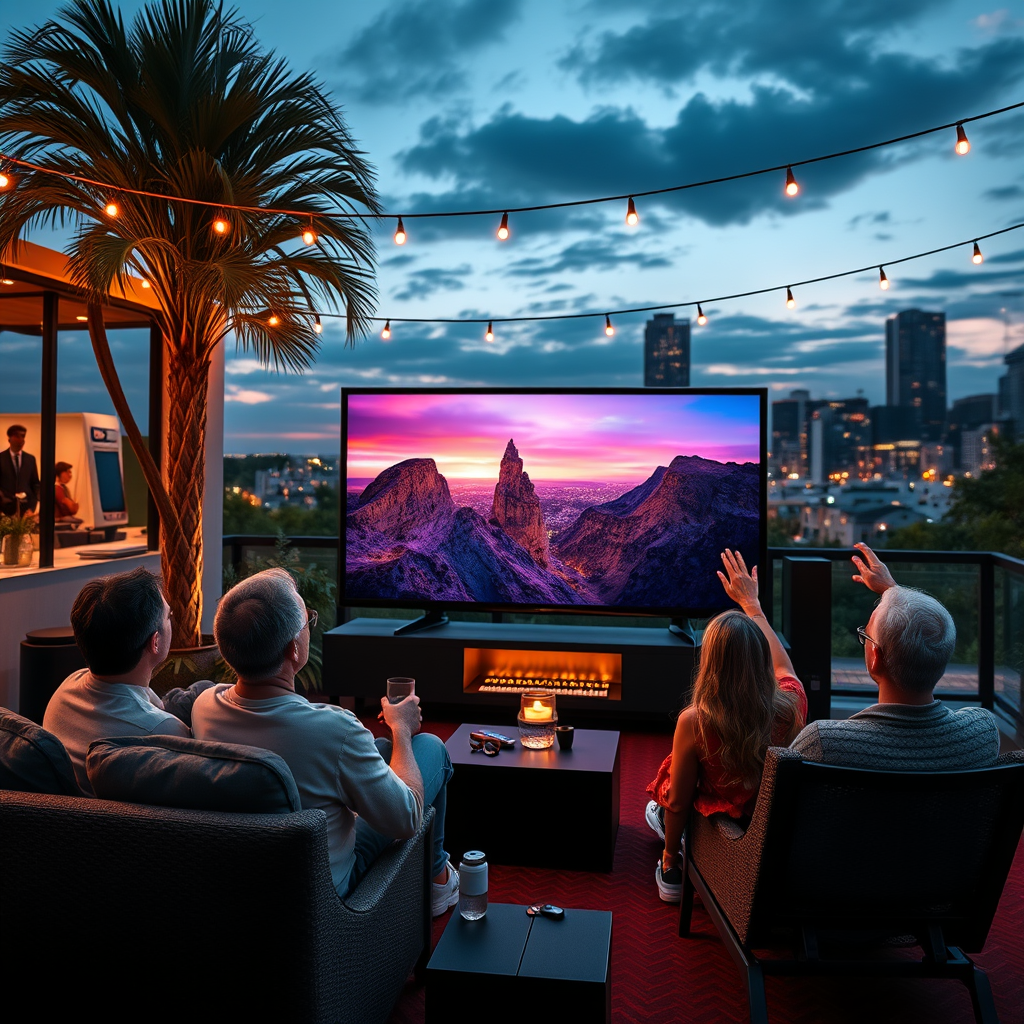

Using a regular TV outdoors may seem feasible, but it’s not recommended without precautions. Standard televisions are not designed to withstand outdoor elements like moisture, temperature fluctuations, and direct sunlight. This leads to potential damage and reduced viewing quality. In this article, you’ll learn why regular TVs are unsuitable for outdoor use and what alternatives exist, ensuring you make informed decisions for your outdoor entertainment needs.
Understanding the Risks of Outdoor Use
Regular televisions are inherently vulnerable to various weather conditions, including rain, humidity, and extreme temperatures. Moisture can seep into the internal components of a TV, leading to short circuits and irreversible damage. Additionally, outdoor environments often have fluctuating temperatures, which can affect electronic parts, causing them to expand and contract, leading to cracks or failures.
Exposure to direct sunlight is another significant risk. The glare from the sun can severely hinder visibility, making it nearly impossible to enjoy your favorite shows. Over time, prolonged exposure can lead to screen burn-in or fading, diminishing the display quality. Furthermore, UV rays can degrade the materials used in standard TVs, leading to accelerated wear and tear.
The Importance of Weather Resistance
Weather-resistant TVs are specifically engineered to handle the challenges posed by outdoor conditions. Unlike standard models, these televisions come equipped with features designed to enhance durability and functionality. For instance, they often have higher brightness levels, making them visible even in bright daylight. Anti-glare screens are another common feature, which helps to minimize reflections and improve viewing comfort.
Additionally, weatherproof enclosures protect the internal electronics from moisture and dust, ensuring longevity. Many outdoor TVs are also designed to withstand a range of temperatures, making them suitable for use in both hot summers and chilly winters. This level of resilience not only provides peace of mind but also enhances the overall viewing experience.
Alternative Solutions for Outdoor Viewing
If you’re contemplating outdoor viewing, consider the following alternatives:
1. Outdoor-Specific TVs: Investing in a television designed for outdoor use can save you from the headaches associated with standard models. Brands like SunBriteTV and SkyVue specialize in outdoor televisions that combine durability with high-quality performance.
2. Weatherproof Covers: For those who already own a regular TV, using a weatherproof cover is a practical solution. These covers can shield your television from moisture and dust when it’s not in use, extending its lifespan.
3. Portable Projectors: For a unique and flexible outdoor viewing experience, portable projectors can be an excellent option. They allow you to create a cinema-like atmosphere in your backyard while being easy to set up and store.
Comparison of Outdoor TVs and Regular TVs
Comparison of Outdoor TVs vs Regular TVs
| # | Feature | Outdoor TV | Regular TV |
|---|---|---|---|
| 1 | Weatherproof | Yes | No |
| 2 | Anti-Glare Screen | Yes | No |
| 3 | High Brightness | Yes | No |
| 4 | Temperature Resistant | Yes | Limited |
| 5 | Warranty | 2-3 Years | 1 Year |
| 6 | Viewing Angle | Wide | Narrow |
| 7 | Price Range | $1,500 – $5,000 | $300 – $1,500 |
Tips for Outdoor TV Setup
To maximize your outdoor viewing experience, consider these setup tips:
1. Choose a Shaded Area: Placing your TV in a shaded location can significantly reduce the risk of glare and overheating. Consider using outdoor structures like pergolas or canopies to shield your television from direct sunlight.
2. Ensure Proper Ventilation: Electronic devices generate heat, and outdoor environments can exacerbate this. Make sure that the TV has adequate airflow around it to prevent overheating. Avoid placing it in enclosed spaces without ventilation.
3. Secure Mounting: If you’re mounting your TV, use a sturdy mount designed for outdoor use to ensure stability in windy conditions. Additionally, consider using a lock to secure the TV against theft.
4. Cable Management: Use weather-resistant cables and secure them to prevent any tripping hazards. Protect electrical connections with waterproof electrical boxes to avoid moisture-related issues.
Maintenance and Care for Outdoor Electronics
Proper maintenance is key to extending the lifespan of your outdoor electronics. Regularly check for moisture buildup and clean the unit to prevent corrosion. Use a soft, dry cloth to wipe down the screen and remove any dirt or debris.
If you’re using a regular TV outdoors, it’s advisable to store it indoors when not in use, particularly during inclement weather. This not only protects it from potential damage but also helps maintain its performance over time. Regularly inspect cables and connections for signs of wear or exposure to the elements.
Budget-Friendly Options for Outdoor Viewing
Exploring budget-friendly options for outdoor viewing doesn’t mean compromising on quality. Consider the following strategies:
1. Refurbished Outdoor TVs: Look for refurbished models from reputable retailers. These can provide significant savings while still offering the durability needed for outdoor use.
2. DIY Solutions: If you’re handy, you can create protective enclosures using weather-resistant materials. Building a custom frame or cabinet can also enhance the aesthetic appeal of your outdoor space.
3. Portable Solutions: Invest in a portable projector instead of a large screen TV. This option is often more affordable and can be set up for special occasions without requiring a permanent installation.
In summary, while a regular TV can technically be used outdoors, it’s not advisable due to the risk of damage from elements and reduced viewing quality. For the best experience, consider investing in an outdoor-specific television or protective measures. Take the time to research your options and ensure your outdoor viewing setup is both enjoyable and safe. By understanding the risks, exploring alternatives, and implementing proper care, you can create an outdoor entertainment space that enhances your lifestyle and provides lasting enjoyment.
Frequently Asked Questions
Can a regular TV be used outdoors in direct sunlight?
A regular TV is not designed for outdoor use, especially in direct sunlight, as it can suffer from glare, overheating, and potential damage from UV rays. For optimal viewing and longevity, consider using a weatherproof outdoor TV that is specifically built to withstand outdoor conditions and has anti-glare technology.
How can I protect my regular TV if I want to use it outside?
If you decide to use a regular TV outdoors, ensure it is kept in a shaded area and covered with a protective tarp or enclosure when not in use. Additionally, using a TV cover designed for outdoor use can help protect it from moisture, dust, and insects, although it’s still advisable to bring the TV indoors after use.
Why should I consider an outdoor TV instead of using my regular TV outside?
Outdoor TVs are built with specialized materials that resist weather elements, have brighter screens for better visibility in sunlight, and often come with enhanced durability features. Investing in an outdoor TV ensures better performance and longevity, making it a more practical choice for outdoor entertainment.
What features should I look for in an outdoor TV?
When choosing an outdoor TV, look for features such as high brightness levels, anti-reflective screens, weatherproof enclosures, and robust connectivity options. Additionally, consider models with wide viewing angles and built-in speakers to enhance your outdoor viewing experience.
Which brands are best known for outdoor TVs?
Some of the most reputable brands for outdoor TVs include SunBriteTV, Samsung, and LG. These manufacturers offer a range of outdoor models that are designed to withstand harsh weather while delivering exceptional picture quality, making them ideal for outdoor entertainment.
References
- Television
https://en.wikipedia.org/wiki/Television - https://www.sciencedirect.com/topics/engineering/outdoor-television
https://www.sciencedirect.com/topics/engineering/outdoor-television - https://www.bbc.com/news/technology-58661750
https://www.bbc.com/news/technology-58661750 - https://www.nytimes.com/2021/06/10/technology/why-you-shouldnt-use-your-tv-outside.html
https://www.nytimes.com/2021/06/10/technology/why-you-shouldnt-use-your-tv-outside.html - https://www.theguardian.com/technology/2020/jul/01/how-to-watch-tv-outside-in-the-summer
https://www.theguardian.com/technology/2020/jul/01/how-to-watch-tv-outside-in-the-summer - Google Scholar Google Scholar
https://scholar.google.com/scholar?q=can+a+regular+tv+be+used+outdoors - Google Scholar Google Scholar
https://scholar.google.com/scholar?q=outdoor+television+usage - Google Scholar Google Scholar
https://scholar.google.com/scholar?q=impact+of+weather+on+television+performance - Page Not Found – Site Help – Mayo Clinic
https://www.mayoclinic.org/health-information/faq/what-is-the-best-way-to-watch-tv-outside - https://www.britannica.com/technology/television
https://www.britannica.com/technology/television
