


Smart TVs can indeed be hacked, just like any other internet-connected device. As these televisions become increasingly sophisticated and integrated into our online lives, they also present vulnerabilities that hackers can exploit. With features such as voice control, internet browsing, and app installations, smart TVs have become prime targets for cybercriminals. In this article, we’ll explore the potential risks, how hackers may target your smart TV, and what you can do to protect yourself.
Common Vulnerabilities in Smart TVs
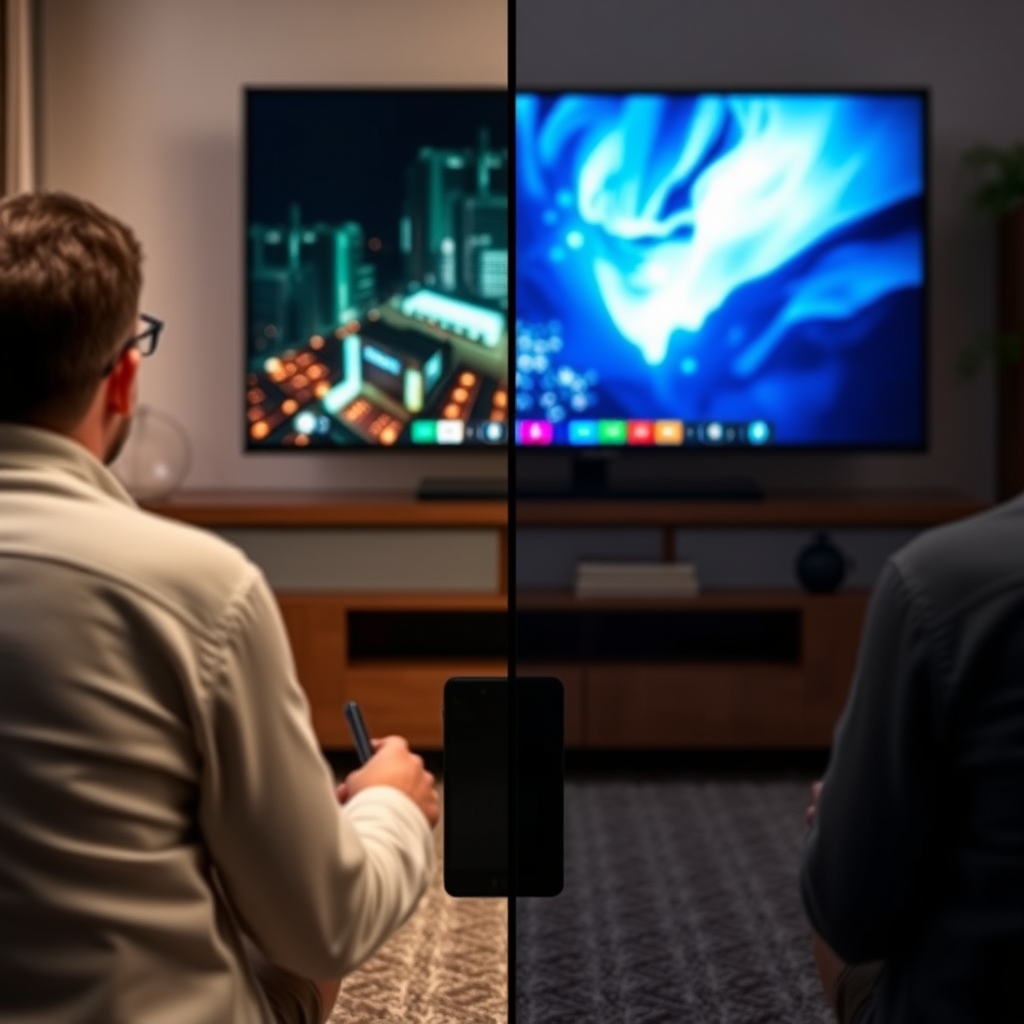
Smart TVs are susceptible to various vulnerabilities, making them attractive targets for hackers. One of the primary issues is that many smart TVs often run on outdated software. Manufacturers may not provide timely security updates, leaving devices exposed to known vulnerabilities. For instance, a significant number of smart TVs still run on outdated operating systems, which do not receive patches for newly discovered security flaws.
Another common vulnerability is the use of default passwords. Many users fail to change factory-set passwords, leaving their devices easily accessible. Default passwords can often be found online, rendering these TVs susceptible to unauthorized access. According to a recent survey, approximately 70% of smart TV owners do not change their default passwords, significantly increasing the risk of hacking.
How Hackers Gain Access
Hackers have various methods to gain access to smart TVs. One prevalent method is exploiting unsecured Wi-Fi networks. When users connect their smart TVs to a public or poorly secured network, hackers can intercept the data being transmitted. This interception can lead to unauthorized access to the TV and any connected devices.
Another method involves the introduction of malware through malicious applications or links. Users may inadvertently download apps from untrusted sources, leading to malware infection. For example, a user might download an app promising additional features, only to inadvertently compromise their device’s security. Once malware is installed, hackers can take control of the TV, monitor user activity, or even access personal data linked with the device.
Signs That Your Smart TV May Be Compromised
Recognizing the signs of a compromised smart TV is crucial for timely intervention. Unusual behavior is often the first indicator that something is amiss. For instance, if your TV begins displaying unexpected advertisements or if settings change without your input, this could signal a breach.
Another significant sign is unauthorized access to personal data or accounts linked to the TV. If you notice unfamiliar devices connected to your streaming services or receive alerts about unusual login attempts, these could be red flags indicating that your smart TV has been compromised. Additionally, if the TV suddenly starts turning on by itself or accessing content without your command, it’s time to investigate further.
Common Smart TV Vulnerabilities and Risks (2024)
| # | Vulnerability | Percentage of Users Affected | Recommended Action |
|---|---|---|---|
| 1 | Outdated Software | 65% | Regular Updates |
| 2 | Default Passwords | 70% | Change Passwords |
| 3 | Unsecured Networks | 50% | Secure Wi-Fi |
| 4 | Malicious Apps | 40% | Download from Trusted Sources |
| 5 | Physical Access | 30% | Lock TV Settings |
| 6 | Insecure Apps | 25% | Audit Installed Apps |
| 7 | Weak Encryption | 15% | Use Strong Protocols |
Preventative Measures to Secure Your Smart TV
To minimize the risks associated with smart TVs, implementing preventative measures is essential. One of the most effective actions is to regularly update your TV’s firmware and applications. Manufacturers release updates to patch security vulnerabilities, and staying current can protect your device from exploitation.
Changing default passwords to strong, unique passwords is another crucial step. A strong password should include a mix of uppercase and lowercase letters, numbers, and special characters. Moreover, securing your home Wi-Fi network with WPA3 encryption and a strong password can act as a formidable barrier against unauthorized access.
Additionally, consider using a virtual private network (VPN) when connecting your smart TV to the internet. A VPN can encrypt your internet traffic, making it significantly more challenging for hackers to intercept your data. Lastly, regularly audit the applications installed on your TV, removing any that are untrusted or no longer in use.
What to Do If You Suspect a Hack
If you suspect that your smart TV has been hacked, immediate action is necessary. First, disconnect the TV from the internet. This step prevents further unauthorized access and allows you to assess the situation without interference. Following this, investigate any suspicious activity, such as unexpected changes in settings or unknown applications.
If you confirm a breach or notice unusual behavior, perform a factory reset on your TV. This action will eliminate any malware or unauthorized changes, allowing you to start fresh. After resetting, take the opportunity to implement the preventative measures discussed earlier to enhance your device’s security.
The Importance of Cybersecurity Awareness
Understanding the risks associated with smart devices is vital for proactive protection. Cybersecurity awareness involves recognizing potential threats and knowing how to mitigate them. Being informed about the risks can empower users to take necessary precautions, reducing the likelihood of falling victim to cyberattacks.
Moreover, educating yourself about security practices, such as recognizing phishing attempts or understanding the significance of software updates, can significantly enhance your overall cybersecurity posture. Regularly reviewing your security settings and staying informed about the latest threats can further reduce the chances of a hack.
In summary, smart TVs can be hacked, but with awareness and precautionary measures, you can significantly reduce your risk. Make sure to implement strong security practices and stay informed about potential threats to enjoy a safer viewing experience. Take action today by checking your TV’s settings and ensuring it is as secure as possible.
Frequently Asked Questions
Can a smart TV be hacked by cybercriminals?
Yes, a smart TV can be hacked by cybercriminals, particularly if it is connected to the internet without adequate security measures. Hackers may exploit vulnerabilities in the TV’s software or use unsecured networks to gain access. To minimize this risk, ensure your device is regularly updated and connected to a secure Wi-Fi network.
How can I tell if my smart TV has been hacked?
Signs that your smart TV may have been hacked include unexpected pop-up ads, unfamiliar apps appearing on your device, or a sudden decrease in performance. Additionally, if your TV starts to behave erratically, such as changing channels on its own or revealing unusual settings, it might be compromised. Regularly monitoring your device can help you catch these issues early.
What steps can I take to protect my smart TV from hacking?
To protect your smart TV from hacking, start by changing the default passwords and using strong, unique passwords for your accounts. Keeping the TV’s firmware updated is essential, as manufacturers often release security patches. Additionally, consider using a VPN and disabling features like remote access when not in use to enhance your security.
Why is my smart TV a target for hackers?
Smart TVs are attractive targets for hackers because they are connected to the internet and often contain personal information, such as account credentials and viewing habits. Additionally, many users neglect to secure their devices, leaving them vulnerable to attacks. As smart TVs become more integrated with other smart home devices, the risks increase, making it crucial to implement security measures.
Which smart TVs are considered more secure against hacking?
Generally, smart TVs from reputable brands that frequently update their software and offer robust security features are considered more secure against hacking. Brands like Samsung, LG, and Sony have established a good track record for security updates and user privacy. Researching reviews and security features before purchasing can help you choose a smart TV that prioritizes user safety.
References
- https://www.bbc.com/news/technology-42005315
https://www.bbc.com/news/technology-42005315 - https://www.theguardian.com/technology/2019/jul/24/smart-tv-hacking-privacy-internet-of-things
https://www.theguardian.com/technology/2019/jul/24/smart-tv-hacking-privacy-internet-of-things - https://www.nytimes.com/2017/03/07/technology/smart-tv-hack.html
https://www.nytimes.com/2017/03/07/technology/smart-tv-hack.html - https://www.sciencedirect.com/science/article/pii/S0167739X19307136
https://www.sciencedirect.com/science/article/pii/S0167739X19307136 - https://www.ncbi.nlm.nih.gov/pmc/articles/PMC7943484/
https://www.ncbi.nlm.nih.gov/pmc/articles/PMC7943484/ - https://www.us-cert.cisa.gov/ncas/alerts/2019/2001
https://www.us-cert.cisa.gov/ncas/alerts/2019/2001 - Google Scholar Google Scholar
https://scholar.google.com/scholar?q=smart+tv+hacking - Google Scholar Google Scholar
https://scholar.google.com/scholar?q=security+vulnerabilities+in+smart+TVs - Google Scholar Google Scholar
https://scholar.google.com/scholar?q=can+a+smart+tv+be+hacked - can a smart tv be hacked – Search results
https://en.wikipedia.org/wiki/Special:Search?search=can+a+smart+tv+be+hacked
