

While you can technically put a TV outside, several critical factors must be considered to ensure it functions well and lasts long under outdoor conditions. Selecting the right type of TV, considering the environment, and implementing protective measures are essential steps in creating a successful outdoor viewing experience. This article will delve into the crucial aspects of outdoor TVs, including necessary precautions, types of TVs suitable for outdoor use, and tips for setup and maintenance.
Understanding Outdoor TVs vs. Indoor TVs
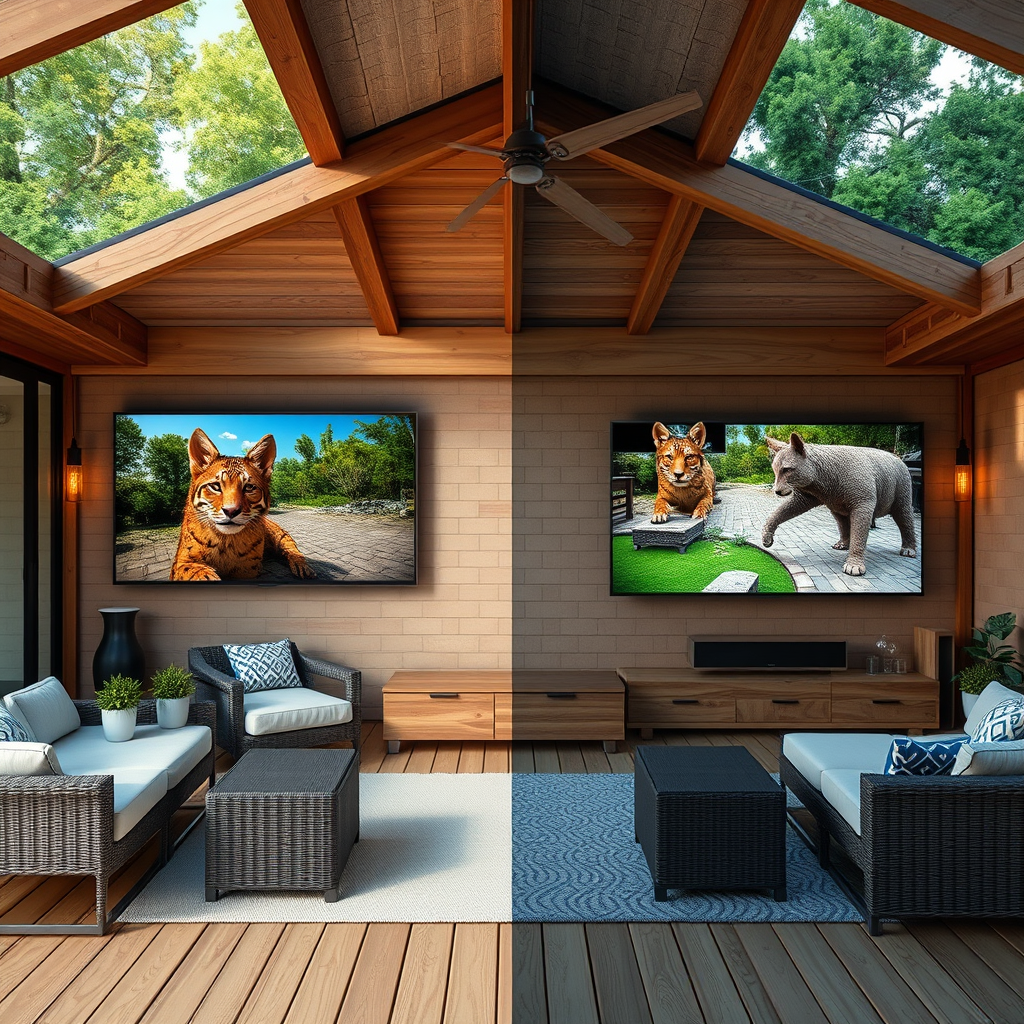
Outdoor TVs are specifically designed to endure various weather conditions, including rain, humidity, and UV rays from sunlight. Unlike indoor TVs, which are not built to handle these elements, outdoor TVs often come with enhanced brightness and anti-glare technology, making them suitable for daytime viewing. Indoor TVs may suffer damage from prolonged exposure to elements, such as moisture and extreme temperatures, leading to malfunction or reduced lifespan.
Furthermore, outdoor TVs typically feature robust casings to protect the sensitive components inside. They are also designed with higher brightness levels, allowing for clearer images in bright sunlight, which is a common challenge for indoor TVs. Therefore, it’s crucial to choose a TV intended for outdoor use to ensure longevity and optimal viewing quality.
Choosing the Right Location
Selecting the right location for your outdoor TV can significantly impact your viewing experience. Ideally, you should aim for a shaded area to reduce glare and enhance visibility during the day. Positioning the TV under a gazebo, patio cover, or awning can provide adequate protection from direct sunlight while also adding to the aesthetic of your outdoor space.
Additionally, ensure the chosen spot is away from direct exposure to wind and rain. Placing the TV in a sheltered area can help prevent damage from harsh weather conditions. It’s also wise to avoid locations where tree branches or other objects may obstruct the view or pose a risk of falling debris. Accessibility to power sources and seating arrangements should also be considered when deciding on the placement of your outdoor TV.
Weatherproofing Your TV
To maximize your outdoor TV’s lifespan, weatherproofing is essential. One effective strategy is to use a weatherproof enclosure or cover to protect the TV when it’s not in use. This not only shields the device from rain and snow but also minimizes exposure to dust and debris. Various manufacturers offer outdoor-rated covers that fit snugly over specific TV models, ensuring comprehensive protection.
Additionally, consider installing a mounting bracket that allows for secure placement and easy removal. This setup can help you take the TV indoors during extreme weather conditions, further extending its life. Some brackets also allow for tilting and swiveling, which can enhance your viewing angle.
Top 7 Outdoor TVs in 2024
| # | Model | Screen Size | Brightness (nits) | Weatherproof Rating | Price |
|---|---|---|---|---|---|
| 1 | SunBriteTV 55″ Pro 2 | 55″ | 2000 | IP55 | $3,499 |
| 2 | Samsung The Terrace 65″ | 65″ | 2000 | IP55 | $4,999 |
| 3 | KODAK 75″ Outdoor | 75″ | 1500 | IP65 | $2,999 |
| 4 | LG Outdoor 55″ | 55″ | 1600 | IP65 | $2,499 |
| 5 | Furrion 65″ Outdoor | 65″ | 3000 | IP68 | $5,999 |
| 6 | Peerless-AV 55″ Outdoor | 55″ | 2000 | IP65 | $1,999 |
| 7 | Sony 55″ Outdoor | 55″ | 1000 | IP55 | $2,299 |
Power Supply and Connectivity
Ensuring a reliable power supply and connectivity is paramount for your outdoor TV setup. First, make certain that you have access to a power outlet that complies with outdoor safety standards. Utilizing outdoor-rated extension cords can help prevent electrical hazards. If possible, consider hiring a licensed electrician to install dedicated outdoor outlets for your TV and any other electronic devices.
For seamless connectivity, using wireless streaming devices can simplify the installation process and reduce visible cabling. However, if your setup requires wired connections, invest in outdoor-rated cables to withstand the elements without degrading signal quality. Additionally, assess the distance between your TV and the Wi-Fi router to ensure a stable internet connection; using a Wi-Fi extender may be necessary in some instances.
Maintenance Tips for Outdoor TVs
Regular maintenance is critical to ensure your outdoor TV remains in optimal condition. Start by cleaning the screen and enclosure regularly to prevent dust and grime build-up. Use a soft, lint-free cloth and a gentle cleaning solution specifically designed for electronics to avoid damaging the screen.
It’s also wise to protect the TV from extreme weather conditions. If severe storms or harsh winters are approaching, consider bringing the TV indoors to prevent potential damage. Investing in a high-quality cover or enclosure can further safeguard the device during off-seasons.
Enhancing Your Outdoor Viewing Experience
To amplify your outdoor viewing experience, consider investing in quality outdoor speakers or a soundbar. Many outdoor TVs have integrated sound options, but adding external speakers can significantly improve audio quality. Look for speakers designed for outdoor use that can withstand weather conditions while delivering crisp sound.
Additionally, arranging comfortable seating and incorporating outdoor lighting can create a cozy atmosphere. String lights, lanterns, or built-in landscaping lights can enhance the visual appeal of your outdoor space while providing sufficient illumination for evening viewing.
Your outdoor TV setup can be a delightful addition to your space if done correctly. By choosing the right equipment and following best practices for installation and maintenance, you can enjoy your favorite shows or games in the great outdoors. Embrace the outdoor entertainment experience by carefully planning your setup, ensuring your TV is protected and suitable for outdoor use. Don’t hesitate to explore options tailored for outdoor viewing, and transform your patio or backyard into a fantastic entertainment hub!
Frequently Asked Questions
Can I put a regular TV outside in my backyard?
No, a regular TV is not designed for outdoor use and can be damaged by weather conditions such as rain, humidity, and extreme temperatures. If you want to watch TV outside, consider using a weatherproof outdoor TV, which is built to withstand the elements and provide better viewing quality in bright sunlight.
How do I protect my outdoor TV from bad weather?
To protect your outdoor TV from bad weather, invest in a weatherproof enclosure that provides a secure, insulated environment. Additionally, consider using a surge protector to guard against power surges caused by lightning, and always cover the TV when not in use to prevent exposure to moisture and debris.
Why should I choose an outdoor TV instead of a regular TV for my patio?
Outdoor TVs are specifically engineered to handle sunlight glare, extreme temperatures, and humidity, ensuring optimal performance and longevity. Unlike regular TVs, they have higher brightness levels and better viewing angles, allowing you to enjoy your favorite shows or sports events clearly, even in bright daylight.
What is the best outdoor TV for bright sunlight?
The best outdoor TV for bright sunlight typically features higher brightness levels, anti-glare screens, and weather-resistant designs. Brands like SunBriteTV, Samsung’s Terrace series, and the Mirage Vision outdoor TVs are highly recommended for their superior performance and durability in outdoor settings.
Which cables and connections are suitable for outdoor TVs?
For outdoor TVs, use high-quality, weather-resistant cables and connectors to ensure reliable performance. HDMI cables rated for outdoor use, as well as coaxial cables with UV protection, are ideal choices. Additionally, consider using wireless streaming devices to minimize the need for exposed cables.
References
- https://www.bbc.com/future/article/20200630-can-you-use-your-tv-outside
https://www.bbc.com/future/article/20200630-can-you-use-your-tv-outside - https://www.nytimes.com/2020/05/20/realestate/tv-outdoors.html
https://www.nytimes.com/2020/05/20/realestate/tv-outdoors.html - https://www.sciencedirect.com/science/article/pii/S2213138820300790
https://www.sciencedirect.com/science/article/pii/S2213138820300790 - https://www.mayoclinic.org/healthy-lifestyle/consumer-health/in-depth/how-to-choose-the-right-tv-for-your-home/art-20419053
https://www.mayoclinic.org/healthy-lifestyle/consumer-health/in-depth/how-to-choose-the-right-tv-for-your-home/art-20419053 - https://www.homedepot.com/c/ab/using-an-outdoor-tv-in-your-backyard/9ba683603be9fa5395fab901e3a320b
https://www.homedepot.com/c/ab/using-an-outdoor-tv-in-your-backyard/9ba683603be9fa5395fab901e3a320b - Google Scholar Google Scholar
https://scholar.google.com/scholar?q=outdoor+tv+installation+guidelines - Google Scholar Google Scholar
https://scholar.google.com/scholar?q=can+i+put+a+tv+outside+health+risks - Google Scholar Google Scholar
https://scholar.google.com/scholar?q=outdoor+electronics+protection+measures - Google Scholar Google Scholar
https://scholar.google.com/scholar?q=can+i+put+a+tv+outside - can i put a tv outside – Search results
https://en.wikipedia.org/wiki/Special:Search?search=can+i+put+a+tv+outside

[…] IEC 60335-2-97, motor-driven moving equipment for residential and similar environments must include protective measures and reliable control features to prevent unsafe operation […]