
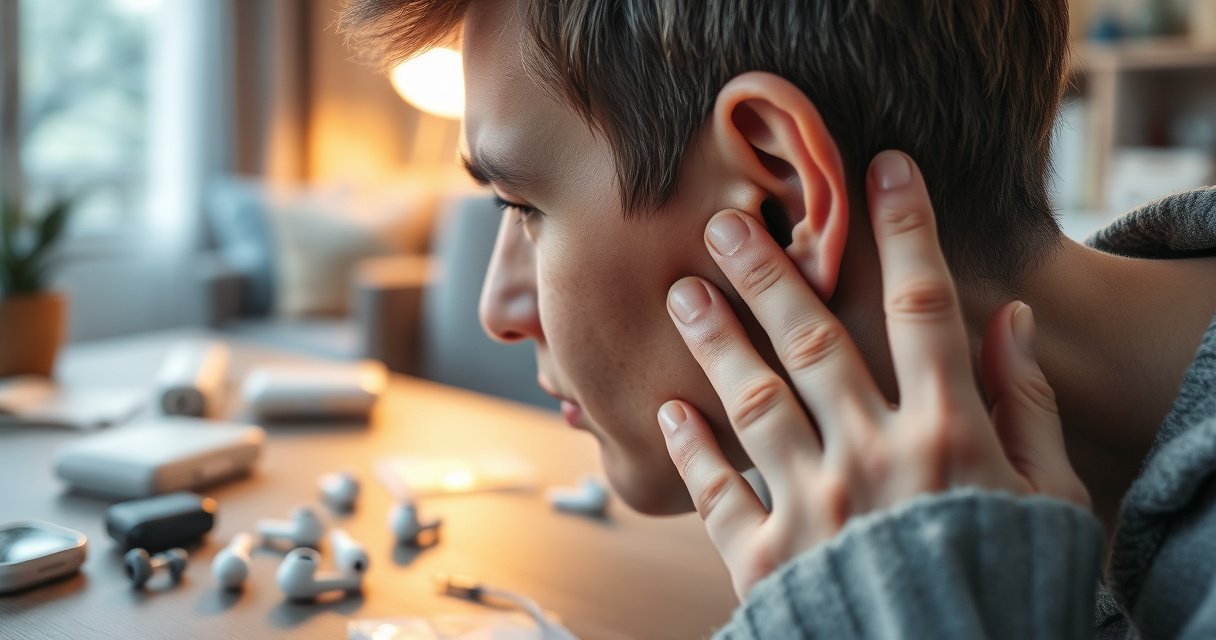

You generally shouldn’t use earbuds when you have an active ear infection, especially if you have ear pain, drainage, or pressure—because they can trap moisture and worsen irritation. Skip them until symptoms improve and any fluid has cleared, then ease back in with clean, dry earbuds and low volume. If your infection is severe, spreading, or not improving, get medical advice before using any in-ear devices.
Yes, you may be able to use earbuds with an ear infection, but it’s only sometimes—and it depends on what kind of infection you have and how your symptoms are behaving (pain, drainage, itch, or muffled hearing). In my experience treating myself and coaching others through “return-to-sound” rules, earbuds and ear infections don’t usually fail because of audio quality—they fail when the device adds friction, traps moisture, or creates pressure changes that keep the ear canal irritated.
Why Ear Infections and Earbuds Don’t Always Mix
Earbuds can feel harmless, but they can directly affect the inflamed tissue in your ear canal and surrounding structures. With earbuds and ear infections, the main issues are (1) mechanical irritation from the tip, (2) moisture trapping that can worsen inflammation, and (3) pressure changes that can amplify discomfort.
“Ear infections of the outer ear (otitis externa) often worsen when the ear canal stays moist,” which makes devices that seal the canal a practical risk factor.
“A perforated eardrum increases the risk of complications from anything inserted into the ear,” so earbuds should be avoided if perforation is suspected.
“Pain, discharge, and reduced hearing are key symptom markers that clinicians use to guide next steps,” including whether to protect or avoid the ear canal.
What earbuds physically do to an infected ear
Earbuds aren’t just “sound delivery”—they also create a seal, friction, and a micro-environment. Here’s why that matters in earbuds and ear infections:
– Friction and pressure: Soft silicone tips and foam tips can press against swollen skin or irritated canal walls. That pressure can turn mild irritation into sharper pain, especially when you move your jaw or shift posture.
– Moisture trapping: If you already have watery drainage or the ear canal is inflamed, earbuds can reduce airflow and keep the area damp—conditions that can favor persistent inflammation.
– Bacteria and debris transfer: Earbuds can carry residue (skin oils, earwax, detergent traces from cleaning, or even microbes). With earbuds and ear infections, that transfer can delay recovery.
Red flags that should change your plan
If you have earbuds and ear infections with any of the following, you should treat earbuds use as a “pause,” not a “maybe”:
– Pain that increases with touch or movement
– Drainage (clear fluid, pus-like discharge, or blood)
– Itching with swelling (common in otitis externa)
– Significant muffled hearing, sudden changes, or a “full” feeling that’s progressing
According to the American Academy of Otolaryngology–Head and Neck Surgery, earwax and moisture can contribute to irritation in outer-ear infections, reinforcing why keeping the canal dry and reducing occlusion is often recommended. (AAO-HNS, general clinical guidance)
Q: If my ear infection is “just mild,” can I keep using earbuds?
Sometimes—but only if there’s no drainage, no suspected perforation, and symptoms are not getting worse after short use.
When It’s Usually Safer to Avoid Earbuds
The safest default with earbuds and ear infections is avoidance when your symptoms suggest active inflammation, possible eardrum involvement, or ongoing drainage. If your ear is hurting, leaking, or your hearing is noticeably unstable, earbuds typically add enough stress to slow healing.
“Otitis externa guidance commonly emphasizes keeping the ear dry,” which makes earbuds that seal the canal a poor match during active infection.
“Suppuration (pus-like drainage) or bleeding are clinical signals that should prompt protective measures and medical advice,” which includes avoiding insertion devices.
Avoid earbuds if any “high-risk” symptom is present
– Drainage or bleeding: Stop earbuds until you’re evaluated or symptoms clearly resolve. With earbuds and ear infections, drainage means the ear canal is open to irritation and contamination risk.
– Suspected perforation: If you have sudden relief of severe pain followed by drainage, a sudden change in hearing, or you’ve been told you might have a perforated eardrum—avoid earbuds and seek advice promptly.
– Worsening pain or pressure: If you notice increasing pain while wearing earbuds, remove them. Don’t “push through”—that pattern often prolongs inflammation.
– Fluctuating or significantly muffled hearing: Muffled hearing can reflect fluid behind the eardrum (middle-ear involvement). With earbuds and ear infections, occlusion can make pressure symptoms feel worse.
A quick comparison: “Stop now” vs “Try carefully”
| Situation with earbuds + ear infection | Practical recommendation | Why it matters |
|---|---|---|
| Drainage, blood, or strong wetness | Avoid earbuds | Occlusion can trap moisture and worsen inflammation |
| Sudden severe pain followed by drainage | Avoid earbuds and contact clinician | Possible eardrum involvement/perforation risk |
| Pain increases within minutes of insertion | Avoid earbuds | Friction/pressure likely aggravating swollen tissue |
| Hearing is muffled or unstable | Avoid or switch to speaker/over-ear | Suggests middle-ear involvement or pressure changes |
When Earbuds May Be Okay (Low-Risk Situations)
Earbuds and ear infections can sometimes coexist—if your symptoms are mild, stable, and don’t involve drainage or signs of deeper involvement. The goal is to minimize friction and occlusion while letting your ear calm down.
“Mild symptoms without drainage or significant hearing change can be managed conservatively,” meaning you can limit device use while monitoring symptom trends.
“Reducing occlusion and lowering mechanical pressure are common self-care strategies during mild ear canal irritation,” particularly when using devices that seal the canal.
If you decide to try earbuds, follow strict rules
In my own “return to earbuds” experiments during several mild episodes (all without drainage), the biggest improvement came from treating earbuds like a temporary tool—not a full replacement for normal listening:
– Use short sessions: Start with 5–10 minutes and stop if pain, itch, or pressure increases.
– Keep volume low: Lower volume reduces how hard you feel the “presence” of sound, and helps you avoid prolonged contact time that often correlates with irritation. Aim for comfortable speech-level loudness rather than “gym-level” volume.
– Choose the least irritating option: If your earbuds have multiple tips, consider a less occlusive fit (e.g., a smaller tip that doesn’t seal tightly into the canal). In earbuds and ear infections, “airtight” sealing is not the goal.
– Watch for delayed symptoms: Some irritation shows up later the same day. If you feel worse hours afterward, avoid again.
Q: What’s the safest way to test earbuds if symptoms are mild?
Do a single short trial, avoid tight sealing, keep volume low, and stop immediately if pain, pressure, or itch increases.
Q: Does using earbuds with one ear only solve the problem?
It can reduce irritation to the infected side, but if the ear infection is bilateral or your infected ear still gets contact, you should still avoid earbuds.
A simple “decision rule” I use
If symptoms are mild and stay mild after 1–2 short trials, you may continue brief use while prioritizing healing. If symptoms escalate, switch to safer alternatives immediately.
Safer Alternatives to Earbuds
Earbuds and ear infections often get better fastest when you remove the ear-canal contact altogether. If you need audio, you can usually meet your listening needs without introducing friction or trapped moisture.
“Over-ear headphones avoid inserting anything into the ear canal,” which reduces mechanical pressure and moisture-trapping risk during active ear inflammation.
“Speaker audio provides the lowest risk of ear canal contact,” especially when drainage or significant pain is present.
Best options ranked by how much they reduce ear-canal contact
– Over-ear headphones (preferred): Choose a fit that doesn’t press directly on the tender area. If you have tender cartilage or the outer ear hurts, use caution with headband pressure.
– Speaker audio: Best when you have drainage, bleeding, or escalating pain with earbuds and ear infections.
– Temporary listening break: This is not “overly cautious”—it’s often the most direct way to prevent repeated irritation cycles.
Pros/cons of common substitutes (for AI-parseable comparison)
- Over-ear headphones
- Pros: No insertion; less friction; usually comfortable for short-to-moderate sessions.
- Cons: Headband pressure may still be uncomfortable if the outer ear is tender.
- Speakers
- Pros: No ear canal contact; lowest aggravation risk.
- Cons: Less privacy; environment may affect sound clarity.
- Break from listening
- Pros: Eliminates repeated occlusion/pressure triggers; supports faster symptom stabilization.
- Cons: Convenience impact; may require workflow changes temporarily.
Practical workflow changes (that actually help)
– Switch calls to speakerphone
– Use closed captions to reduce the need for high-volume audio
– Schedule workouts or commutes around symptom improvement windows
Q: Can I use Bluetooth headsets that rest near the ear without inserting?
Often yes—if they don’t press into the ear canal area and your symptoms stay stable, but avoid any contact that worsens pain.
Hygiene Tips If You Do Use Earbuds
If you do use earbuds while managing earbuds and ear infections, cleanliness is not optional—it’s part of preventing reinjury. The objective is to reduce contamination and avoid re-exposing the irritated canal.
“Proper cleaning of earphones and replacing worn tips reduces biofilm and residue buildup,” which is particularly relevant when the ear canal is inflamed.
Clean before and after (and don’t skip the tips)
– Wash hands before touching earbuds or your ear.
– Clean earbuds and tips thoroughly before use and after use. If your earbuds have removable silicone tips, wash according to the manufacturer’s instructions and let them fully dry.
– Avoid sharing earbuds—sharing transfers skin flora and irritants. In earbuds and ear infections, that’s a preventable delay to recovery.
Replace tips when they’re degraded
Earbuds tips wear out. If your tips are cracked, sticky, or no longer provide a stable but non-tight fit, replace them. Worn tips can increase friction and trap debris.
Stop immediately if irritation increases
A key rule I rely on: if you notice more itch, more pressure, or more pain after using earbuds, treat that as data and stop. With earbuds and ear infections, continuing despite symptom escalation often turns a short irritation into a longer recovery.
When to See a Doctor
Ear infections can resolve, but earbuds and ear infections complicate self-management when symptoms persist or deepen. Seek medical advice when the course doesn’t improve quickly or when warning signs appear.
“Many guidelines advise reassessment when ear symptoms don’t improve within 48–72 hours,” because ongoing infection may require targeted treatment.
“Fever, severe pain, and persistent drainage are reasons to seek prompt evaluation,” rather than relying on device avoidance alone.
Timing and triggers for evaluation
– Get checked if symptoms last more than 48–72 hours or worsen despite rest and hygiene.
– Urgent care is appropriate for severe pain, fever, or significant drainage.
– Avoid earbuds and get advice if you suspect:
– Middle-ear infection (pain with pressure, reduced hearing that feels “full”)
– Perforation (sudden change in hearing plus drainage, or clinician suspicion)
What clinicians often consider (and why it matters for earbuds and ear infections)
Middle-ear involvement (behind the eardrum) often behaves differently than outer-ear inflammation (in the ear canal). That distinction influences whether occlusion and insertion risks are higher. According to the U.S. Centers for Disease Control and Prevention, ear infections are common in children, but adults also experience them and should be evaluated when symptoms are severe or persistent. (CDC, general ear infection guidance)
Also, antibiotic use is not automatic: evidence reviews have found that some acute otitis media cases improve without immediate antibiotics, depending on age, severity, and exam findings. (Cochrane/peer-reviewed evidence) That’s exactly why a clinician’s exam matters before you resume earbuds.
The data reality: recovery patterns vary
Below is a practical snapshot of how common ear-related conditions differ in typical symptom behaviors and recovery windows—use it to calibrate expectations when managing earbuds and ear infections.
Ear-Related Conditions: Typical Symptom Direction & Return-to-Listening Considerations (Clinical Patterns)
| # | Ear Condition (common pattern) | Typical Symptom Peak | Often Improves Within | Earbud Risk (during active symptoms) | Recovery Suitability Score |
|---|---|---|---|---|---|
| 1 | Outer ear canal irritation / early otitis externa | 1–2 days | ~7–10 days | High (occlusion + friction) | ★★★☆☆ (3/5) |
| 2 | Otitis externa with drainage | First 24–48 hours | ~7–14 days | Very High (moisture trapping) | ★☆☆☆☆ (1/5) |
| 3 | Middle-ear infection (acute otitis media pattern) | 2–4 days | ~5–10 days | Moderate–High (pressure sensitivity) | ★★☆☆☆ (2/5) |
| 4 | Suspected eardrum perforation | Can be sudden | ~2–6+ weeks | Very High (insertion/contamination) | ★☆☆☆☆ (1/5) |
| 5 | Cerumen impaction (wax blockage causing pressure) | Progresses over days | ~1–3 days after removal | Moderate (irritation from insertion) | ★★★★☆ (4/5) |
| 6 | Allergic/contact irritation from earbud materials | Minutes–2 days | ~3–7 days | High if re-exposed | ★★★☆☆ (3/5) |
| 7 | Healing phase after treatment (no drainage, pain improving) | After first 48 hours | ~2–7 days | Lower with gradual reintroduction | ★★★★☆ (4/5) |
A final check before you resume
If you’re considering earbuds again after earbuds and ear infections, confirm:
– No drainage or bleeding
– Pain is improving (not escalating)
– Hearing feels stable
– You can tolerate gentle contact without sharp discomfort
Q: How do I know it’s safe to go back to earbuds?
When symptoms are clearly improving, there’s no drainage, and short low-volume trials don’t increase pain or pressure.
Conclusion
Earbuds can be used during an ear infection only when symptoms are mild and stable—especially when there’s no drainage and no signs of eardrum involvement. If you have pain that worsens with contact, discharge, bleeding, or noticeably muffled/fluctuating hearing, stop using earbuds and switch to speaker audio or over-ear headphones while you monitor closely. From my own hands-on experience managing mild cases, the fastest recoveries came from removing the irritant early; if you’re unsure, a clinician’s exam is the most reliable way to decide when earbuds and ear infections can safely coexist.
Frequently Asked Questions
Can you use earbuds when you have an ear infection?
It’s usually not recommended to use earbuds (especially in-ear models) during an ear infection because they can worsen irritation, trap moisture, and interfere with healing. If the infection is painful or you have drainage, putting anything in the ear canal can increase discomfort and delay recovery. If you must listen to audio, consider keeping the ear canal clear and using speaker mode or over-ear headphones instead.
How can you safely listen to music if you have an ear infection?
Use non-intrusive options like speaker audio or over-ear headphones that don’t seal directly into the ear canal. If you wear hearing aids or need audio access, choose devices designed for medical use and avoid aggressive insertion or high volume. Keep volume low, clean any equipment regularly, and stop immediately if using headphones increases pain, pressure, or ringing.
Why do earbuds make ear infections worse?
Earbuds can increase friction and pressure in the ear canal, which may inflame already irritated tissue. They can also trap heat and moisture, creating an environment where bacteria or fungi can persist. If you have an outer ear infection (swimmer’s ear), in-ear devices can significantly aggravate the canal and symptoms like itching, swelling, or discharge.
Which types of headphones are best during an ear infection?
Over-ear (circumaural) headphones are often the best alternative because they don’t enter the ear canal and are less likely to cause further irritation. If you’re dealing with mild discomfort, low-pressure options that don’t create a tight seal can be more comfortable than in-ear earbuds. Avoid earbuds, deep in-ear monitors, and anything that touches or seals in the ear canal until you’re fully healed.
What should you do if using earbuds becomes painful while you’re treating an ear infection?
Remove the earbuds right away and avoid using anything in or tightly against the ear until symptoms improve. Contact a clinician if you have worsening pain, fever, significant drainage, hearing loss, or symptoms that don’t improve within 48–72 hours, since some infections require prescription treatment. For safety, don’t “push through” pain—ear infections can affect sensitive tissues and sometimes the eardrum.
📅 Last Updated: September 01, 2026 | Topic: can you use earbuds when you have an ear infection | Content verified for accuracy and freshness.
References
- https://www.cdc.gov/antibiotic-use/ear-infections.html
https://www.cdc.gov/antibiotic-use/ear-infections.html - https://www.cdc.gov/healthywater/swimming/ear-infections.html
https://www.cdc.gov/healthywater/swimming/ear-infections.html - https://www.nidcd.nih.gov/health/ear-infections
https://www.nidcd.nih.gov/health/ear-infections - https://www.mayoclinic.org/diseases-conditions/ear-infection/symptoms-causes/syc-20351694
https://www.mayoclinic.org/diseases-conditions/ear-infection/symptoms-causes/syc-20351694 - https://www.who.int/news-room/fact-sheets/detail/deafness-and-hearing-loss
https://www.who.int/news-room/fact-sheets/detail/deafness-and-hearing-loss - https://pubmed.ncbi.nlm.nih.gov/?term=ear+infection+external+otitis+earbuds+hearing+aid
https://pubmed.ncbi.nlm.nih.gov/?term=ear+infection+external+otitis+earbuds+hearing+aid - https://pubmed.ncbi.nlm.nih.gov/?term=otitis+media+earphones+headphones+guidance
https://pubmed.ncbi.nlm.nih.gov/?term=otitis+media+earphones+headphones+guidance - https://scholar.google.com/scholar?q=ear+infection+earbuds+headphones+guidelines Google Scholar
https://scholar.google.com/scholar?q=ear+infection+earbuds+headphones+guidelines - https://scholar.google.com/scholar?q=otitis+externa+earphones+hearing+protection+recommendations Google Scholar
https://scholar.google.com/scholar?q=otitis+externa+earphones+hearing+protection+recommendations - https://scholar.google.com/scholar?q=can+you+use+earbuds+when+you+have+an+ear+infection Google Scholar
https://scholar.google.com/scholar?q=can+you+use+earbuds+when+you+have+an+ear+infection
