

Mounting speakers on the wall can dramatically improve your audio experience while optimizing space and enhancing the aesthetics of your room. By strategically selecting the right location, using the appropriate tools, and following secure installation practices, you can enjoy enhanced sound quality and a cleaner environment. This comprehensive guide will lead you through the essential steps to effectively mount your speakers, ensuring both functionality and style.
Choosing the Right Location
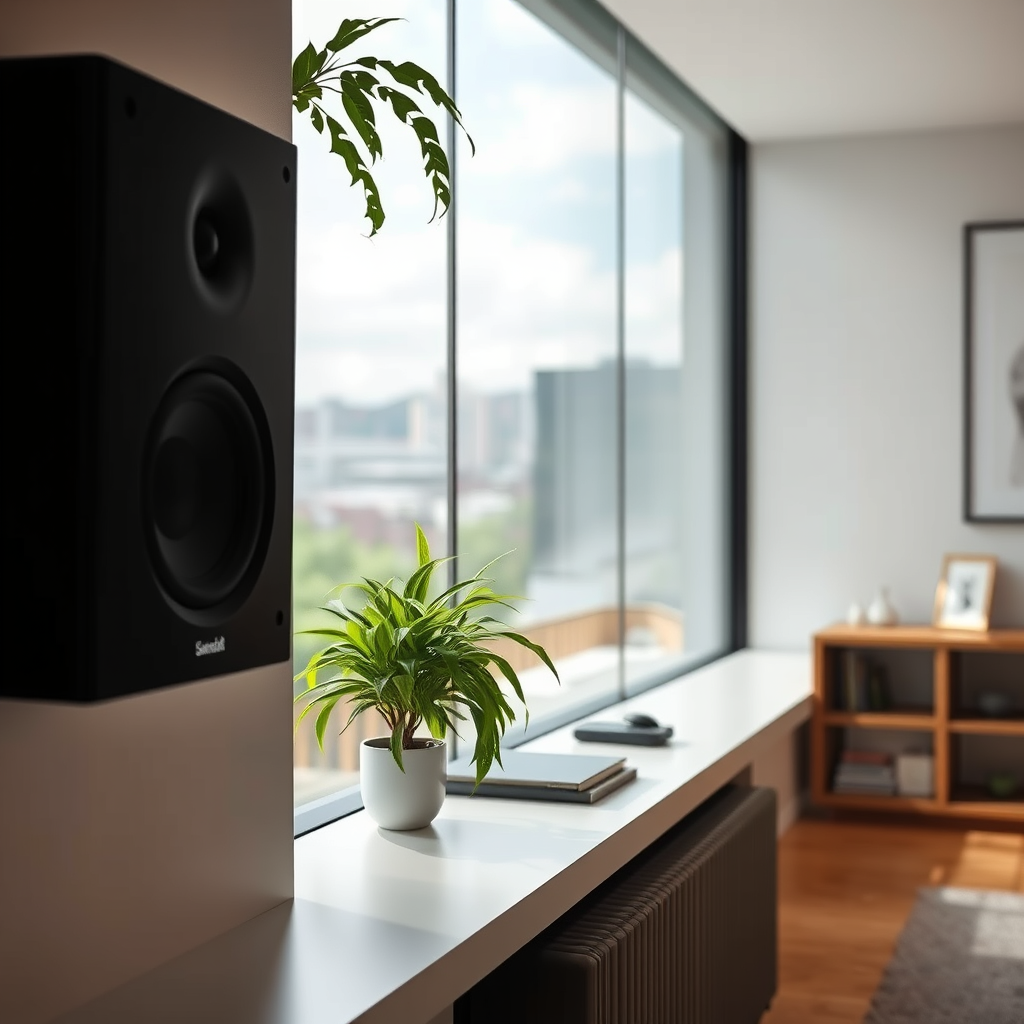
The placement of your speakers is critical to achieving an optimal listening experience. To begin, assess the room’s acoustics by walking around and determining where sound waves travel best. Look for areas that minimize echoes and avoid dead spots where sound may be muffled or unclear. Typically, corners or areas too close to walls can distort audio quality.
Height and angle are also vital considerations. For most listening environments, positioning your speakers at ear level (approximately 42 inches from the ground) is ideal. This positioning ensures that sound waves reach your ears directly, providing a more immersive experience. Additionally, angle the speakers slightly towards the main listening area to enhance sound projection and clarity, creating a more dynamic audio environment.
Gathering Necessary Tools and Supplies
Before you commence with the installation, gather all necessary tools and supplies to ensure a smooth process. Essential tools include:
– Drill: A power drill will facilitate the installation of brackets and screws.
– Stud finder: This tool helps locate wall studs behind drywall, ensuring a secure mount.
– Level: A level ensures that your speakers are installed evenly, providing a professional look and optimal sound.
– Screwdriver: Depending on the type of screws used, a screwdriver may be necessary for tightening.
In addition to tools, you will need suitable speaker mounts. The type of mount should correspond to your specific speaker model and weight. Wall brackets, articulating arms, or ceiling mounts may be options depending on your setup. Always check the weight limits of the mounts you choose to ensure safety and stability.
Preparing the Wall
Once you’ve selected the proper tools and mounts, it’s time to prepare the wall for installation. Start by using the stud finder to locate the studs in the wall. These structural elements are crucial for securely mounting your speakers, as they offer the necessary support. Mark the stud locations with a pencil for easy reference.
Next, you’ll want to mark the positions where the brackets will be installed. Using your level, draw horizontal lines to ensure that the brackets will be evenly placed. This step is essential for both aesthetics and sound quality, as unevenly mounted speakers can lead to distorted audio and an unprofessional appearance.
Mounting Options for Different Speaker Types
| # | Mount Type | Speaker Weight Capacity | Adjustability | Best For |
|---|---|---|---|---|
| 1 | Fixed Wall Mount | Max 30 lbs | No | Bookshelf Speakers |
| 2 | Articulating Arm Mount | Max 50 lbs | Yes | Surround Sound Speakers |
| 3 | Ceiling Mount | Max 25 lbs | No | Home Theater Systems |
| 4 | Tilt Wall Mount | Max 40 lbs | Yes | Floorstanding Speakers |
| 5 | In-Ceiling Mount | Max 30 lbs | No | Multi-room Audio |
| 6 | Corner Mount | Max 35 lbs | Yes | Compact Speakers |
| 7 | Universal Mount | Max 60 lbs | Yes | Various Speaker Types |
Installing the Speaker Brackets
Now that the wall is prepared, it’s time to install the speaker brackets. Begin by drilling pilot holes into the studs based on the markings you made earlier. This step is crucial to avoid damaging the wall and to ensure that the screws fit securely into the studs.
Once the pilot holes are drilled, attach the brackets by inserting screws and tightening them with your screwdriver. Be sure to use a level during this process to confirm that the brackets are level and stable. Proper installation of the brackets is essential to prevent any accidents or damage to your speakers.
Mounting the Speakers
With the brackets securely in place, it’s time to mount the speakers. Carefully hang the speakers onto the mounted brackets according to the manufacturer’s instructions. Each speaker may have specific requirements, so it’s essential to follow these guidelines for safe installation.
After the speakers are hung, take a moment to adjust their angles. Fine-tuning the angle of the speakers towards your main listening area will significantly enhance the sound quality. This adjustment allows for maximum sound projection and clarity, making your audio experience more enjoyable.
Testing the Setup
After installation, it’s time to test your setup. Play a variety of audio tracks to assess the sound quality. Pay attention to clarity, depth, and any distortion that may occur at various volume levels. This is also the time to make any necessary adjustments to speaker placement or angles to achieve the desired sound quality.
Additionally, check the stability of the speakers. Make sure they are securely mounted and do not shift during use. A stable installation is critical to both safety and sound quality. If you notice any issues, revisit your mounting process to ensure everything is secure.
Maintenance and Safety Tips
To ensure the longevity and safety of your mounted speakers, regular maintenance is crucial. Periodically inspect the mounts and screws for wear or loosening. A simple visual check can go a long way in preventing accidents.
Effective cable management is also essential. Keep wires organized and secured to prevent tripping hazards or damage to the cables. Consider using cable ties or raceways to neatly route speaker wires along the walls. This not only improves safety but also enhances the overall aesthetic of your setup.
By following these maintenance tips, you’ll ensure that your speakers remain securely mounted and continue to provide high-quality audio for years to come.
In summary, mounting speakers on the wall is a straightforward process that can yield significant benefits in terms of sound quality and room aesthetics. By carefully selecting the location, gathering the right tools, and following the outlined installation steps, you can achieve a professional-looking setup. Enjoy your enhanced audio experience and don’t hesitate to reach out for any additional assistance or tips!
Frequently Asked Questions
What tools do I need to mount speakers on the wall?
To mount speakers on the wall, you’ll typically need a drill, a level, a stud finder, a screwdriver, and wall anchors. Depending on the weight and size of your speakers, you may also require brackets or mounting plates designed for audio equipment. Ensuring you have the right tools will simplify the installation process significantly.
How high should I mount my speakers on the wall?
The ideal height for wall-mounted speakers is generally at ear level when seated, typically around 36 to 42 inches from the floor. However, for surround sound systems, it’s recommended to mount rear speakers slightly higher, about 6 to 12 inches above ear level. This positioning helps create an immersive audio experience.
Why is it important to use a stud finder when mounting speakers?
Using a stud finder is crucial when mounting speakers because it helps you locate the wooden studs behind your drywall, which provide a secure anchor point. Mounting speakers directly into drywall can lead to instability and potential falls, damaging both the speakers and your walls. Ensuring a sturdy installation will enhance sound quality and safety.
What is the best way to conceal speaker wires when mounting on the wall?
The best way to conceal speaker wires when mounting on the wall is by using in-wall cable management systems, such as raceways or wall plates. These options allow you to run cables through the wall for a clean look while maintaining safety standards. Additionally, you can use adhesive clips along the baseboard for a less invasive solution.
Which type of wall mount is best for my speakers?
The best type of wall mount for your speakers depends on their size and weight; fixed mounts are ideal for smaller, lighter speakers, while tilt and swivel mounts offer flexibility for larger models. It’s essential to choose a mount that can support the weight and size of your speakers, ensuring optimal sound direction and stability. Always check the manufacturer’s guidelines for compatibility.
References
- https://en.wikipedia.org/wiki/Speaker_(audio
https://en.wikipedia.org/wiki/Speaker_(audio - Google Scholar Google Scholar
https://scholar.google.com/scholar?q=how+to+mount+speakers+on+wall - https://www.sciencedirect.com/topics/engineering/speaker-mount
https://www.sciencedirect.com/topics/engineering/speaker-mount - Google Scholar Google Scholar
https://scholar.google.com/scholar?q=speaker+mounting+techniques - Loudspeaker | Definition, Types, & Facts | Britannica
https://www.britannica.com/topic/loudspeaker - https://pubmed.ncbi.nlm.nih.gov/29923241/
https://pubmed.ncbi.nlm.nih.gov/29923241/ - https://www.nature.com/articles/s41598-018-23853-2
https://www.nature.com/articles/s41598-018-23853-2 - https://www.cdc.gov/niosh/docs/2006-138/default.html
https://www.cdc.gov/niosh/docs/2006-138/default.html - https://www.theguardian.com/technology/2020/jun/05/how-to-set-up-a-home-audio-system
https://www.theguardian.com/technology/2020/jun/05/how-to-set-up-a-home-audio-system - https://www.nytimes.com/2021/07/15/technology/personaltech/home-audio-systems.html
https://www.nytimes.com/2021/07/15/technology/personaltech/home-audio-systems.html

[…] You can still get wireless movie and music playback without projector Bluetooth by using streaming features or by connecting to your sound system through supported wired audio. The “right” alternative depends on whether you prioritize convenience or audio quality. […]