
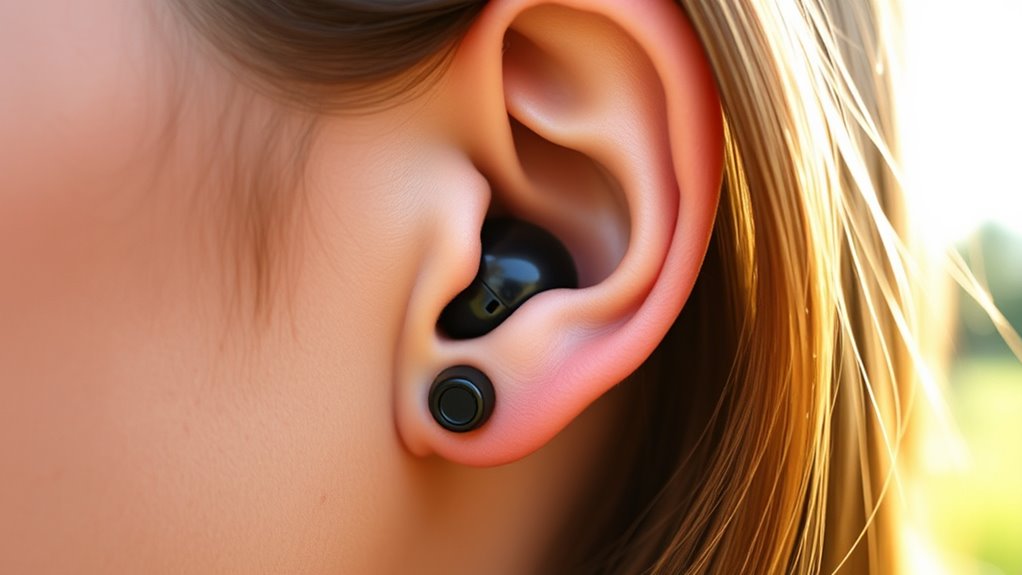

To wear earbuds correctly, start by selecting the right type and size for your needs. Guarantee a snug fit by testing different ear tips, as a proper seal enhances sound quality and comfort. Insert the earbuds at a slight angle for ideal placement. Maintain hygiene by cleaning regularly and storing them in a dry case. Pay attention to volume levels to protect your hearing, and you’ll discover more tips on getting the most from your earbuds.
Understanding Earbud Types
When you’re choosing earbuds, it’s essential to understand the different types available, as each is designed for specific uses and preferences. Wired earbuds typically offer superior sound quality and lower price ranges, making them a popular choice for audiophiles. In contrast, wireless earbuds provide the freedom of movement and often come with advanced features like noise cancellation, enhancing your listening experience in noisy environments. When comparing brands, consider comfort features and design styles, as these can greatly impact usability over long periods. Whether you prioritize portability or audio fidelity, knowing the options available allows you to make an informed choice tailored to your lifestyle and needs.
Choosing the Right Earbud Size
Choosing the right earbud size is essential for ideal sound quality and comfort. You’ll want to test various sizes to find the best fit, as a proper seal enhances audio performance and minimizes external noise. Additionally, consider the material types, as they can affect both comfort and sound isolation.
Importance of Proper Fit
Although many people underestimate the significance of earbud fit, selecting the right size can greatly enhance both comfort and sound quality. A proper fit not only guarantees ear comfort but also maximizes sound isolation, allowing you to enjoy your audio without distractions. Here are key points to take into account:
- A snug fit prevents earbuds from falling out during movement.
- Proper sizing reduces ear fatigue, letting you listen for longer periods.
- The right size enhances bass response, improving overall sound quality.
- Good fit minimizes external noise interference.
- Customizable options can cater to individual ear shapes.
Investing time in finding your ideal earbud size is essential for a superior audio experience. Prioritize ear comfort and sound isolation to fully enjoy your music.
Testing Earbud Sizes
Finding the right earbud size can make all the difference in your listening experience. Proper sizing enhances earbud compatibility and guarantees effective sound isolation, allowing you to enjoy your audio without distractions. To test different sizes, follow the table below:
| Size | Compatibility | Sound Isolation |
|---|---|---|
| Small | Limited | Moderate |
| Medium | Ideal | High |
| Large | Variable | Very High |
Try each size for fit and comfort. A snug fit prevents earbuds from falling out, while providing a seal that enhances sound isolation. Remember, the right size not only improves audio quality but also contributes to overall comfort during extended use.
Choosing Material Types
When selecting earbuds, the type of material can greatly impact sound quality and comfort. You’ll want to evaluate various factors to guarantee you get the best experience. Here’s what to look for:
- Silicone: Offers flexibility and comfort; great for extended use.
- Foam: Provides excellent noise isolation, conforming to your ear shape.
- Plastic: Lightweight and durable, but may lack some sound quality.
- Metal: Enhances material durability and often improves sound clarity.
- Rubber: Good for a snug fit and can be more resistant to wear.
Choosing the right earbud material guarantees not only improved sound quality but also lasting comfort, allowing you to enjoy your audio freedom without compromise.
Correct Insertion Techniques
To guarantee ideal sound quality and comfort, it’s essential to master the correct insertion techniques for your earbuds. Begin by gently pulling your ear upwards and outwards, which helps align the ear canal. Insert the earbud at a slight angle, aiming to direct it into the canal rather than straight in. This angle promotes a better seal, enhancing sound isolation and bass response. Make sure the earbud sits snugly but comfortably, avoiding any pressure that could lead to discomfort. If your earbuds come with different-sized tips, experiment to find the best fit for your ear canal. Proper insertion techniques not only improve audio quality but also enhance your overall listening experience, allowing you to enjoy your music freely.
Ensuring a Secure Fit
After achieving proper insertion, the next step is guaranteeing a secure fit for your earbuds. A proper fit not only enhances sound quality but also prevents discomfort during prolonged use. Here’s how to perform earbud adjustments effectively:
Ensuring a secure fit for your earbuds enhances sound quality and comfort during extended use.
- Test different ear tips to find the right size.
- Slightly twist or reposition the earbuds for stability.
- Check for any gaps between the earbud and your ear canal.
- Perform fit testing by shaking your head gently; guarantee they stay in place.
- Adjust the cable length if applicable to avoid pulling.
Maintaining Earbud Hygiene
Although earbuds enhance your listening experience, they can also accumulate dirt, sweat, and bacteria, making regular cleaning vital for maintaining hygiene. To guarantee ideal earbud cleaning, use a soft, lint-free cloth and a mild solution of water and isopropyl alcohol. Gently wipe the surfaces and avoid getting moisture in any openings. For the ear tips, detachable silicone or foam tips can be cleaned separately with soap and water; be sure to dry them thoroughly before reattaching. Proper earbud storage is also essential—store them in a clean, dry case when not in use to prevent dust accumulation. Regular maintenance not only promotes hygiene but also prolongs the lifespan of your earbuds, guaranteeing a better auditory experience.
Being Mindful of Volume Levels
When using earbuds, it’s essential to maintain an ideal volume range to protect your hearing. Listening at high volumes can lead to long-term damage, so consider using hearing protection tips and taking breaks. Additionally, stay aware of your surroundings to guarantee safety while enjoying your audio experience.
Optimal Volume Range
To protect your hearing and enhance your listening experience, it is crucial to be mindful of the volume levels when using earbuds. Maintaining a suitable listening range can help prevent long-term damage and guarantee clarity in your audio. Here are some guidelines for safe volume:
- Keep the volume below 60% of the maximum level.
- Use noise-canceling features to reduce external sounds.
- Take breaks every hour to rest your ears.
- Monitor your listening habits; if you hear ringing afterward, it’s too loud.
- Test different environments; adjust volume based on background noise.
Hearing Protection Tips
Since protecting your hearing is essential for enjoying music and maintaining overall ear health, it’s important to adopt mindful practices while using earbuds. To minimize the risk of hearing loss, keep your volume at a safe level—generally, no more than 60% of maximum volume. Prolonged sound exposure at high volumes can lead to irreversible damage, so consider using noise-canceling earbuds to reduce the need for increased volume in noisy environments. Take regular breaks during listening sessions; the 60/60 rule—listening for 60 minutes at 60% volume—can be a useful guideline. Finally, be aware of any signs of discomfort or ringing in your ears, as these could indicate overexposure. Prioritize your hearing health to enjoy music freely and safely.
Awareness of Surroundings
While enjoying your favorite tunes, it’s crucial to remain aware of your surroundings to guarantee both your safety and hearing health. High volume levels can drown out critical surrounding sounds, impairing your situational awareness. Here are some tips to keep in mind:
- Keep the volume at a level where you can still hear ambient noise.
- Use transparency or ambient modes if available on your earbuds.
- Take breaks to assess your environment periodically.
- Stay alert in crowded or unfamiliar areas.
- Consider using one earbud instead of both in certain situations.
Frequently Asked Questions
Can I Wear Earbuds While Exercising or Running?
Absolutely, you can wear earbuds while exercising or running. Just make certain they fit comfortably, as sound quality can diminish with movement. Prioritize a secure fit to enhance your freedom and enjoyment during workouts.
Are There Best Practices for Sharing Earbuds With Others?
When sharing earbuds, prioritize proper hygiene by cleaning them before and after use. Follow sharing etiquette; avoid sharing if you’re sick, and consider using disposable covers to enhance comfort and cleanliness for everyone involved.
How Often Should I Replace My Earbuds?
You should replace your earbuds every 1-2 years, depending on their lifespan and use. Look for replacement indicators like diminished sound quality, physical damage, or battery issues to guarantee peak performance and enjoyment.
Can Earbuds Cause Hearing Damage Over Time?
Yes, earbuds can cause hearing damage over time if you don’t use proper hearing protection. Listening at high sound levels for extended periods increases the risk of noise-induced hearing loss, so keep volume moderate.
What Should I Do if My Earbuds Fall Out Frequently?
If your earbuds fall out frequently, guarantee a proper earbud fit by trying different sizes of tips. Regular earbud maintenance, like cleaning and checking for damage, can also enhance comfort and stability during use.
