

Wiring car speakers correctly is crucial for achieving optimal sound quality from your vehicle’s audio system. This guide will take you through the entire process of wiring car speakers, from gathering the necessary tools and materials to ensuring proper connections for the best audio performance. By following these steps, you can significantly enhance your in-car listening experience.
Gather Necessary Tools and Materials
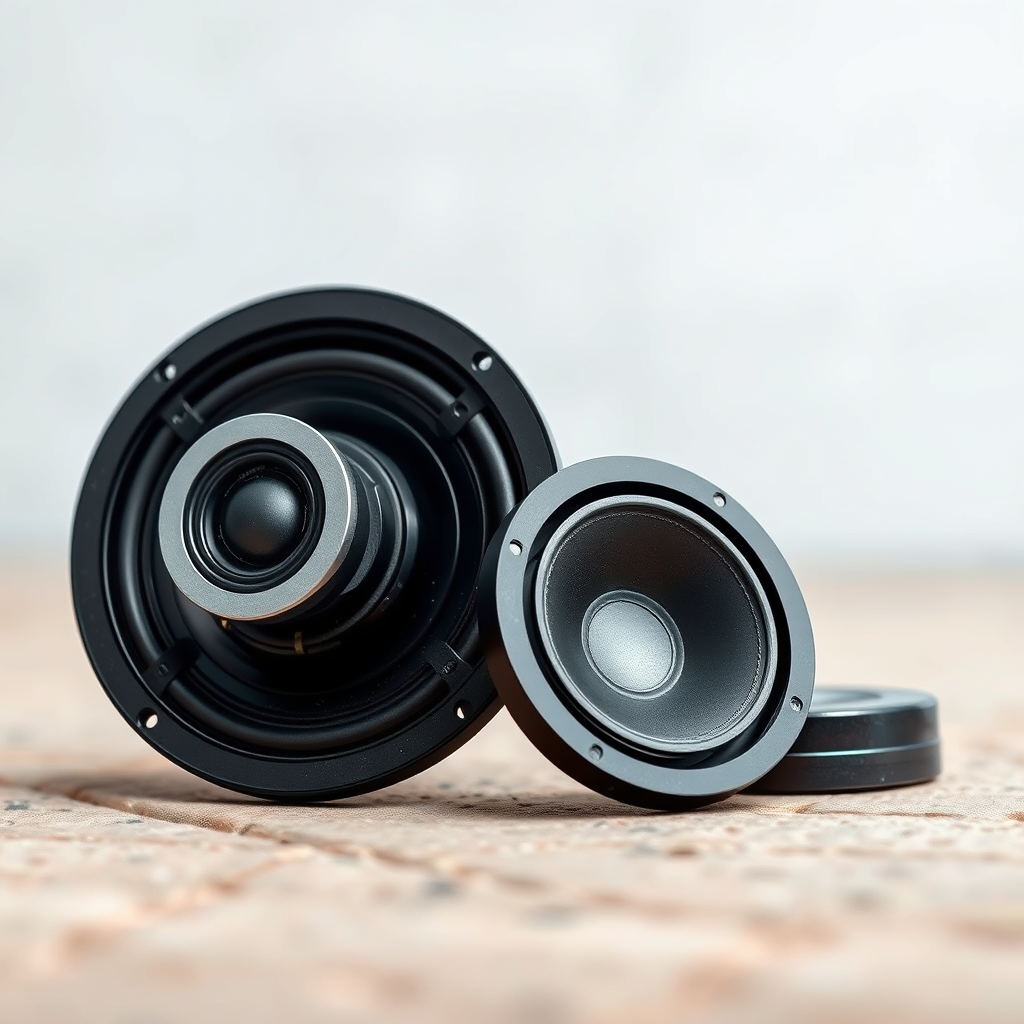
Before diving into the wiring process, it’s essential to gather all the necessary tools and materials. This preparation will not only make the process smoother but also ensure that you have everything you need at hand.
– Wire strippers and crimpers: These tools are essential for preparing the speaker wires. Wire strippers will help you remove insulation from the wires without damaging them, while crimpers are used for securely connecting wires together.
– Speaker wire: Selecting the appropriate gauge of speaker wire is vital for ensuring quality sound. For most car audio systems, 16-gauge wire is sufficient; however, if you’re powering high-performance speakers or a subwoofer, you may want to consider a thicker gauge, such as 14-gauge.
– Electrical tape or heat shrink tubing: These materials are used for securing and insulating connections, preventing shorts, and ensuring long-lasting performance. Heat shrink tubing provides a more durable and professional finish compared to electrical tape.
Having these tools and materials ready will save you time and frustration during the installation process.
Disconnect the Car Battery
Safety should always be your top priority when working with your car’s electrical system.
– Safety first: Always disconnect the negative terminal of your car battery before starting any electrical work. This precaution prevents any accidental electrical shorts that could damage your vehicle or injure you.
– Ensure all settings are saved: Before you disconnect the battery, make a note of your audio settings. This step is important so you can restore your preferred settings once the wiring is complete.
Taking these precautions will help ensure a safe and efficient installation process.
Remove the Door Panels or Speaker Covers
To access the speakers, you will need to remove the door panels or speaker covers.
– Use appropriate tools: Depending on your vehicle model, you may need a screwdriver, panel removal tool, or trim removal tool to take off the panels. Consult your vehicle’s manual for specific instructions related to your model.
– Handle with care: Be gentle when removing the panels to avoid damaging any clips or the panel itself. It’s advisable to keep track of all screws and clips removed during this process to make reassembly easier.
This step is critical, as it allows you to access the speaker wires that need to be connected.
Identify and Connect Speaker Wires
Once you have access to the speaker area, it’s time to identify and connect the speaker wires.
– Match positive and negative wires: Typically, the positive wires are marked with a stripe or a specific color (often red or yellow), while the negative wires are usually black or white. Make sure to identify them correctly to avoid any phase issues, which can lead to poor sound quality.
– Use crimp connectors or solder for secure connections: Crimp connectors are easy to use and provide a solid connection. Alternatively, soldering the wires together can create a more permanent and reliable connection. Ensure that wires are firmly connected, as loose connections can result in audio issues or speaker damage.
Taking the time to make accurate and secure connections will contribute significantly to the overall performance of your audio system.
Test the Connections Before Reassembly
Before putting everything back together, it’s crucial to test your connections.
– Reconnect the battery temporarily: To check if the speakers work, reconnect the negative terminal of the battery and turn on your car’s stereo.
– Listen for clarity and sound quality: Play a variety of audio tracks to ensure that the sound is clear and that there are no distortions. If you notice any issues, double-check your connections before proceeding.
Testing your connections will help you identify and rectify any problems before reassembling your vehicle’s interior.
Reassemble Door Panels or Covers
After confirming that everything is working correctly, you can begin reassembling the door panels or speaker covers.
– Carefully put everything back: Replace all clips and screws in the same order you removed them. Ensure that the panels fit snugly back into place without forcing them, as this could lead to damage.
– Double-check functionality: Once everything is back in place, it’s a good idea to test the speakers one more time. This final check ensures that any movement during reassembly hasn’t affected the connections.
Proper reassembly is just as important as the installation process itself, ensuring both functionality and aesthetics.
Troubleshooting Common Issues
Even after following the steps above, you may encounter some common issues. Here are a few troubleshooting tips:
– No sound: If you hear no sound from the speakers, check all connections to ensure they are secure. Additionally, verify that the stereo is functioning properly and that the volume is turned up.
– Distorted sound: Distortion can occur if speaker wires are crossed or if your speakers are not compatible with the amplifier. Double-check the wiring configuration and ensure that all components are appropriately matched.
By addressing these common issues, you can ensure a high-quality audio experience in your vehicle.
Top 7 Speaker Wire Types for Car Audio (2024)
| # | Wire Type | Gauge | Material | Best For |
|---|---|---|---|---|
| 1 | OFC Wire | 16 | Copper | High-End Systems |
| 2 | CCA Wire | 16 | Copper Clad Aluminum | Budget Builds |
| 3 | Standard Wire | 18 | Copper | General Use |
| 4 | Twisted Pair Wire | 16 | Copper | Noise Reduction |
| 5 | Flat Wire | 16 | Copper | Space Saving |
| 6 | Marine Wire | 14 | Copper | Waterproof Use |
| 7 | High-Roll Wire | 12 | Copper | High-Power Systems |
In conclusion, wiring car speakers is a straightforward process that can greatly improve your in-car audio experience. By following these steps—gathering the right tools, disconnecting the battery, removing panels, connecting wires, testing connections, and reassembling—you will be well on your way to enjoying high-quality sound. If you found this guide helpful, consider sharing it with others or exploring more audio upgrade tips for your vehicle!
Frequently Asked Questions
How do I wire car speakers to a head unit?
To wire car speakers to a head unit, first, ensure the car is turned off and disconnect the battery. Strip the ends of the speaker wires, then connect the positive wire (usually red) from the head unit to the positive terminal of the speaker, and do the same with the negative wires (usually black). Secure the connections with wire connectors or electrical tape to prevent any short circuits.
What tools do I need to wire car speakers?
To wire car speakers, you will need basic tools like wire strippers, a screwdriver, and possibly a crimping tool for connectors. Additionally, having zip ties or electrical tape on hand will help manage wires and ensure a clean installation. A multimeter can also be useful for checking connections and ensuring proper functionality.
Why is my car speaker not working after wiring?
If your car speaker is not working after wiring, check for loose connections or faulty wiring. Ensure that the positive and negative wires are correctly connected and that there are no breaks in the wire. Additionally, verify that the head unit is functioning properly and that the speaker itself is not damaged.
What is the best way to connect multiple car speakers?
The best way to connect multiple car speakers is to wire them in parallel for more power or in series for higher impedance. When wiring in parallel, ensure that the total impedance does not drop below what the head unit can handle. Always double-check the speaker and head unit specifications to avoid damaging your equipment.
Which speaker wire gauge should I use for my car speakers?
The recommended speaker wire gauge for car speakers typically ranges from 16 to 14 AWG, depending on the distance between the head unit and the speakers. For longer runs, a lower gauge (thicker wire) is preferable to minimize resistance and ensure optimal sound quality. Always choose a wire gauge that matches your speaker’s power requirements for the best performance.
References
- https://www.crutchfield.com/S-3j0xA7gB5he/learn/wiring-car-speakers.html
https://www.crutchfield.com/S-3j0xA7gB5he/learn/wiring-car-speakers.html - https://www.edmunds.com/car-technology/how-to-install-car-speakers.html
https://www.edmunds.com/car-technology/how-to-install-car-speakers.html - https://www.sciencedirect.com/topics/engineering/car-audio-systems
https://www.sciencedirect.com/topics/engineering/car-audio-systems - Loudspeaker | Definition, Types, & Facts | Britannica
https://www.britannica.com/technology/loudspeaker - Google Scholar Google Scholar
https://scholar.google.com/scholar?q=how+to+wire+car+speakers - Google Scholar Google Scholar
https://scholar.google.com/scholar?q=car+audio+installation - Google Scholar Google Scholar
https://scholar.google.com/scholar?q=car+speaker+wiring+techniques - https://www.autozone.com/diy/car-audio/how-to-install-car-speakers
https://www.autozone.com/diy/car-audio/how-to-install-car-speakers - how to wire car speakers – Search results
https://en.wikipedia.org/wiki/Special:Search?search=how+to+wire+car+speakers - https://www.ncbi.nlm.nih.gov/search/research-articles/?term=how+to+wire+car+speakers
https://www.ncbi.nlm.nih.gov/search/research-articles/?term=how+to+wire+car+speakers
