
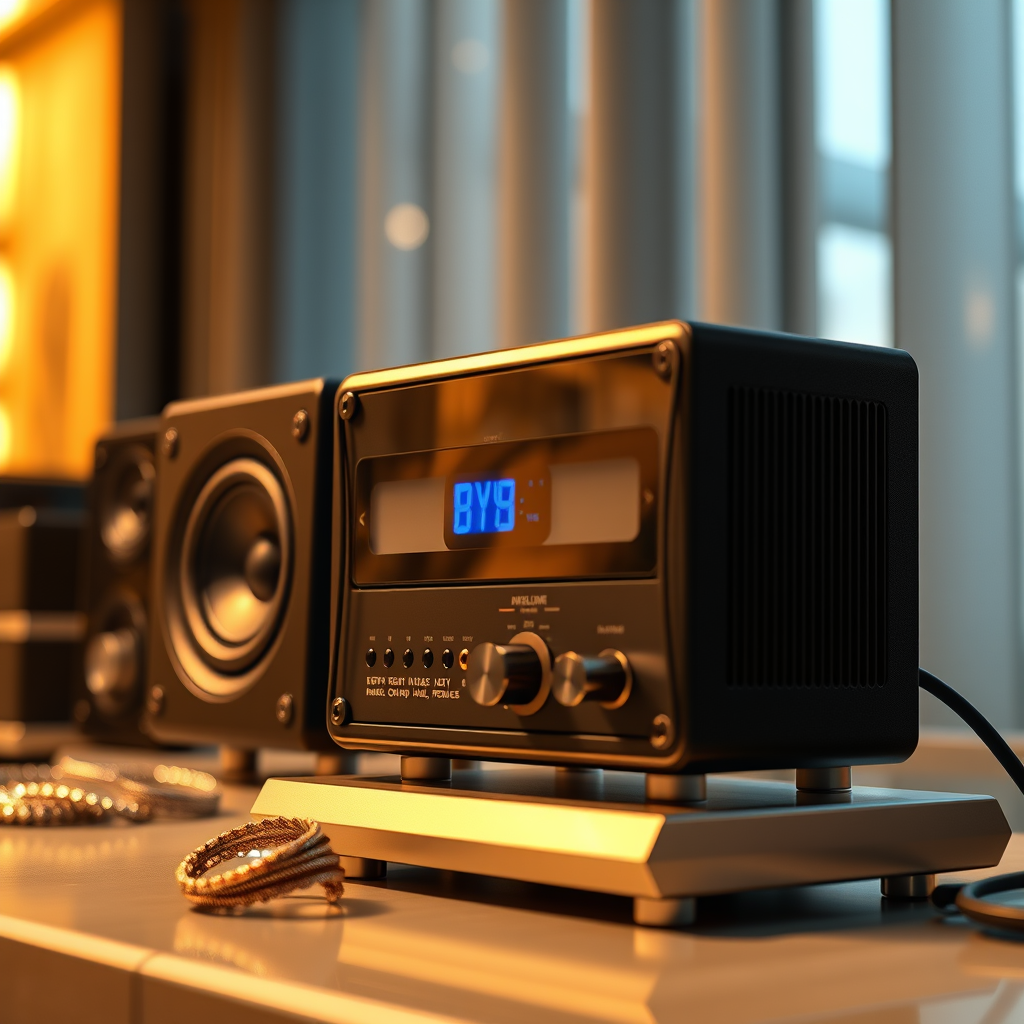

An amplifier for speakers is an electronic device that enhances audio signals, making them powerful enough to drive speakers and produce sound at a desirable volume. Amplifiers are essential components in audio systems, as they ensure that the sound produced is clear, loud, and faithful to the original recording. In this article, you will learn about the function of amplifiers, their different types, and how they contribute to an enhanced audio experience.
Understanding the Function of an Amplifier
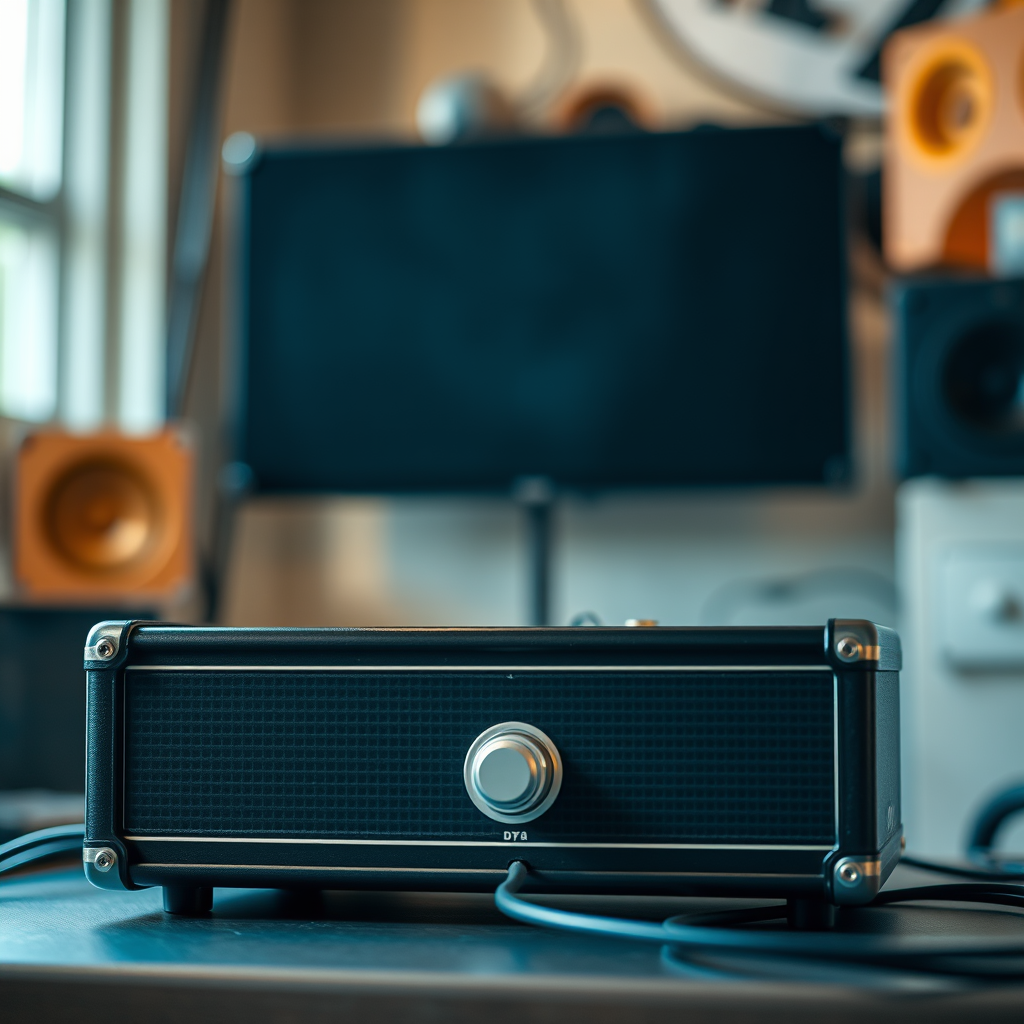
Amplifiers serve a crucial role in audio systems by increasing the power of audio signals. When sound is created, it often starts from low-level signals generated by devices like microphones, musical instruments, or audio players. These low-level signals need to be amplified significantly to reach a volume that can drive speakers effectively.
The primary function of an amplifier is to convert these low-level audio signals into high-level outputs that are suitable for driving speakers. This amplification process involves various electronic components that boost the signal’s amplitude without altering its original quality. As a result, listeners can enjoy sound that is not only louder but also clearer and more dynamic. In high-fidelity audio systems, the quality of the amplification can directly influence the listening experience, making it essential to choose the right amplifier for specific audio needs.
Types of Amplifiers
Amplifiers can be classified into several types, each with its own features and benefits. Here are two of the most common types:
– Class A Amplifiers: Known for delivering high fidelity and excellent sound quality, Class A amplifiers operate by conducting over the entire input cycle. This design results in minimal distortion and high linearity, making them ideal for audiophiles who prioritize sound quality. However, they are less efficient, often generating significant heat and consuming more power than other amplifier classes.
– Class D Amplifiers: In contrast, Class D amplifiers are known for their high efficiency and compact size. They use a switching method to amplify the audio signal, making them ideal for modern audio systems, especially in portable devices like smartphones and Bluetooth speakers. While they may not achieve the same sound quality as Class A amplifiers, advancements in technology have significantly improved their performance, making them suitable for a wide range of applications.
Components of an Amplifier
To understand how an amplifier works, it’s essential to recognize its key components:
– Input Stage: This is where audio signals are received from various sources such as microphones, instruments, or audio players. The input stage prepares the signal for amplification by providing necessary buffering and impedance matching.
– Power Supply: The power supply is crucial as it provides the necessary power for the amplification process. It converts the electrical energy from the wall outlet into a form that the amplifier can use effectively.
– Output Stage: This component delivers the amplified signal to the speakers. It converts the boosted signal into a form that can be used to drive the speakers, ensuring that the sound produced is powerful and clear.
Top 7 Amplifier Brands by Popularity (2024)
| # | Brand | Type | Power Output (W) | Price ($) |
|---|---|---|---|---|
| 1 | Yamaha | Class A/B | 100 | 500 |
| 2 | Sony | Class D | 120 | 700 |
| 3 | Denon | Class A/B | 130 | 600 |
| 4 | Marantz | Class A/B | 90 | 800 |
| 5 | NAD | Class A/B | 150 | 900 |
| 6 | Onkyo | Class D | 100 | 550 |
| 7 | Cambridge Audio | Class A/B | 80 | 400 |
How Amplifiers Affect Sound Quality
The quality of amplification can significantly impact clarity, depth, and overall audio fidelity. An amplifier’s ability to accurately reproduce sound without introducing distortion is crucial for achieving high-quality audio. Higher-end amplifiers often utilize advanced technologies and components to minimize noise and distortion, resulting in a cleaner sound.
For example, Class A amplifiers excel in producing a warm and rich sound, making them a favorite among audiophiles who appreciate detailed audio reproduction. On the other hand, Class D amplifiers, while efficient, may introduce slight distortion at higher volumes. However, many modern Class D amplifiers are designed to mitigate these issues, providing a balanced sound that meets the needs of most listeners.
Additionally, the choice of amplifier can influence the dynamic range of audio. A well-matched amplifier can deliver a more powerful and immersive listening experience, allowing listeners to hear nuances in music that they might otherwise miss.
Choosing the Right Amplifier for Your Speakers
When selecting an amplifier for your speakers, several factors must be considered to ensure compatibility and optimal performance:
– Speaker Impedance: Most speakers have an impedance rating, typically 4, 6, or 8 ohms. It’s essential to choose an amplifier that can handle the impedance of your speakers to prevent damage and achieve the best sound quality.
– Power Requirements: The amplifier’s power output should match or exceed the power rating of your speakers. An underpowered amplifier can lead to distortion and potential damage to both the amplifier and speakers, while an overpowered amplifier can provide more dynamic range and clarity.
– Listening Space: The size of your listening area can dictate the power requirements of your amplifier. Larger spaces may require more powerful amplifiers to fill the area with sound, while smaller rooms can often be adequately served by less powerful units.
By considering these factors, you can select an amplifier that not only meets your technical requirements but also enhances your overall audio experience.
Setting Up Your Amplifier
Setting up your amplifier correctly is crucial for achieving optimal performance. Here are some key steps to consider:
– Proper Placement: Position your amplifier in a well-ventilated area to prevent overheating. Avoid placing it in enclosed spaces or near other heat-generating electronics.
– Connections: Ensure that your amplifier is connected correctly to both the audio source (like a CD player or streaming device) and the speakers. Use high-quality cables to minimize signal loss and interference.
– Settings Adjustments: Most amplifiers come with adjustable settings such as gain and equalization. Fine-tuning these settings according to your listening preferences can significantly enhance your sound experience.
By following these setup guidelines, you can maximize the performance of your amplifier and enjoy a richer, more immersive audio experience.
In summary, amplifiers play a crucial role in delivering powerful audio signals to speakers, enhancing overall sound quality. Understanding the types, functions, and setup of amplifiers can help you make informed decisions when building or upgrading your audio system. For further assistance or product recommendations, consider reaching out to audio professionals or exploring reputable audio equipment retailers.
Frequently Asked Questions
What is an amplifier for speakers and how does it work?
An amplifier for speakers is an electronic device that boosts audio signals to a level suitable for driving speakers. It takes a low-level audio signal from a source, such as a smartphone or computer, and increases its power so that it can produce sound at a higher volume without distortion.
How do I know if I need an amplifier for my speakers?
You may need an amplifier for your speakers if they are passive speakers, which require an external power source to operate. Additionally, if you’re looking to increase sound quality and volume beyond what your audio source can provide, an amplifier will enhance your listening experience significantly.
Why is it important to match the amplifier with my speakers?
Matching the amplifier with your speakers is crucial to ensure optimal performance and prevent damage. If the amplifier’s power rating is too high for the speaker’s capacity, it can lead to distortion or burn out the speakers; conversely, an underpowered amplifier may not drive the speakers effectively, resulting in weak sound.
What is the best type of amplifier for home audio systems?
The best type of amplifier for home audio systems typically depends on your specific needs, but a solid-state amplifier is popular for its reliability and clarity. Additionally, integrated amplifiers, which combine a preamplifier and power amplifier in one unit, offer convenience and are ideal for most home setups.
Which features should I look for in a quality speaker amplifier?
When searching for a quality speaker amplifier, look for features like adjustable power output, low total harmonic distortion (THD), and compatibility with your speakers’ impedance. Other important features include multiple input options, built-in EQ settings, and protection circuitry to safeguard against overload.
References
- Amplifier
https://en.wikipedia.org/wiki/Amplifier - Amplifier | Audio, Signal Processing & Volume Control | Britannica
https://www.britannica.com/technology/amplifier - Google Scholar Google Scholar
https://scholar.google.com/scholar?q=what+is+an+amplifier+for+speakers - https://www.sciencedirect.com/topics/engineering/amplifier
https://www.sciencedirect.com/topics/engineering/amplifier - https://www.nature.com/articles/s41598-020-67684-2
https://www.nature.com/articles/s41598-020-67684-2 - https://pubmed.ncbi.nlm.nih.gov/27114074/
https://pubmed.ncbi.nlm.nih.gov/27114074/ - Google Scholar Google Scholar
https://scholar.google.com/scholar?q=audio+amplifier+functionality - https://www.analog.com/en/technical-articles/a-brief-overview-of-amplifiers.html
https://www.analog.com/en/technical-articles/a-brief-overview-of-amplifiers.html - Google Scholar Google Scholar
https://scholar.google.com/scholar?q=speaker+amplifier+design - what is an amplifier for speakers – Search results
https://en.wikipedia.org/wiki/Special:Search?search=what+is+an+amplifier+for+speakers

[…] strong Wi‑Fi coverage, especially when streaming 4K HDR. Chromecast (device models vary) includes power requirements that may mean you need a nearby outlet or powered USB […]
[…] According to ENERGY STAR standby power requirements, TVs are designed to draw limited standby power; unplugging fully removes power so resets behave […]