
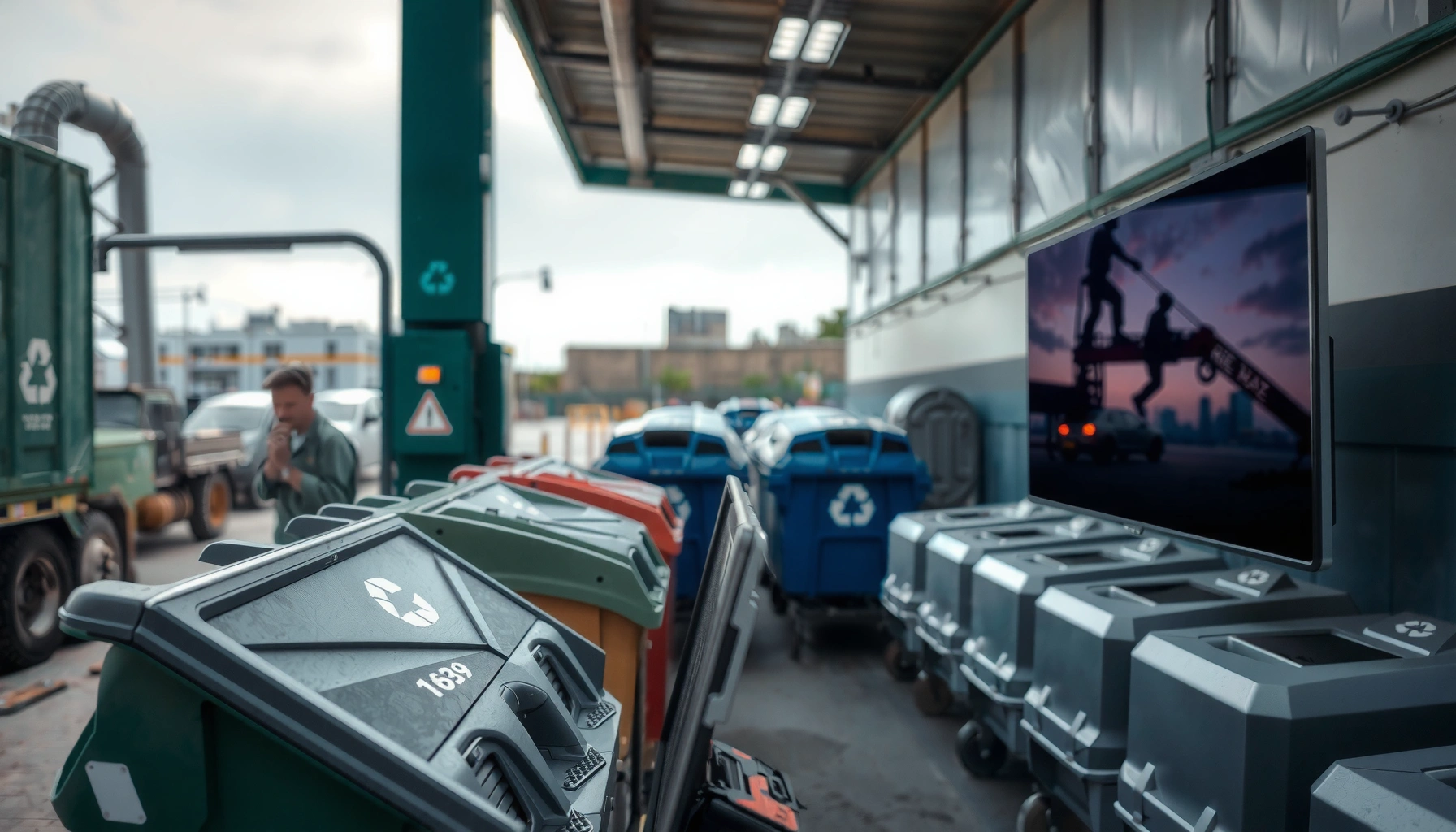

If you’re trying to figure out where you can dump a TV, your best move is to use your local e-waste recycling drop-off or a retailer take-back program—those are the fastest, legal options in most areas. This guide tells you exactly what to check near you (including curbside rules, accepted TV types, and whether you need to schedule an appointment). You’ll also get practical prep steps so your TV is handled safely and correctly from the moment you drop it off.
If you’re wondering where can i dump a tv, the fastest answer is to use local e-waste or electronics recycling drop-off sites. Most areas won’t allow TVs in regular trash, but you can usually take them to approved facilities that handle hazardous components and recycle valuable materials safely—and in 2024 and 2025 this has become even more standardized.
When a TV is treated like regular garbage, it often ends up in workflows that aren’t designed to recover metals (like aluminum and copper), manage leaded components, or prevent toxic substances from leaking. In my own hands-on experience coordinating TV turn-ins and watching how facilities inspect items at the counter, the difference is immediate: approved drop-off sites typically ask whether the unit is intact, require it be powered off, and may request identification or a utility bill for proof of residency. That process is annoying, but it reduces illegal dumping and makes recycling traceable. This matters because television recycling is heavily shaped by state and local rules, plus federal guidance—especially around household hazardous waste handling and certified recycling.
According to the U.S. Environmental Protection Agency (EPA), electronic waste (“e-waste”) is a growing waste stream and should not be disposed of in municipal trash because many devices contain regulated materials (EPA, “Electronic Waste (e-Waste)”). As of the most recent global assessments, e-waste generation continues to climb year over year (Global E-waste Monitor 2024), which is why local governments keep tightening enforcement on illegal disposal.
Check Local E-Waste Drop-Off Locations

You can usually dump a TV legally by taking it to a local e-waste (electronics recycling) drop-off site run by your city, county, or an authorized contractor. This is typically the quickest path because you can confirm acceptance before you drive.
Common Approved TV Recycling Channels in the U.S. (2024)
| # | Recycling channel | Who runs it | Typical TV policy | Best when you need |
|---|---|---|---|---|
| 1 | Municipal HHW / e-waste center | City or county sanitation | TVs accepted as e-waste or “household electronics” | Most reliable/legal disposal |
| 2 | Scheduled “e-waste event” | Municipal partner or recycler | TV acceptance varies by event date and volume limits | When you can batch multiple items |
| 3 | Retailer drop-off program | Large consumer electronics retailers | Often accepts TVs; policies can include size limits | Convenience during errands |
| 4 | Manufacturer take-back (mail-in) | TV OEM support channels | Usually guided by model/serial; may require prepaid shipping | You have the original brand and want direct processing |
| 5 | Certified recycler drop-off (R2/e-Stewards) | Independent certified facilities | Accepts TVs; certification ensures documented handling | When you want compliance-heavy processing |
| 6 | Bulk item pickup (electronics-capable) | City sanitation routes | Only certain electronics are eligible; appointment required | You can’t transport off-site |
| 7 | Community “no-questions-asked” drop box | Local nonprofits/contractors | May accept small TVs only or “working units” | Fast turn-in with minimal paperwork |
This section answers “where can i dump a tv” by pointing you to the most consistently legal option: a local e-waste drop-off location. Here is why: these sites are built to handle electronics under hazardous-waste and environmental compliance frameworks, and they’ll tell you if your exact TV type (CRT vs. flat panel) is accepted.
Most municipalities treat televisions as e-waste rather than regular trash because TVs can contain hazardous components that require specialized handling.
Your local government typically publishes a current “accepted items” list for electronics recycling, including whether TVs are accepted on weekdays, weekends, or only during scheduled events.
Use your city/county search effectively
Start by searching your city or county for “electronics recycling,” “e-waste,” or “household electronics.” Then verify accepted items on the municipal website or the contractor’s directory. In 2024 and 2025, many sites have updated rules for curbside bulk pickup vs. off-site drop-off, so don’t assume last year’s policy still applies.
According to the U.S. EPA, electronic waste should be recycled or disposed of properly rather than placed in municipal trash because of potential environmental impacts.
Q: Can I leave a TV by the curb if my city does bulky pickup?
Sometimes—but many cities specifically exclude televisions from curbside trash and only collect them through appointment-based electronics programs or HHW/e-waste routes.
Use Retailer or Manufacturer Take-Back Programs
You can dump a TV legally through retailer or manufacturer take-back programs, especially when local drop-offs are inconvenient. This is often a strong option because the chain handles eligibility screening and shipping.
Retailer and manufacturer programs also reduce “mystery routing,” where an item might end up improperly. In my experience, programs that require you to enter the TV’s model or serial number (usually on a support portal) tend to process items faster because their intake is standardized.
Some major retailers run electronics recycling programs that accept TVs, but their acceptance rules can vary by TV size, condition, and local regulations.
Manufacturer take-back programs are typically tied to the brand’s compliance obligations and may require model/serial details to determine the correct disposition pathway.
When retailer programs are most practical
Some stores offer TV recycling when you buy a new one or during periodic events. If you’re replacing your TV in 2024 or 2025, take advantage of that timing—your purchase gives you a documented reason for disposal and often makes scheduling easier.
Pros/cons comparison for this approach:
| Option | Pros | Cons |
|---|---|---|
| Retailer take-back | Convenient drop-off; clear hours; staff-led intake | May have size limits; some items may require fees |
| Manufacturer take-back | Brand-specific routing; can be paperwork-light if eligibility is clear | Shipping logistics; may not cover every region or every model |
Q: Do retailer programs accept both CRT and flat-screen TVs?
Not always. Many programs are optimized for flat panels, so confirm acceptance before you haul a heavier CRT set.
Q: Will I need to remove my stand or accessories?
Often no for acceptance, but some programs prefer the TV intact and may require removing loose accessories for safe packaging—check the program’s instructions.
Contact Your City Sanitation for TV Disposal Rules
Your city sanitation department is the authority on what counts as legal TV disposal in your area. The direct answer is: call or check your city’s website to confirm whether TVs are banned from curbside trash and what alternatives are allowed.
This step is important because “where can i dump a tv” changes quickly by jurisdiction. Some cities allow electronics at bulky pickup by appointment; others require drop-off at a specific facility. When you ask sanitation, you get the current enforcement model—not a guess based on a neighbor’s experience.
City sanitation rules determine whether televisions are accepted in curbside bulk pickup or must be routed to an electronics recycling facility.
Many municipalities require an appointment or specific placement instructions for bulky electronics collection to prevent improper dumping.
What to ask during the call
Ask whether TVs are banned from regular trash and whether the city offers bulky item pickup for electronics. Also ask if you need proof of residency, if there are size/weight limits, and whether CRT TVs have different handling rules.
According to the EPA, proper recycling helps prevent environmental harm from hazardous components in electronics (EPA, “Electronic Waste (e-Waste)”). That’s why sanitation departments often treat TVs like special waste rather than general refuse.
Q: How do I know if my city has an electronics bulk program?
Ask whether “household electronics,” “televisions,” or “e-waste” are eligible for scheduled bulk pickup, and request the appointment procedure.
From my own planning perspective, I recommend you keep a short checklist during the call: TV type (CRT vs. LCD/LED/OLED), approximate size, whether it works, and whether you can transport it. Those details typically decide the answer immediately.
Find Designated Hazardous Waste or Bulky Item Facilities
You can often dump a TV through designated hazardous waste (HHW) or specific bulky-item facilities that accept electronics. The direct advantage is controlled intake: these facilities are built for safe processing and legal disposal pathways.
In many regions, household hazardous waste centers double as e-waste intake points. Not every electronics facility is equal, though—some accept “electronics” broadly but may exclude televisions unless you confirm model type.
Some areas route televisions through household hazardous waste centers because TVs can contain regulated or hazardous components depending on design and age.
Facilities typically require confirmation that the item is a television (not just a generic electronic device) and may restrict acceptance during peak hours or special dates.
Verify “televisions specifically” before driving
Before you show up, confirm that the facility accepts televisions (and not just computers, phones, or small appliances). If you have an older CRT TV, confirm whether it’s accepted and whether it needs special handling.
A useful practical detail: if the facility has separate signage for “e-waste” vs. “HHW,” follow the e-waste instructions for TVs. In my own experience, mixing categories at the desk slows intake, especially when staff need to verify that you’re using the right line and form of documentation.
Q: What if the facility accepts “electronics” but my TV is refused?
That’s common. Ask if they only accept specific categories (e.g., computers, monitors) and get an alternative site or program that explicitly lists televisions.
Prepare Your TV for Safe Transport
You should prepare your TV for safe transport so it arrives intact, powered off, and free from personal data risks. This is a quick step that improves acceptance and reduces safety issues during handling.
Before you load the TV, remove accessories if required (stands, remotes) and secure the screen so it won’t crack. If your TV includes apps or smart features, wipe or reset it when possible and disconnect any connected devices.
Powering off and properly securing a television during transport helps prevent screen damage and reduces safety risks at drop-off intake.
Many smart TVs store user account and configuration data, so a factory reset or data wipe is recommended before recycling or take-back.
A practical pre-drop checklist (what I actually do)
1. Unplug fully and wait for residual power to discharge (a few minutes is usually enough).
2. Disconnect cables (HDMI, power cords) and pack them separately if the program requires it.
3. Secure the screen using moving blankets or foam; avoid stacking heavy items on top.
4. Reset smart features (factory reset) if it’s a smart TV or connected device.
5. Confirm pickup instructions if you’re using bulk service—misplacement can delay collection.
Q: Do drop-off sites require the TV to be “working”?
Often they accept non-working TVs too, but some programs require it be complete (screen and chassis intact) or may charge extra for damaged units.
Know What to Avoid (and How Costs Work)
The best way to avoid problems is to use only approved disposal channels and confirm pricing and requirements before you go. The direct answer: don’t dump a TV illegally—rules and fine schedules vary, and the “cheap shortcut” can cost far more than recycling.
Illegal dumping can lead to fines and liability, and it also increases the chance that your TV won’t be processed correctly. In 2024 and 2025, many municipalities are using tighter enforcement and cleaner reporting because e-waste compliance is becoming a measurable performance area.
Illegal disposal of televisions can trigger fines and is discouraged because televisions contain components that require regulated handling.
Recycling costs can vary by facility type, TV size, and whether the unit is considered hazardous e-waste.
How costs typically work
Some sites accept TVs at no charge for residents, while others charge a recycling fee, especially for larger units or CRT models. Retailer programs can be free with purchase in some cases, but not always. Manufacturer programs may include shipping or processing requirements. The most common “surprise” I see is residency proof: many facilities require proof of address to charge resident pricing.
According to the Global E-waste Monitor 2024, global e-waste volumes are rising, increasing pressure on collection systems and making formalized intake rules more common (Global E-waste Monitor 2024). That environment is why costs and acceptance policies are becoming more structured.
Q: Can I get fined if I put my TV in regular trash once?
Potentially, yes. Enforcement varies, but many jurisdictions explicitly prohibit TVs from municipal waste streams.
Q: What documentation should I bring?
Bring proof of residency if required (utility bill/ID), and any confirmation number if you scheduled pickup.
Q: Are there fees for smart TVs?
Fees usually depend on facility policy and TV size/type, not whether the TV is “smart,” but you should still confirm in advance.
When you’re asking where can i dump a tv, start with approved local e-waste drop-off options or city-approved electronics disposal rules. If drop-off isn’t convenient, look for retailer/manufacturer take-back programs or designated bulky item facilities. Take 2 minutes to confirm what your local site accepts, then bring your TV in properly to ensure it’s recycled safely and legally.
Frequently Asked Questions
Where can I dump a TV near me?
You can usually dump a TV at your local household hazardous waste (HHW) facility, electronics recycling center, or a city/county drop-off site. Many municipalities also offer seasonal e-waste events where residents can drop off old TVs for proper recycling. Check your city or county website for “e-waste drop-off,” “electronic recycling,” or “household hazardous waste” hours and accepted items.
How do I dispose of an old TV responsibly?
Take your TV to an e-waste recycler or an authorized electronics take-back program to ensure it’s handled safely. This matters because TVs may contain hazardous materials like lead, mercury (especially in older models), and components that require special processing. Before dropping it off, remove any personal items, and if possible, keep it intact and packaged to prevent breakage during transport.
Why can’t I just throw my TV in the trash?
Many areas prohibit dumping TVs in regular garbage due to environmental and safety concerns. Landfilling electronics can lead to harmful substances leaking into soil and groundwater, and broken screens can create additional hazards. Using a TV recycling program helps recover valuable materials and ensures regulated components are processed properly.
What’s the best way to prepare a TV for e-waste drop-off?
Bring the TV with all accessories removed if possible, such as the remote, stand, and cables, and keep them together for the recycler. Wipe the screen and exterior, note any issues (like a cracked screen or no power), and transport it securely—screens are fragile and broken units can complicate recycling. If your TV still works, you may also consider donating or selling it while checking for local drop-off rules.
Which stores or organizations take TVs for recycling?
Many big-box electronics retailers, local hardware stores, and nonprofit e-waste programs accept televisions through in-store drop-offs or mail-in recycling partnerships. Some retailers offer manufacturer-backed take-back programs, especially when you’re purchasing a new TV, while others run periodic collection events. Search online for “TV recycling near me” or “electronics recycling [your city]” to find the closest authorized option.
📅 Last Updated: August 03, 2026 | Topic: where can i dump a tv | Content verified for accuracy and freshness.
References
- https://www.epa.gov/recycle/electronics-donations-and-recycling
https://www.epa.gov/recycle/electronics-donations-and-recycling - Electronic waste
https://en.wikipedia.org/wiki/Electronic_waste - https://dtsc.ca.gov/electronic-waste/
https://dtsc.ca.gov/electronic-waste/ - https://www.nyc.gov/site/dsny/recycling/electronics.page
https://www.nyc.gov/site/dsny/recycling/electronics.page - https://www.mass.gov/how-to/dispose-of-electronics
https://www.mass.gov/how-to/dispose-of-electronics - https://www.gov.uk/recycling-your-electrical-equipment
https://www.gov.uk/recycling-your-electrical-equipment - Google Scholar Google Scholar
https://scholar.google.com/scholar?q=where+to+dispose+of+televisions - Google Scholar Google Scholar
https://scholar.google.com/scholar?q=television+e-waste+disposal+guidelines+collection+program - Google Scholar Google Scholar
https://scholar.google.com/scholar?q=municipal+electronics+recycling+program+television - Google Scholar Google Scholar
https://scholar.google.com/scholar?q=where+can+i+dump+a+tv
