

If you’re wondering whether you need speakers for your turntable, the answer is yes, unless you have a built-in speaker system. Most turntables output sound to external speakers, which can greatly enhance your listening experience. The right speakers not only amplify the sound but also improve audio fidelity, making your vinyl collection sound as rich and vibrant as it was intended. In this article, we’ll delve into the reasons why speakers are necessary, the different types available, and how to choose the right ones for your setup.
Understanding Turntable Outputs
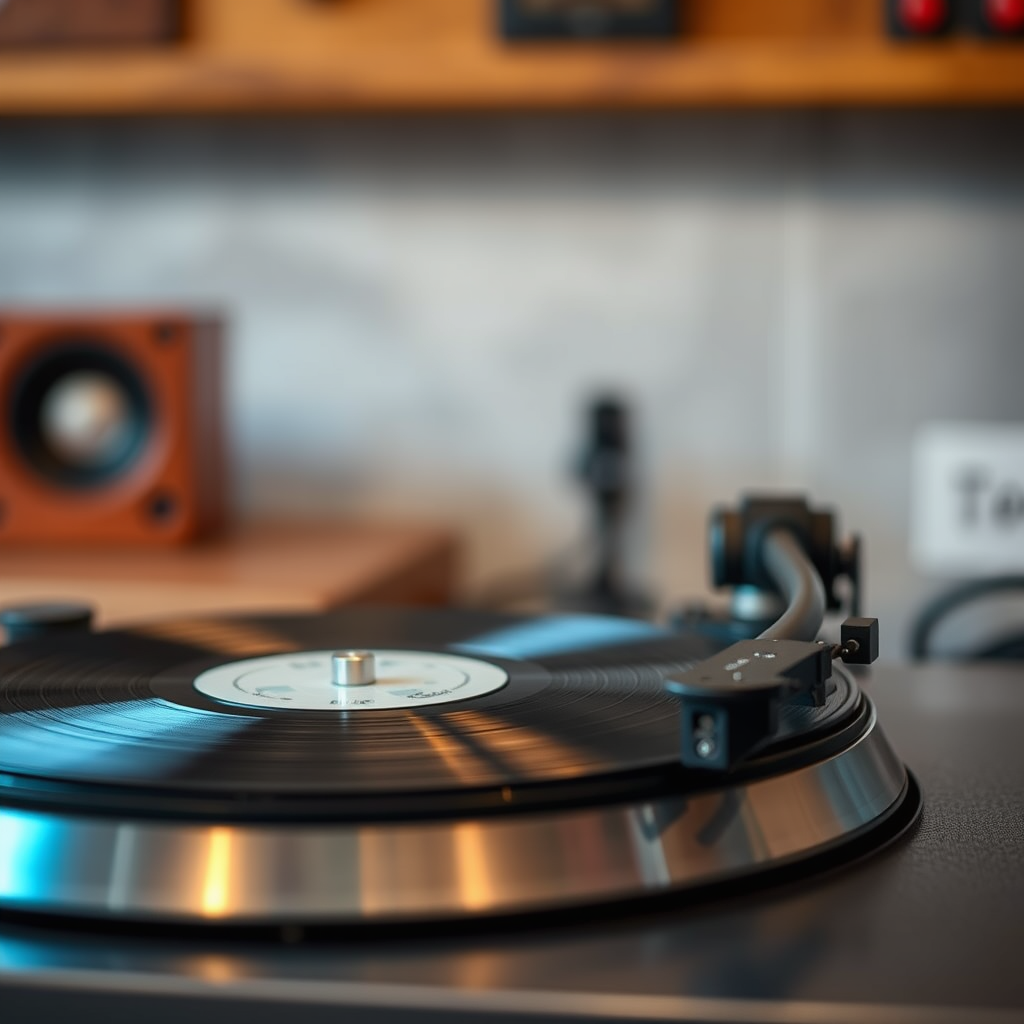
To comprehend why speakers are essential for your turntable, it’s important to understand how turntables output sound. Most traditional and high-fidelity turntables are equipped with RCA outputs, which are designed to connect directly to external speakers or an amplifier. This connection allows for a much clearer and more dynamic sound than what internal speakers can provide.
While some modern turntables come equipped with built-in speakers, they often fall short in sound quality. These integrated systems may suffice for casual listening, but they typically cannot match the depth, clarity, and overall audio experience delivered by external speaker systems. Therefore, if you aim to enjoy your vinyl collection fully, investing in a good set of external speakers is a wise decision.
Types of Speakers for Turntables
When selecting speakers for your turntable, you will encounter two primary types: passive and active speakers. Each type has its unique characteristics suited to different listening preferences.
– Passive Speakers: Passive speakers require an external amplifier to function. They often provide superior sound quality, making them the preferred choice for audiophiles who appreciate a rich and detailed audio experience. While the setup may be more complex, the investment in a high-quality amplifier and passive speakers typically pays off in terms of sound fidelity.
– Active Speakers: These speakers come with built-in amplifiers, making them easier to set up and use. They are ideal for casual listeners who want a straightforward experience without the need for additional equipment. Active speakers are often compact and can easily fit into smaller spaces while still delivering commendable audio quality.
The Role of an Amplifier
An amplifier plays a crucial role in the audio chain between your turntable and speakers. It boosts the audio signal from the turntable, allowing it to be heard at a higher volume through the speakers. Some turntables are equipped with a built-in preamp, which can simplify your setup by eliminating the need for an external amplifier. However, many high-end turntables require an external preamp to deliver optimal sound quality.
Understanding whether your turntable has a built-in preamp will significantly influence your speaker choice. If your turntable lacks this feature, you’ll need to ensure that your amplifier has adequate power and compatibility with both the turntable and the speakers.
Choosing the Right Speakers
When selecting speakers for your turntable, several factors should be considered to ensure an optimal listening experience:
– Room Size: The size of the room where you will be listening plays a vital role in determining the speaker power and type you need. Larger spaces may require more powerful speakers to fill the area with sound, while smaller rooms may benefit from compact speakers that won’t overwhelm the space.
– Compatibility: Ensure that the speakers you choose are compatible with your turntable and any additional audio equipment. Check the specifications of both the turntable and speakers, including impedance and power handling capacity, to ensure a seamless connection and performance.
– Listening Preferences: Consider your listening habits. If you enjoy a wide range of music genres, look for speakers that can handle various frequencies and sound profiles. For deep bass response, consider models that include a subwoofer or are designed for enhanced low-end performance.
Comparison of Popular Turntable Speakers
Top 7 Speakers for Turntables (2024)
| # | Speaker Model | Type | Power Output | Price |
|---|---|---|---|---|
| 1 | Audioengine A2+ | Active | 60W | $269 |
| 2 | Klipsch R-41PM | Active | 50W | $499 |
| 3 | Edifier R980T | Active | 24W | $99 |
| 4 | Bose Companion 2 Series III | Active | 50W | $149 |
| 5 | Sony SSCS5 | Passive | 100W | $149 |
| 6 | Yamaha NS-6490 | Passive | 150W | $299 |
| 7 | KEF Q150 | Passive | 100W | $599 |
Setting Up Your Turntable with Speakers
Setting up your turntable with the right speakers involves a few essential steps to ensure you achieve the best sound quality:
1. Connection: Use RCA cables to connect your turntable to the speakers or amplifier. Make sure to connect the right channel (usually marked red) and left channel (marked white) correctly to avoid sound imbalances.
2. Placement: Properly position your turntable and speakers to minimize interference and vibrations. Ideally, the speakers should be placed at ear level when seated, and at least a few feet apart to create a stereo soundstage.
3. Leveling: Ensure your turntable is leveled and stable. An uneven surface can lead to skips and distortions during playback. Invest in a spirit level to check the alignment of your turntable.
4. Testing: After setup, play a few records to test the sound quality. Adjust the speaker placement as necessary to enhance the audio experience, and consider experimenting with different volumes to find the sweet spot.
Enhancing Your Listening Experience
To further enhance your listening experience, consider the following additions and adjustments:
– Subwoofers: If you enjoy bass-heavy music, adding a subwoofer can significantly improve low-frequency response, allowing for a richer sound.
– Room Treatment: Soundproofing your room or using acoustic panels can help control reflections and echoes, resulting in clearer audio.
– Speaker Placement Experimentation: Don’t hesitate to experiment with different speaker placements. Moving them closer to walls can enhance bass response, while positioning them away from corners can help reduce muddiness in the sound.
– Quality Cables: Invest in high-quality RCA cables and speaker wires. The right cables can minimize signal loss and interference, ensuring that you get the most out of your audio equipment.
In summary, having external speakers for your turntable is essential for achieving the best sound quality. With various types of speakers available, understanding your needs and preferences will guide your selection. Take the time to set up your turntable and speakers properly, and consider additional enhancements to make the most of your vinyl listening experience.
If you’re ready to elevate your vinyl experience, consider researching various speaker types and brands that fit your needs. The right setup can turn your listening sessions into rich, immersive experiences, allowing you to appreciate the depth and nuances of your favorite records.
Frequently Asked Questions
Do I need speakers for my turntable to play vinyl records?
Yes, you need speakers for your turntable to enjoy vinyl records. Turntables typically output a low-level audio signal that needs to be amplified, which is where speakers come into play. Without speakers, you won’t be able to hear the music from your vinyl collection.
What type of speakers are best for a turntable setup?
The best speakers for a turntable setup depend on your preferences and budget. Passive speakers require an amplifier, while active speakers have a built-in amplifier, making them easier to set up. Look for speakers that offer good sound quality, a frequency response that suits vinyl playback, and compatibility with your turntable’s output.
How do I connect my turntable to speakers?
To connect your turntable to speakers, first determine if your speakers are passive or active. For passive speakers, you’ll need an amplifier that connects to the turntable, and then the amplifier connects to the speakers. For active speakers, simply connect the turntable directly to the speakers using RCA cables, ensuring the correct settings for optimal audio output.
Why do some turntables have built-in speakers while others do not?
Some turntables come with built-in speakers for convenience and portability, making them ideal for casual listeners. However, higher-quality turntables typically do not include built-in speakers, as they are designed for audiophiles who prefer to connect to external speakers for superior sound quality. This separation allows for better amplification and sound reproduction.
Can I use Bluetooth speakers with my turntable?
Yes, you can use Bluetooth speakers with your turntable, but you need a turntable with Bluetooth capability or an external Bluetooth transmitter. This setup allows you to wirelessly stream audio from your turntable to Bluetooth speakers. Keep in mind that there may be a slight audio delay with Bluetooth connections, which can affect your listening experience.
References
- Phonograph
https://en.wikipedia.org/wiki/Turntable - Turntable | Vinyl Records, Record Players, Hi-Fi Audio | Britannica
https://www.britannica.com/art/turntable - https://www.sciencedirect.com/topics/engineering/turntable
https://www.sciencedirect.com/topics/engineering/turntable - https://www.nytimes.com/2020/08/28/arts/music/turntable-vinyl-records.html
https://www.nytimes.com/2020/08/28/arts/music/turntable-vinyl-records.html - https://www.theguardian.com/music/2021/mar/10/how-to-buy-a-turntable-guide
https://www.theguardian.com/music/2021/mar/10/how-to-buy-a-turntable-guide - https://www.bbc.com/culture/article/20200225-the-vinyl-revival-how-turntables-are-back
https://www.bbc.com/culture/article/20200225-the-vinyl-revival-how-turntables-are-back - Google Scholar Google Scholar
https://scholar.google.com/scholar?q=turntable+speakers - Google Scholar Google Scholar
https://scholar.google.com/scholar?q=do+I+need+speakers+for+turntable - Google Scholar Google Scholar
https://scholar.google.com/scholar?q=turntable+audio+setup - https://pubmed.ncbi.nlm.nih.gov/29364076/
https://pubmed.ncbi.nlm.nih.gov/29364076/
